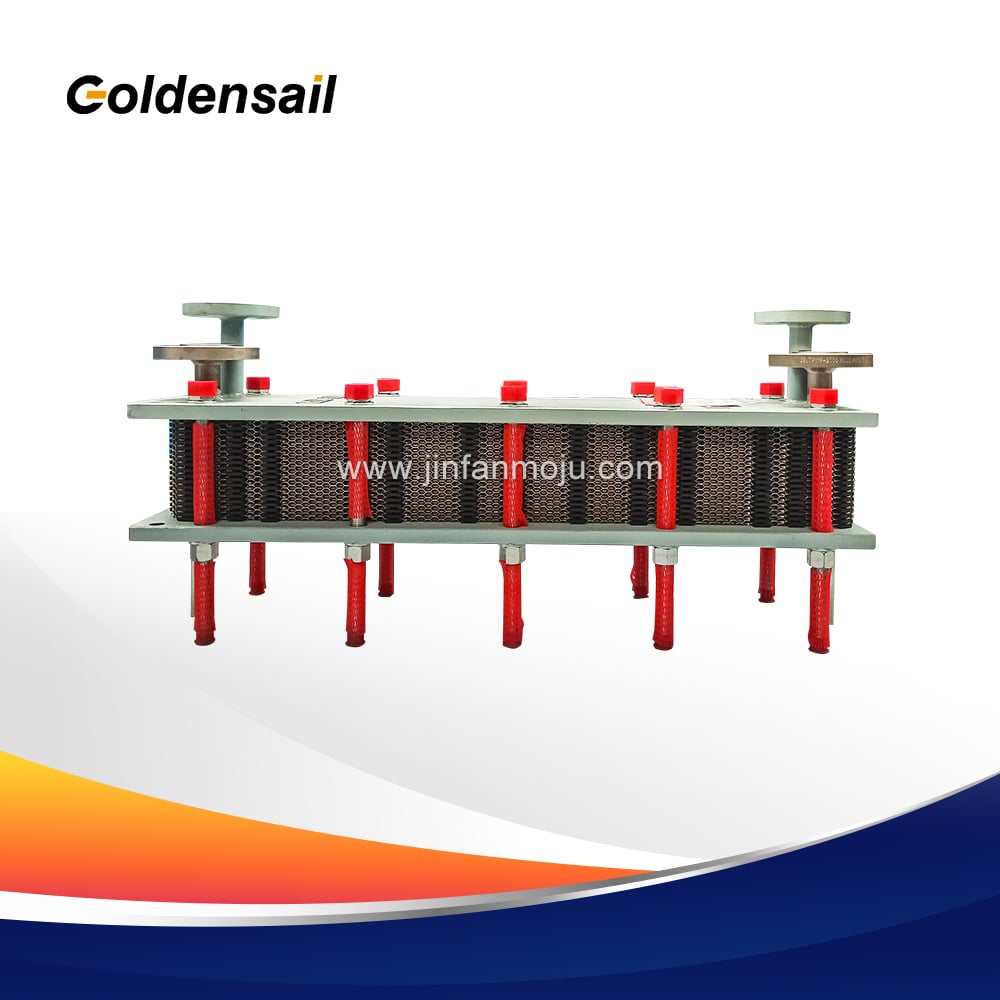
When you walk into a heating room, chemical plant, or food processing workshop, you often see rows of metal equipment, like thick books, tightly bound together by huge bolts. This is the mainstay of industrial heat exchange—the plate heat exchanger. If you compare a plate heat exchanger to a high-performance race car, then its "engine" is the heat exchanger plates. These seemingly simple thin metal plates determine the heat exchange efficiency, lifespan, and application range of the equipment. For those of you preparing to purchase heat exchange equipment, understanding the PHE Plates is equivalent to understanding a large part of plate heat exchangers.
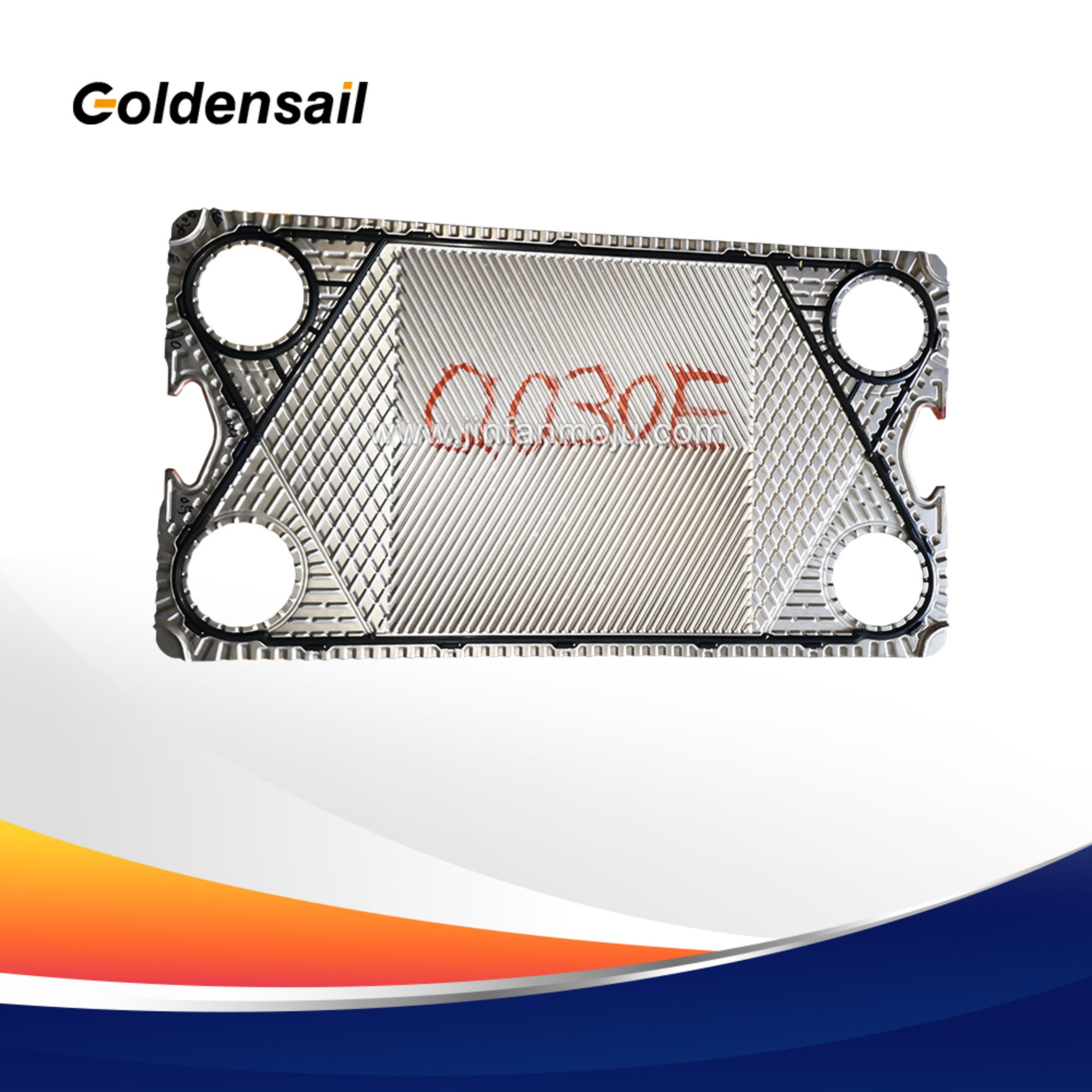
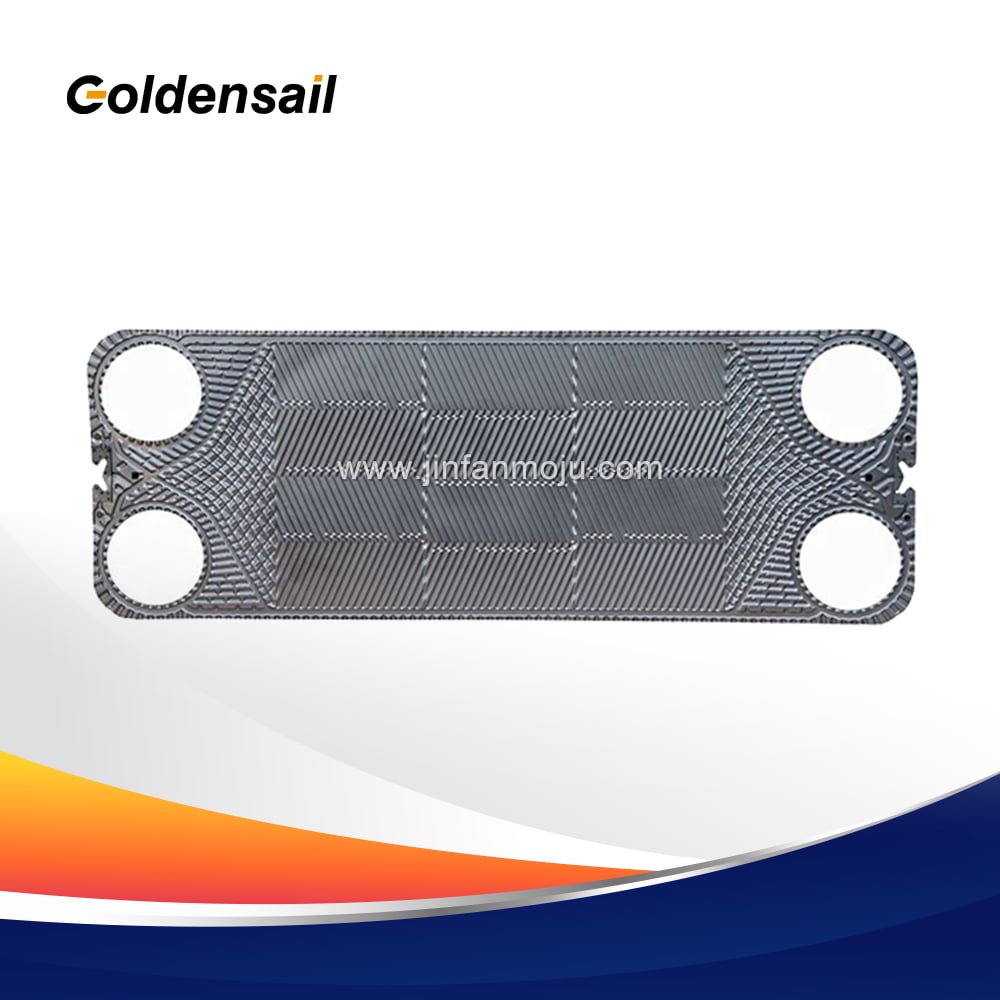
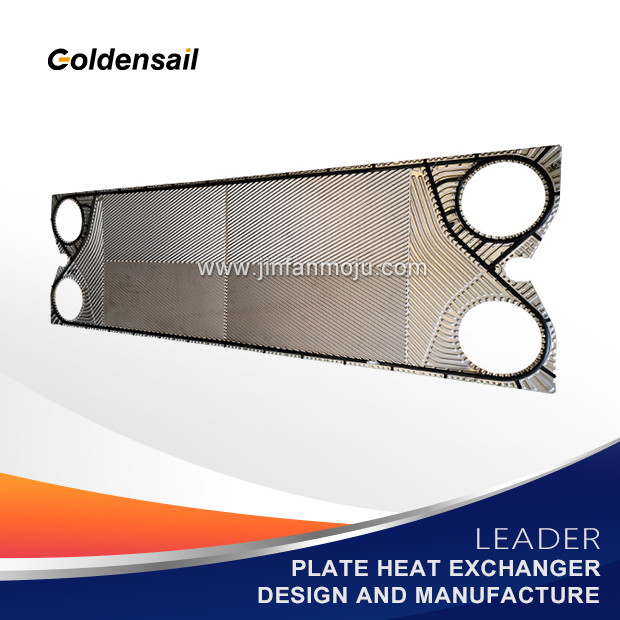
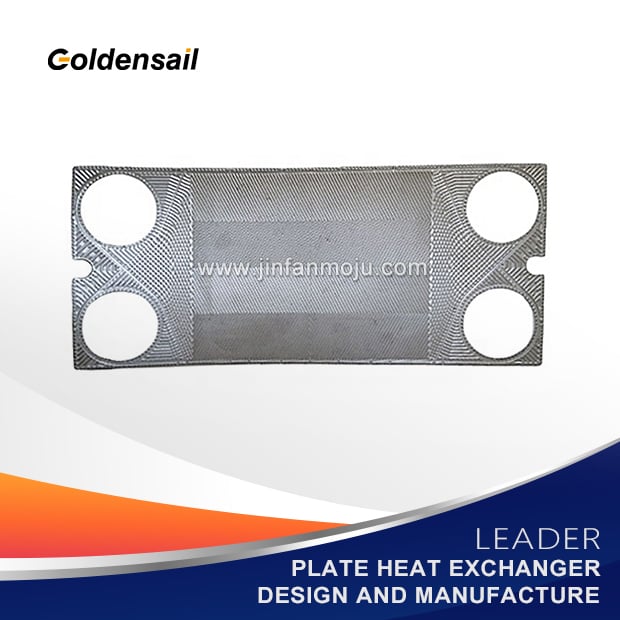
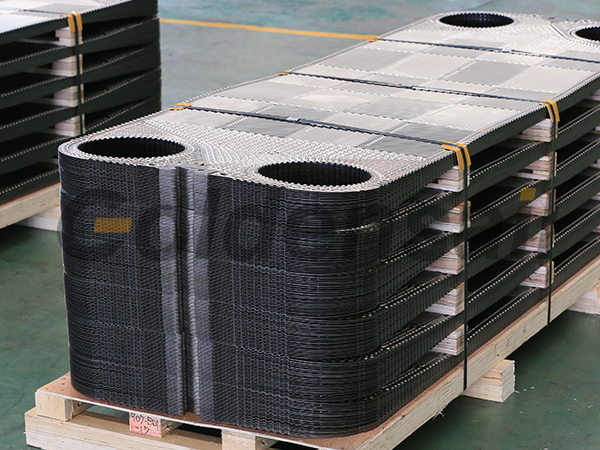
A plate heat exchanger is composed of a series of corrugated metal plates stacked together. Each "sheet" is a heat transfer plate.
Precision-pressed metal plates
Thickness: 0.4–0.8 mm
Corrugated structure
Herringbone pattern for high efficiency
Circular holes for
Hot & cold media inlet/outlet
When fluid flows over the corrugated surface, it is forced to change direction, creating intense turbulence constantly. This turbulence effectively breaks down the insulation layer tightly adhering to the PHE Pates, allowing for unimpeded heat transfer. This is the fundamental reason plate heat exchangers can achieve 3–5x higher heat transfer than traditional shell-and-tube exchangers.
When two PHE Plates are joined together, the corrugations interweave, forming thousands of dense contact points, significantly improving the mechanical strength of the plate assembly and enabling it to withstand higher operating pressures.
Based on the different angles of the herringbone corrugations, heat exchanger plates are divided into two basic types to adapt to different operating conditions.
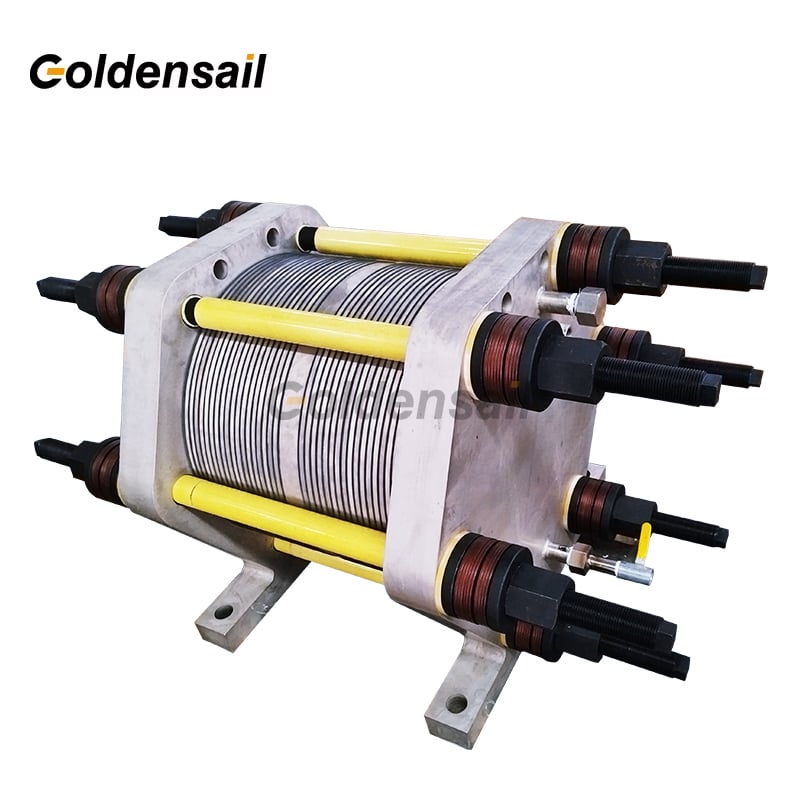
The heat exchange plates are the core heat exchange elements of the entire heat exchanger, responsible for the efficient transfer of heat between the hot and cold media. Sealing gaskets are embedded around the phe plates to ensure the media flows within their respective channels, preventing leakage and cross-contamination. The frame system uses clamping bolts to press hundreds or thousands of plates together, providing structural support and enabling disassembly and maintenance of the entire device. These three components together constitute a complete plate heat exchange unit.
| Plate Type | Corrugation Angle | Heat Transfer Coefficient | Flow Resistance | Typical Applications |
|---|---|---|---|---|
|
H Plate (High Angle) |
> 60° | High | High | Applications requiring maximum heat transfer efficiency where pressure drop is less critical. |
|
L Plate (Low Angle) |
< 30° | Medium | Low | Large flow rate systems with low pressure drop requirements, such as water-to-water heat exchange with large temperature differences. |
Water-to-Water Heat Exchange: Pay attention to the allowable pressure drop and confirm whether the selected solution uses H-plates, L-plates, or a hybrid plate type.
High-Viscosity Fluids (e.g., Oil): Deeply corrugated heat exchanger plates should be selected, as their wider channels prevent clogging by viscous media.
Steam Heating: Special asymmetric plate types are required to accommodate large specific volume changes on the steam side.
For different fluids (fresh water, seawater, strong acid, high-temperature oil), the selection of heat exchanger plate material is crucial to determining the equipment's lifespan.
| Material Series | Typical Grades | Core Advantages | Typical Applications |
|---|---|---|---|
| Stainless Steel | 304 / 316L | Excellent overall performance and cost-effectiveness. 316L contains molybdenum for enhanced corrosion resistance compared to 304. | Fresh water, potable water, lubricating oil, HVAC systems, and general industrial applications. |
| Titanium & Titanium-Palladium Alloy | TA1 / Gr.11 | Outstanding resistance to chloride corrosion. Preferred material for seawater and brine environments. | Seawater cooling, salt chemical industry, pharmaceuticals, marine engineering. |
| Hastelloy | C-276 / C-2000 | Exceptional resistance to strong acids (hydrochloric, sulfuric) and highly oxidizing environments. | Chemical processing, fine chemicals, pharmaceutical industries with severe corrosion conditions. |
| Nickel & Nickel Alloys | Ni 200 / Monel | Superior resistance to high-concentration alkaline solutions. | Caustic soda production and chlor-alkali chemical industries. |
Click to learn more about plate heat exchanger applications.
In actual operation and maintenance, it is often not necessary to replace the entire machine; simply replacing some or all of the circuit boards can give the equipment a "new lease on life."
The following situations indicate that you should consider replacing the PHE Plates rather than the entire machine:
| Issue | Judgment Criteria | Recommended Action |
|---|---|---|
| Plate Corrosion & Perforation | Continuous leakage from signal holes; visible pits or perforations. | <5% damaged: Replace individual heat exchanger plates. 5–15%: Replace in pairs or by channel. >15%: Replace all plates. |
| Mechanical Deformation | PHE Plate cannot lie flat; sealing contact is affected. | Deformed heat exchanger plates must be replaced. Severe overall deformation requires full replacement. |
| Excessive Thinning | Thickness reduced by more than 20%; erosion near ports or corrugation peaks. | Local thinning: Replace affected phe plates. General thinning: Replace all and reassess material selection. |
| Plate Cracks | Dendritic cracks, often in chloride environments or near stress points. | Replace immediately. If multiple cracks appear, consider upgrading material (e.g., stainless steel to titanium). |
| Severe Scaling | Chemical cleaning ineffective; scale fused with metal. | Replace affected plates and review water treatment to prevent recurrence. |
| Capacity Expansion | Increased process demand; insufficient heat transfer area. | Add more plates if frame allows. Otherwise upgrade to higher-efficiency plate type (e.g., H-plates). |
If you are looking for high-quality replacement heat exchanger plates or customized heat exchanger solutions, pls feel free to contact our engineering team.

 EN
EN
 AR
AR
 FR
FR
 DE
DE
 PT
PT
 RU
RU