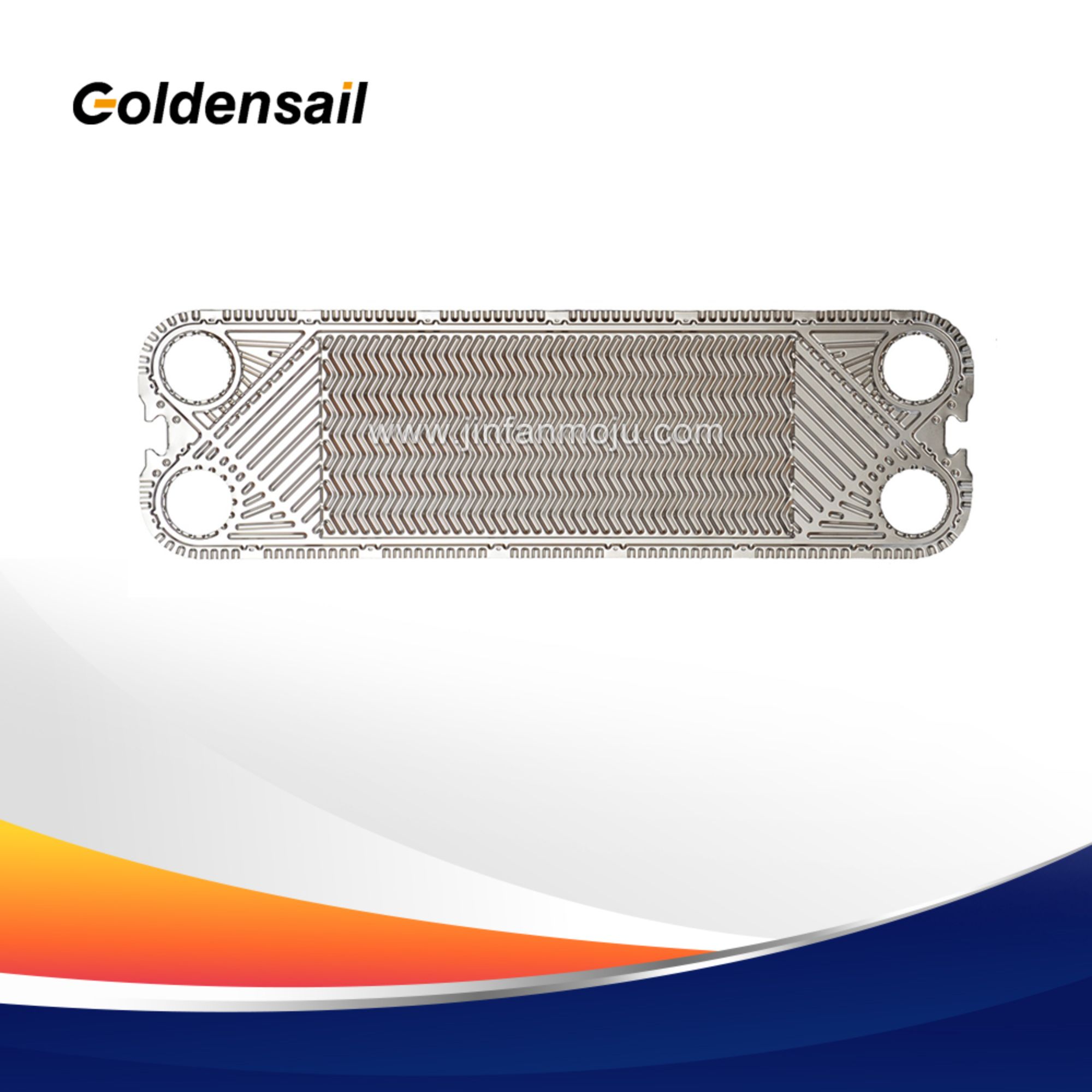
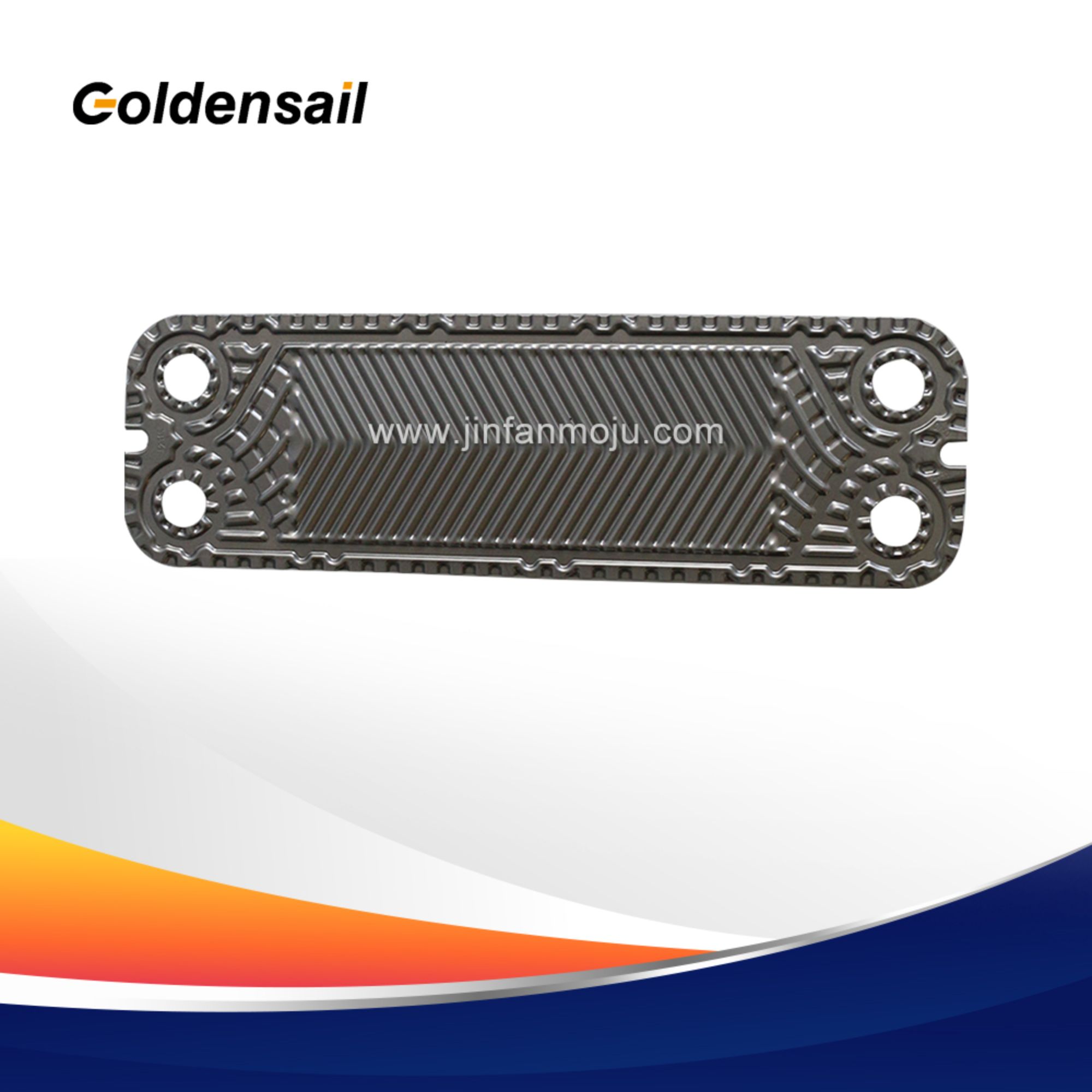
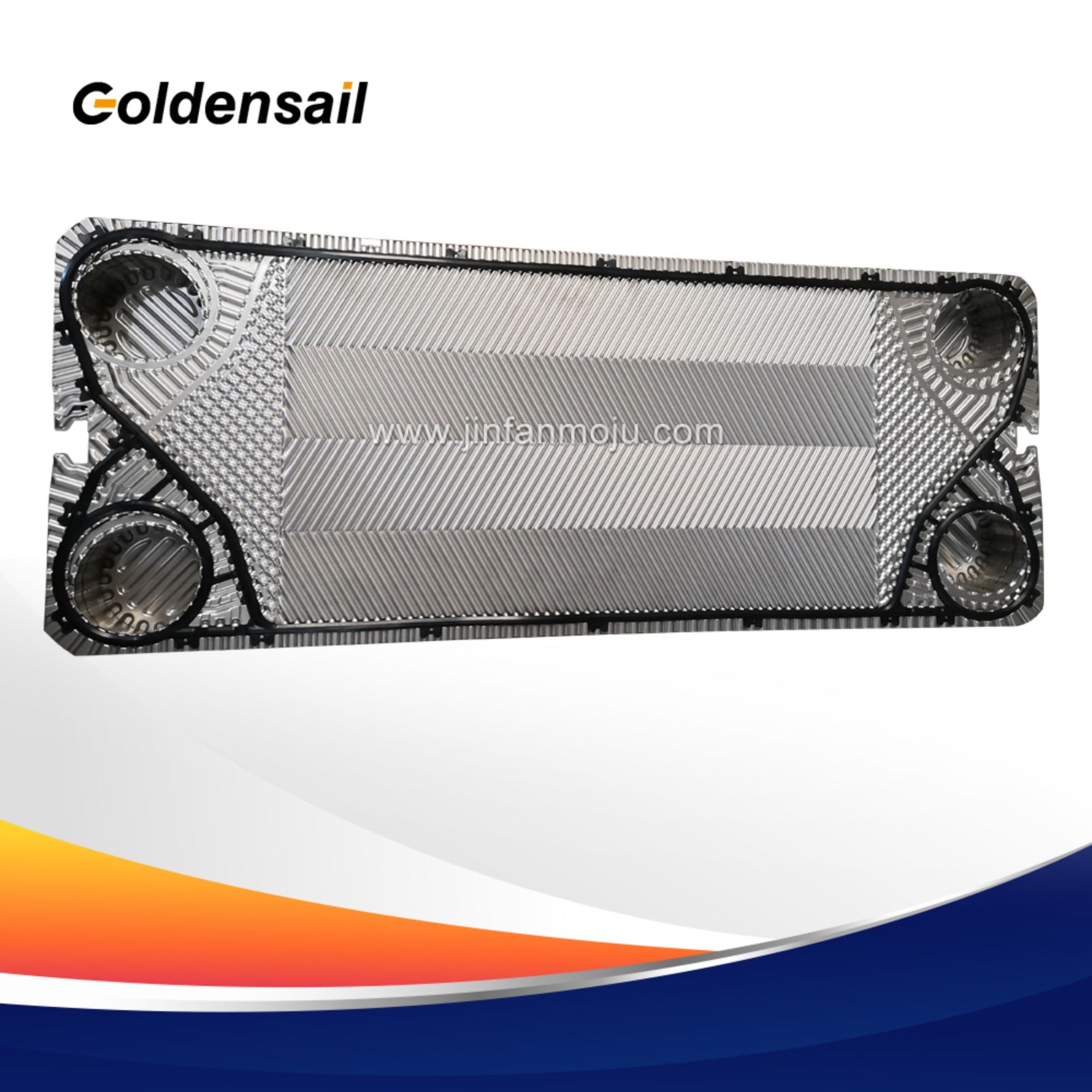
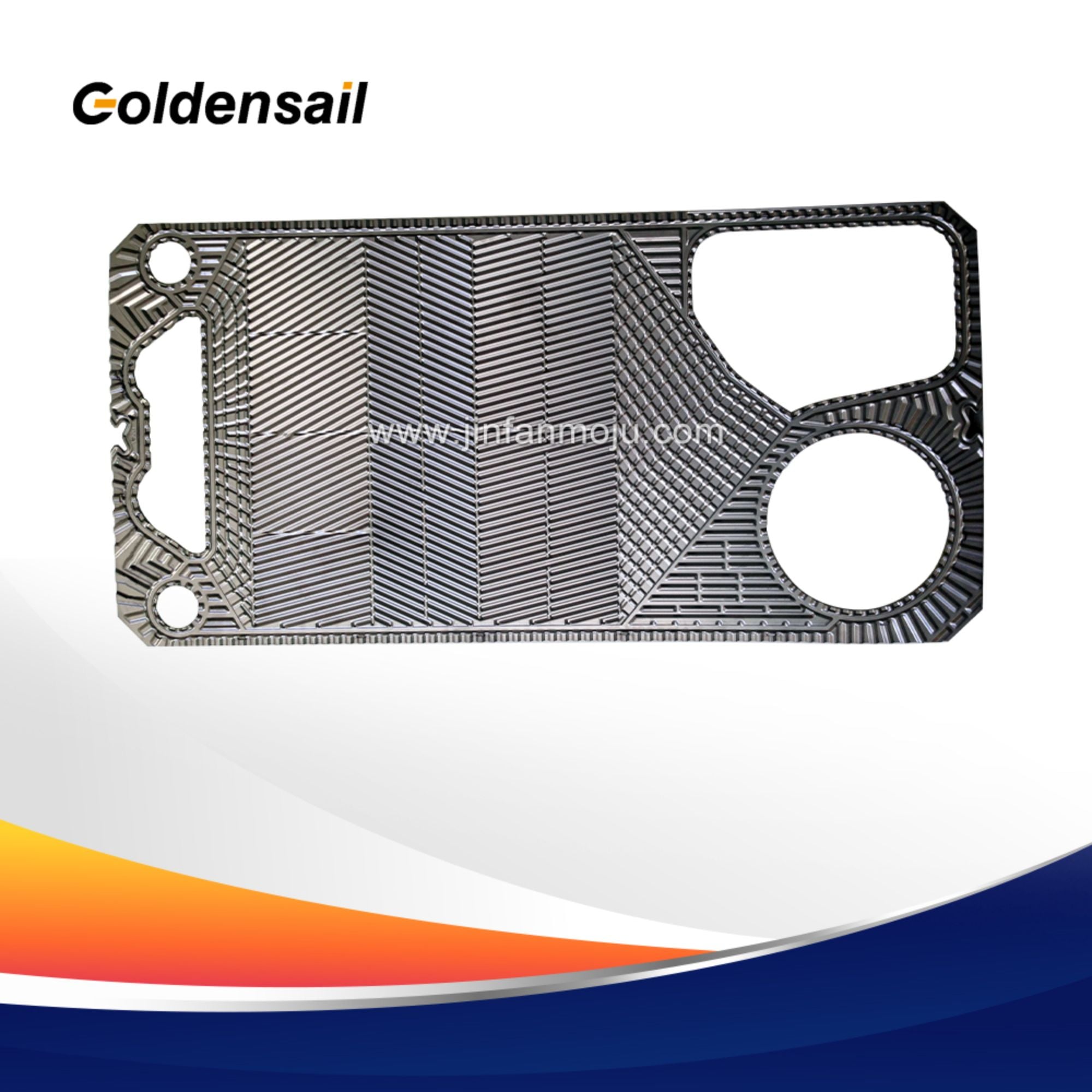
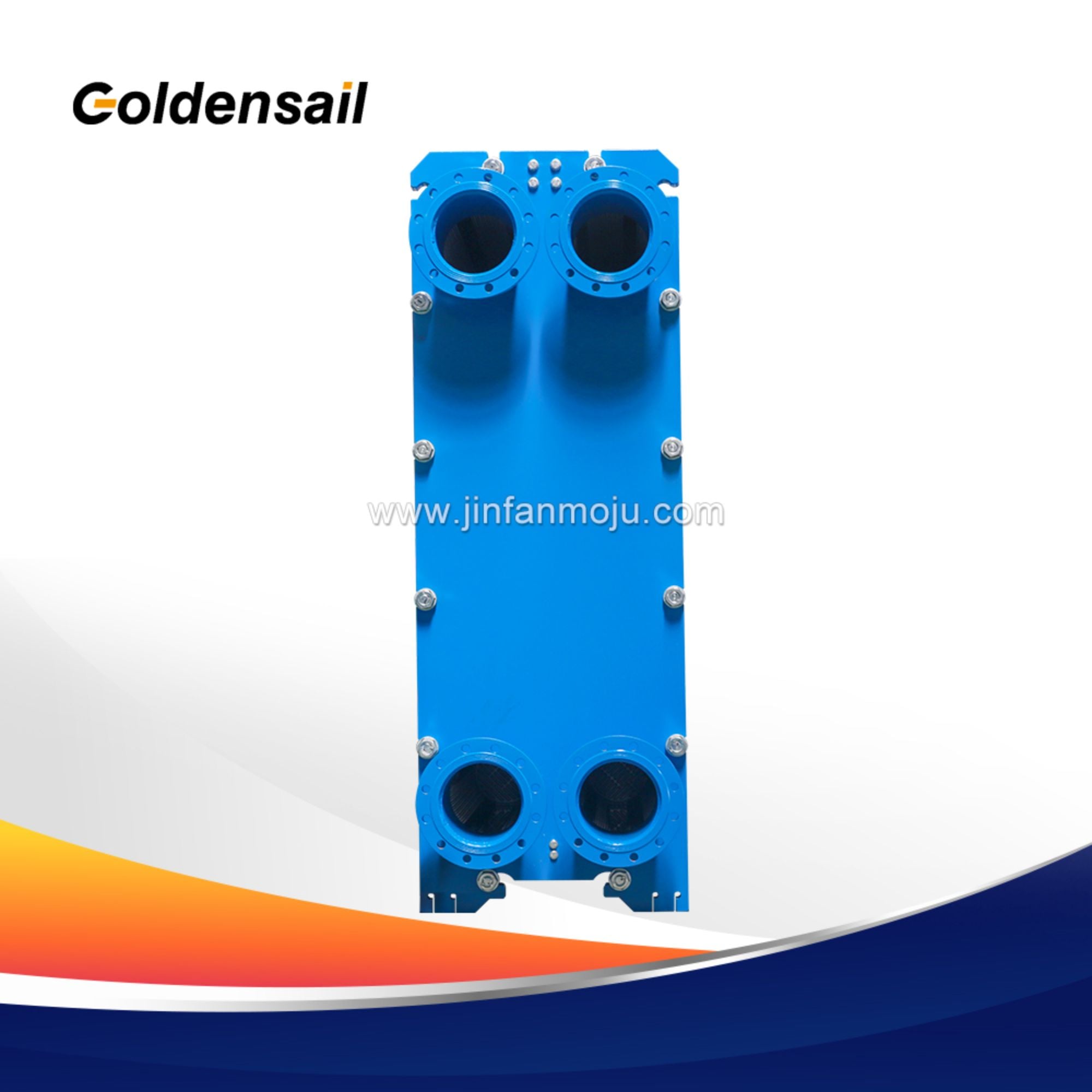
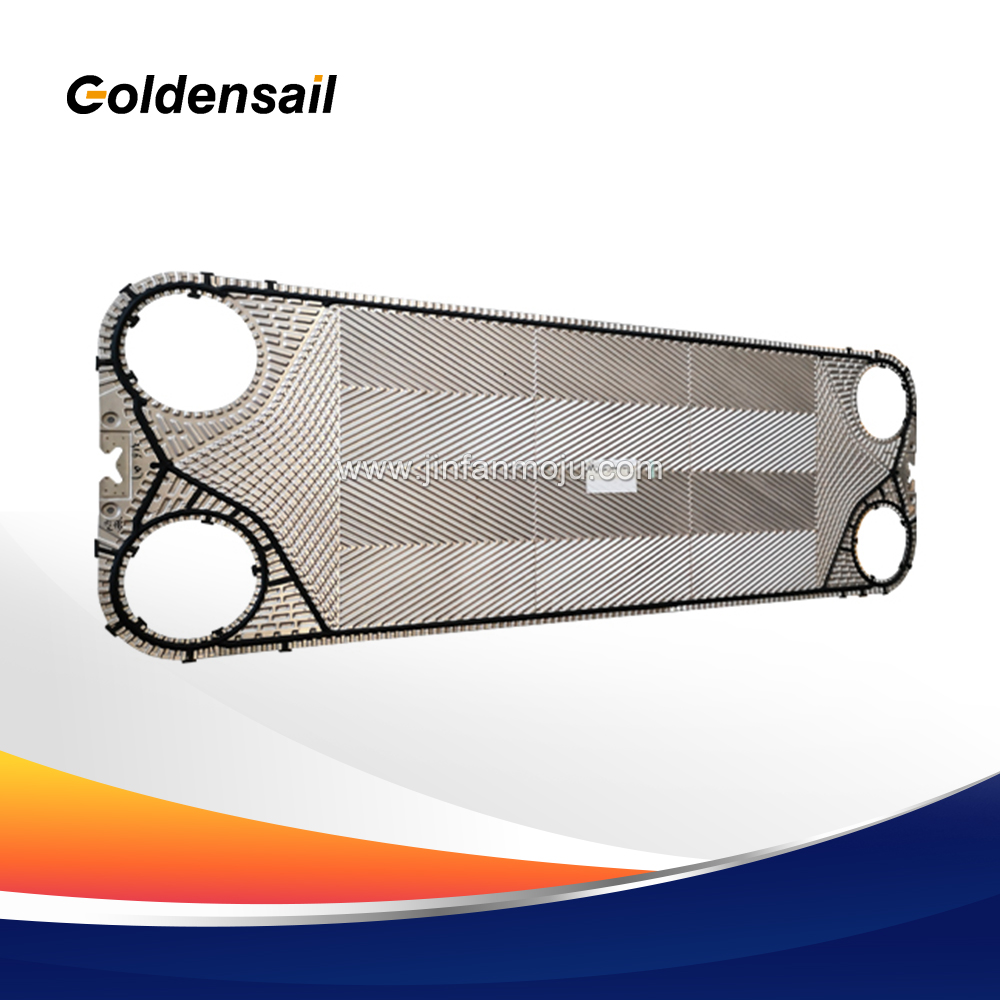
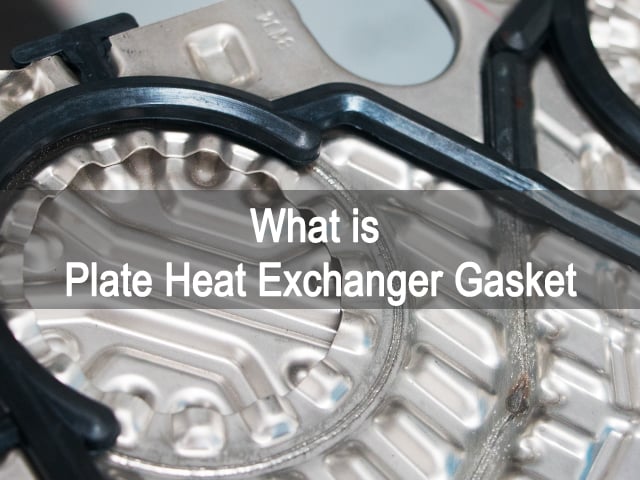
In a Plate type Heat Exchanger , each Heat Exchange Plate is surrounded by a Heat Exchanger Gasket, which directly determines whether the equipment can operate safely and efficiently for a long time. In fact, the PHE Gasket is a consumable, with the passage of time, the rubber material will naturally age and fatigue, thus requiring regular inspection and replacement. Many Plate Heat Exchanger leaks and efficiency declines often originate from the rubber gasket.
Get in touch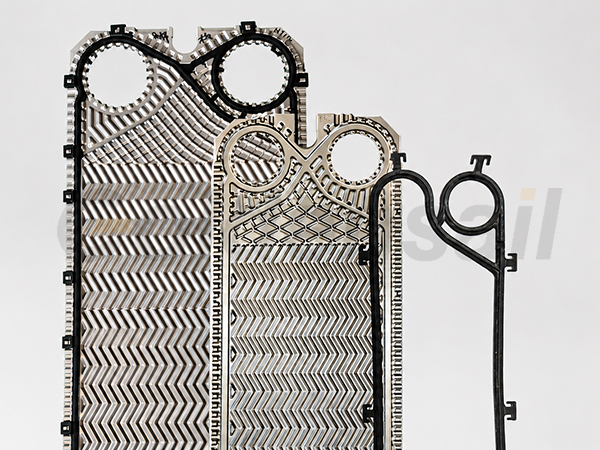
This is the core function of the PHE Gasket. During operation, the hot and cold fluids flow in the channels between adjacent PHE Plates. The rubber Heat Exchanger Gasket, clamped in place, forms a reliable seal, preventing the medium from leaking to the outside from between the plates or the edges of the equipment. This avoids material waste and safety accidents.
Near the four corner holes of each Heat Exchanger Plate, the Plate Heat Exchanger Gasket forms specific sealing areas, guiding the hot and cold media to their respective paths. If the PHE Gasket is damaged or improperly installed, the two media may "communicate" through the corner holes, causing contamination or heat exchange failure, which is unacceptable in industries such as food and pharmaceuticals.
Heat exchangers experience slight vibrations and displacements during fluid impacts, pressure fluctuations, or start-up and shutdown. Highly elastic gaskets can dampen these vibrations, preventing direct, hard collisions between metal plates, thus protecting the plates and the entire frame.
PHE Gaskets isolate the edges of the plates and corner holes from corrosive media, while also preventing the formation of "dead zones" necessary for crevice corrosion between plates.
| Material | Operating Temperature Range | Key Features & Suitable Media | Remarks |
|---|---|---|---|
| Nitrile Rubber (NBR) | -15°C to 135°C | Excellent oil resistance and the most widely used general-purpose gasket material. Suitable for: Water, seawater, mineral oils, vegetable oils, brine, etc. |
The most commonly used gasket material. Not suitable for strong oxidizing acids or polar solvents. Moderate elastic recovery performance. |
| EPDM Rubber (EPDM) | -25°C to 180°C | Excellent resistance to heat, steam, acids, and alkalis, with long service life. Suitable for: Hot water, steam, dilute acids, dilute alkalis, alcohols, ketones, etc. |
Ideal choice for HVAC systems, food processing, and beverage industries. Outstanding elastic recovery properties. |
| Fluoroelastomer (FKM / Viton) | -5°C to 230°C | Exceptional high-temperature and chemical corrosion resistance. Suitable for: Strong acids, strong alkalis, high-temperature oils, and organic solvents. |
Recommended for extreme operating conditions in chemical, pharmaceutical, and petrochemical industries. Higher material cost. |
| Hydrogenated Nitrile Rubber (HNBR) | -10°C to 150°C | Enhanced heat resistance and chemical resistance compared to standard NBR. Suitable for: High-temperature mineral oils, hot water, and demanding industrial fluids. |
Suitable for applications requiring better performance than NBR but not the extreme resistance of FKM. |
| PTFE Encapsulated Gasket | Depends on Core Material | Outstanding chemical compatibility with nearly all chemicals and extremely low friction coefficient. Suitable for: Highly corrosive environments and ultra-high purity processes. |
PTFE itself has limited elasticity and is typically combined with elastomer cores to improve sealing performance. |
Select gasket media based on the fluid medium and operating temperature.
Oil media: Nitrile rubber (NBR) is usually the first choice.
Hot water, steam, acids and alkalis: Ethylene propylene diene monomer (EPDM) is preferred.
Strong acids and alkalis, high temperatures: Choose fluororubber (FKM) for stronger performance.
High temperatures, ultra-low temperatures, or food-grade: Consider silicone rubber (VMQ).
Extreme corrosion: PTFE-coated gaskets are recommended.
Note: The above are general selection guidelines. When selecting specific equipment, be sure to verify the technical specifications provided by the manufacturer and refer to official data.
Plate Heat Exchanger Gaskets are generally fixed to the plates in the following three ways:
Adhesive is used to stick into the PHE Plate groove. The process is simple, but cleaning residual adhesive is troublesome when replacing, and it is not suitable for equipment with frequent disassembly and assembly.
The Plate Heat Exchanger Gasket has adhesive pins that are embedded in the mounting holes of the plate, providing reliable fixation.
The PHE Gasket has a "mountain"-shaped snap that snaps directly onto the Heat Exchanger plate. Installation is convenient, no adhesive is required, and replacement is quick.
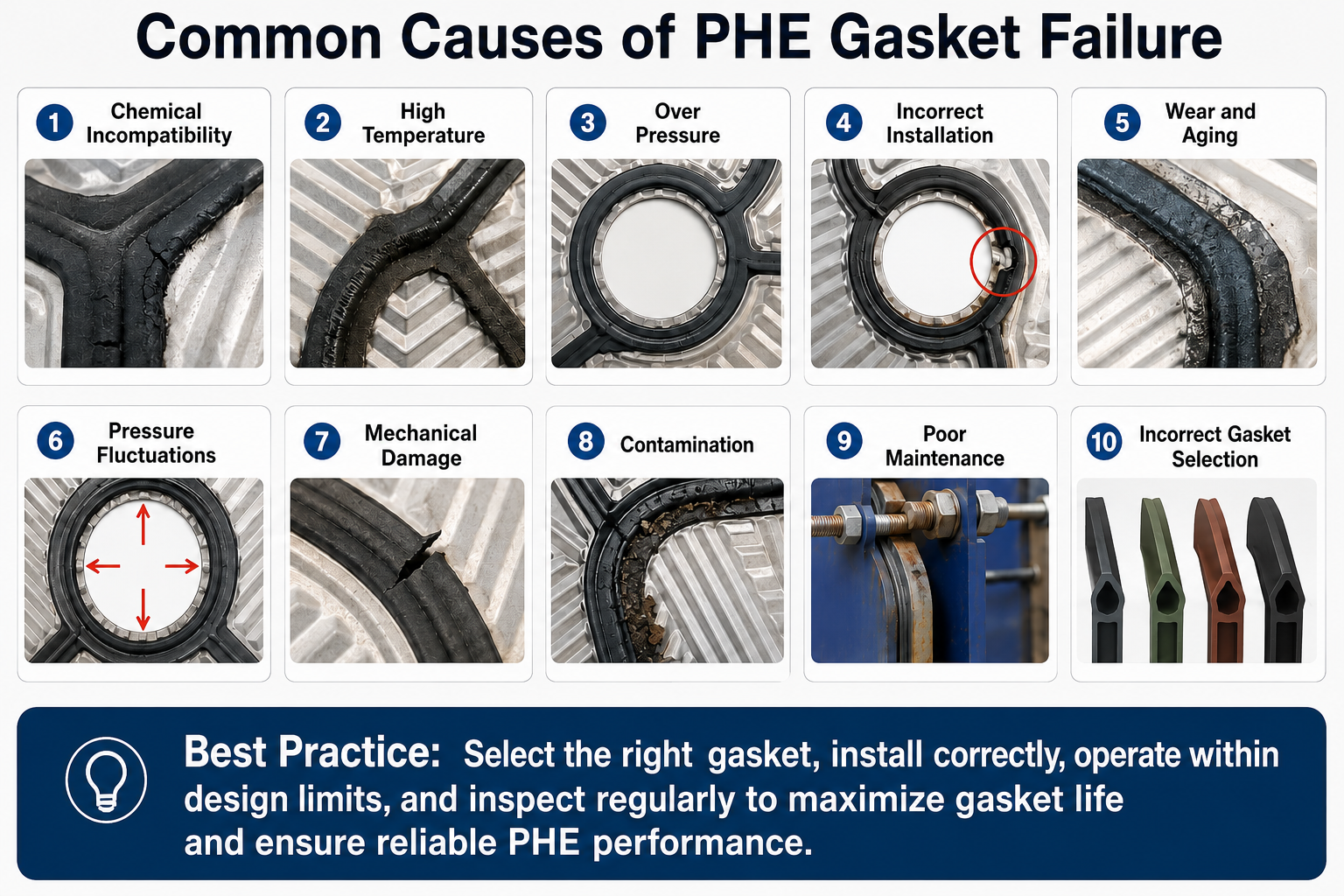
Over time, rubber will naturally harden and crack, leading to seal failure.
Instantaneous pressure shocks caused by system start-up, shutdown, or fluctuations may cause Heat Exchanger Gasket displacement.
Drastic temperature fluctuations can cause the PHE Gasket to expand and contract too quickly, reducing the sealing preload.
Using the wrong material can allow chemical media to react directly with the gasket, causing it to soften or be damaged.
Twisting the Heat Exchanger Gasket Rubber Pad, uneven clamping force, or excessive/insufficient clamping force during installation can all affect the sealing effect and, in severe cases, cause permanent damage.
The replacement cycle is not fixed, generally between 1 and 5 years. Replacement should be considered when the following conditions are observed:
Fluid leakage (seepage or cross-contamination) occurs between the plates.
The gasket surface shows cracks, hardening, loss of elasticity, or darkening in color.
Even without obvious damage, replacement is recommended once the manufacturer's recommended service life has been reached.
The following procedure is recommended:
Preparation
First, stop the machine, depressurize, and drain the medium. Then, loosen the bolts in a "diagonal, multiple times" manner to prevent PHE Plate deformation. Use a plastic or copper pry bar to remove the old Gaskets Rubber Pad, avoiding scratching the plates. Thoroughly remove residual adhesive and dirt from the sealing groove, ensuring it is dry and oil-free.
Install the New Gasket
Ensure the material of the new PHE Gasket matches the operating conditions. For adhesive gaskets, apply a thin, even layer of the special adhesive to the groove and the gasket. Gently press the gasket into the groove, avoiding forced stretching. Ensure all parts (especially bends) are fully in place. After reassembling the plates, use a torque wrench to tighten the bolts evenly in a "diagonal, multiple times" manner. The final tightening dimension must refer to the "A" value on the equipment nameplate; do not rely solely on torque.
Installation Details
Ensure the Heat Exchanger Gaskets are not twisted or bulging, especially for snap-fit and embedded types. A "click" sound should be heard or you should confirm they are fully in place.
Operational Prohibitions
Do not use force during assembly or disassembly. Always use specialized tools and avoid scratching the plates or gaskets with hard objects.
Daily Maintenance
Conduct regular inspections, before long-term disuse, loosen the clamping bolts by approximately 10-20mm to allow the Plate Heat Exchanger Gaskets to regain their elasticity.
 EN
EN
 AR
AR
 FR
FR
 DE
DE
 PT
PT
 RU
RU