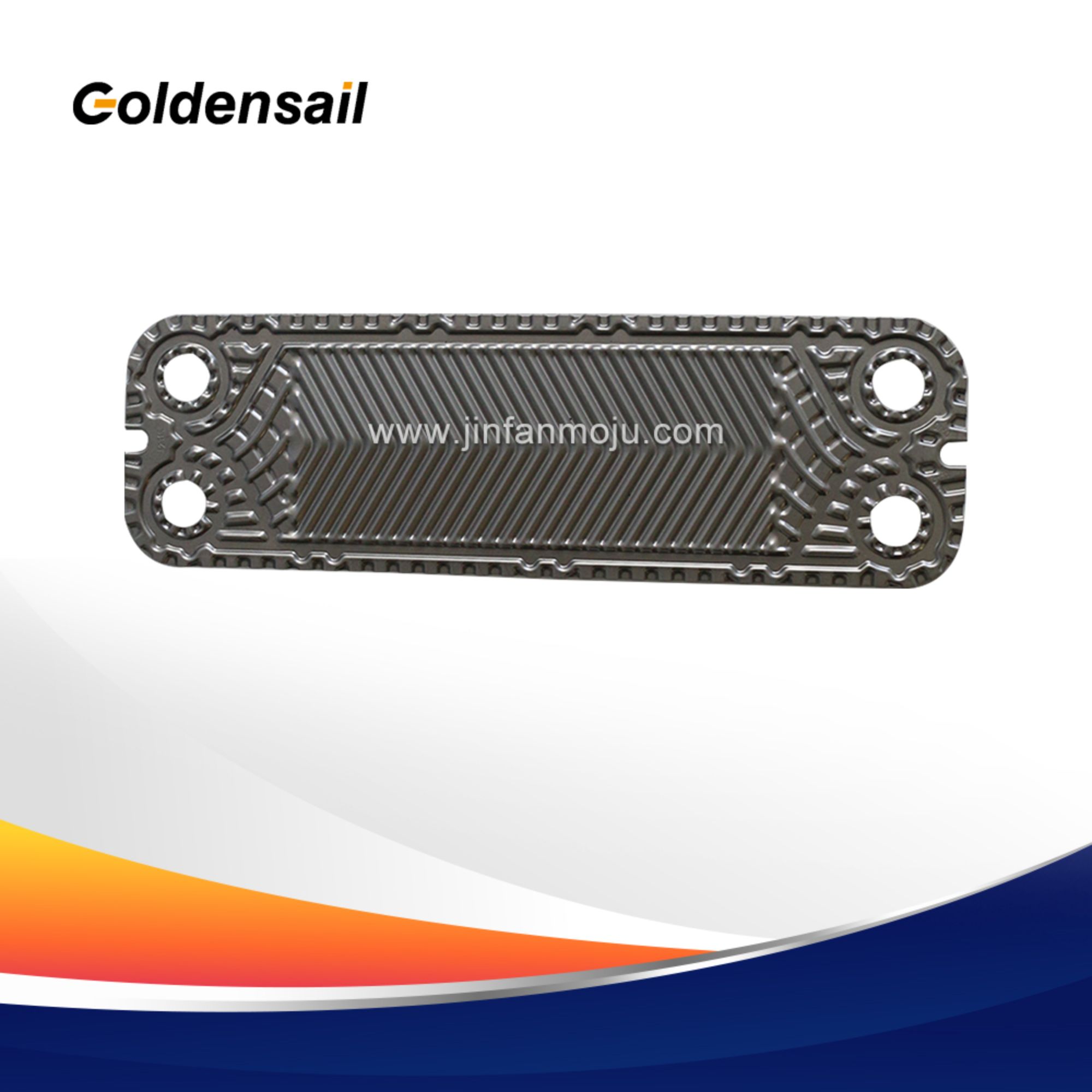
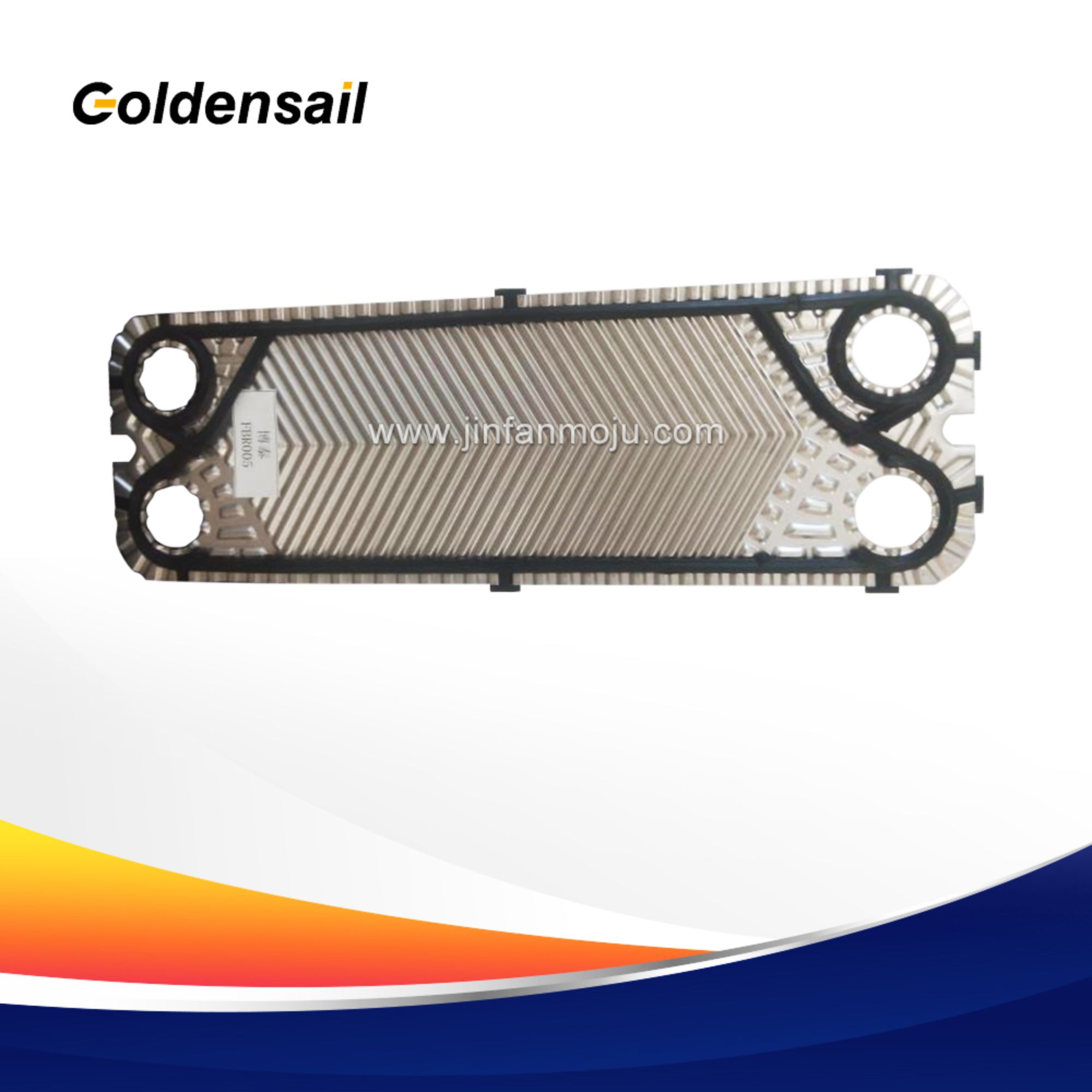
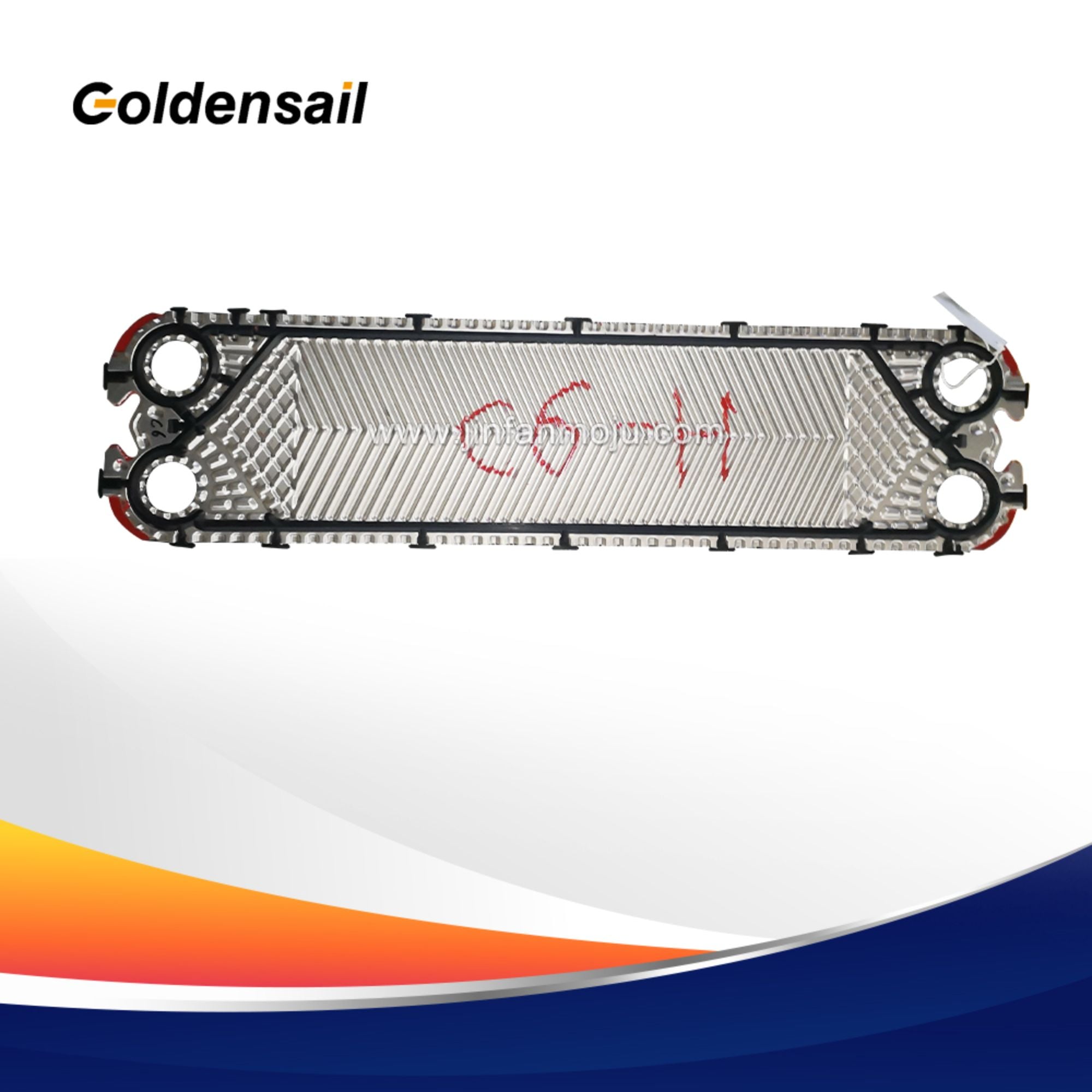
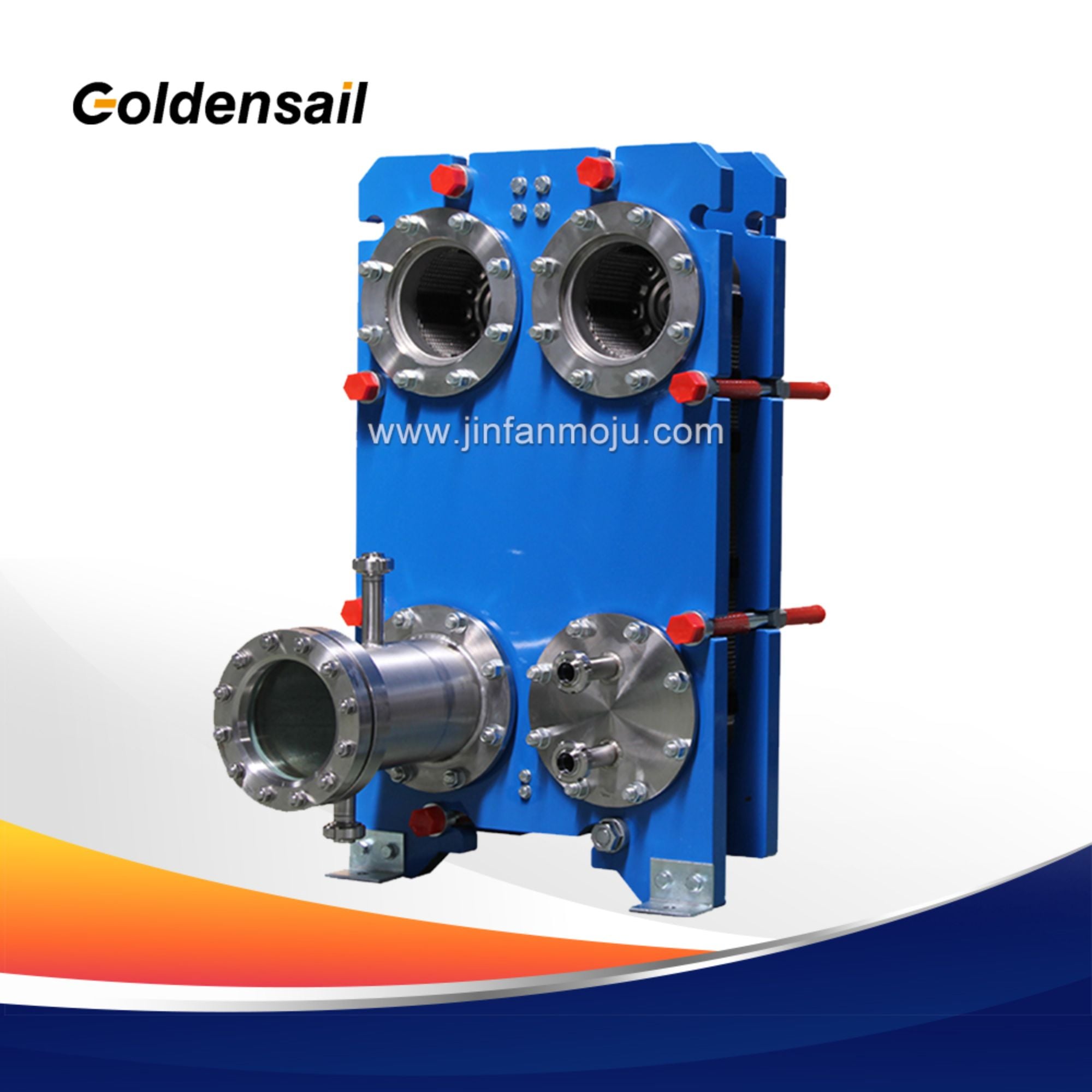
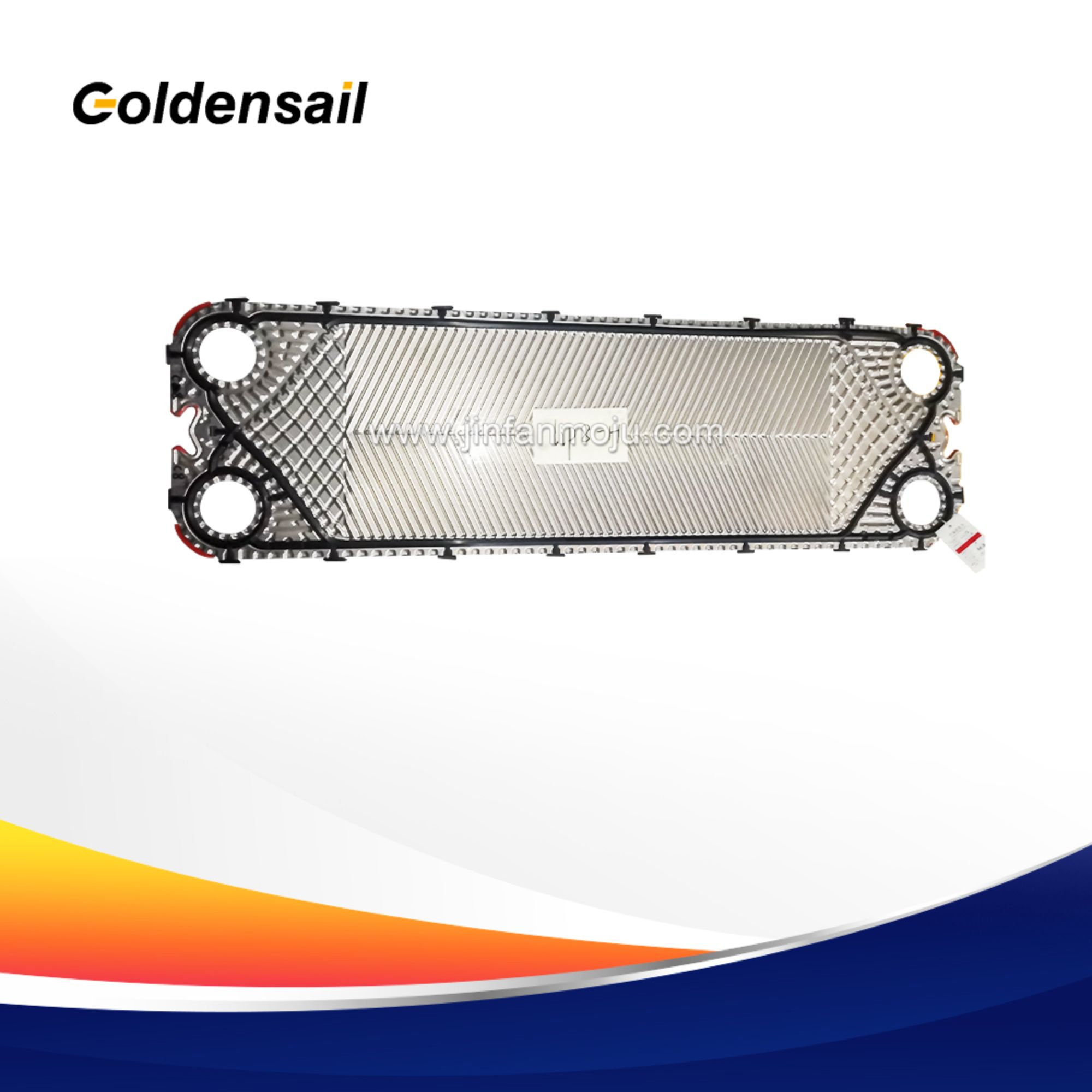
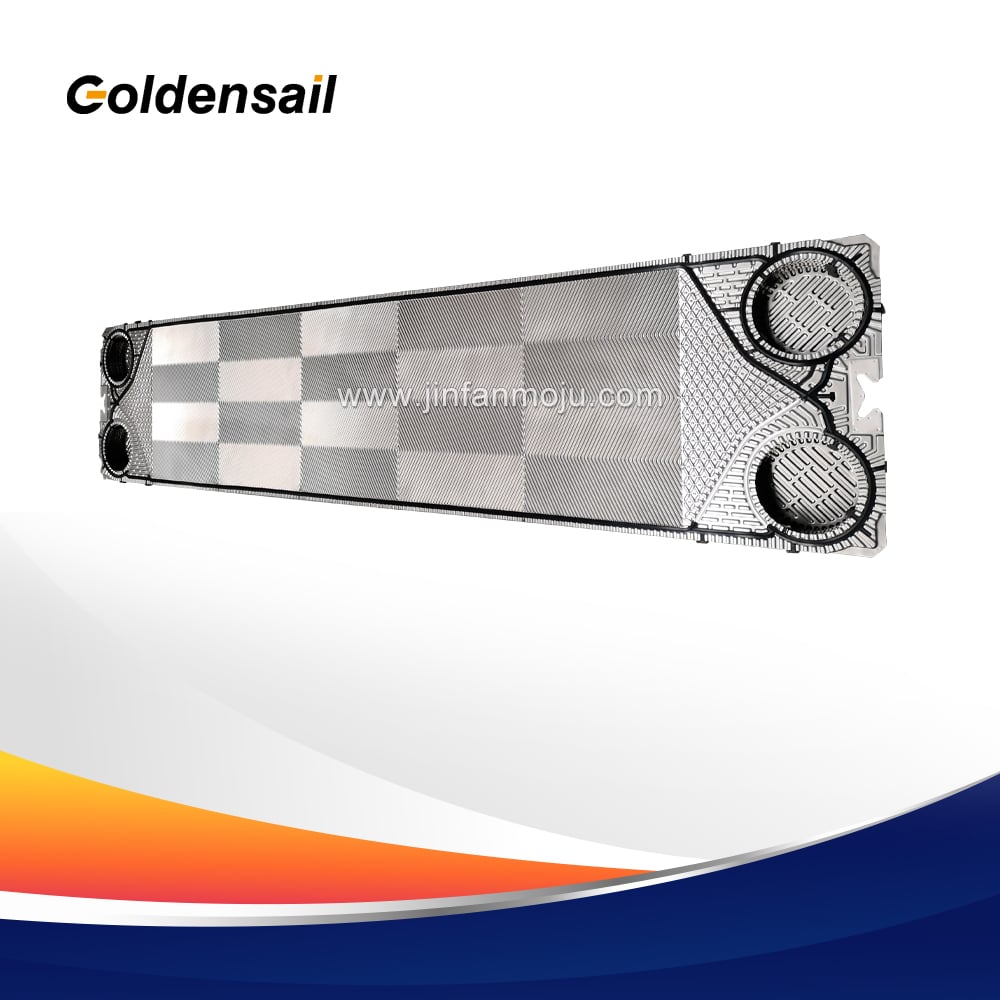
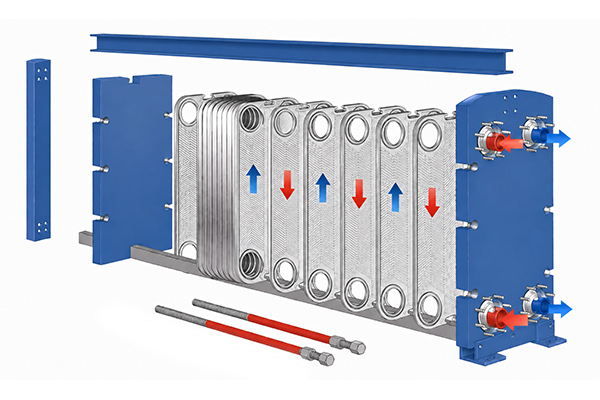
Plate heat exchangers mainly consist of heat exchanger plate, heat exchanger frame, and heat exchanger gasket. Therefore, the performance and quality of the PHE Gasket directly determine whether the plate heat exchanger can operate safely, efficiently, and for a long period.
Heat Exchanger Plate: Provides the solid surface and structural strength for heat exchange.
Heat Exchanger Frame: Provides the clamping force, firmly binding all the plates and gaskets together.
Heat Exchanger Gasket: Responsible for both sealing and precisely controlling the flow direction of the fluid.
The Core Functions of the Plate Heat Exchanger Gasket Include the Following:
The Heat Exchanger Gasket is typically designed with a special cross-sectional shape and is subjected to precisely controlled compression within the gasket grooves of the PHE Plate. This ensures the contact stress required for sealing while also allowing for elasticity to cope with pressure fluctuations during operation.
Each plate is surrounded by rubber gaskets. When all plates are pressed together by the front and rear clamping plates, the PHE Gaskets are compressed to form an elastic sealing ring, preventing the media inside the heat exchanger (such as high-temperature hot water, corrosive chemical solutions, steam, etc.) from leaking into the environment. External leakage not only wastes energy and media but can also cause burns, contamination, or even safety accidents.
Rubber gaskets also serve a sealing function around the four corner holes of each plate. In a Plate Heat Exchanger, the cold and hot media enter and exit through different corner holes. If the gaskets at the corner holes fail, the high-pressure side media can seep into the low-pressure side, causing the two media to mix. For example, in a heating system, if high-temperature water from the primary network mixes with the secondary network, it can cause uncontrolled heating water temperature for users; in the food or pharmaceutical industries, such cross-contamination can directly lead to the scrapping of an entire batch of products.
The arrangement of the rubber pads is not arbitrary but follows a specific logic to control the flow path of the hot and cold media on both sides of the plates. It can be understood that without the rubber pads, the PHE Plates are just a pile of metal sheets, but with carefully designed rubber pads, they become efficient and orderly heat exchangers.
The Heat Exchanger gaskets on adjacent plates contact each other, dividing the space between the plates into alternating cold and hot flow channels. The media is forced in through the corner holes, flows along the corrugated direction of the plate surface, and then flows out through the opposite corner holes.
By changing the open or closed design of the rubber sealings around the corner holes, single-pass, dual-pass, and even multi-pass arrangements can be achieved. For example, a dual-pass design causes the media to circulate once within the Heat Exchanger Plate group, increasing the flow velocity, enhancing turbulence, and improving the heat transfer coefficient by more than 30%.
The flow-guiding zone on the rubber PHE Gasket evenly distributes the incoming medium across the entire plate surface, preventing flow "dead zones" or flow deviations. Without proper flow guidance from the rubber gasket, the fluid will simply "take a shortcut" from the inlet to the outlet, wasting most of the heat exchange area and causing the heat exchange efficiency to drop sharply to less than 20% of the design value.
The elasticity of the rubber Heat Exchanger Gasket not only serves for sealing but also provides important mechanical protection.
During assembly and clamping, without the buffer of the rubber gasket, the corrugated apexes of adjacent plates will directly collide, causing localized indentations, deformation, or even cracking. The rubber PHE Gasket acts as a "flexible pad," allowing the clamping force to be evenly distributed to the plate edges and corner areas.
During operation, heat exchangers experience minute vibrations due to temperature fluctuations and pressure pulsations. Without the isolation of rubber gaskets, the plates will rub against each other, gradually damaging the surface anti-corrosion layer and leading to pitting or stress corrosion. The elastomeric structure of the rubber gasket can absorb these micro-vibrations.
When the phe plate materials differ from each other or when they differ from the clamping bolt materials, galvanic cells may form in a humid electrolyte environment. As a non-metallic separator, the PHE Gasket can block the electrical path and slow down electrochemical corrosion.
During start-up, shutdown, and load regulation, the temperature variation of the metal plates in a plate heat exchanger can range from room temperature to 150°C or even higher. Although the coefficient of thermal expansion of metals is not large, the cumulative effect in large heat exchangers can result in a change in the overall length of the plate assembly of several millimeters.
The rubber sealing has excellent compression resilience and low permanent deformation characteristics. When the plates thermally expand, the rubber gasket is further compressed; when cooled and contracted, the rubber gasket rebounds to fill the gaps. This "dynamic following" capability is something that rigid gaskets cannot achieve.
High-quality Heat Exchanger Gaskets are formulated to resist stress relaxation under high temperature and pressure, ensuring stable sealing force for several years. Some high-performance gaskets are even designed with a self-tightening structure.

 EN
EN
 AR
AR
 FR
FR
 DE
DE
 PT
PT
 RU
RU