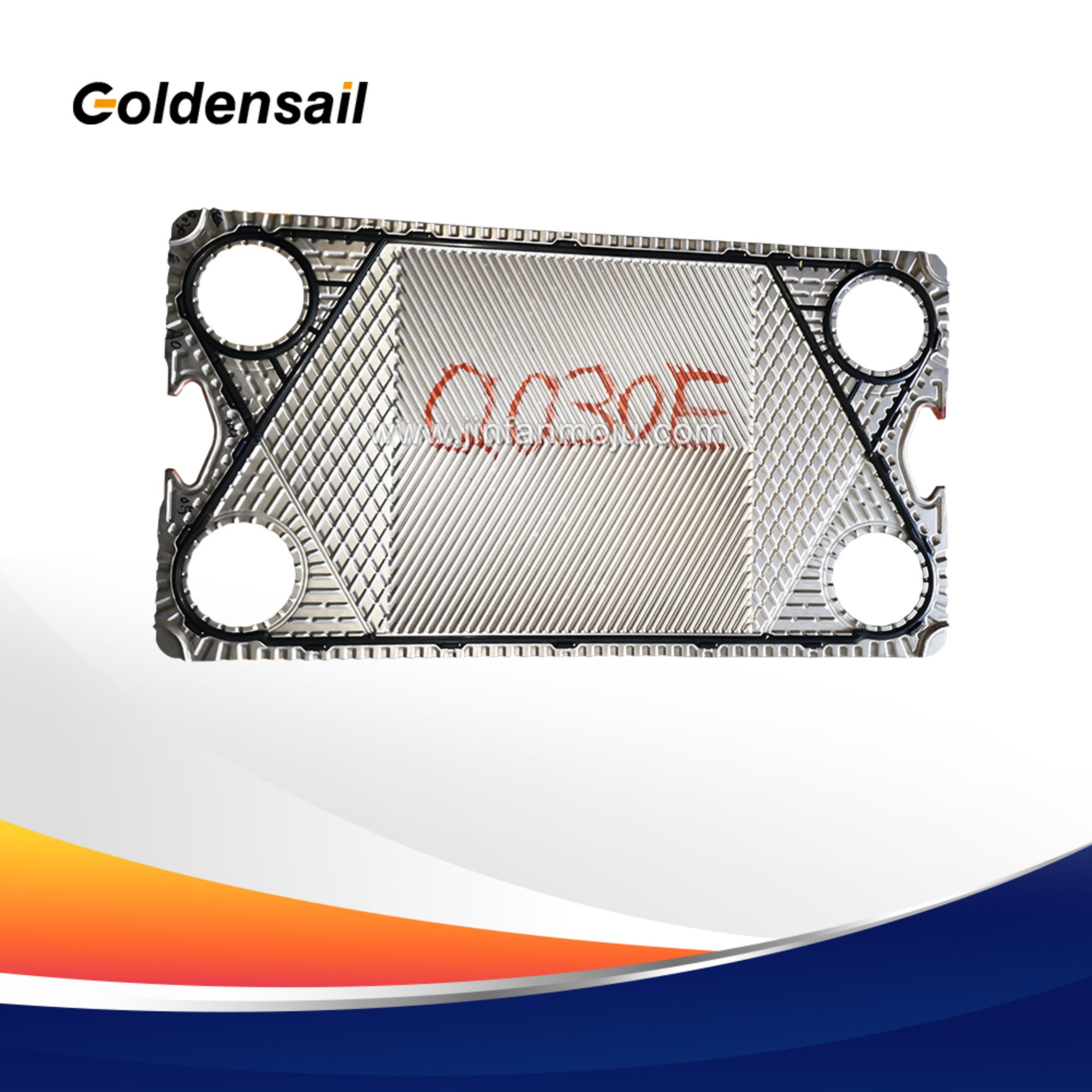
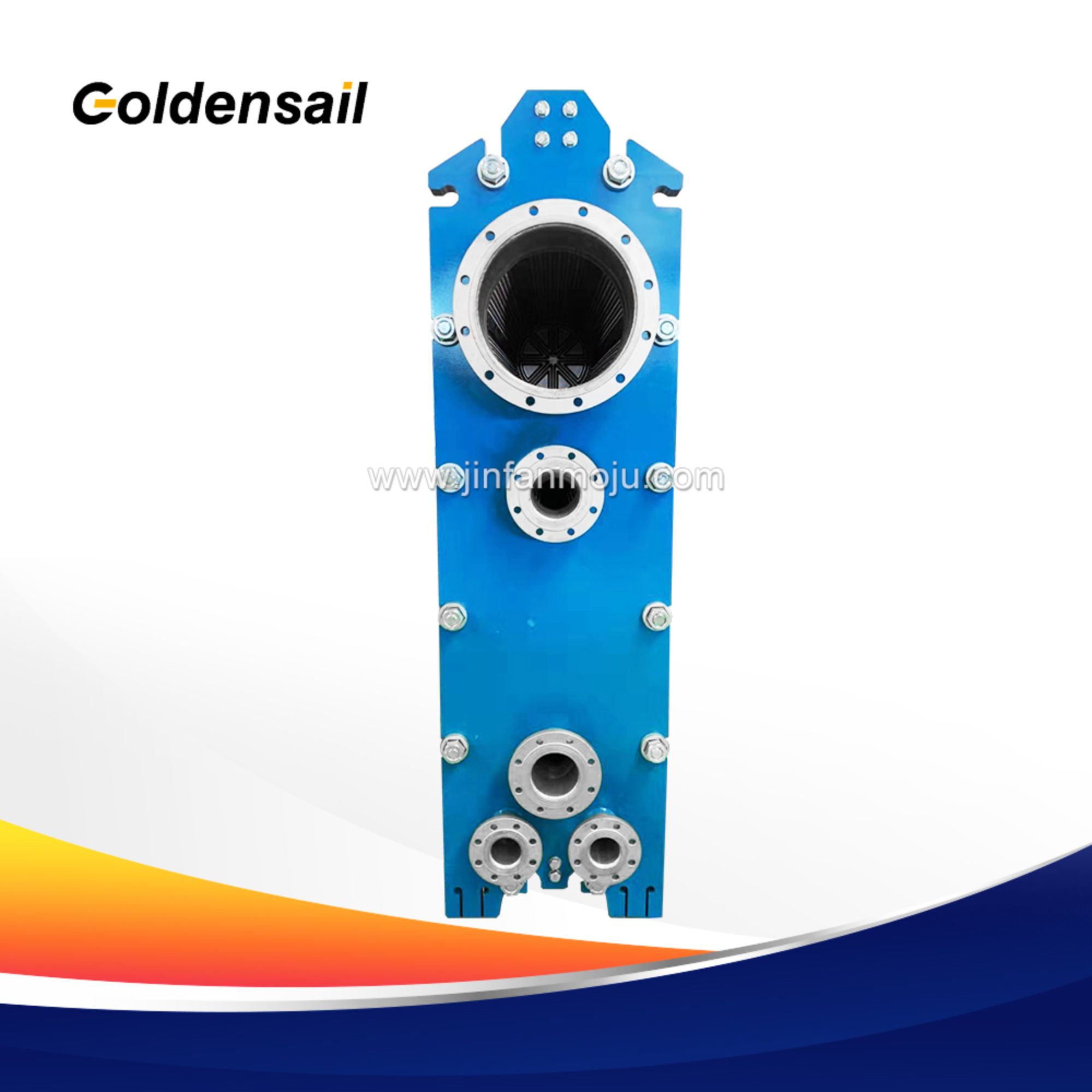
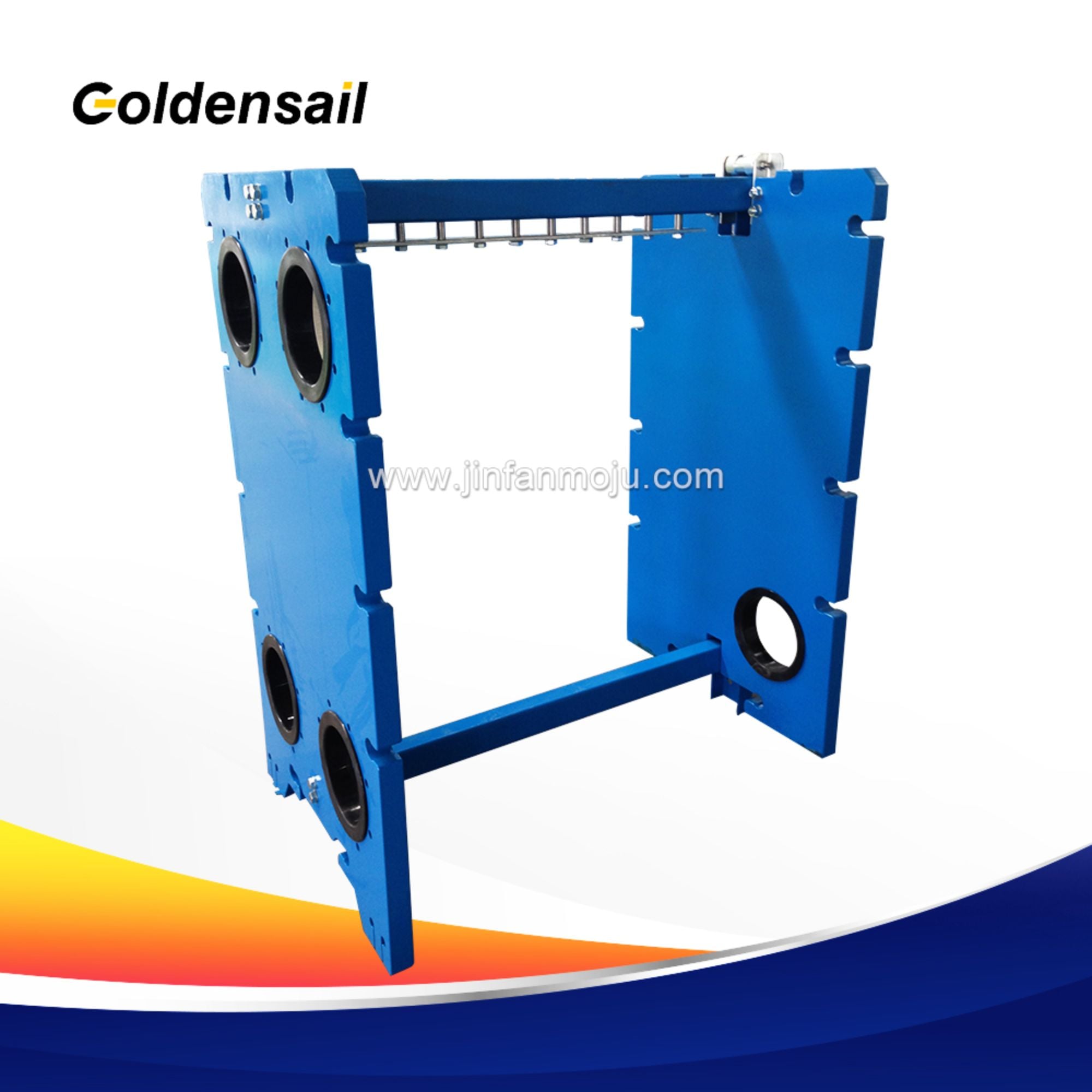
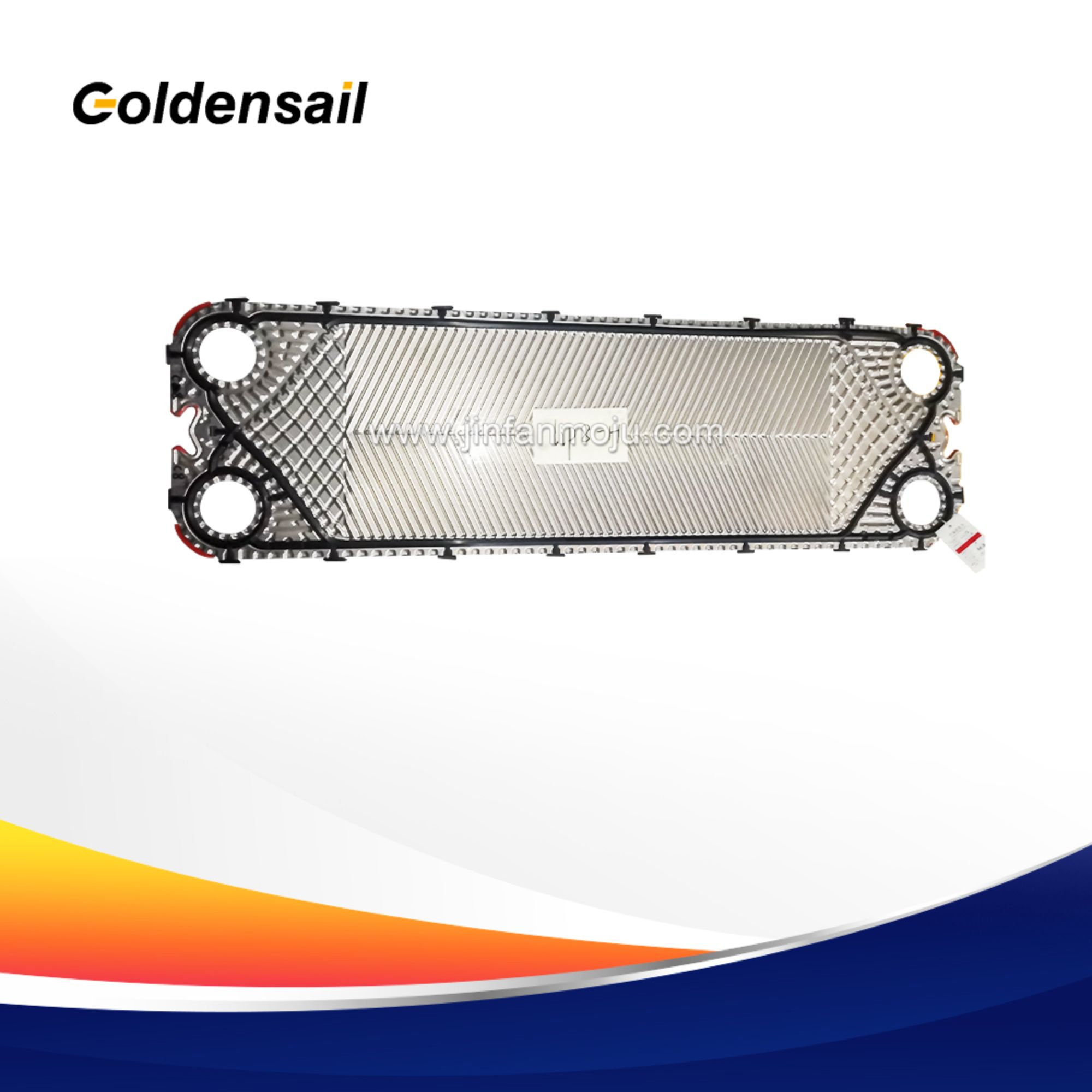
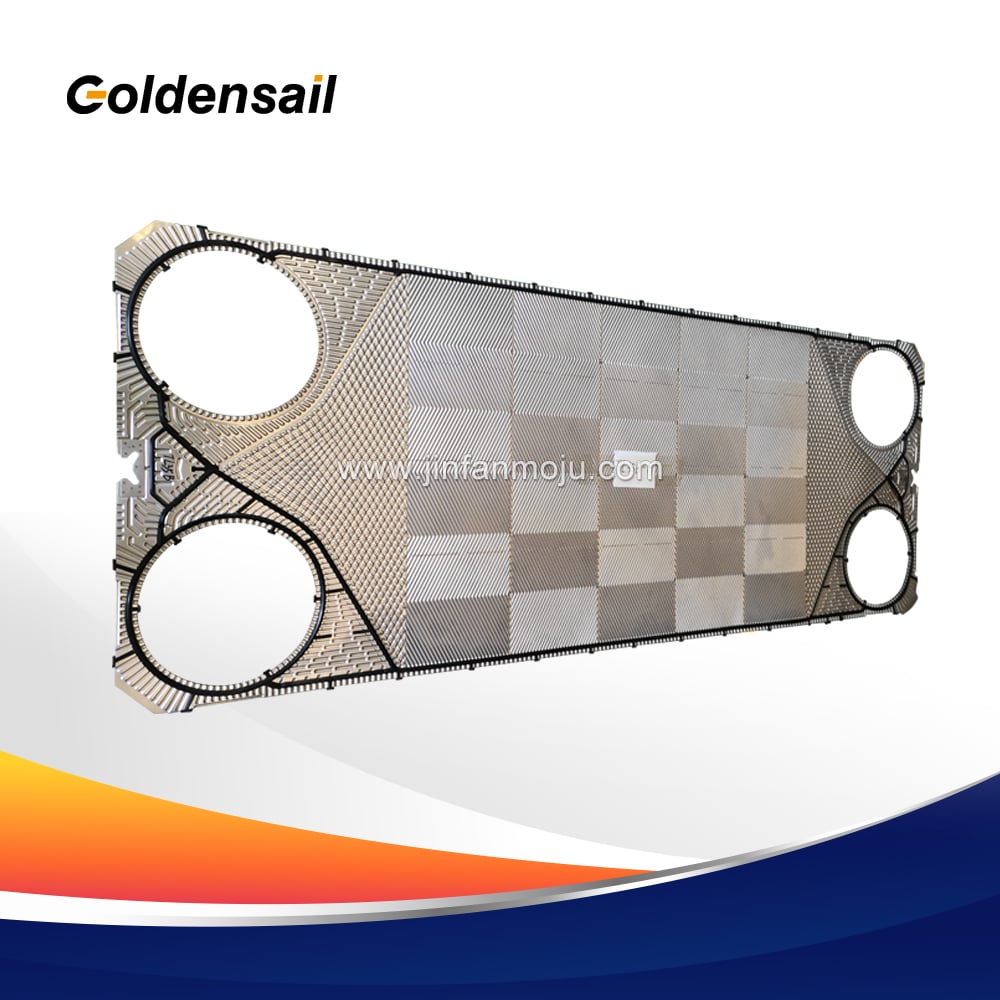
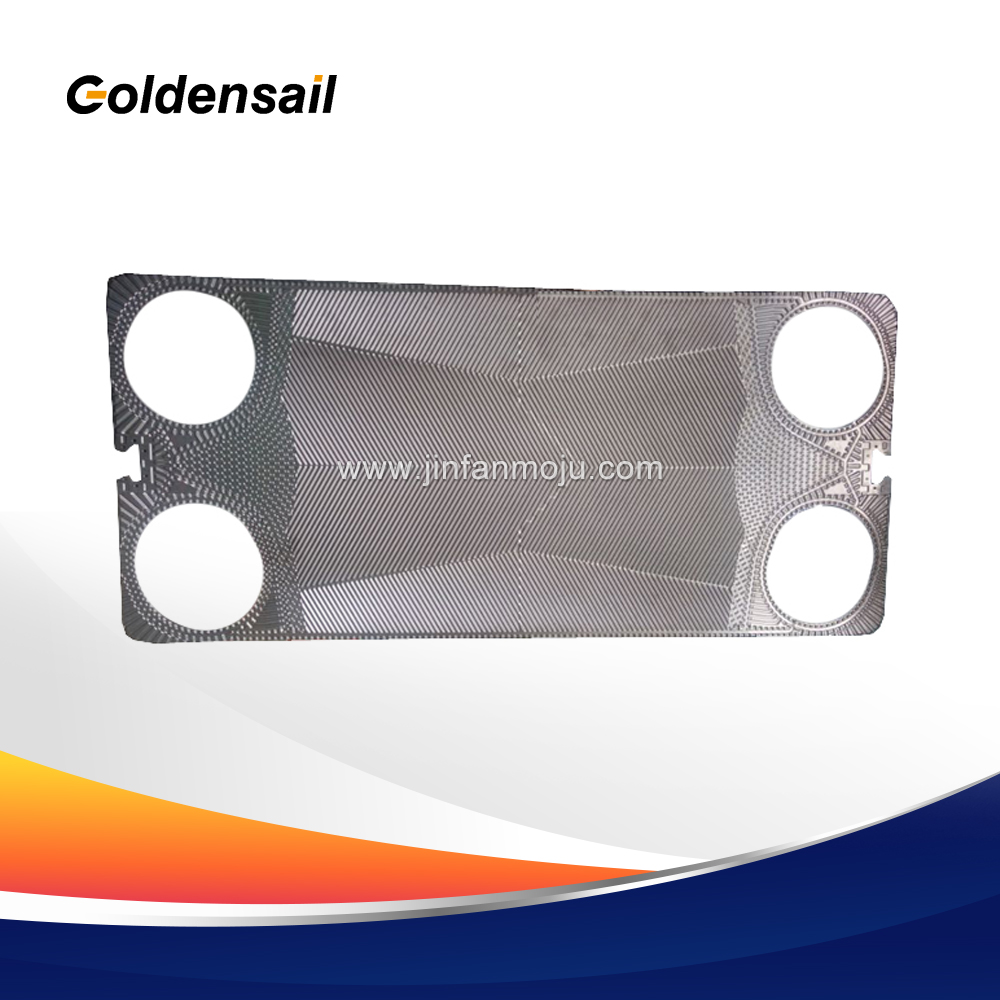
Plate heat exchangers, with their high heat transfer efficiency, compact structure, and flexible configuration, have become the preferred heat exchange equipment in many industrial and civil fields. When selecting a plate heat exchanger, it is necessary first to clarify the operating parameters: temperature, pressure, medium cleanliness and corrosiveness, allowable pressure drop, space limitations, maintenance requirements, etc.
| Feature | Specific Requirements & Advantages |
|---|---|
| High Heat Transfer Efficiency | Achieve greater heat transfer with a smaller heat exchange area, helping reduce operating energy consumption and improve thermal efficiency. |
| Limited Installation Space | Suitable for machine rooms, ship cabins, and compact equipment areas where large shell-and-tube heat exchangers cannot be installed. |
| Precise Temperature Control | Maintain outlet temperature fluctuations within ±1°C, ideal for sterilization systems, chemical reactions, and sensitive process control. |
| Clean Working Media | Best suited for fluids without large particles (>3mm), fibrous substances, or severe fouling tendencies. |
| Frequent Maintenance & Cleaning | Particularly suitable for food and pharmaceutical industries requiring regular disassembly and hygienic cleaning. |
| Limited Investment Budget | Lower initial procurement cost compared with many traditional heat exchanger types under the same heat transfer requirements. |
| Adjustable Heat Transfer Area | Flexible structure allows adding or removing plates later to meet changing operating loads and future capacity expansion needs. |
In residential and commercial building energy systems, plate heat exchangers are almost standard equipment.
Transfers heat between municipal primary water and secondary heating systems while providing pressure isolation and temperature control.
Used as evaporators and condensers for efficient heat exchange in compact HVAC machine rooms.
Quickly heats water for bathing and washing, compatible with boilers and solar heating systems.
Reasons for Application: Moderate temperature and pressure (≤1.6MPa, ≤130℃), high efficiency, reduces water pump power consumption, and easy disassembly and cleaning.
These industries have stringent hygiene requirements (CIP cleaning, no dead corners) for all surfaces flowing through the equipment, which plate heat exchangers can fully meet.
Used in milk, beer, and juice production with heat recovery efficiency exceeding 90%.
Suitable for pharmaceutical heating and cooling systems using hygienic 316L stainless steel plates.
Precisely controls fermentation temperature to ensure stable bacterial activity and consistent product quality.
Reasons for application: Completely disassembled for mechanical cleaning, with a smooth, dead-angle-free surface, complying with GMP and food hygiene regulations; high heat exchange efficiency shortens sterilization time and preserves flavor.
Although high-temperature and high-pressure conditions exist in the chemical industry, plate heat exchangers are gradually replacing traditional shell-and-tube heat exchangers in numerous medium- and low-temperature, medium- and low-pressure processes.
External circulation heat exchangers reduce temperature fluctuations from ±5°C to ±1°C, improving reaction efficiency.
Used for condensation and reboiling in distillation columns, reducing cooling water usage and installation space.
Recovers heat from high-temperature condensate to preheat feed streams and reduce steam consumption.
Reasons for application: High heat transfer coefficient (up to 3000~6000 W/(m²·K)), enabling pure countercurrent heat exchange with minimal temperature difference; a wide range of plate materials resistant to organic solvent corrosion (such as Hastelloy and titanium).
These industries generate large amounts of oil, water, or gas requiring cooling, and also have significant waste heat that can be recovered.
Efficient cooling for hydraulic oil, lubricating oil, and transformer oil with low pressure loss.
Used in intercoolers and water coolers for compressors and diesel generator systems with compact installation.
Recovers waste heat from boiler flue gas to preheat feedwater, improving boiler efficiency by 3%–8%.
Reasons for application: Effective for medium to low viscosity oils; fully welded plate heat exchangers can withstand high temperatures and slight corrosion on the flue gas side; small footprint, easy to install in existing plant buildings.
Marine equipment is extremely sensitive to size and weight, making plate heat exchangers a significant advantage.
Uses seawater to cool freshwater circulation systems, protecting onboard equipment from seawater corrosion.
Installed near marine engines with a compact structure for easy maintenance and cleaning.
Utilizes engine waste heat to preheat seawater and improve freshwater production efficiency.
Reasons for application: For the same heat exchange capacity, plate heat exchangers weigh only 1/3 to 1/5 of shell-and-tube heat exchangers; titanium plates can be used to resist seawater corrosion; the gasketed structure facilitates regular cleaning of marine organisms.
Provides precise temperature control for PEM fuel cells with compact size and fast thermal response.
Uses treated wastewater as a heat source or sink for efficient building heating and cooling systems.
Transfers server heat from dielectric cooling fluid to external cooling water systems efficiently.
In applications requiring low to medium pressure and temperature, clean media, and high efficiency, compactness, and precise temperature control, plate heat exchangers are almost always the most technically and economically optimal solution. From district heating to food sterilization, from ship cooling to hydrogen thermal management, correctly identifying "when to use" is the first step to successful heat exchanger selection.
In actual projects, it is recommended to fully communicate process parameters (flow rate, temperature, physical properties, allowable pressure drop) with the heat exchanger manufacturer. Our heat exchange engineers will use professional selection software to calculate the most suitable plate type, material and flow channel combination to maximize the value of the plate heat exchanger.
Get in touch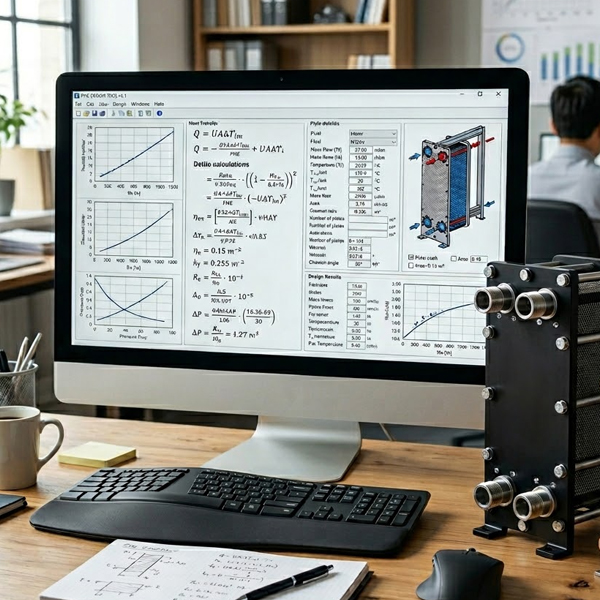

 EN
EN
 AR
AR
 FR
FR
 DE
DE
 PT
PT
 RU
RU