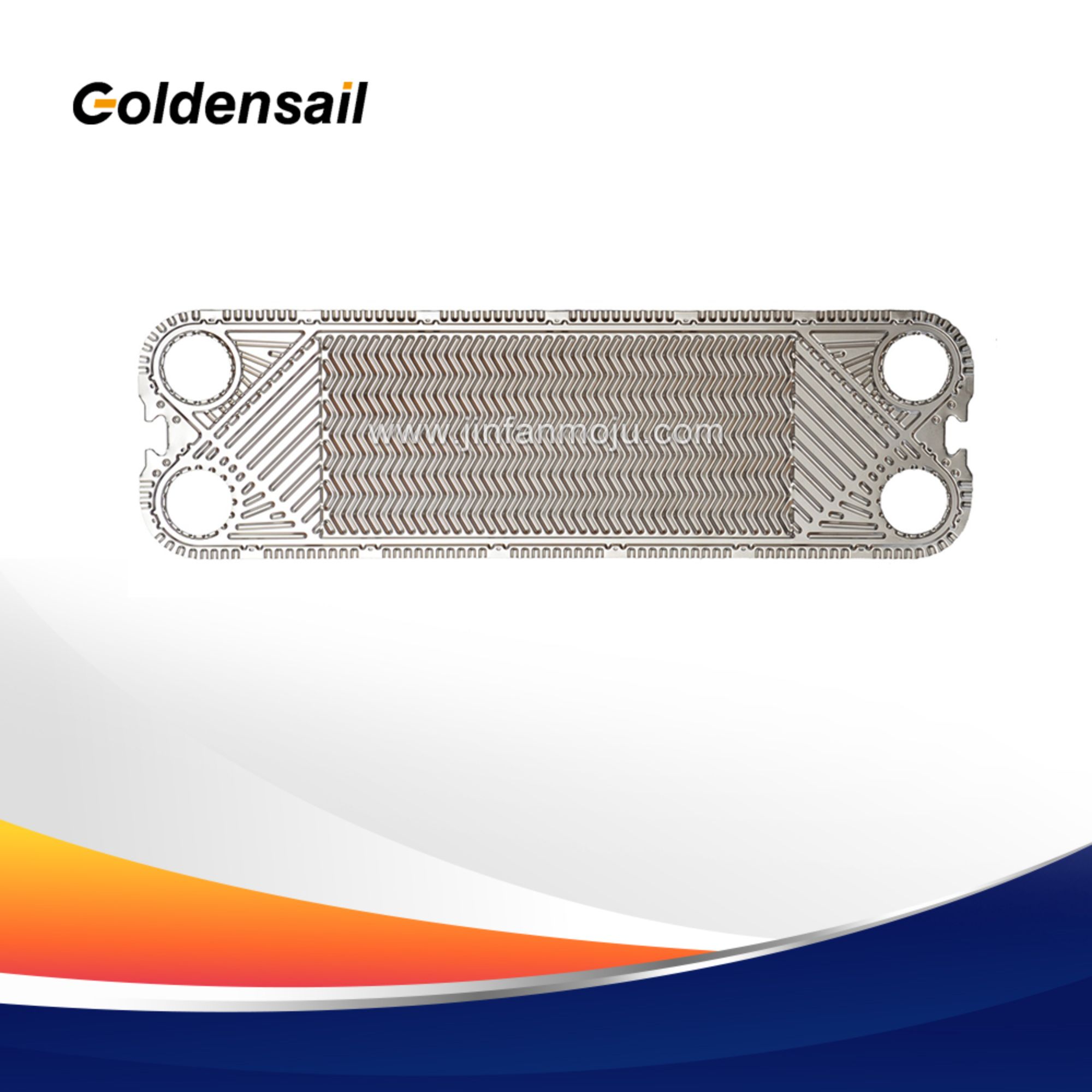
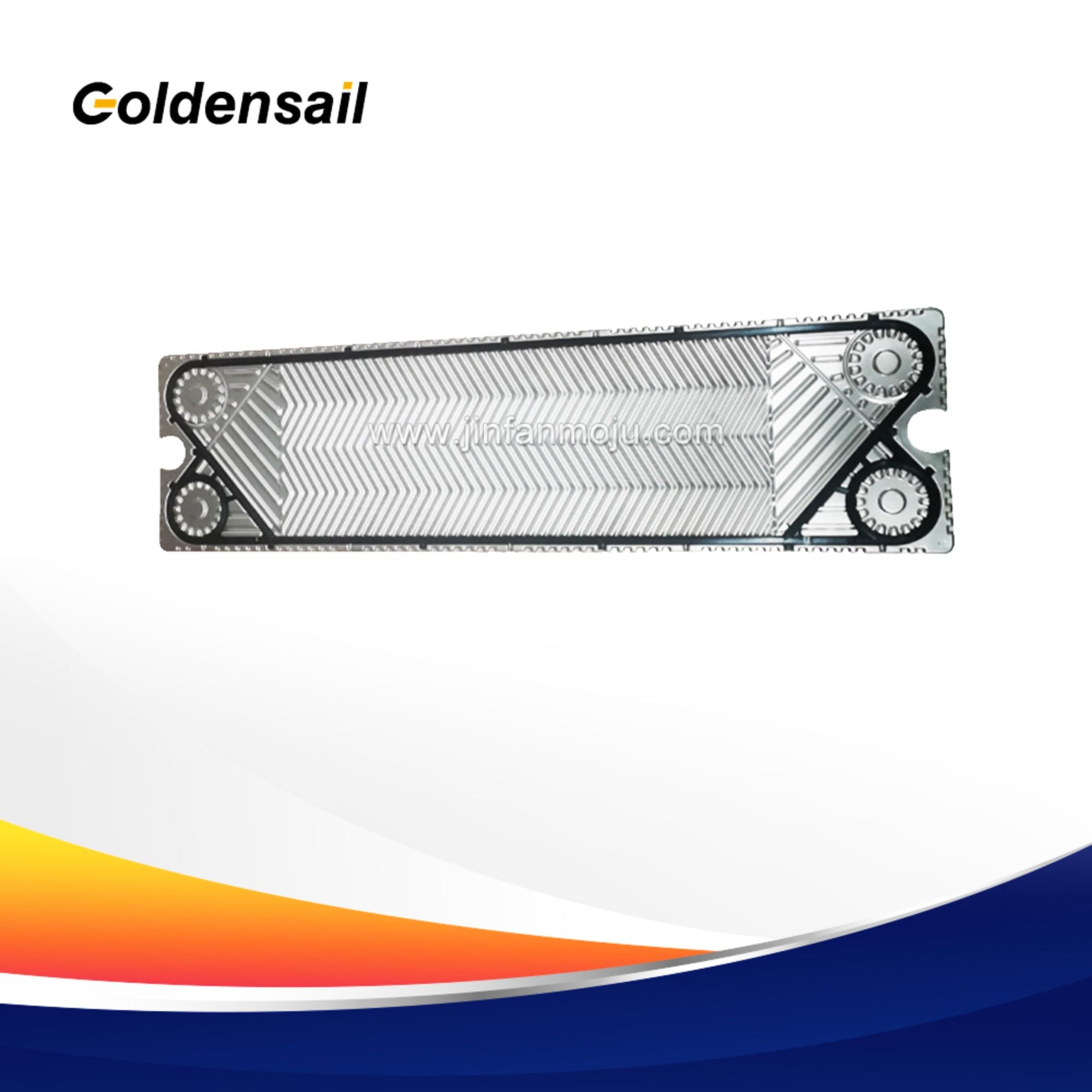
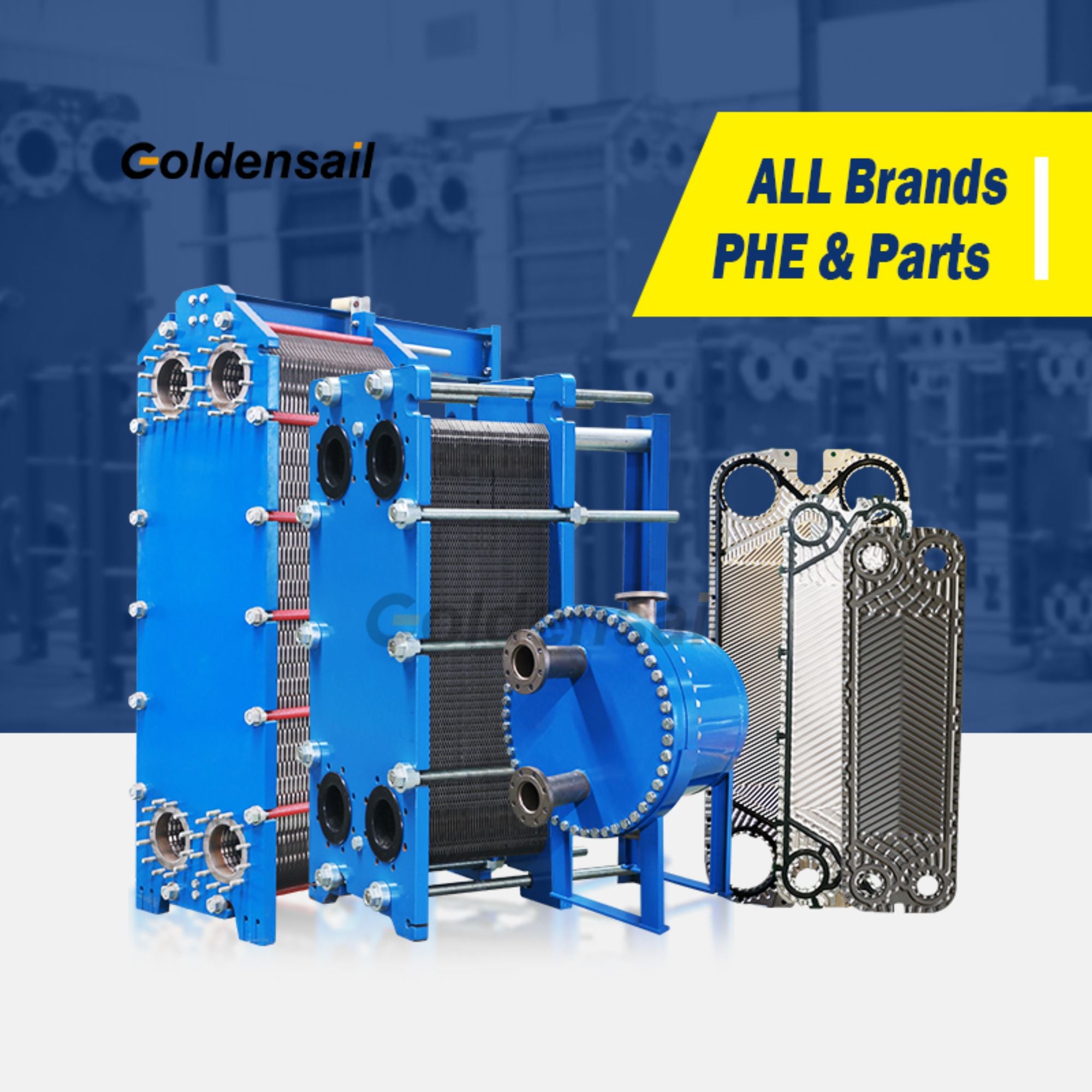
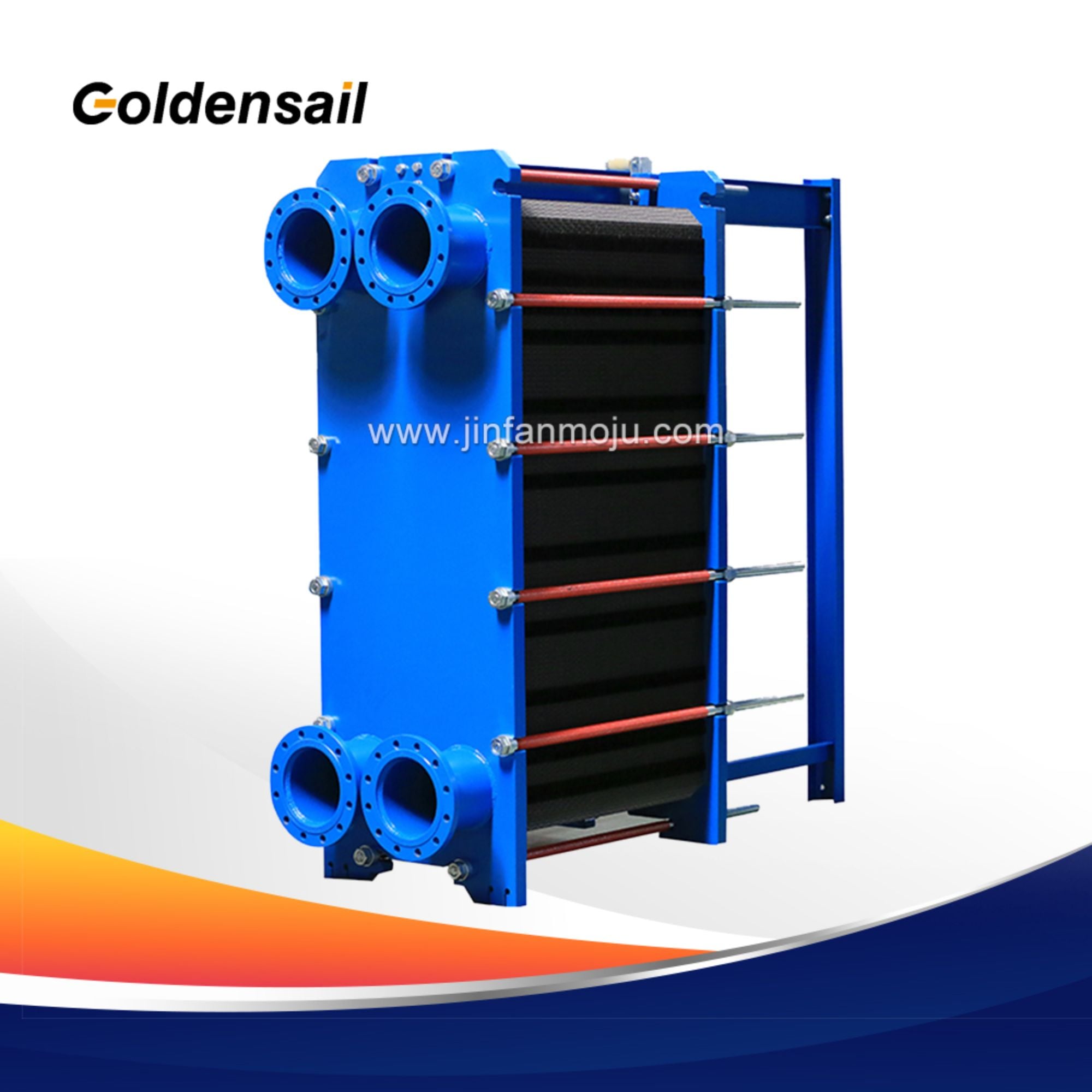
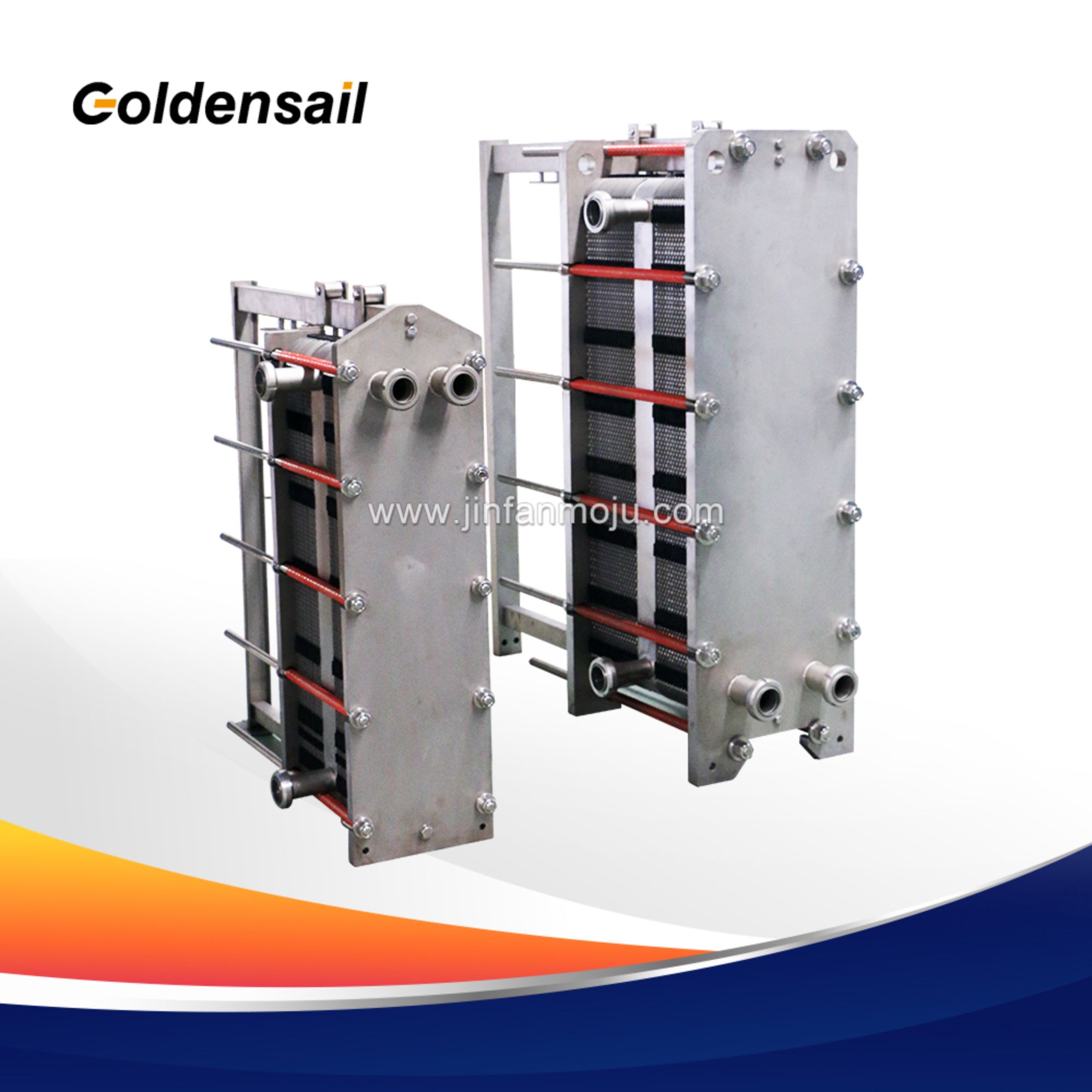
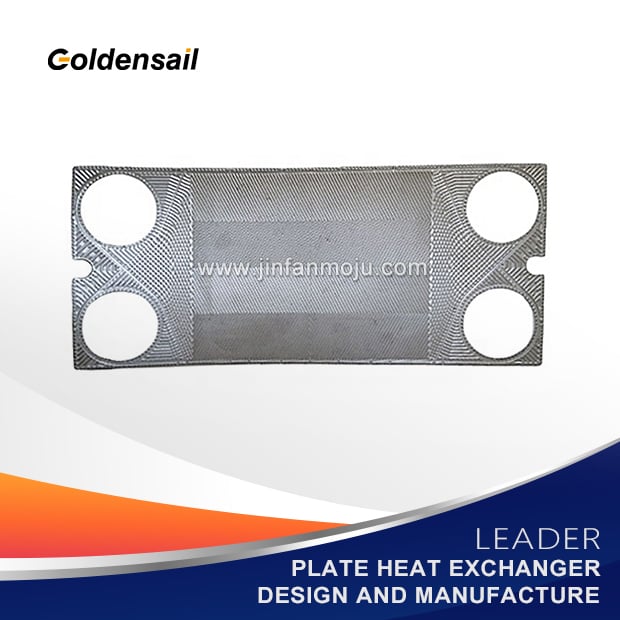
In recent years, with the continuous improvement of global industrial energy efficiency standards, a steel plant in Serbia has undergone a profound energy technology transformation, and the introduction of fully welded plate heat exchangers is a key part of this transformation.
Get in touch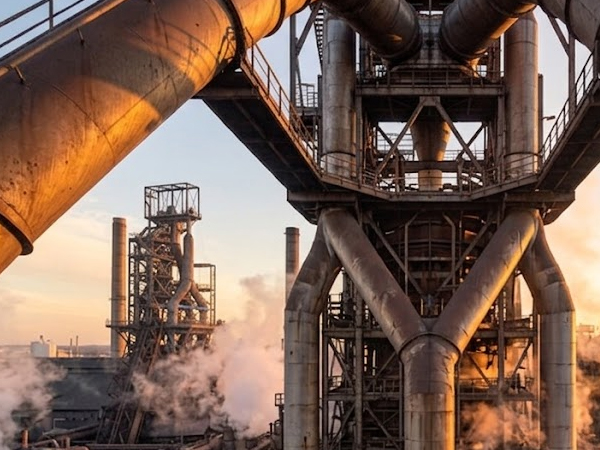
Northern Serbia experiences hot and humid summers. Before the renovation, the steel plant's heat exchange system mainly consisted of traditional shell-and-tube heat exchangers. The heat exchange efficiency of these existing heat exchangers further declined due to the combined effects of high temperatures and rising cooling water temperatures. From an industrial environmental perspective, the high-temperature, dusty flue gas generated in the steel plant's sintering and ironmaking processes has always been a challenge to treat, and traditional equipment is prone to clogging. Furthermore, as a candidate country for EU membership, Serbia has recently passed a series of climate regulations, including the Greenhouse Gas Emissions Tax Law, which taxes high-carbon-emitting industries such as steel and metallurgy and promotes the transformation of enterprises to low-carbon operations. For the steel plant to establish itself in the European market, it must significantly improve energy efficiency and reduce carbon emissions.
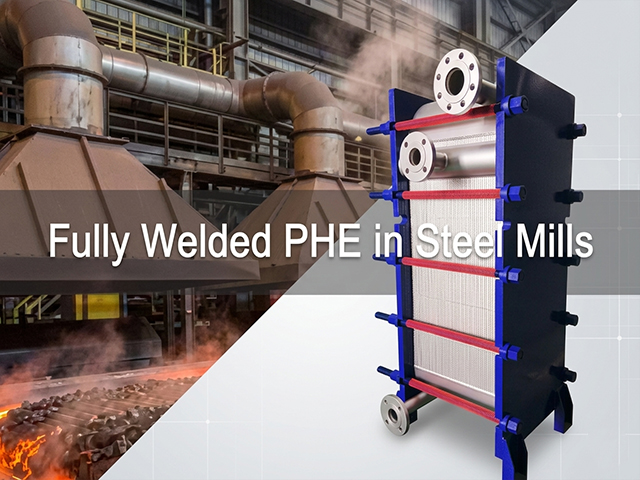
In this comprehensive renovation project, Fully Welded Plate Heat Exchangers were precisely deployed in core heat exchange stages such as waste heat recovery and combustion air preheating. Compared with traditional shell-and-tube heat exchangers, they offer the following advantages:
2.1 Robust Structure, No Leakage Risk
The fully welded plate heat exchanger is constructed from stainless steel plates through full welding, eliminating the leakage risks caused by aging and deformation under high temperature and pressure, as seen in traditional gasketed heat exchangers. This makes it particularly suitable for the continuous production needs of steel plants with high operating rates and long operating cycles.
2.2 High Heat Transfer Efficiency, Small Footprint
For the same heat transfer capacity, the volume of the fully welded plate heat exchanger is only 1/3 to 1/5 of that of the traditional shell-and-tube type, while its heat transfer coefficient can reach 3 to 5 times that of the latter, and the heat transfer area per unit volume can reach 250 to 500 m²/m³.
2.3 High Temperature and High Pressure Resistance, Less Prone to Clogging
Unlike traditional detachable plate heat exchangers that are susceptible to clogging, the fully welded plate heat exchanger combines the pressure and temperature resistance of shell-and-tube exchangers with the high-efficiency heat transfer properties of plate exchangers. It can stably handle complex media such as dusty flue gas and high-temperature exhaust gas, and improve heat recovery efficiency by 15%~30%.
After the fully welded plate heat exchanger equipment was put into operation and ran stably, the energy utilization system saw tangible improvements in both data and benefits. According to on-site calculations and process records:
3.1 Significantly Improved Waste Heat Recovery
The steel plant deployed fully welded plate heat exchangers in the sintering process and heating furnace exhaust system for preheating combustion air. This significantly increased the combustion air temperature, reduced furnace fuel consumption, and saved energy equivalent to approximately 2,200 tons of standard coal annually.
3.2 Cooling Capacity Upgrade
In the cooling system of the continuous casting steelmaking process, the original shell-and-tube equipment suffered from excessive scaling and thermal resistance in the tube bundles, leading to excessively high process water temperatures, especially hindering production capacity during the high-temperature summer months. The turbulence design of the all-welded plate heat exchanger effectively inhibits scale accumulation, ensuring that the process cooling water temperature remains stable within the design parameters year-round, guaranteeing stable full-load operation of the production line.
3.3 Outstanding Emission Reduction Results
The aforementioned comprehensive energy efficiency improvement can reduce CO₂ emissions by approximately 5,800 tons annually for the steel plant. This achievement not only enables HBIS Serbia Steel to achieve a comprehensive upgrade in energy conservation and green manufacturing, reaching leading European industrial levels, but also gives it a competitive edge in successfully coping with Serbia's carbon tax mechanism to be implemented from 2026.
3.4 Significantly Reduced Operation and Maintenance Costs
The all-welded structure completely eliminates the hassle of gasket replacement and frequent leak repairs. Compared to the frequent tube bundle maintenance and shutdowns required for shell-and-tube heat exchangers in the past, the new equipment features an all-welded structure with a design life of over 15 years, significantly extending maintenance intervals and reducing labor and spare parts costs.
Against the backdrop of Serbia's active alignment with the EU's European Green Deal and the Carbon Border Adjustment Mechanism (CBAM), all-welded plate heat exchangers and the compact, high-efficiency heat exchange technology they represent are expected to unleash their potential in a wider range of fields, leading the Balkan region's industrial energy system towards a deeper level of green transformation.
 EN
EN
 AR
AR
 FR
FR
 DE
DE
 PT
PT
 RU
RU