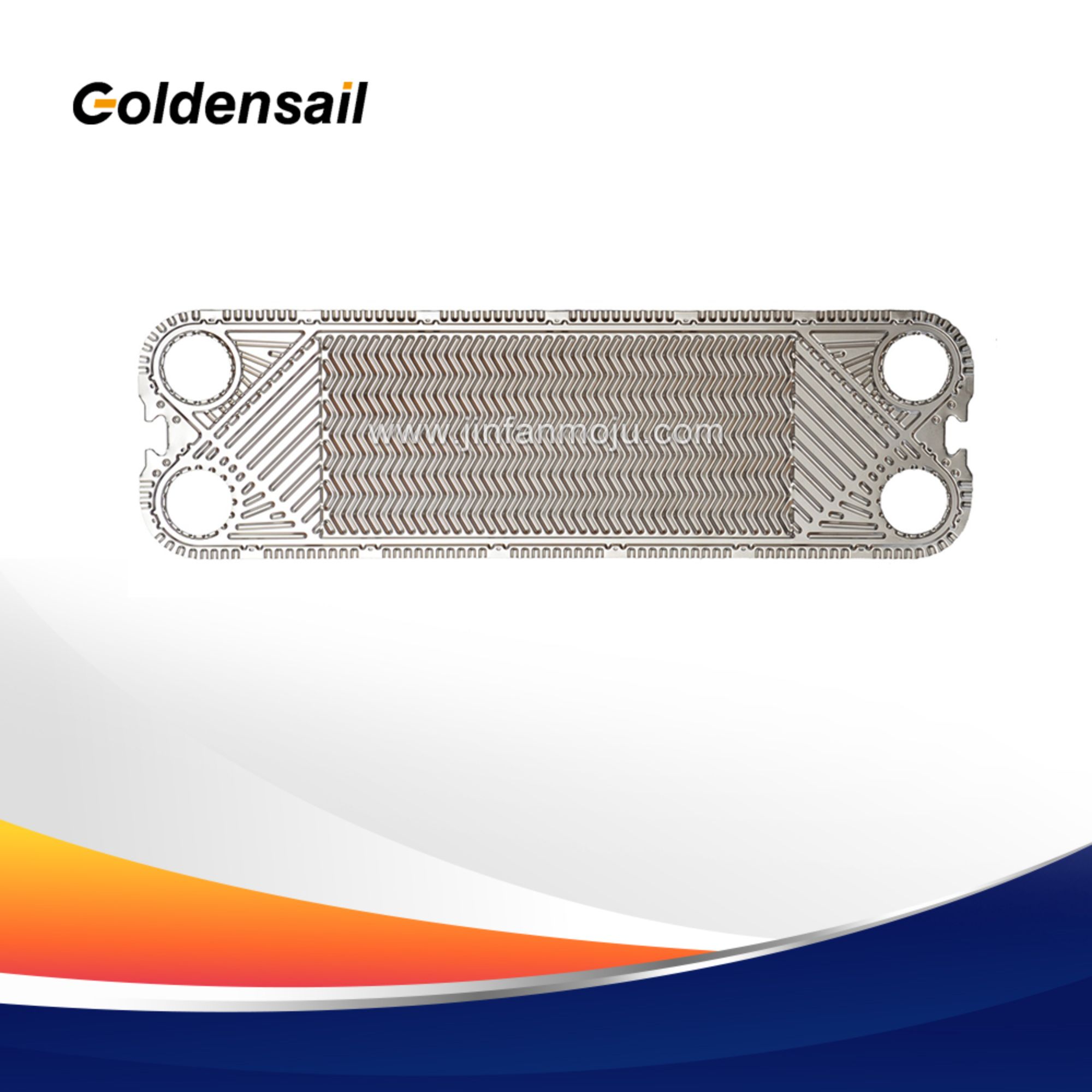
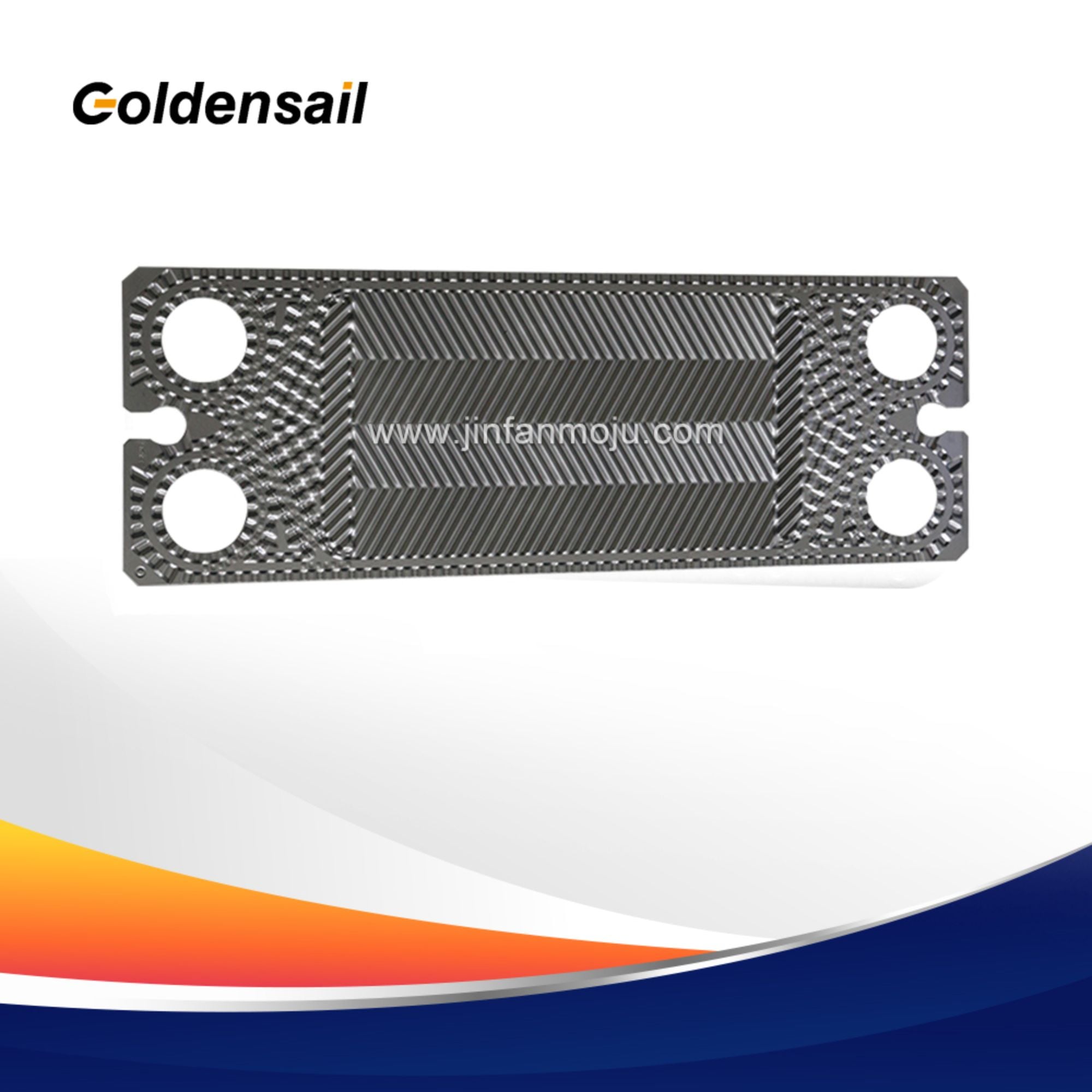
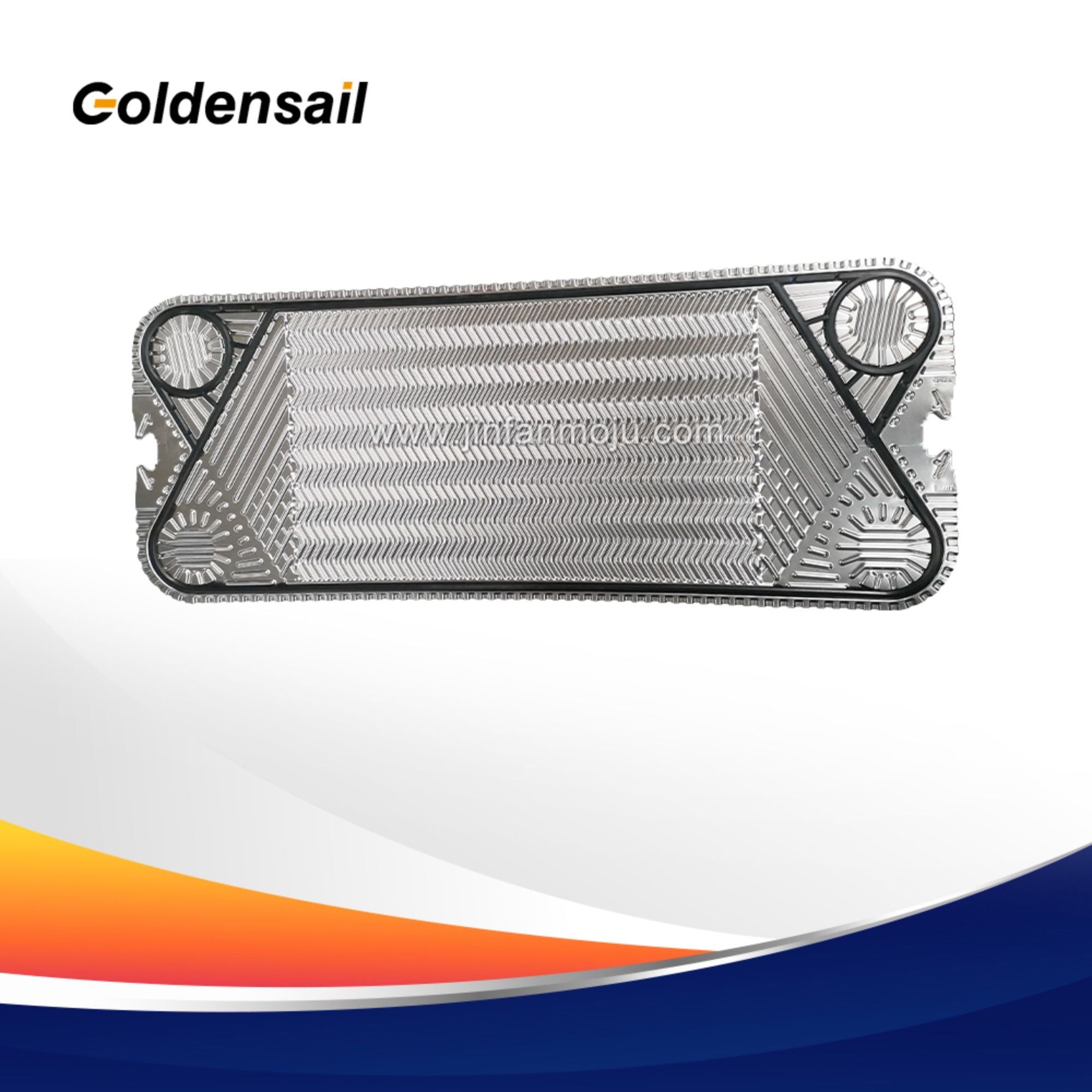
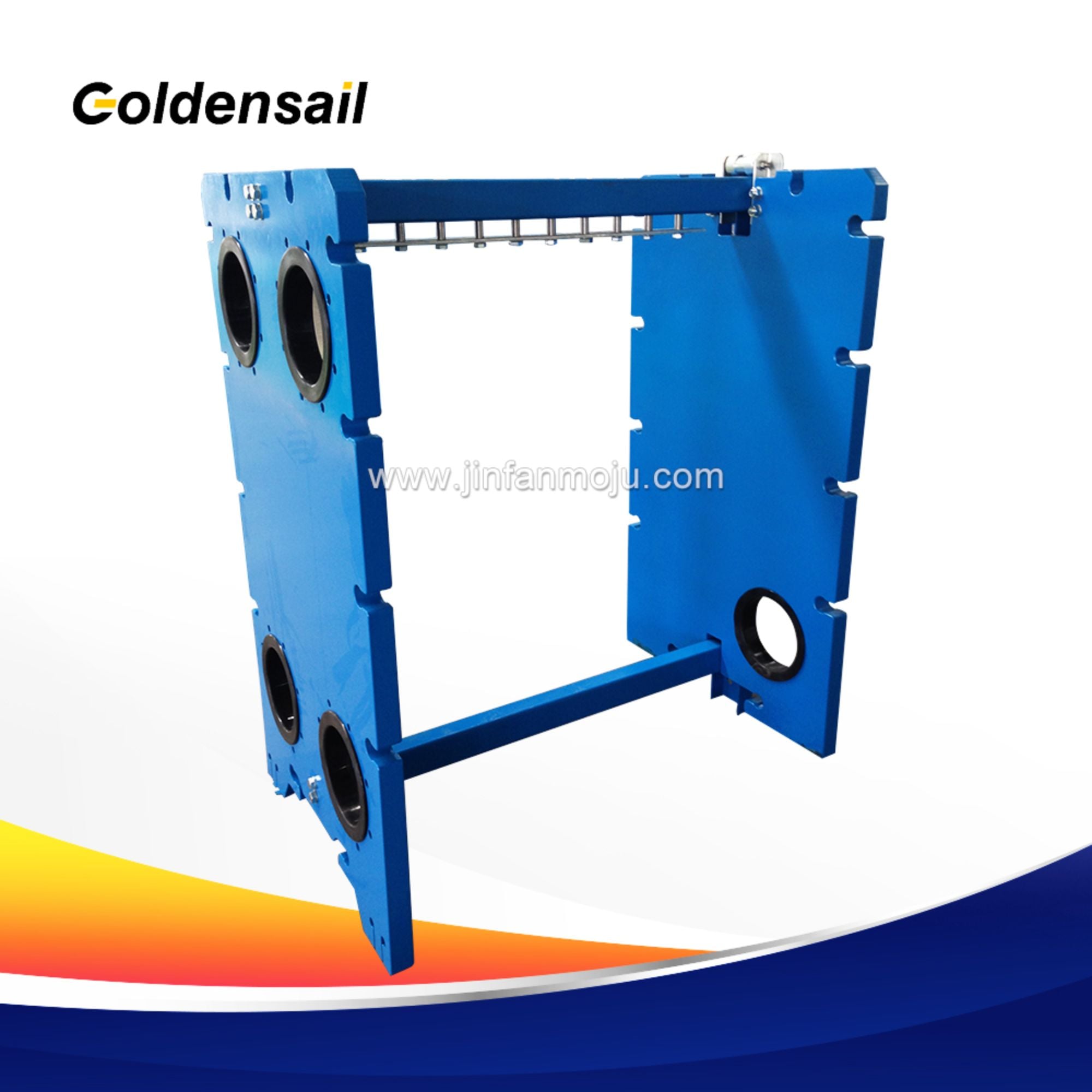
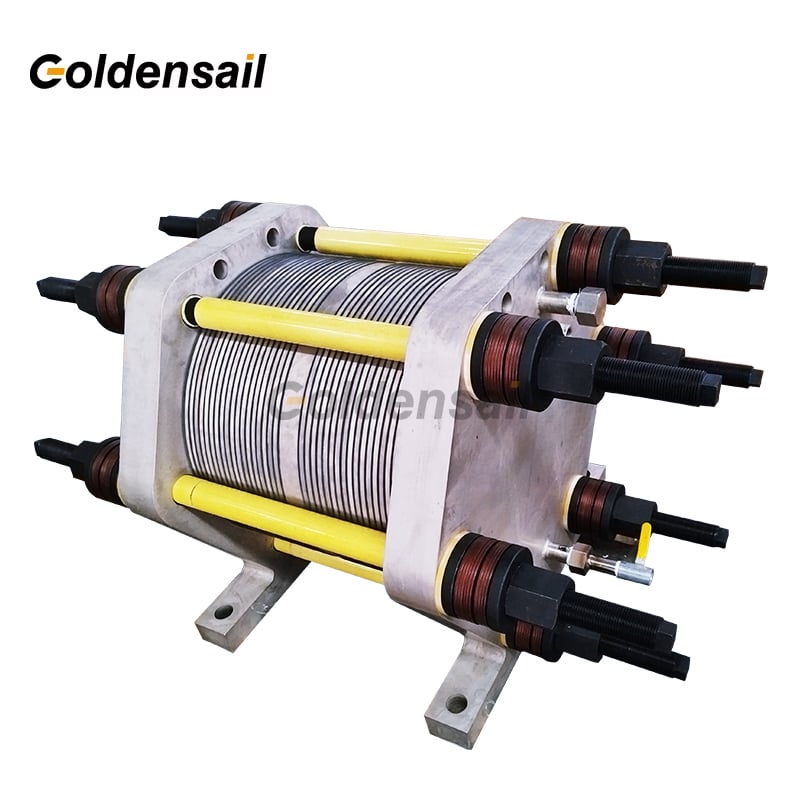
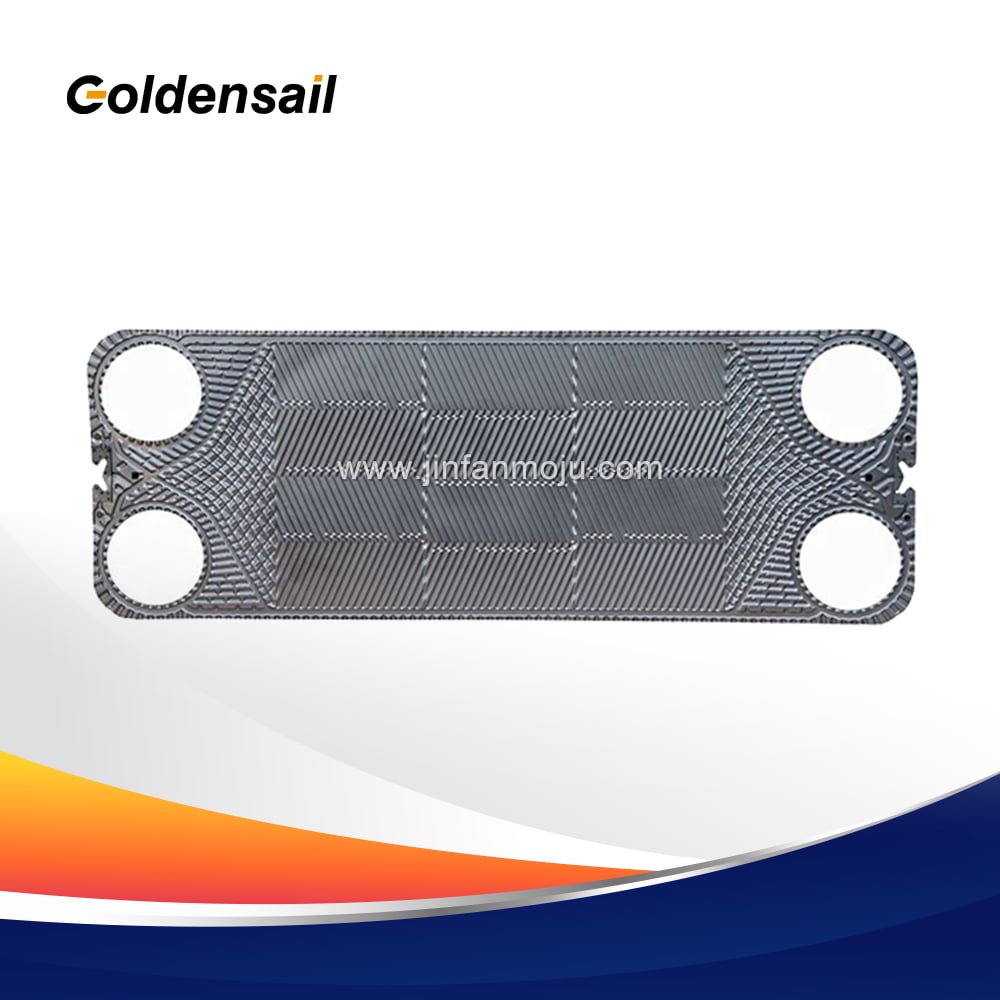
From initial product selection and site layout to external piping connections and internal plate and gasket assembly, every step of plate heat exchanger installation involves critical points requiring strict control. Many people mistakenly believe that only "internal assembly" constitutes true installation work, considering product selection, piping configuration, and hoisting as "preliminary preparation," thus relaxing their requirements. In fact, from verifying the parameters on the first design drawing to the final tightening of the last clamping bolt, every step directly affects the long-term operational stability, heat exchange efficiency, and service life of the equipment.
1.1 Inappropriate Selection
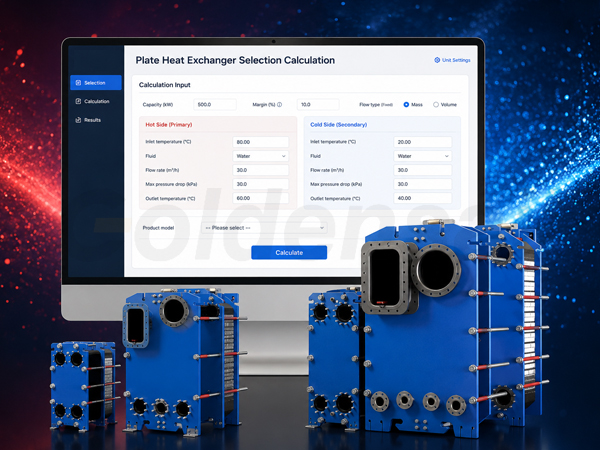
If the specifications of the plate heat exchanger (such as heat exchange area and plate material) are mismatched with the system load and fluid characteristics, it will directly lead to substandard heat exchange performance or equipment corrosion and premature failure.
1.2 Inadequate Foundation
Installing the equipment on a non-level or insufficiently strong foundation will cause frame distortion, damage gasket seals, and leakage.
1.3 Insufficient Maintenance Space
Failure to reserve sufficient maintenance space around the equipment as specified (generally, a space of more than 1 meter is recommended) will create unimaginable difficulties for subsequent maintenance, disassembly, and cleaning.
2.1 Forced Connection
This is one of the most common installation errors. If there is a misalignment between the pipe and the heat exchanger interface, forcibly welding or tightening with bolts will generate enormous stress, ultimately leading to plate deformation or gasket extrusion.
2.2 Inadequate Pipeline Cleaning
If welding slag, iron filings, and other debris are not promptly removed from new pipelines, they can easily clog narrow flow channels or scratch delicate plate sealing surfaces.
2.3 Reversed Medium Flow Direction
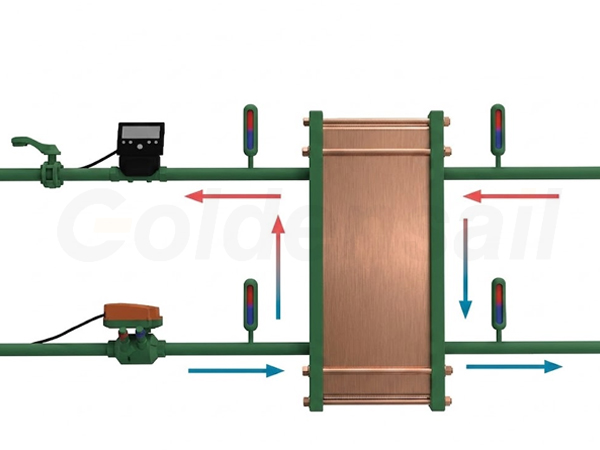
Incorrectly connecting the inlet and outlet directions of hot and cold media not only leads to abnormal outlet water temperatures but also severely disrupts the "counter-current" heat exchange mode upon which plate heat exchangers rely for efficient operation, resulting in a significant reduction in heat exchange efficiency.
2.4 Incorrect Configuration of Critical Valves
The absence of a filter upstream of the heat exchanger exposes the equipment to the risk of long-term contamination; the lack of an air vent valve at the highest point of the pipeline allows air to form "airlock," hindering heat exchange; the absence of a drain valve at the lowest point prevents the drainage of accumulated water, potentially causing the equipment to freeze and crack in winter; and the installation of fast-opening and closing valves such as solenoid valves at the equipment inlet and outlet can easily generate a "water hammer" effect when the valves operate, with the impact force damaging the internal structure of the equipment.
Insufficient Pipe Diameter: If the diameter of the connecting pipes is smaller than the heat exchanger interface, it will cause excessive local resistance and insufficient flow, ultimately resulting in the heating or cooling temperature failing to meet design requirements.
4.1 Incorrect Plate Installation Direction or Sequence
Reversed plates or disordered arrangement (e.g., plates A adjacent to each other) will disrupt the integrity of the internal flow channels, leading to fluid "short-circuiting" or severely uneven distribution.
4.2 Misaligned Plates
Tilted plates or misaligned upper and lower guide grooves during installation will cause uneven stress on the compressed plate assembly, becoming a potential leak point.
4.3 Improper Gasket Installation
Continuing to use aged/damaged gaskets: Taking chances with aged or cracked gaskets is a direct cause of leakage.
4.4 Misaligned Gasket Installation, Not Fully Inserted into the Groove
This will prevent the gasket from effectively sealing under pressure, leading to leakage.
4.5 Contact with Oil or Debris
If oil, dust, or other impurities come into contact with the gaskets or sealing grooves during installation, it will corrode or compress the gaskets, compromising their sealing effect.
5.1 Incorrect Tightening Sequence
Failure to tighten the bolts in a "diagonal, crisscross" sequence will cause the pressure plate to become misaligned, resulting in severely uneven stress on the plate assembly.
5.2 Improper Tightening Torque
Loose bolts will lead to poor sealing and leakage; overtight bolts will damage the gaskets and may even cause irreversible plastic deformation of the plates. Always use a torque wrench and adhere to the torque values specified by the manufacturer.
6.1 Improper Lifting
Directly binding the equipment frame or weak connecting pipes with wire ropes for lifting will cause frame deformation or pipe damage. Specialized lifting tools must be used, and the stress point must be located on the designated lifting lugs on the equipment.
6.2 Rough Handling and Impact
Rough handling or dragging the panels on the ground may damage their edges, sealing surfaces, or cause the corrugations to collapse. Handle with care during operation.

 EN
EN
 AR
AR
 FR
FR
 DE
DE
 PT
PT
 RU
RU