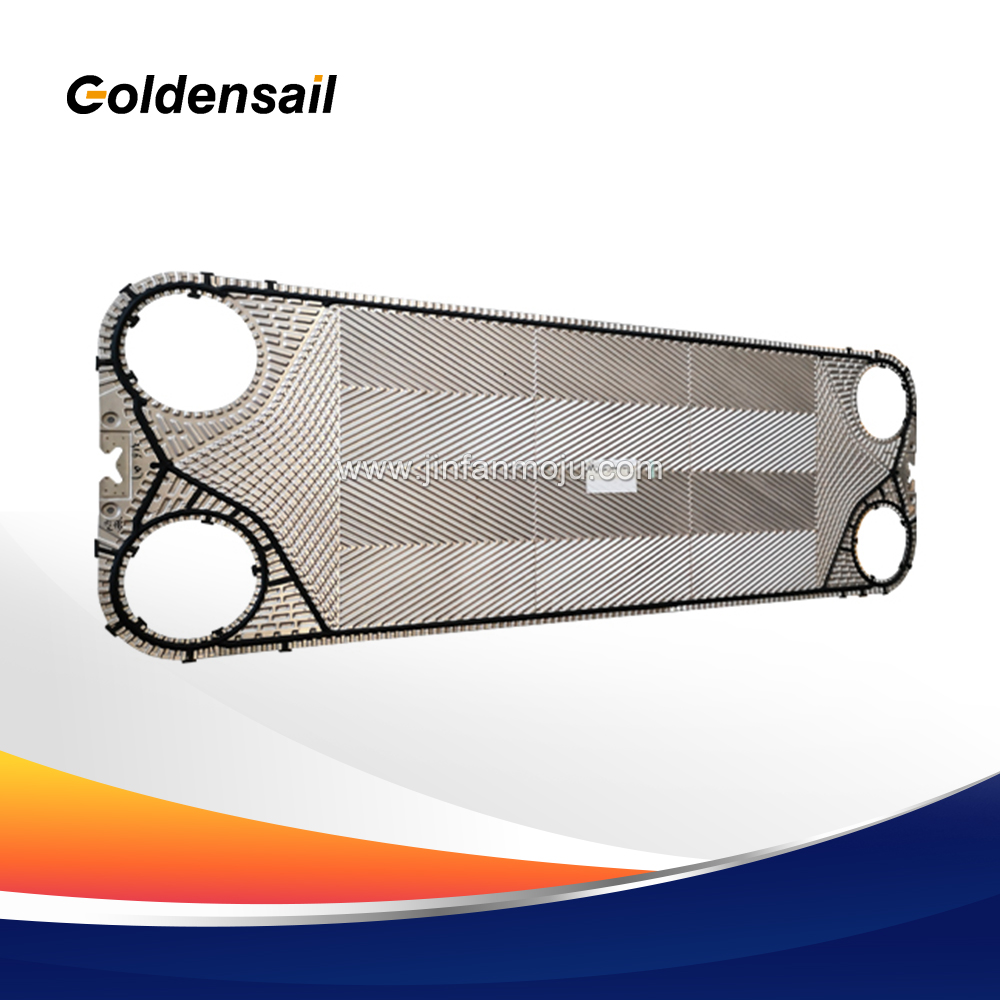
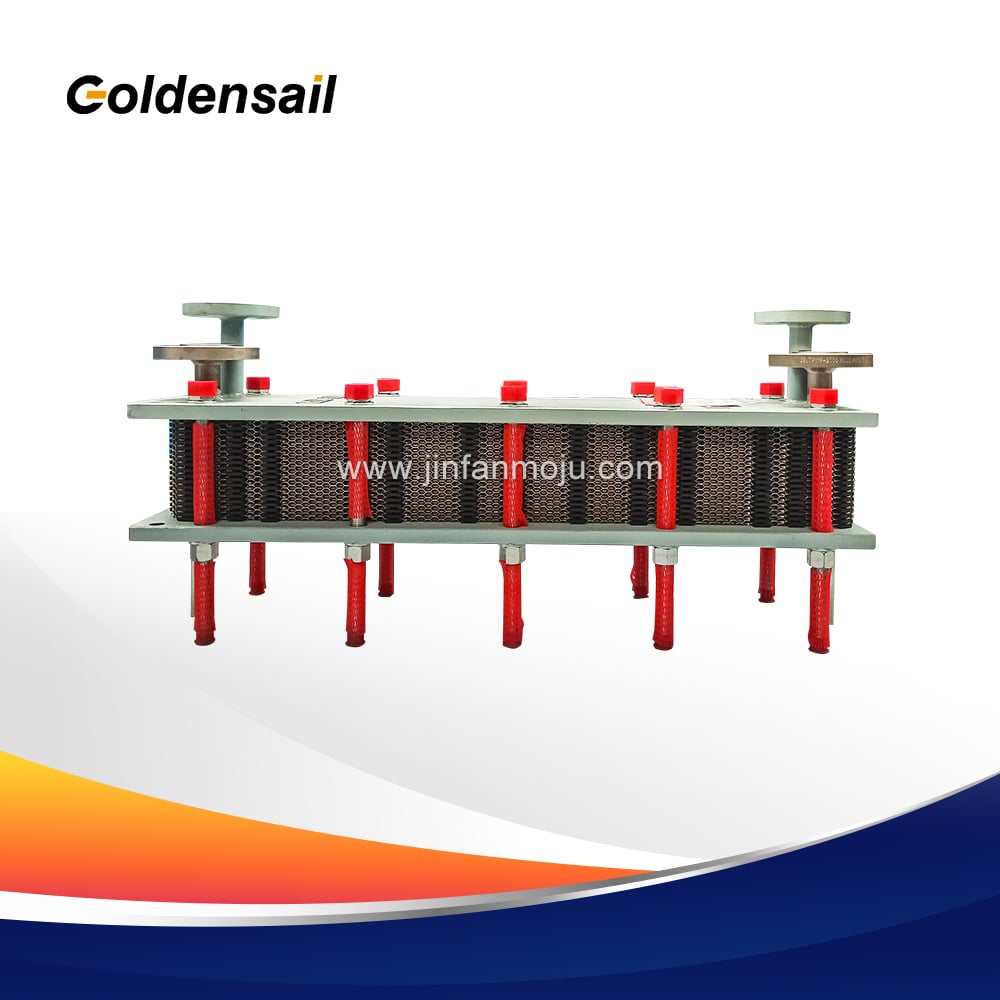
The Alkaline Electrolyzer uses an alkaline solution as the electrolyte to decompose water into hydrogen and oxygen using direct current.
Electrolyte: a 20%-30% (w/w) potassium hydroxide (KOH) solution is used to provide an alkaline environment for ion transport.
Diaphragm: A porous membrane exists between the cathode and anode. Its function is to block the mixing of hydrogen and oxygen but allow ions to pass through.
Electrode Reaction: An electrochemical decomposition reaction occurs under the drive of direct current.
Cathode: Water molecules gain electrons, generating hydrogen and OH⁻.
Anode: OH⁻ ions lose electrons, generating oxygen and water.
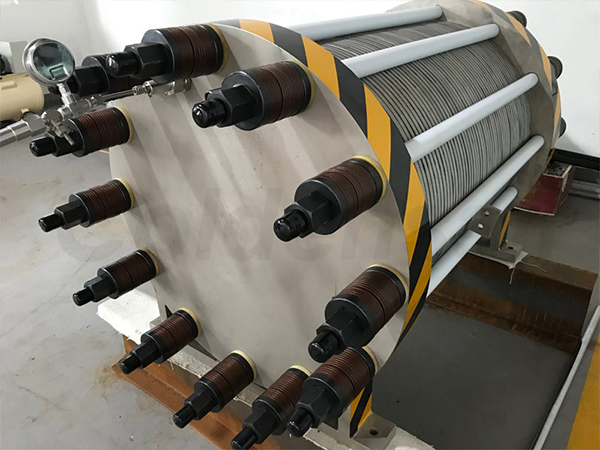
The core of a PEM Electrolyzer is a proton exchange membrane, which uses a polymer membrane to replace the alkaline solution and asbestos diaphragm of a traditional alkaline electrolyzer. When electricity is applied, water decomposes into oxygen, protons, and electrons at the anode. Electrons form an electric current through the external circuit, while protons move to the cathode through the proton exchange membrane and recombine with electrons to form high-purity hydrogen. Because it uses pure water directly, the PEM electrolyzer has significant advantages in safety, system integration, and product purity.
The working principle of an AEM electrolyzer is similar to that of an ALK electrolyzer, but it uses a solid anion exchange membrane instead of a liquid alkaline electrolyte solution.
Conducting Ions: It conducts OH⁻ (hydroxyl ions), not protons from the PEM.
Reaction Process: Water reacts at the cathode (-) to produce hydrogen and OH⁻. OH⁻ then passes through the anion exchange membrane to the anode (+), producing oxygen and water.
Compared to other electrolysis technologies, alkaline electrolyzers offer significant advantages in cost and technological maturity.
4.1 Exceptional Cost Advantage
For projects seeking scalable returns, initial investment is crucial. The ALK process is simple and does not use expensive metal catalysts.
| Cost Item | ALK Electrolyzer | PEM Electrolyzer (For Comparison) |
|---|---|---|
| Unit Price (2025) | Winning bid average price has dropped to as low as RMB 5.3052 million per unit (1000 Nm³/h). Unit power cost has fallen below RMB 1,200/kW, with some projects reaching the RMB 950/kW threshold. | Prices remain as high as RMB 3,000–8,000/kW, showing a significant gap compared with ALK. |
| Overall Cost Advantage | Total system cost is approximately 40–50% lower than PEM technology, with much lower initial investment pressure than AEM and PEM systems. | Higher upfront investment cost, mainly due to expensive catalysts, membranes, and stack materials. |
4.2 Extended Lifespan
The relatively simple design of ALK systems, without complex membrane modules, largely contributes to their durability and ease of ensuring long-term stable operation through standardized maintenance, thereby amortizing the unit cost of hydrogen production over a longer lifespan.
| Comparison Item | ALK Electrolyzer | PEM / AEM Electrolyzer (For Comparison) |
|---|---|---|
| Service Life Comparison | The designed service life of ALK electrolyzers commonly reaches 20 years, supported by a large number of proven long-term industrial operating cases. | PEM systems usually have a service life of only 2–3 years (large-scale commercial units still lack sufficient long-term validation). AEM technology is generally still in the experimental stage, with only 3,000–8,000 operating hours verified, far from the industrial requirement of 20 years. |
| Continuous Improvement | ALK technology continues to evolve. Through innovations such as laser cladding high-performance coatings on titanium alloy electrode frames, the corrosion-resistant lifetime of key components has exceeded 80,000 hours, moving toward even longer operational life. | PEM and AEM technologies are still facing challenges in membrane durability, catalyst cost, and long-term stack stability. |
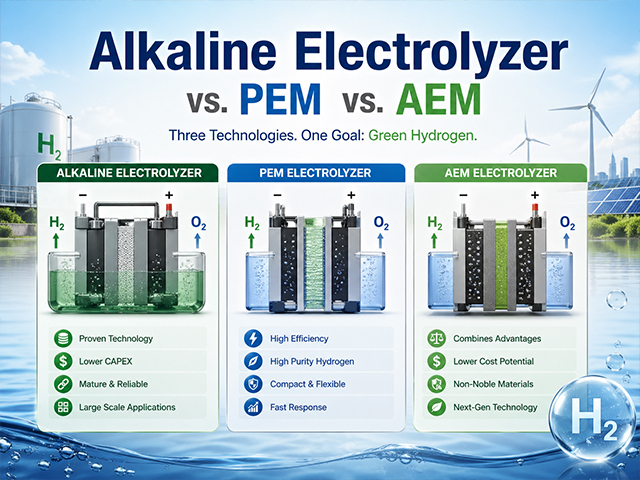
If you’ve got a stable power supply, plenty of space, and your main focus is keeping upfront costs low while ensuring the gear lasts for decades, ALK (Alkaline) is still the most reliable bet. It’s the "old faithful" of the industry.
However, if you're dealing with the unpredictable swings of wind or solar power, you'll need a system that can ramp up or down instantly. In that case, PEM is the way to go—provided you have the budget to handle the higher price tag.
For those looking toward the future and willing to take a bit of a calculated risk, AEM is worth watching. It promises a better balance of cost and performance, but since it’s still the "new kid on the block," it’s best suited for pilot projects where you can test the waters before diving in.
 EN
EN
 AR
AR
 FR
FR
 DE
DE
 PT
PT
 RU
RU