A Data Center is a dedicated facility that centrally houses computing, storage, and network equipment, providing core support for various digital services. It comprises IT equipment, power distribution systems, cooling and heat dissipation systems, and monitoring and management systems. From mobile internet and big data analytics to the recent explosion of generative AI (such as ChatGPT and Sora), every data processing and model training operation relies on the computing power of data centers. Statistics show that global data centers consume 1% to 2% of the world's total electricity annually, and this figure is still growing rapidly.
With the soaring power consumption of AI chips (a single GPU has reached over 1200W) and rack power density exceeding 100kW, traditional air cooling technology is gradually approaching its physical limits. Liquid cooling technology utilizes the superior thermal conductivity and specific heat capacity of liquids compared to air to directly or indirectly remove heat generated by core server components (such as CPUs and GPUs), reducing PUE (Power Usage Effectiveness) to below 1.1 and supporting power densities of 100kW+ per rack, becoming the standard configuration for AI computing centers.
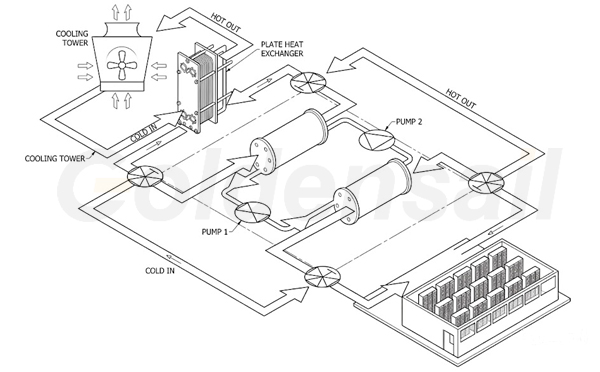
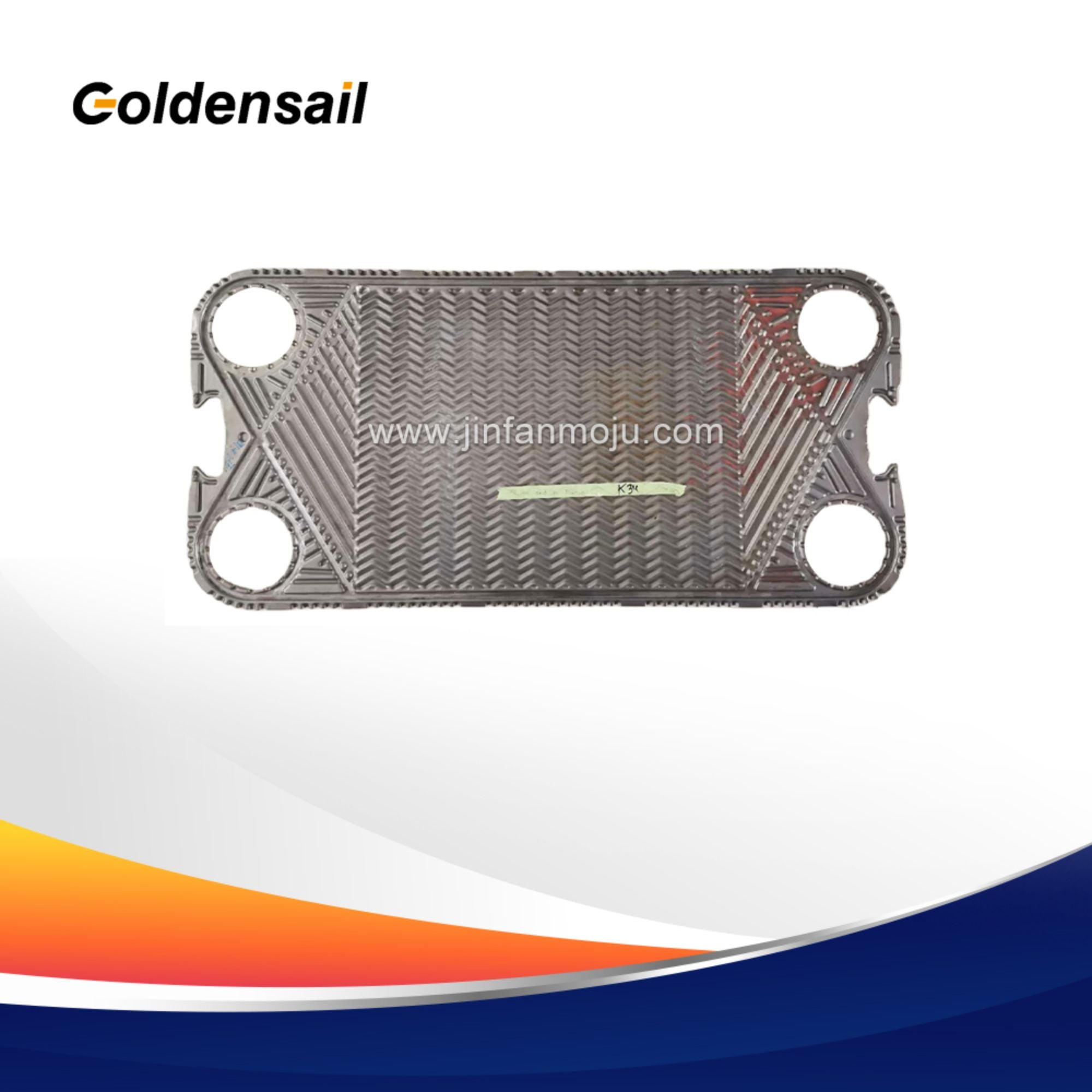
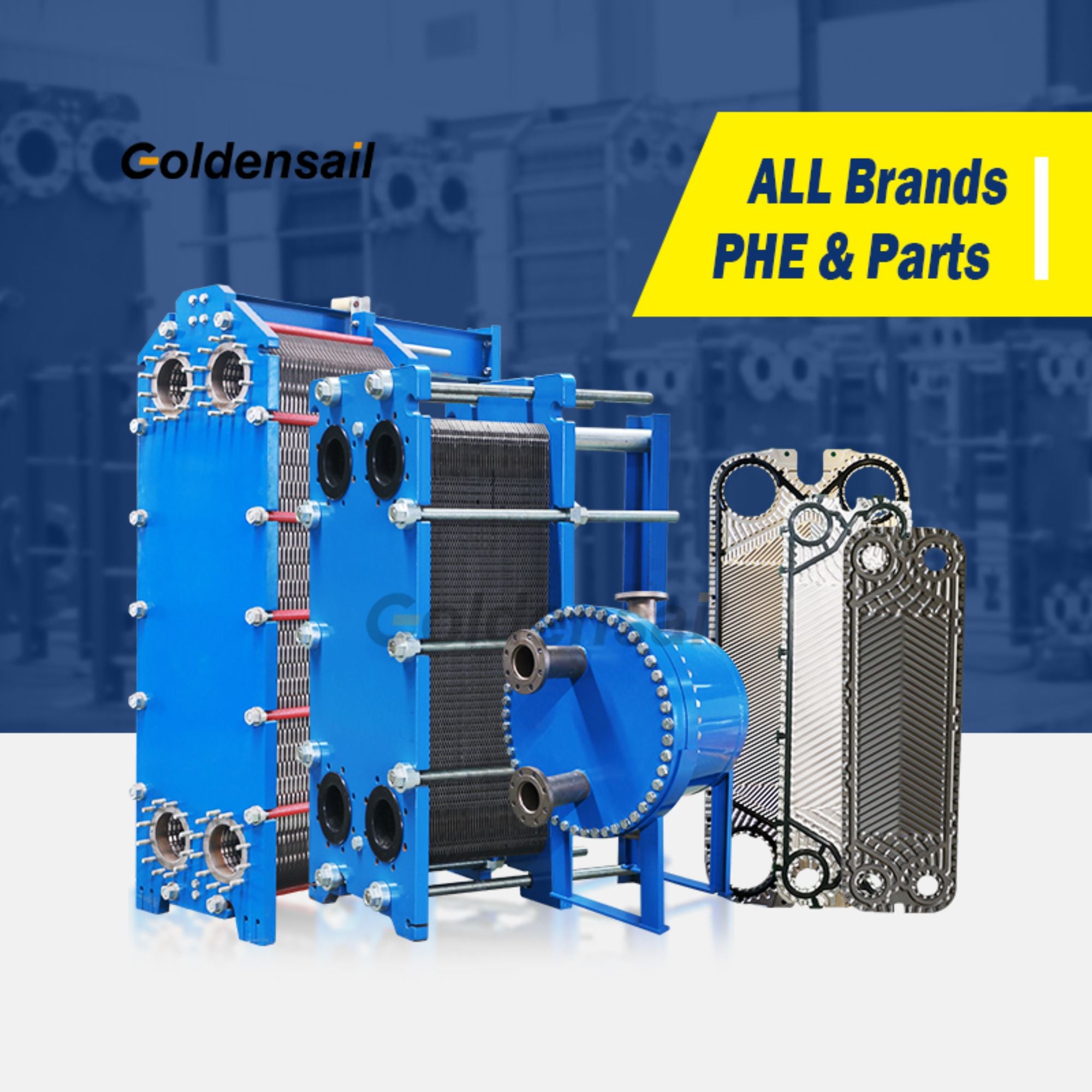
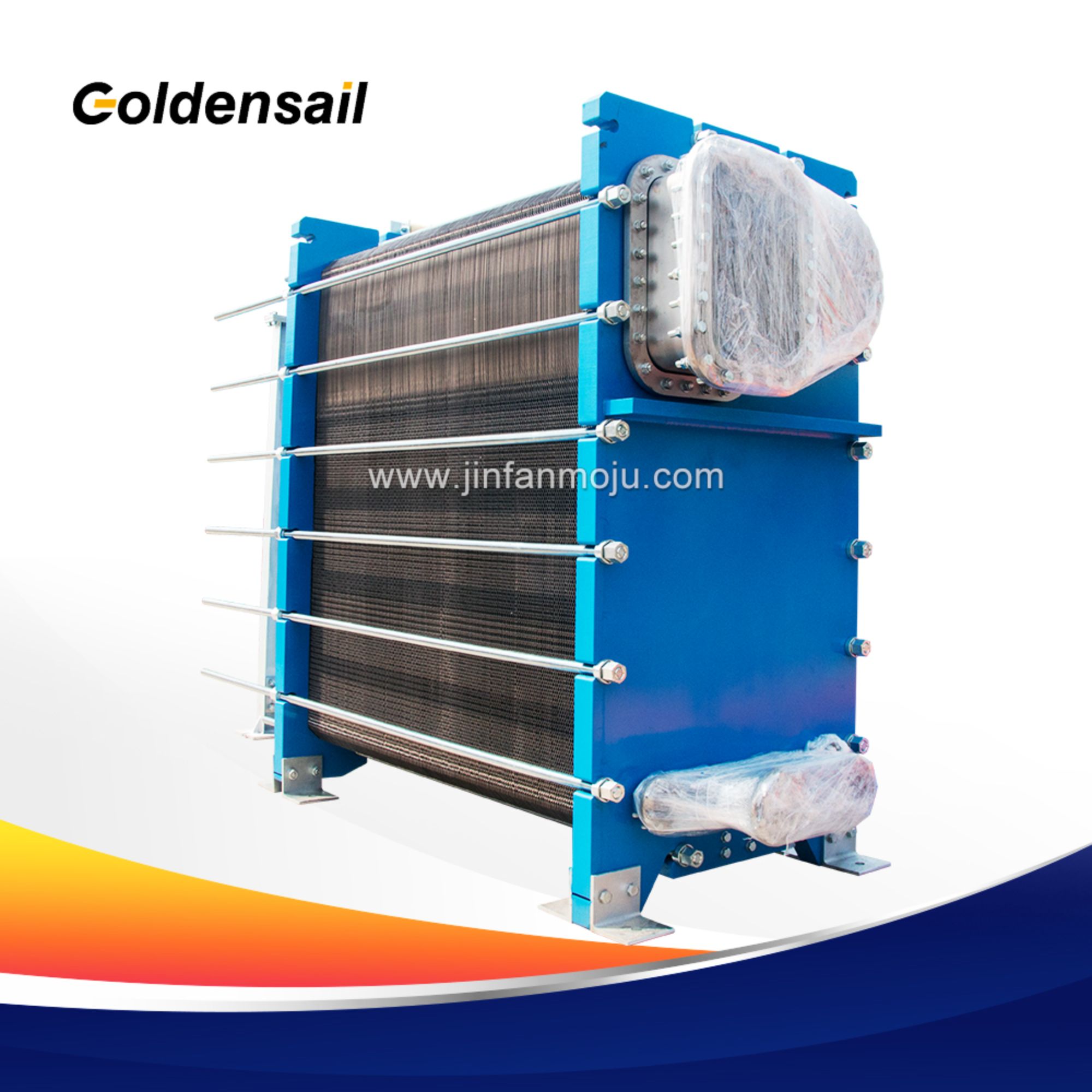
Plate Heat Exchangers are the core component of the Coolant Distribution Unit (CDU) in a liquid cooling system. They efficiently transfer server heat to the outside by physically isolating different fluids through indirect heat exchange, ensuring system purity and safety while maintaining system cleanliness and safety. Gasket Plate Heat Exchangers offer high flexibility and extremely low life-cycle costs. Physical isolation ensures system safety, and maintainability greatly facilitates system operation and future upgrades and expansions.
√ Safe Isolation and Independent Maintenance
Gasketed Plate Heat Exchangers establish a reliable "isolation wall" between the primary and secondary circulating water, ensuring that "dirty water" from the primary side does not contaminate the clean water flowing to the server on the secondary side.
√ Flexible and Easy to Maintain
The detachable design allows for flexible expansion as needed. When computing power demands increase, the number of PHE Plates can be added at any time to improve cooling capacity without replacing the entire unit.
√ Superior Economic Efficiency
For the same heat exchange area, the purchase cost of detachable designs is significantly lower than that of fully welded designs. Regular maintenance allows for performance restoration, extending the lifespan of natural cooling systems.
√ High Heat Exchange Efficiency and Compact Footprint
The compact detachable structure is ideal for the space-constrained environments of data centers. Its heat transfer coefficient is 3 to 5 times that of traditional shell-and-tube heat exchangers, enabling efficient response to the instantaneous high heat loads of AI chips.
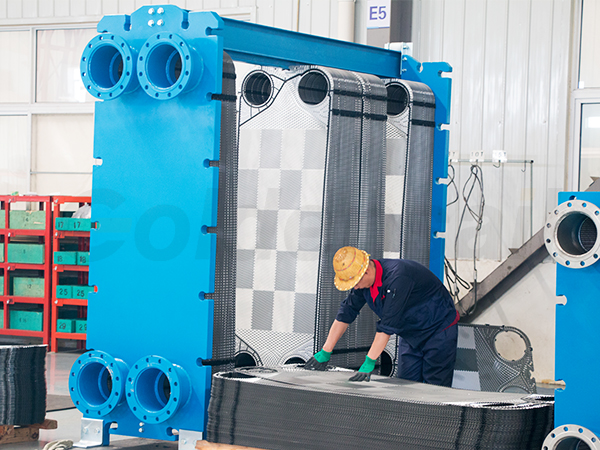
Compared to Gasketed Plate Heat Exchangers, Welded Plate Heat Exchangers, with their gasket-free welded metal structure, ensure the ultimate reliability of data center liquid cooling systems.
√ Eliminates Leakage and Contamination Risks
The welded structure eliminates phe gaskets, eliminating the risk of coolant contamination from gasket material leaching. This is a decisive advantage for data centers requiring 24/7 uninterrupted operation.
√ More Suitable for Harsh Operating Conditions
Fully Welded Plate Heat Exchangers operating at pressures from vacuum to 8.2MPa and temperatures from -195℃ to 538℃. This allows them to easily handle pressure fluctuations caused by pump and valve start-ups and shutdowns in the cooling system.
√ Ensures Continuous and Efficient Heat Exchange
The plate bundles of a fully welded plate heat exchanger are welded together to form a highly robust unit, and the flow channel structure is not easily deformed. This ensures that its ultra-high heat transfer coefficient (up to 3000-7000 W/(m²·℃)) remains stable throughout the entire lifespan of the equipment and does not decrease due to the aging of the physical structure.
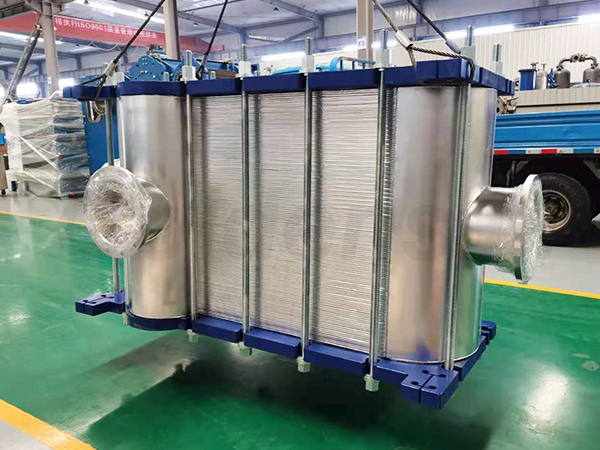
If both full-welded reliability without phe gaskets is required, and the ability to disassemble and clean is also desired, a Semi-welded Plate Heat Exchanger can be considered:
Structure: Each pair of plates is connected by laser welding to form "plate pairs", and a gasket is still used for sealing between the plate pairs.
Advantages: The coolant side (the high-risk side) is fully welded and leak-proof; the service water side (the low-risk side) can be disassembled for cleaning.
Application: It is commonly used in evaporators, condensers, or in situations where the medium on one side is particularly dirty.
—
- Gasketed Plate Heat Exchanger for AI server Coolant Distribution Unit (CDU)
- How to Choose the Right Plate Heat Exchanger for Your Process
- Disadvantages of Plate Heat Exchangers Must Be Known Before Selection

 EN
EN
 AR
AR
 FR
FR
 DE
DE
 PT
PT
 RU
RU