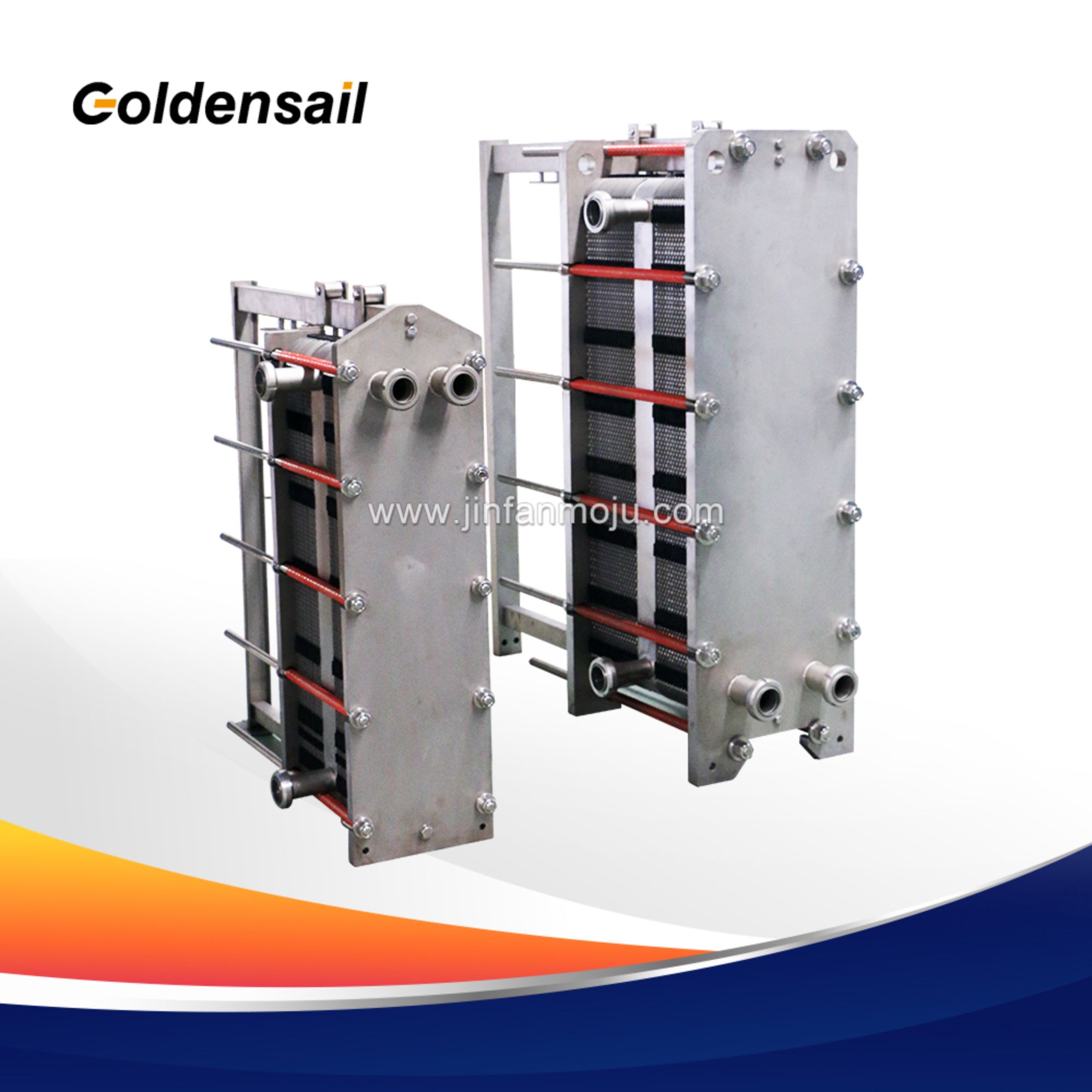
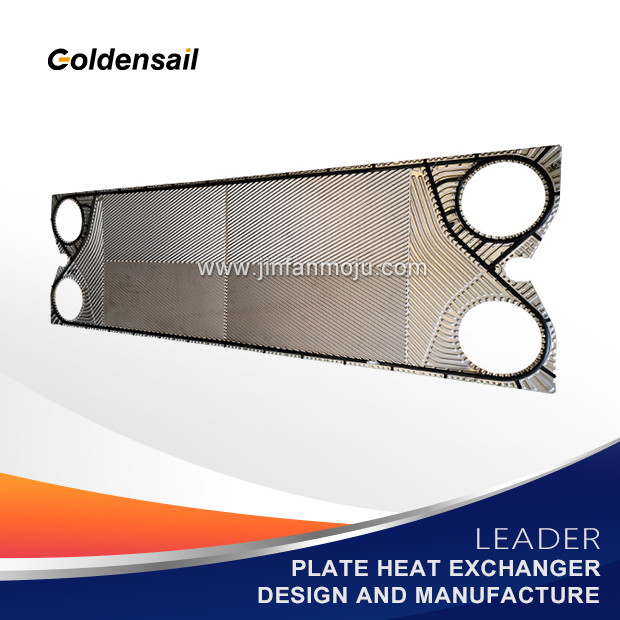
Industrial Evaporation Systems are core heat treatment processes in chemical, food, pharmaceutical, and environmental protection industries. They vaporize solvents (usually water) through heating, recovering valuable media or reducing wastewater discharge. In industries where product concentration directly impacts production costs, the energy consumption of evaporation systems is crucial.
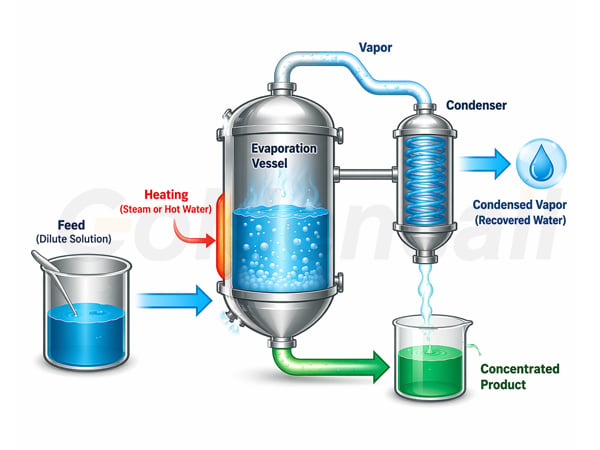
Industrial evaporation systems involve simultaneous heat and mass transfer, which can be understood through four consecutive stages:
√ Heat Input and Heating
Externally heated steam enters the heating chamber of the evaporator, transferring heat to the material on the other side through the metal walls. The material absorbs heat, and its temperature rises until it reaches the saturation boiling point at the current pressure.
√ Boiling and Vaporization
After reaching the boiling point, the material continues to absorb heat. Solvent molecules gain sufficient kinetic energy to escape the bulk liquid phase and violently transform into vapor. This vapor evaporated from the material is called secondary steam. During this process, heat is transferred from the heating steam to the secondary steam in the form of latent heat.
√ Vapor-Liquid Separation
The generated vapor bubbles carry liquid droplets upwards into a specially designed separation chamber. Due to the sudden expansion of space, the flow rate drops sharply. Utilizing gravity settling or centrifugal separation, the denser concentrate falls back into the circulation system, while the less dense, cleaner secondary steam is discharged from the top.
√ Continuous Concentration and Discharge
The evaporation process never pauses. As solvent escapes the system in vapor form, the remaining solution grows steadily richer — not in a batch, not by guesswork, but in a controlled, real-time progression toward your target concentration. Once that threshold is reached, the system draws off a portion of the concentrated liquid — either on a continuous bleed or in timed intervals — keeping the internal balance locked in.
Understanding the key factors affecting heat transfer efficiency
Q (Heat Transfer Rate): The amount of heat transferred per unit time, determining the evaporation workload.
A (Heat Transfer Area): The hardware foundation of the equipment; theoretically, a larger area means a larger processing capacity.
ΔTm (Effective Heat Transfer Temperature Difference): The difference between the heating steam temperature and the boiling point of the material.
K (Overall Heat Transfer Coefficient): Measures the ability of heat to penetrate the metal wall and the fluid boundary layer on both sides.
Based on the number of times and methods of using heating steam, evaporation systems are divided into the following categories, with significant differences in energy consumption and applicable scenarios.
| Technology Type | Abbreviation | Working Principle | Energy Consumption | Applicable Scenarios |
|---|---|---|---|---|
| Single Effect Evaporation | SE | Secondary steam is directly condensed and discharged. Heat is utilized only once. | 1.0 - 1.2 | Small-scale projects or occasions with available waste heat. |
| Multi-Effect Evaporation | MEE | The secondary steam from the previous effect is used as the heating steam for the next effect. The more effects, the more steam is saved. | 0.3 - 0.5 (3-5 effects) | Large-scale projects that are sensitive to electricity supply. |
| Thermal Vapor Recompression | TVR | High-pressure steam entrains and mixes with low-pressure secondary steam through an ejector, improving energy utilization. | 0.4 - 0.8 | Renovation projects with existing high-pressure steam pipelines. |
| Mechanical Vapor Recompression | MVR | A compressor increases the pressure and temperature of the secondary steam, recycling the latent heat in a closed loop. | 0.02 - 0.1 (mainly electricity) | New projects with sufficient electricity supply and pursuing ultimate energy saving. |
The structure of the evaporator determines the material flow pattern, heat transfer efficiency, and anti-scaling ability.
√ Central Circulation Tubular Type: Simple structure, low investment, but slow circulation speed, unsuitable for high viscosity or heat-sensitive materials.
√ Rising/Falling Film Type: Material flows along the tube wall in liquid film form, short residence time, high heat transfer coefficient, commonly used in large-scale MVR systems.
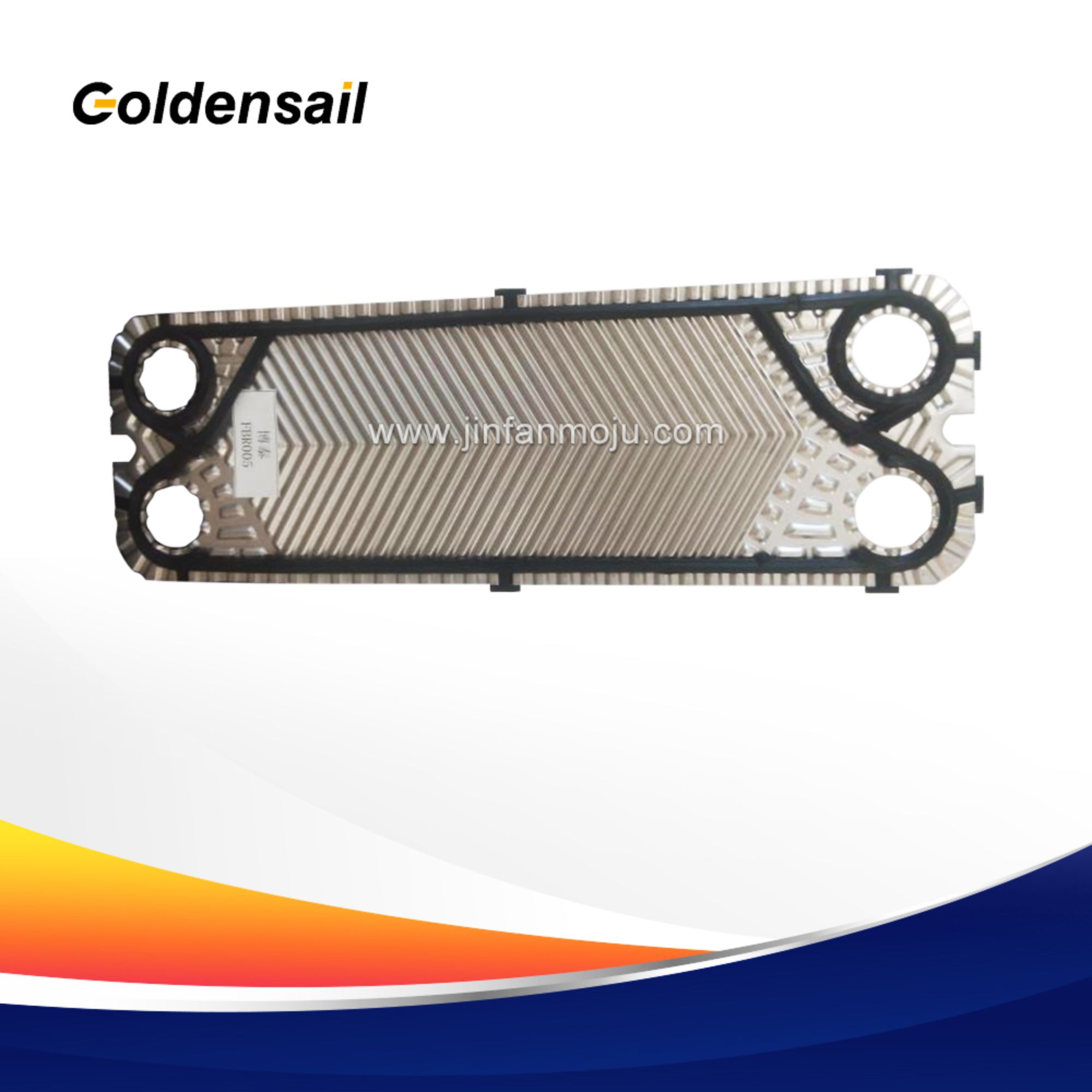
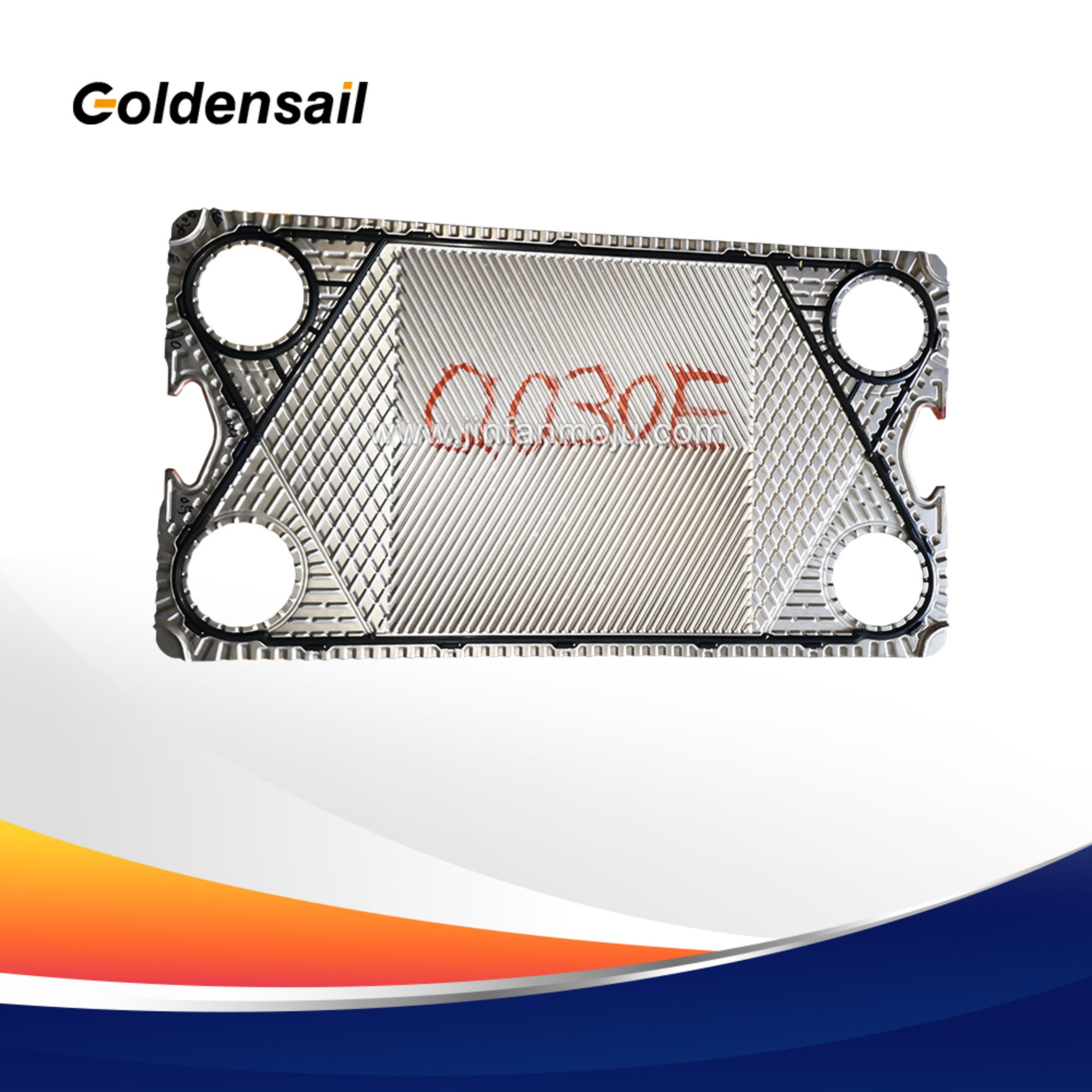
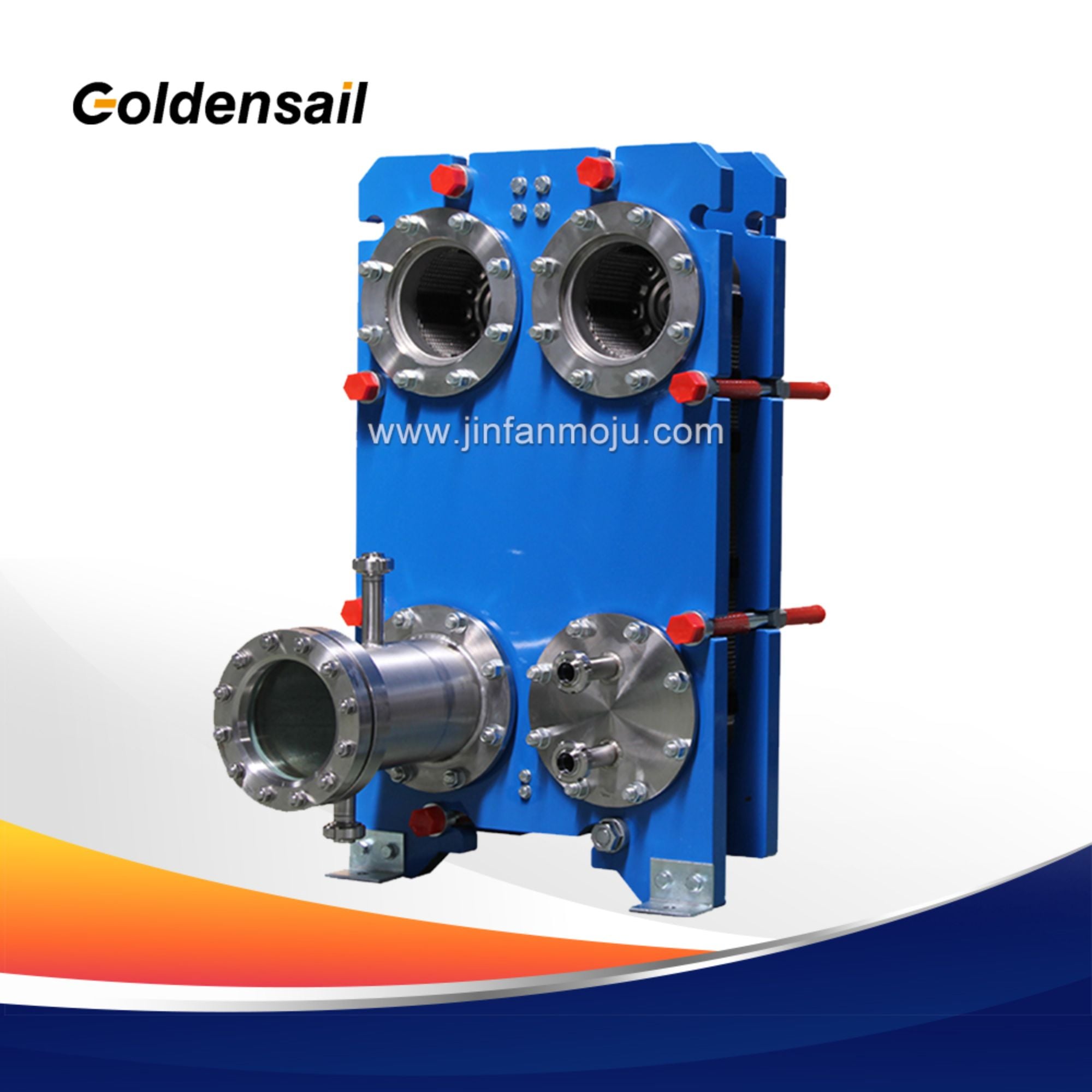
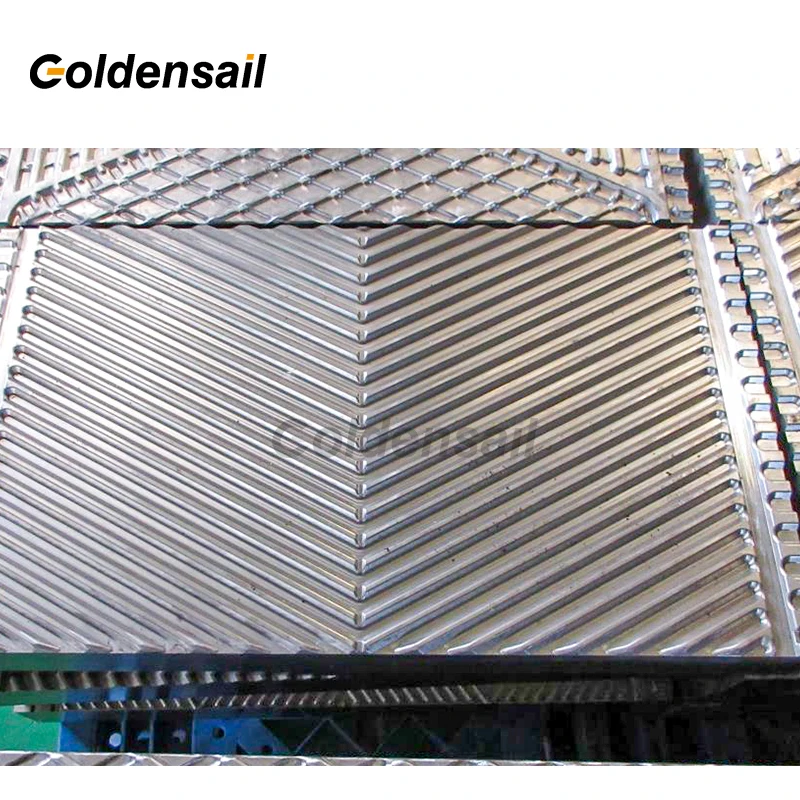
Plate evaporators work on a straightforward principle: stack corrugated metal plates, push process fluid through one side, heating medium through the other, and let the geometry do the heavy lifting. The corrugations aren't decorative — they force the liquid into continuous turbulence, breaking up the boundary layer that kills heat transfer in conventional tubular units.
√ High Turbulence Design: The strong turbulence induced by the plate corrugations significantly improves the heat transfer coefficient (up to 2-4 times that of tubular evaporators) and is less prone to scaling.
√ Extremely Low Liquid Holdup: Small internal volume, material residence time is only tens of seconds, particularly suitable for low-temperature concentration of heat-sensitive materials (such as juice and pharmaceutical solutions).
√ The perfect partner for MVR: Plate evaporators allow stable operation at extremely low effective temperature differences (3-5°C), perfectly matching the economical temperature rise range of MVR compressors and maximizing energy savings.
Liquid droplets carried in secondary steam not only cause product loss but also contaminate condensate. High-efficiency centrifugal separators or wire mesh demisters are essential components for ensuring stable system operation.
Industrial evaporation systems often face problems such as high energy consumption, insufficient space, structural blockage, and complex maintenance. Compared to traditional shell and tube evaporators, plate evaporators offer significant advantages:
Up to 2–4 times higher than conventional designs
Saves installation space, Lower heat loss
High turbulence reduces scaling, Easier cleaning
Ideal for energy-saving systems like MEE and MVR
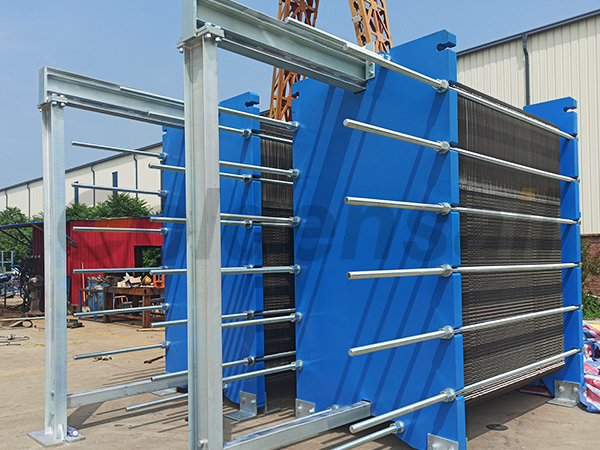
Looking for an energy-efficient evaporation solution?
Our advanced plate evaporator systems help reduce steam consumption, minimize fouling, and improve overall process efficiency.
| Industry | Typical Materials | Common Evaporation Process | Core Concerns |
|---|---|---|---|
| Chemical / Environmental Protection | High-salt wastewater, Sodium chloride solution | Multi-Effect Evaporation (MEE) / MVR + Forced Circulation | Anti-scaling, Anti-corrosion, Near-zero liquid discharge (ZLD) |
| Food Industry | Milk, Fruit juice, Starch syrup | Plate MVR / Falling Film Evaporation | Flavor retention, Convenient CIP cleaning |
| Biopharmaceutical | Antibiotic fermentation broth, Traditional Chinese medicine extract | Low-temperature Rising Film / Scraper Evaporation | Low-temperature operation, Sterile environment |
| New Energy | Lithium battery material mother liquor, Desulfurization wastewater | MVR + Forced Circulation | Handling high-viscosity and easy-to-crystallize materials |
Energy costs don't lie. When steam and power bills start eating into margins, engineering teams go looking for alternatives — and in food processing, pharmaceuticals, and chemicals, the math increasingly points to plate-type MVR evaporation systems. Conventional evaporation runs on fresh steam. MVR runs on its own vapor, recompressed and recycled, with external energy input reduced to what's needed to cover losses. Stack that against tightening wastewater discharge regulations that leave zero-liquid-discharge as the only viable compliance path, and the operational case for MVR builds itself.
Plate-type designs compress that case further: higher heat transfer coefficients mean less surface area needed, less surface area means a smaller physical footprint, and a smaller footprint means this equipment fits into facilities that a shell-and-tube system simply wouldn't.

 EN
EN
 AR
AR
 FR
FR
 DE
DE
 PT
PT
 RU
RU