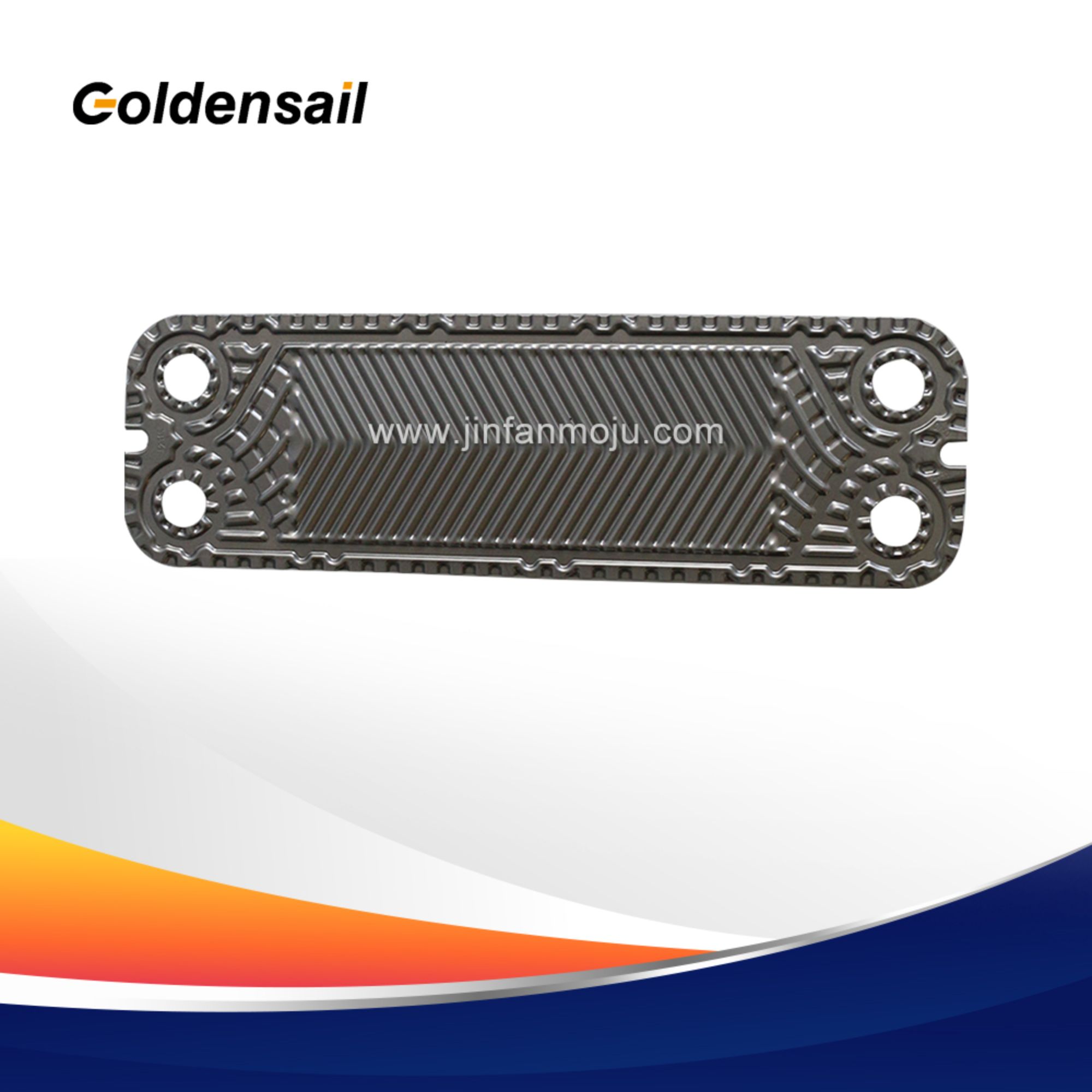
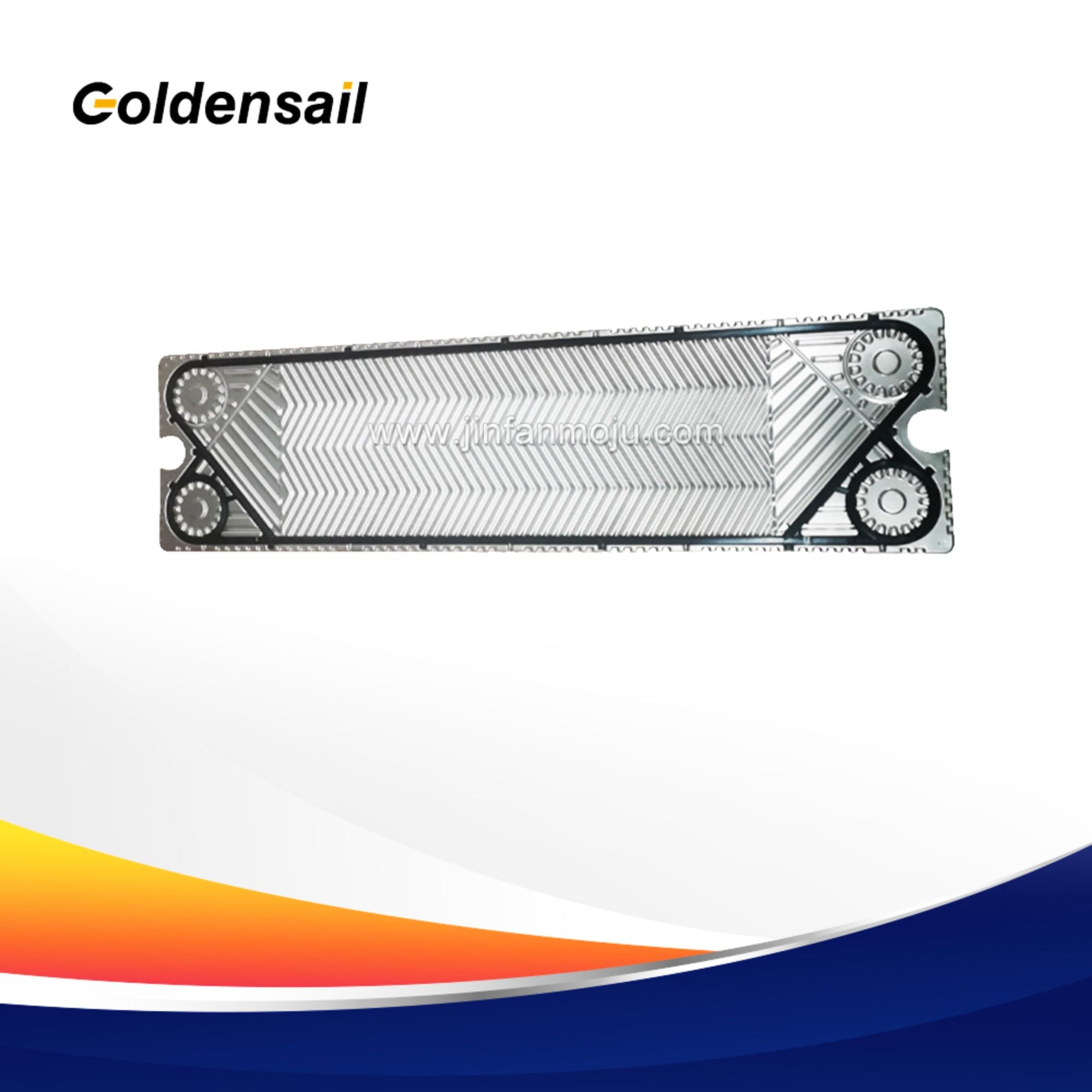
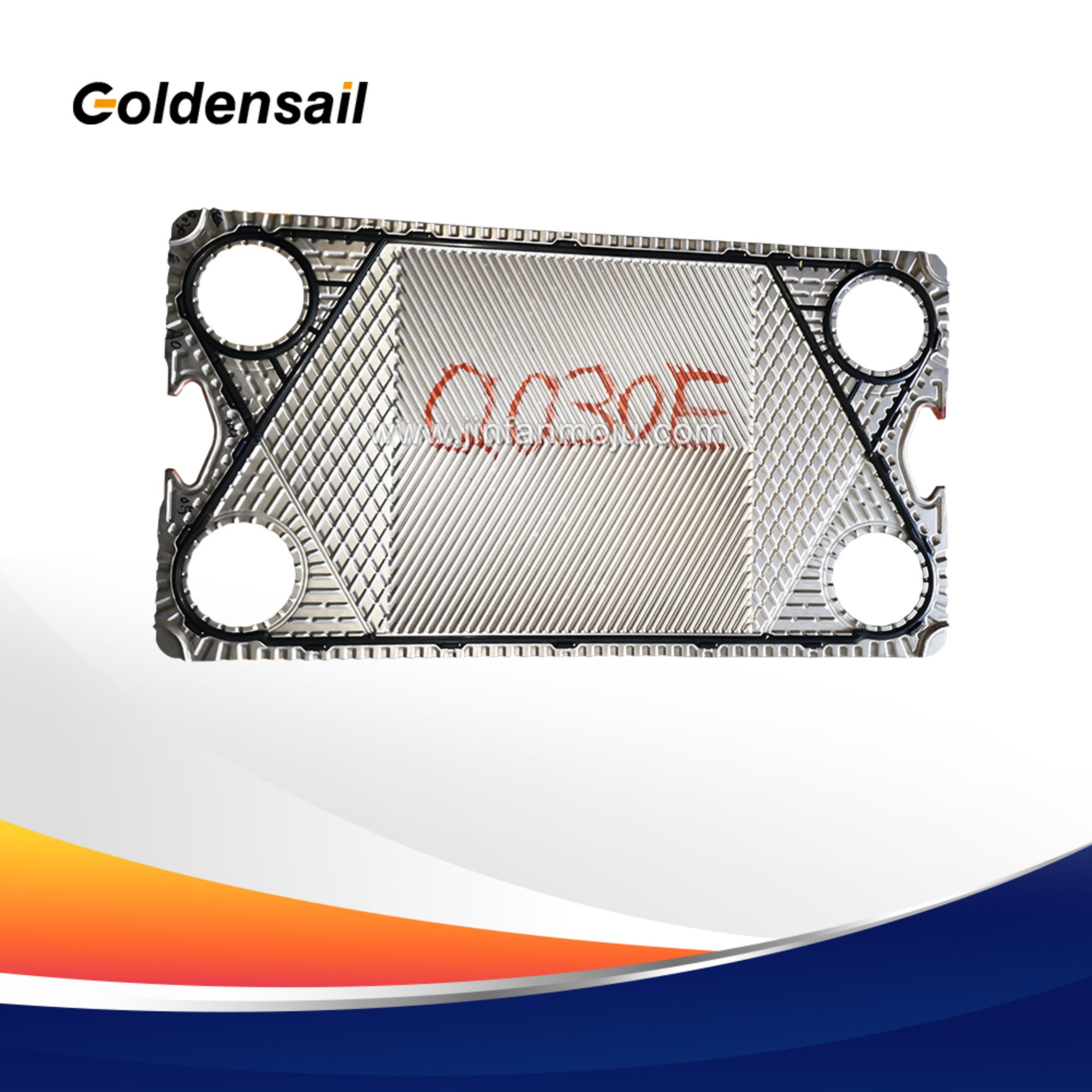
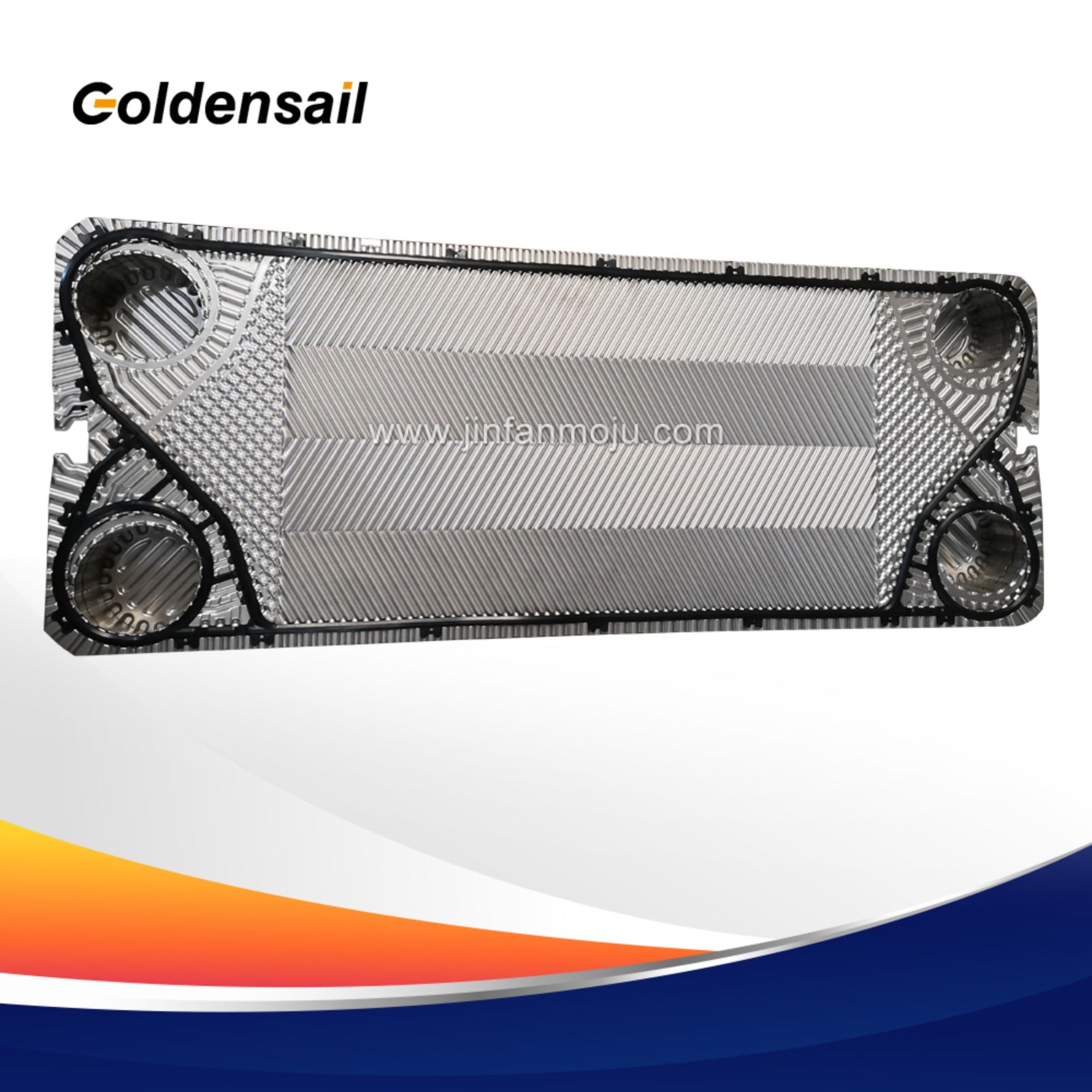
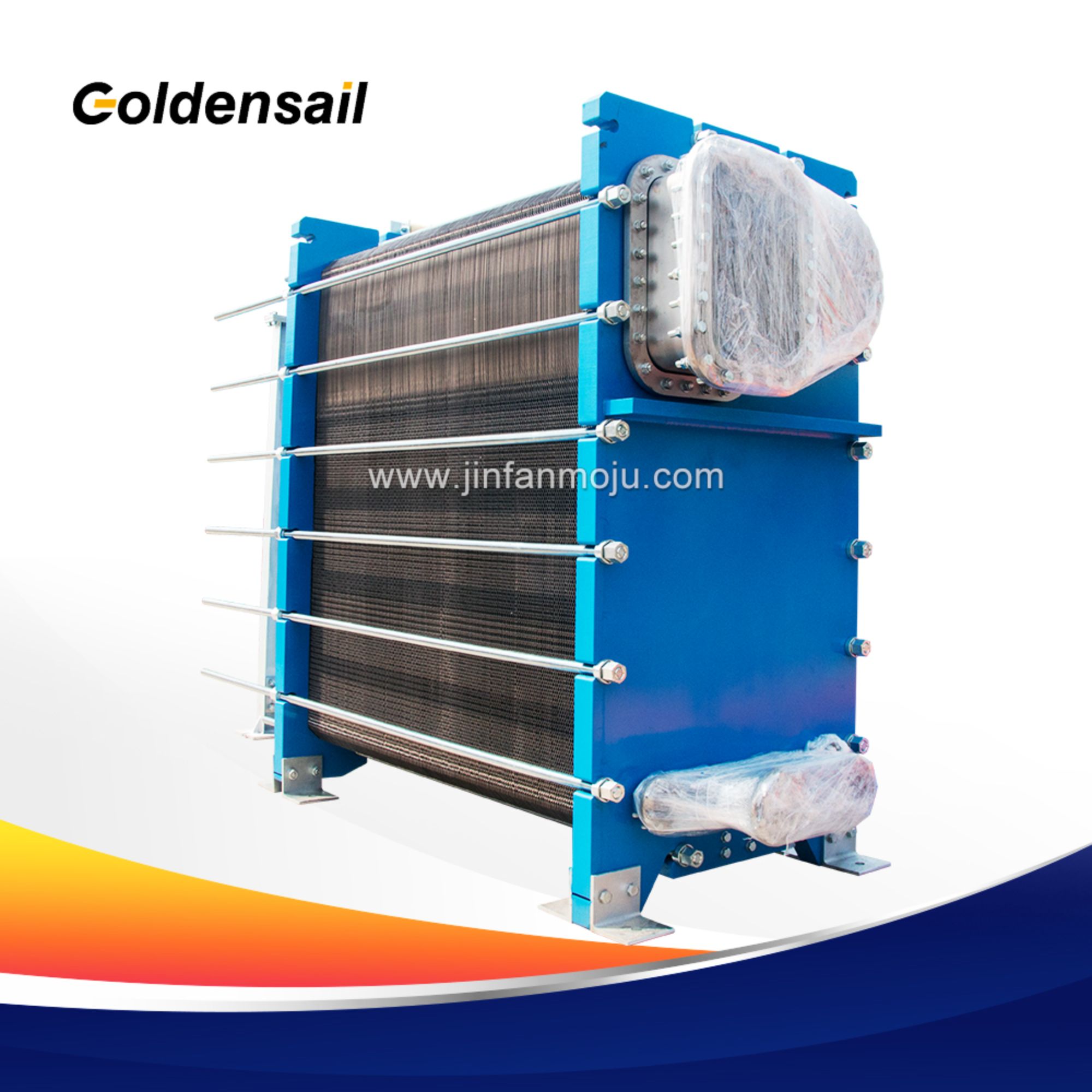
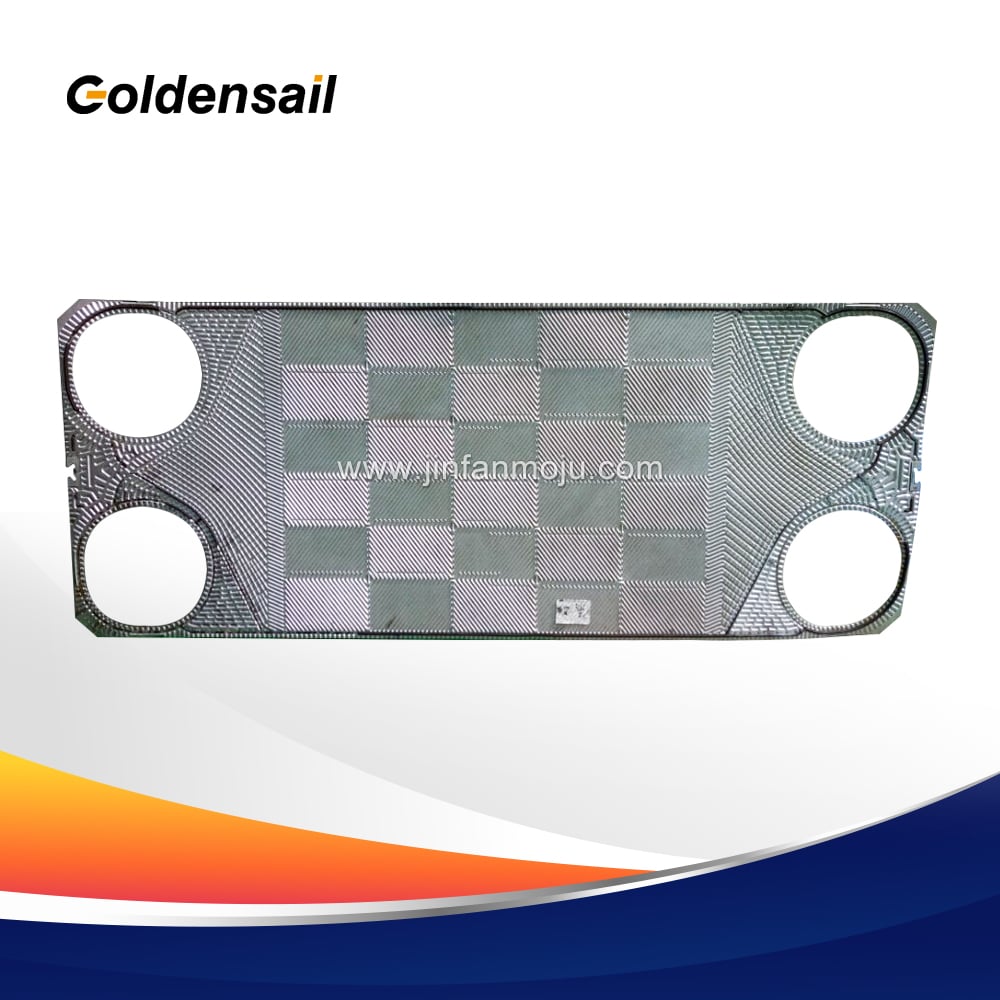
A plate heat exchanger is a highly efficient and compact indirect heat exchange device. Its principle involves using a series of stamped corrugated metal phe plates, stacked alternately, forming narrow flow channels between the plates. This allows hot and cold fluids to flow in opposite directions within adjacent channels, exchanging heat through the plates to achieve heating, cooling, evaporation, or condensation.
The operating temperature range of a plate heat exchanger depends on several factors rather than being fixed. In theory, the upper limit can reach 900°C and the lower limit can go as low as -196°C. Standard detachable plate heat exchangers generally work within -60°C to 260°C, while welded plate heat exchangers can go beyond this, handling everything from extremely low to extremely high temperatures.
Gasket plate heat exchangers are limited by gaskets, typically operating below 250°C. Welded plate heat exchangers, on the other hand, do not require gaskets, and their maximum temperature is directly determined by the material properties of the metal plates, theoretically reaching 900°C.
Get in touch
| Structure Type | Temperature Range | Key Limiting Factors | Main Application Scenarios |
|---|---|---|---|
| Gasketed Plate Heat Exchanger | -60°C ~ 260°C | Limited by gasket material temperature resistance | General industry, HVAC systems, food processing, chemical applications |
| Semi-Welded Plate Heat Exchanger | -40°C ~ 200°C | Combined limitations of gasket and welded materials | Refrigeration systems, processes requiring partial disassembly |
| Fully Welded Plate Heat Exchanger | -196°C ~ 900°C | Dependent on plate metal material temperature resistance | Cryogenic applications, high temperature & high pressure, nuclear energy, aerospace |
For removable plate heat exchangers, Plate Heat Exchanger Gaskets are the primary factor that determines the operating temperature range, and the choice of rubber material makes a significant difference in performance. In applications where temperatures fluctuate frequently — such as heating systems — it is worth choosing gaskets with an elastic recovery rate of 80% or higher, like EPDM, to handle the repeated expansion and contraction and keep the seal intact.
| Gasket Material | Temperature Range | Core Characteristics | Recommended Applications |
|---|---|---|---|
| Nitrile Rubber (NBR) | -40°C ~ 120°C | Good oil resistance, but moderate temperature resistance and lower elastic recovery. | General water-water or oil heat exchange. |
| EPDM | -50°C ~ 180°C | Excellent resistance to hot water and steam; high elastic recovery. | Civil heating, medium-temperature hot water systems. |
| Fluorine Rubber (FKM) | -20°C ~ 260°C | High temperature and strong corrosion resistance; elasticity slightly lower than EPDM. | High-temperature thermal oil, chemicals, and highly corrosive media. |
| Perfluoroelastomer (FFKM) | -60°C ~ 320°C | Resistant to extreme low/high temperatures; excellent chemical stability. | Extreme/harsh operating conditions (high cost). |
| Asbestos Rubber Sheet | ≤ 450°C (Steam) | High temperature resistance but poor elasticity; environmental and health concerns. | Gradually being phased out/obsolete. |
In fully welded heat exchangers, the metal material of the PHE plate directly determines the equipment's temperature capability. Stainless steel is the most common material for PHE plates, primarily used in civil and general industrial applications. Titanium, with its excellent corrosion resistance, is the best choice for high-chlorine environments. For extremely harsh temperature and corrosive conditions, it is recommended to select materials such as 254SMO, C276, and 904L.
| Material Type | Max Temperature | Core Characteristics | Recommended Applications |
|---|---|---|---|
| Super Stainless Stee | Approx. 400°C | Modified upgrade of Type 316. Superior resistance to chloride pitting and crevice corrosion. 904L performs better in acidic environments containing halides at high temperatures (>80°C). | Seawater desalination, brackish water, inorganic acid environments. |
| Hastelloy | Approx. 427°C | C276 is the "Universal Material," resistant to nearly all strong acids and chlorides. One of the few materials suitable for hot concentrated sulfuric acid. BC-1 offers enhanced resistance to HCl and H₂SO₄. | Strong acid/alkali environments, organic solvents, high-temperature Hydrofluoric acid (HF). |
| Pure Nickel | Approx. 400°C | Over 99% Nickel content. Specifically designed for high-concentration, high-temperature alkaline solutions (NaOH, KOH, etc.), regardless of concentration. | High-concentration caustic soda/alkali heat exchange. |
| Nickel-based Alloys | 600°C+ | Resistant to high temperature, high pressure, and intense corrosion. Excellent uniform corrosion resistance in both oxidizing and reducing environments. | Extreme conditions where corrosion and high temperatures coexist. |
| High-Temp Superalloys | Approx. 900°C | Used in nuclear power and other extreme temperature fields. Represents the ultimate performance limit for welded heat exchangers. | Nuclear power, aerospace, and cutting-edge industrial sectors. |
4.1 Operating Conditions
Plate heat exchangers are manufactured with clearly defined design temperatures and pressures. However, in actual operation, these parameters are not static. Therefore, reserving sufficient safety margins is a fundamental prerequisite for ensuring long-term stable operation of the equipment.
4.2 Operating Pressure
The pressure-bearing capacity of materials decreases significantly with increasing temperature. When selecting a plate heat exchanger for high-temperature conditions, the pressure rating must be checked simultaneously to prevent insufficient strength leading to plastic deformation or even cracking failure.
4.3 Start-up and Shutdown Sequence
The start-up and shutdown of plate heat exchangers must strictly adhere to the sequence of "cold fluid first, then hot fluid." If hot fluid is introduced first, the plates will experience severe thermal stress deformation due to the large temperature difference, potentially leading to weld cracking or seal failure. At startup, the initial flow rate should be controlled at 50% of the design value. After preheating for 10-15 minutes, the flow rate should be gradually increased to the design operating condition.
4.4 Media Characteristics
The tendency of media to scale at high temperatures significantly increases thermal resistance, reduces heat exchange efficiency, and may even cause under-deposit corrosion. For media containing particles or fibers, wide flow channels or herringbone-shaped corrugated plates should be selected to prevent clogging.
 EN
EN
 AR
AR
 FR
FR
 DE
DE
 PT
PT
 RU
RU