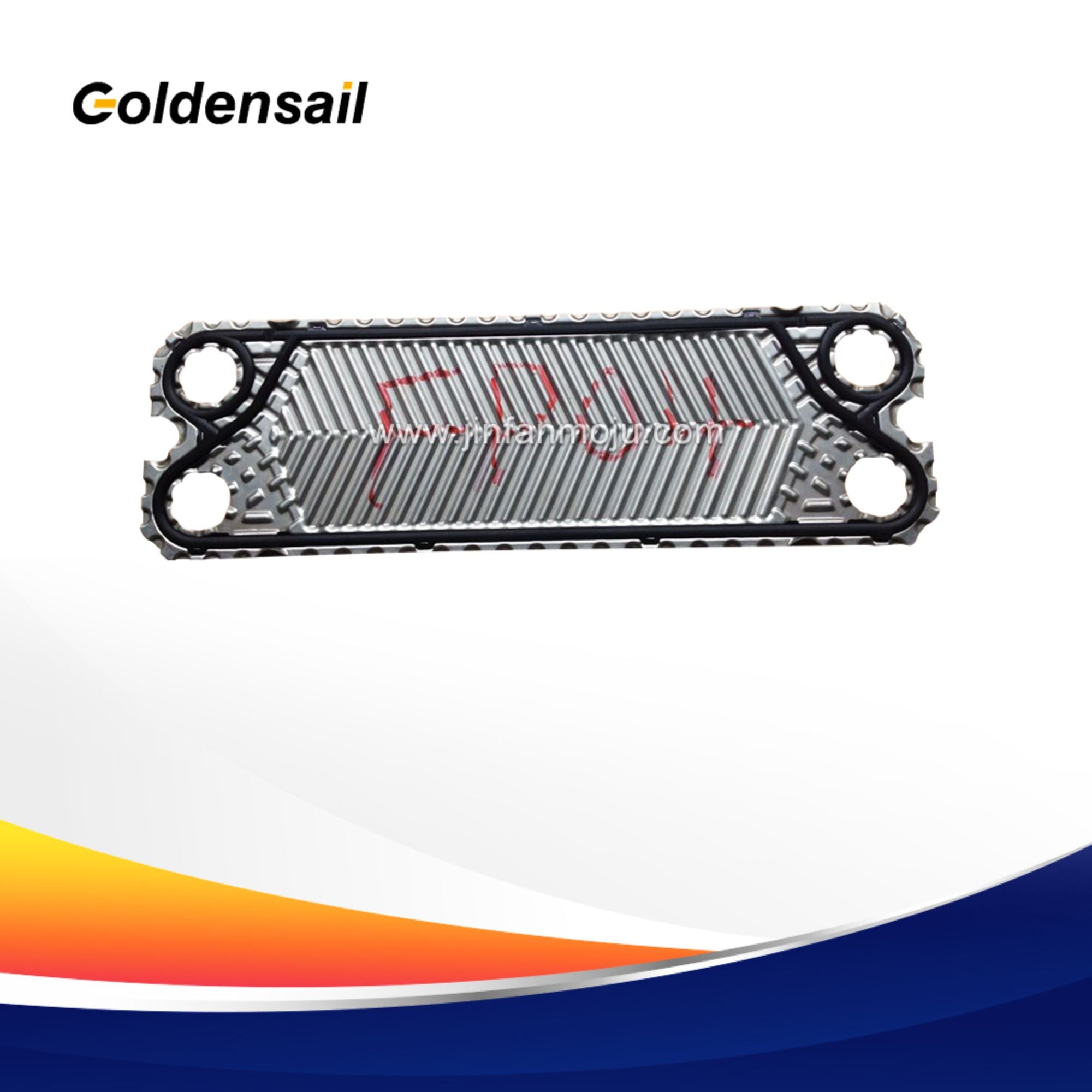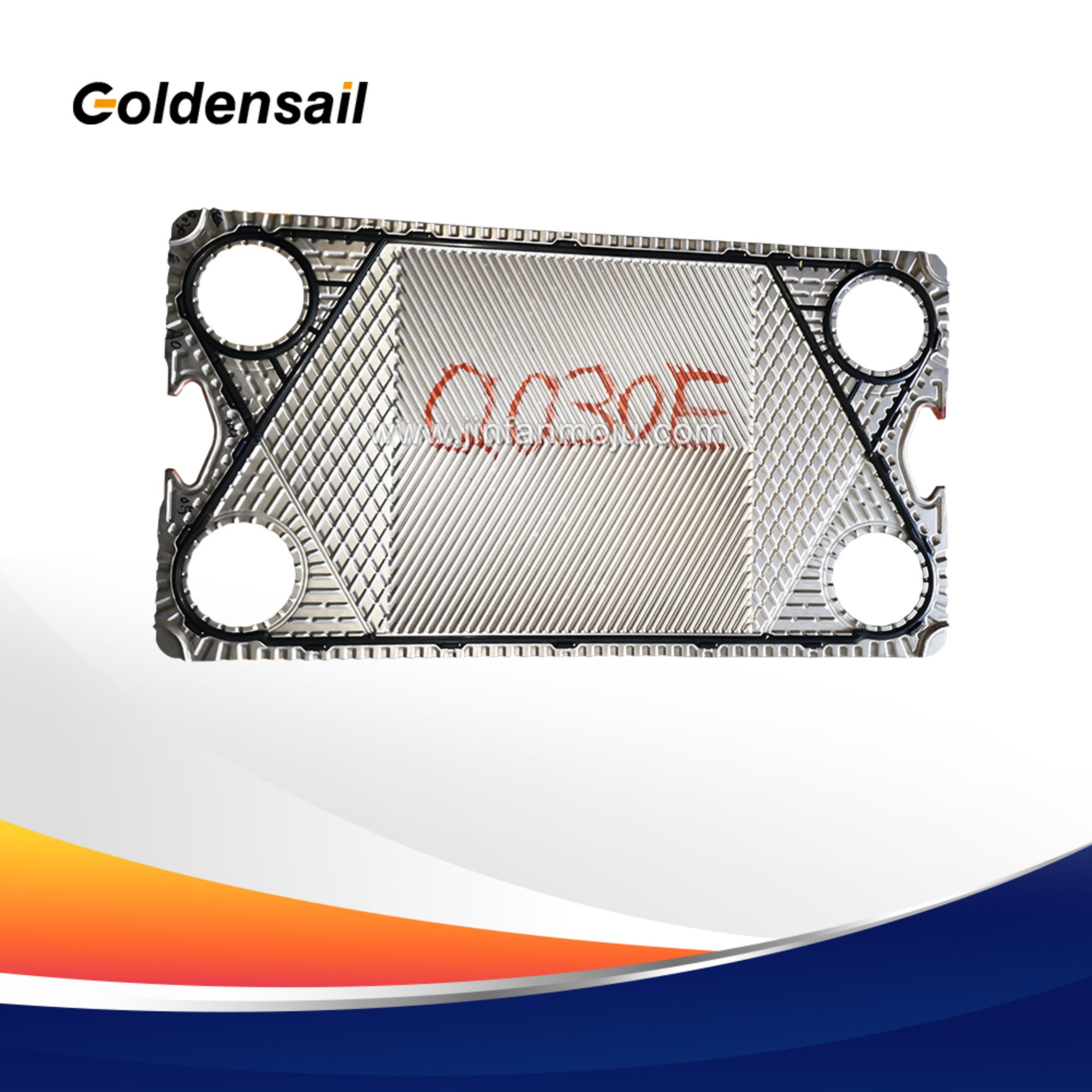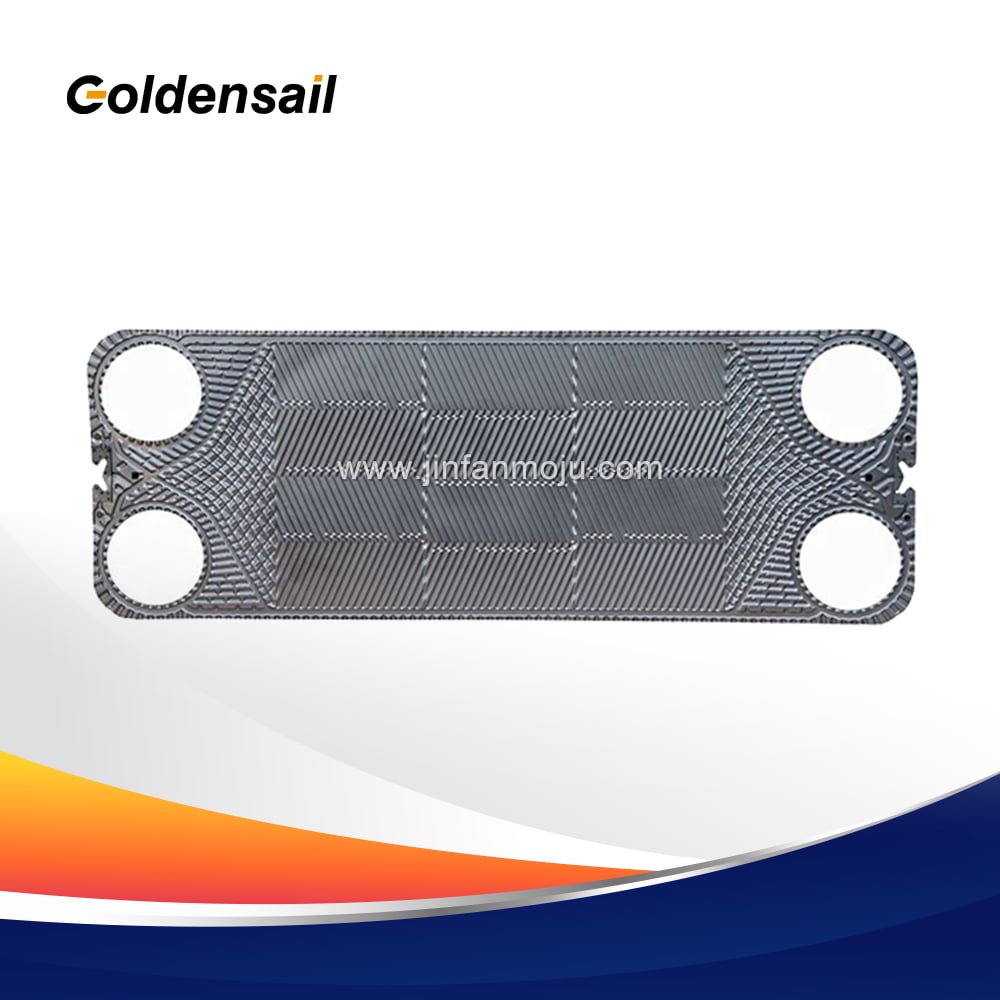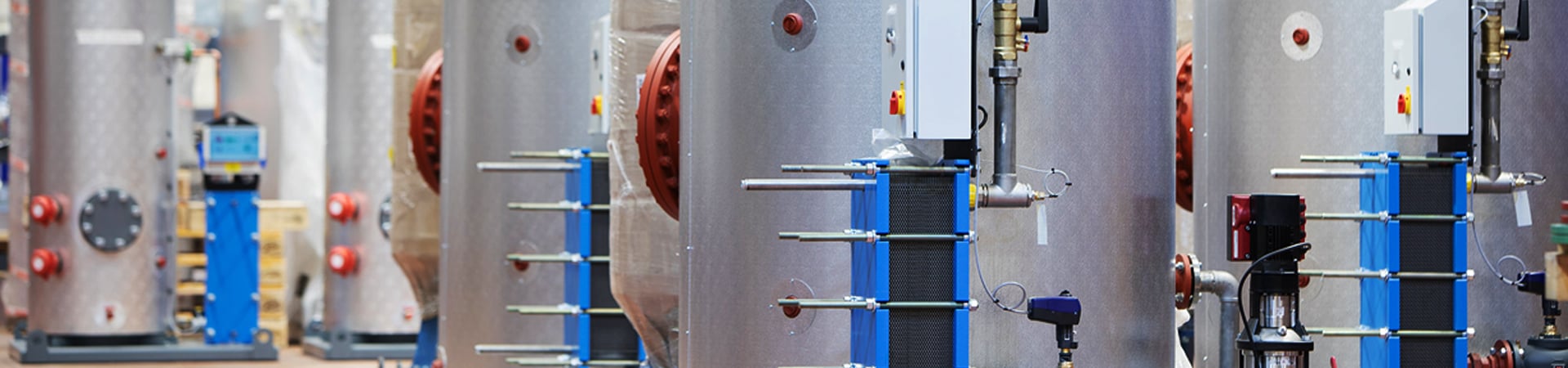
JINFAN offers sanitary plate heat exchangers specifically designed for the food industry. Application for milk pasteurization, juice UHT, and CIP heat recovery, etc.
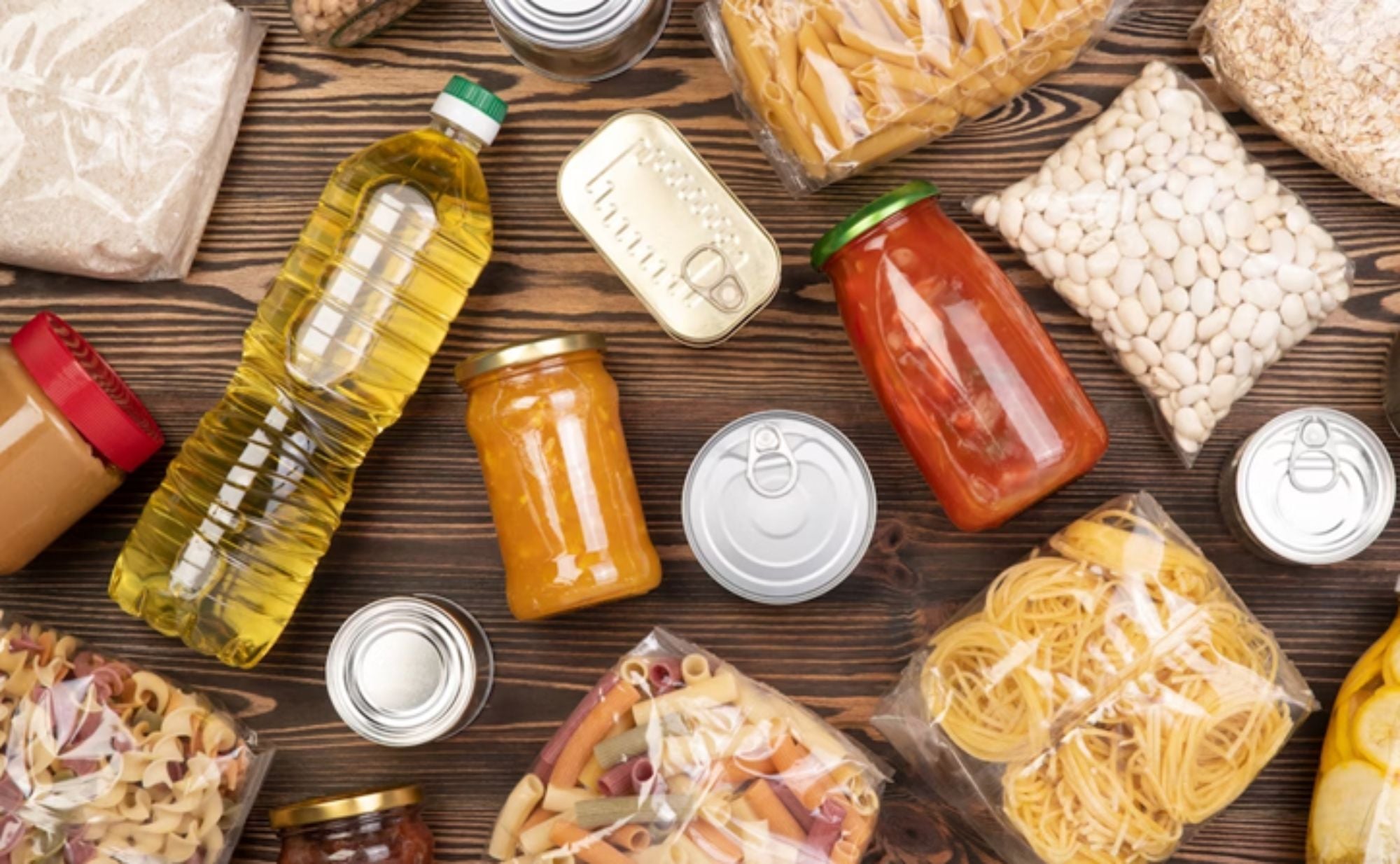
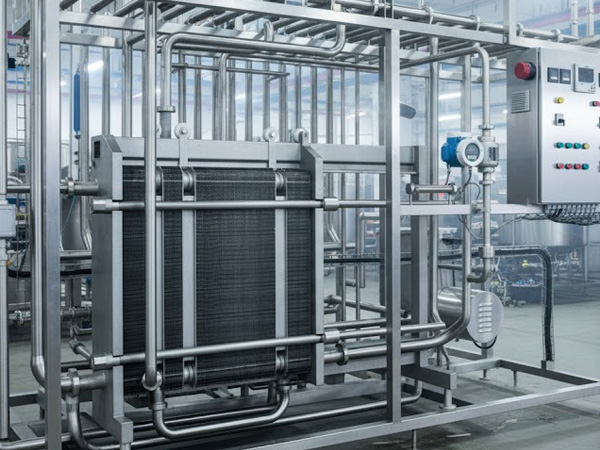
Food Production, from crop cultivation and processing to distribution, marketing, and retail. The food industry is a system of processes, packages, stores, and transports agricultural products, livestock and poultry products, and aquatic products through physical, chemical, or biological processes, closely tied to human life. From raw material processing to finished product production, connecting the crucial links between agriculture, manufacturing, and distribution. The food industry encompasses sectors such as groceries, beverages, and food service. Through scientific temperature control, high-quality, low-energy, sustainable production processes and food hygiene and nutritional value can be ensured.
Get in touchIn the Food Industry, temperature control, hygiene standards, product quality, and energy efficiency are key factors in determining production efficiency.
With the cooling or heating process, even the slightest temperature deviation can affect food safety and taste. Plate heat exchangers offer efficient and sensitive heat exchange capabilities, enabling precise temperature control, ensuring consistent product quality.
Food processing equipment must be easy to clean and prevent cross-contamination. Sanitary plate heat exchangers with smooth stainless steel surfaces and CIP-friendly design fully comply with international hygiene standards, ensuring a highly clean production environment.
Overheating can destroy sensitive nutrients and alter natural flavors. Plate type heat exchangers with high heat transfer efficiency and extremely short product residence time ensure sterilization while maximizing the preservation of food nutrients and taste.
Energy cost is a significant burden on food processing plants. The counterflow design of the plate frame heat exchanger can achieve a heat recovery rate of up to 90%, significantly reducing energy consumption and helping enterprises achieve green production and sustainable development.

Dairy products are one of the most important applications for plate type heat exchangers. In pasteurization processes for milk, yogurt base, and cream, stainless steel plate heat exchangers can quickly kill pathogens while preserving nutrients and flavor. In the UHT process for producing ambient temperature milk, the sanitary plate heat exchanger instantly heat the product to an ultra-high temperature and then rapidly cool it down. Plate frame heat exchangers are also used to save energy when cooling or preheating milk before and after pasteurization. Sanitary plate heat exchangers can also provide stable hot water heating for CIP systems in equipment and piping.
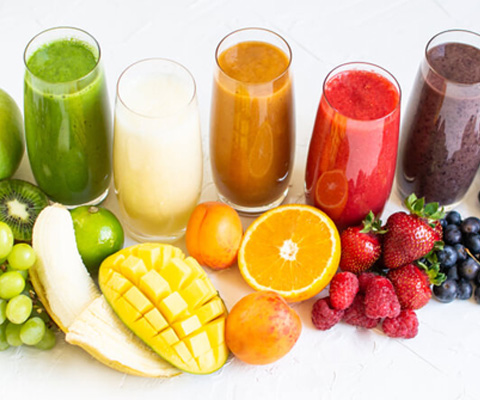
Plate exchangers are ideal for systems producing particulate-free or low-viscosity beverages. Sanitary plate heat exchanger s enable gentle pasteurization of fruit and vegetable juices, preserving vitamins and natural color. Sanitary plate heat exchanger are also used to cool carbonated beverages, tea, and coffee extracts in preparation for bottling. Gasket Plate heat exchangers are used to quickly cool beer wort to the set temperature to preserve the beer's flavor. Plate exchangers are also used for temperature control, heating, and cooling during wine fermentation.
Gasketed Plate heat exchangers are used for precise temperature control in the heating, cooling, and refining of edible oils; in the crystallization of fats like margarine; in the dissolution, heating, and cooling of syrups; and in the heating, cooling, or pretreatment of low-viscosity liquids such as soups, soy sauces, and vinegar.
Plate exchangers are used to recover heat from pasteurization or sterilization processes and use it to preheat the incoming raw product, significantly saving energy consumption such as steam and water. They are also used to heat or cool process water (such as cooling water, hot water, chilled water, and brine). Steam condensate generated for heating can be cooled or used to generate secondary steam.
| Type | Key Advantages (Food Industry) | Typical Applications |
|---|---|---|
| Gasketed | Easy to disassemble for inspection and maintenance; flexible plate combinations; good thermal performance for pasteurization and heating/cooling duties. | Milk pasteurizers, CIP-friendly heat recovery, dairy processing, beverage heating/cooling. |
| Hygienic | Designed for sanitary lines: smooth finishes, minimal dead zones, fully drainable; optimized for CIP and aseptic processing. | Aseptic juice, UHT preheating/cooling, pharmaceutical-grade food lines, high hygiene dairy processes. |
| Condenser | Optimized for condensing vapors—high thermal duty with controlled pressure drop; robust for refrigeration loops in food plants. | Vapor condensers in refrigeration, evaporator condensate recovery, steam condensation in cookers. |
| Evaporator | Engineered for boiling/evaporation tasks with good turbulence control to limit fouling and ensure uniform evaporation. | Concentration of juices, milk powder plants, evaporative concentration, vacuum evaporation systems. |
| Semi-welded | Welded on one media side and gasketed on the other — combines leak-tightness for aggressive fluids with maintainability for the product side. | Carbonated beverages, solvent-laden cleaning loops, product-side sanitary processing where one side needs hermetic sealing. |
| High Pressure | Built to withstand elevated pressures and temperatures — suitable where sterilization or high $\Delta P$ is required. | Sterilization cycles, high-pressure heating/cooling, processes with pumps that generate high system head. |
| Wide-gap | Large flow channels reduce clogging and pressure drop for viscous or particulate-laden fluids; easier to clean mechanically. | Thick sauces, pulpy juices, dairy with particulate, brewery wort handling, filtration support. |
| Bloc | Compact, leak-free construction (often brazed blocks) — small footprint, excellent for closed-loop heat recovery and localized duties. | Compact pasteurizer skids, beverage vending systems, heat recovery on small process lines. |
Every food production process is unique. JINFAN customizes your plate frame heat exchanger based on product, flow rate, and temperature requirements, ensuring maximum efficiency and precise temperature control.
JINFAN stainless steel plate heat exchangers feature a hygienic design and high-quality stainless steel to minimize residue accumulation and prevent cross-contamination, meeting stringent food safety standards.
Our optimized plate corrugation design and counterflow structure achieve up to 90% heat recovery efficiency, significantly reducing steam and cooling energy consumption while supporting sustainable production goals.
With advanced manufacturing equipment and strict quality control, each sanitary plate heat exchanger maintains stable performance under demanding conditions. We offer global technical support and responsive after-sales service to ensure your system operates smoothly.
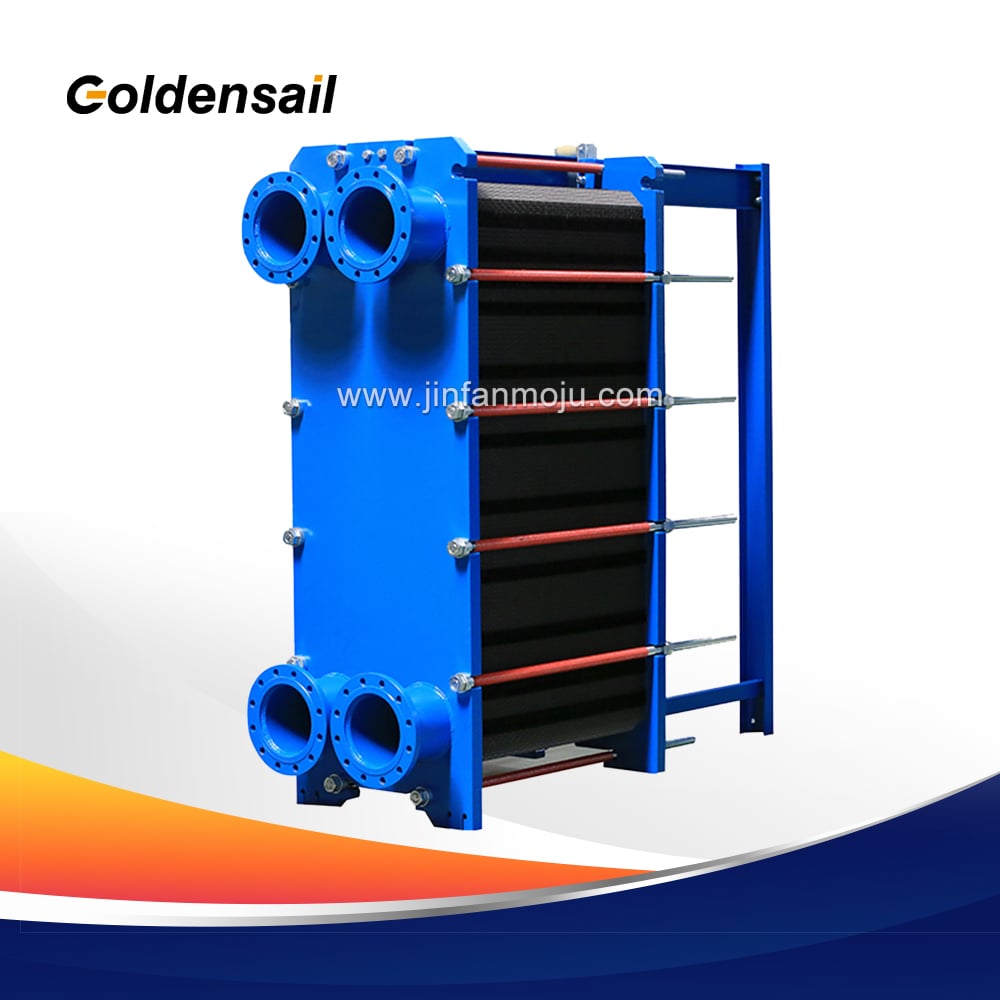
Removable for easy maintenance and inspection. We offer hundreds of plate types, multiple materials, and multiple gasket models.
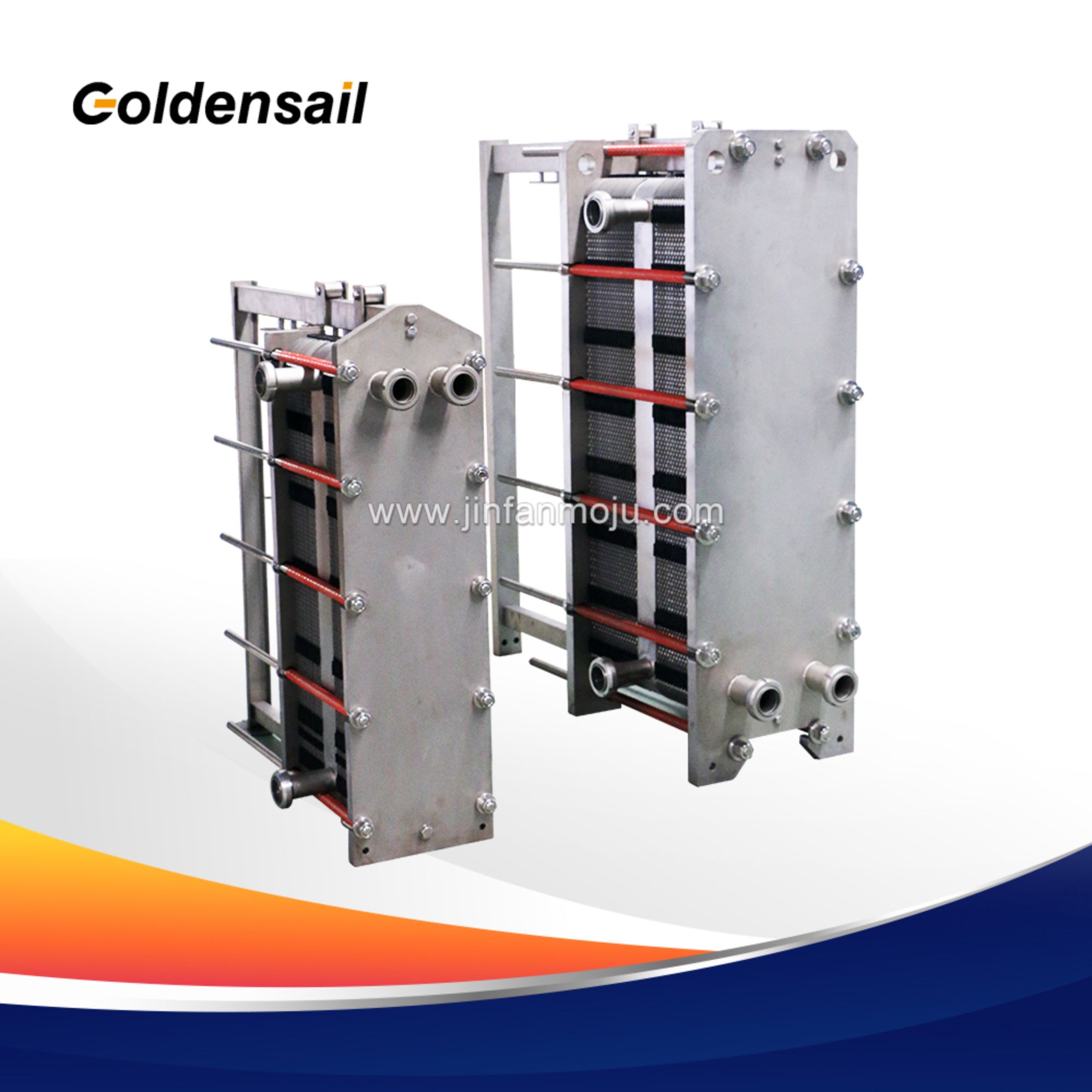
Made of food-grade materials and designed without dead angles, it is of high standard and has zero risk of contamination.
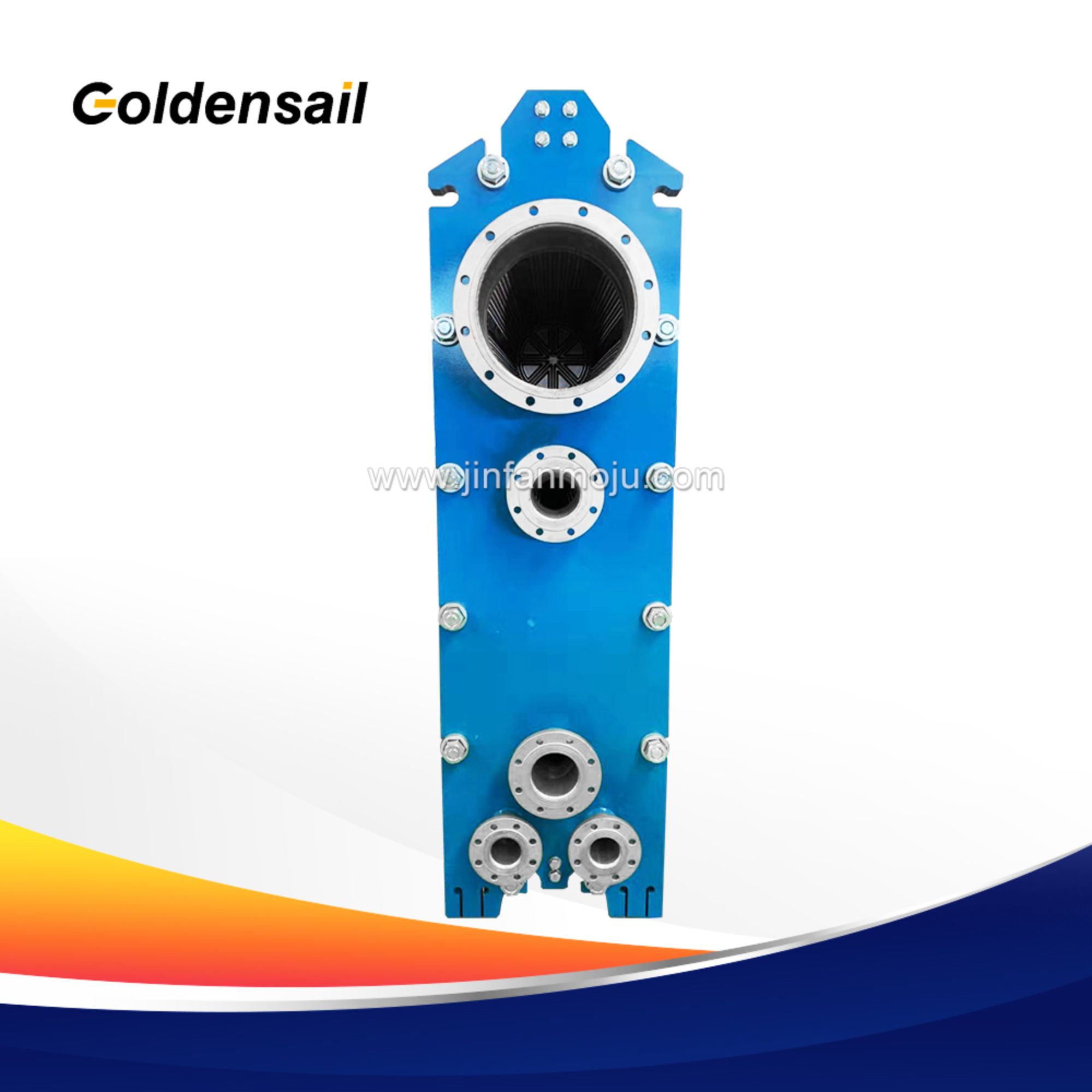
Specially manufactured for phase change processes such as steam condensation, achieves extremely high heat recovery.
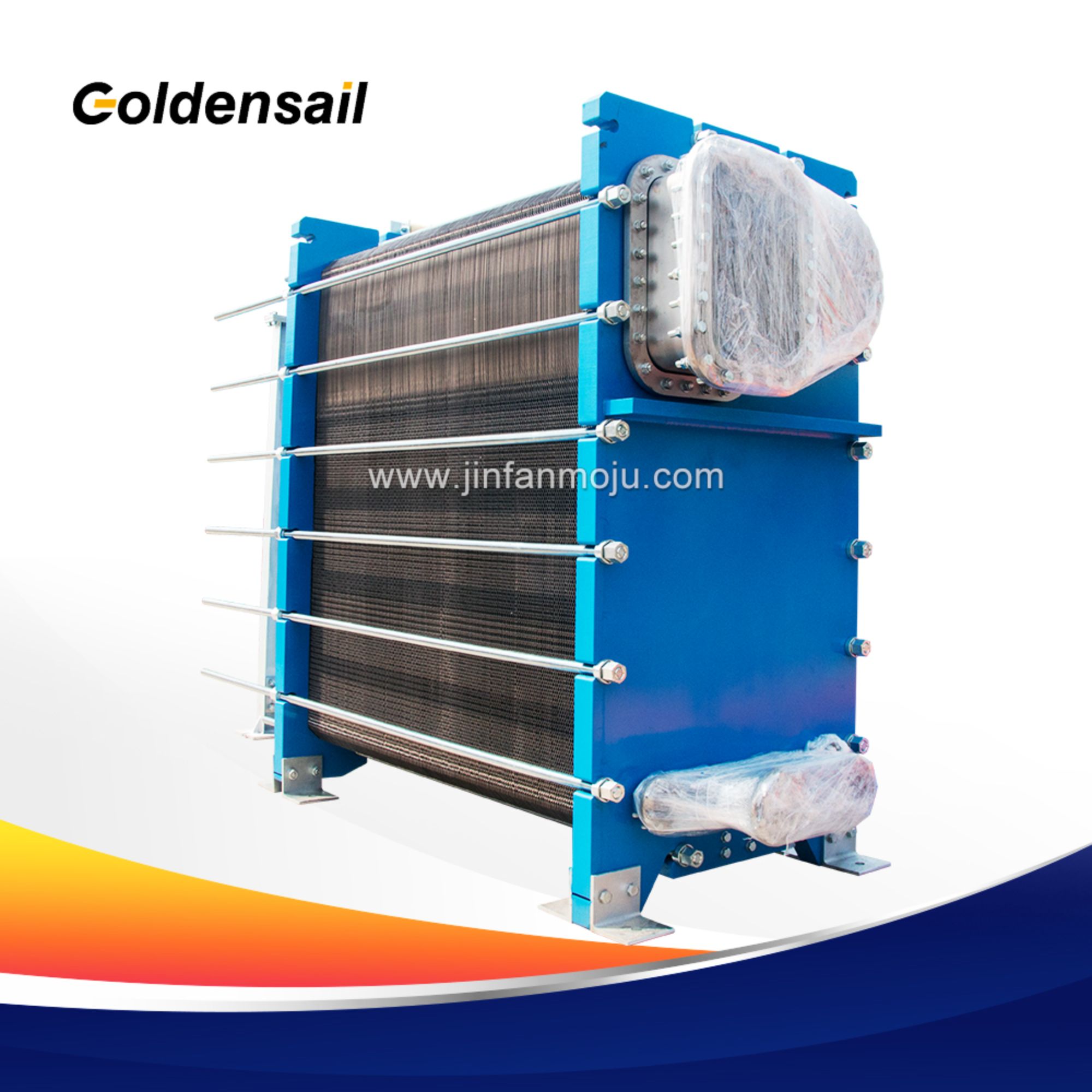
Specially designed and manufactured for liquid evaporation, the special flow channel design can achieve extremely high heat transfer efficiency.
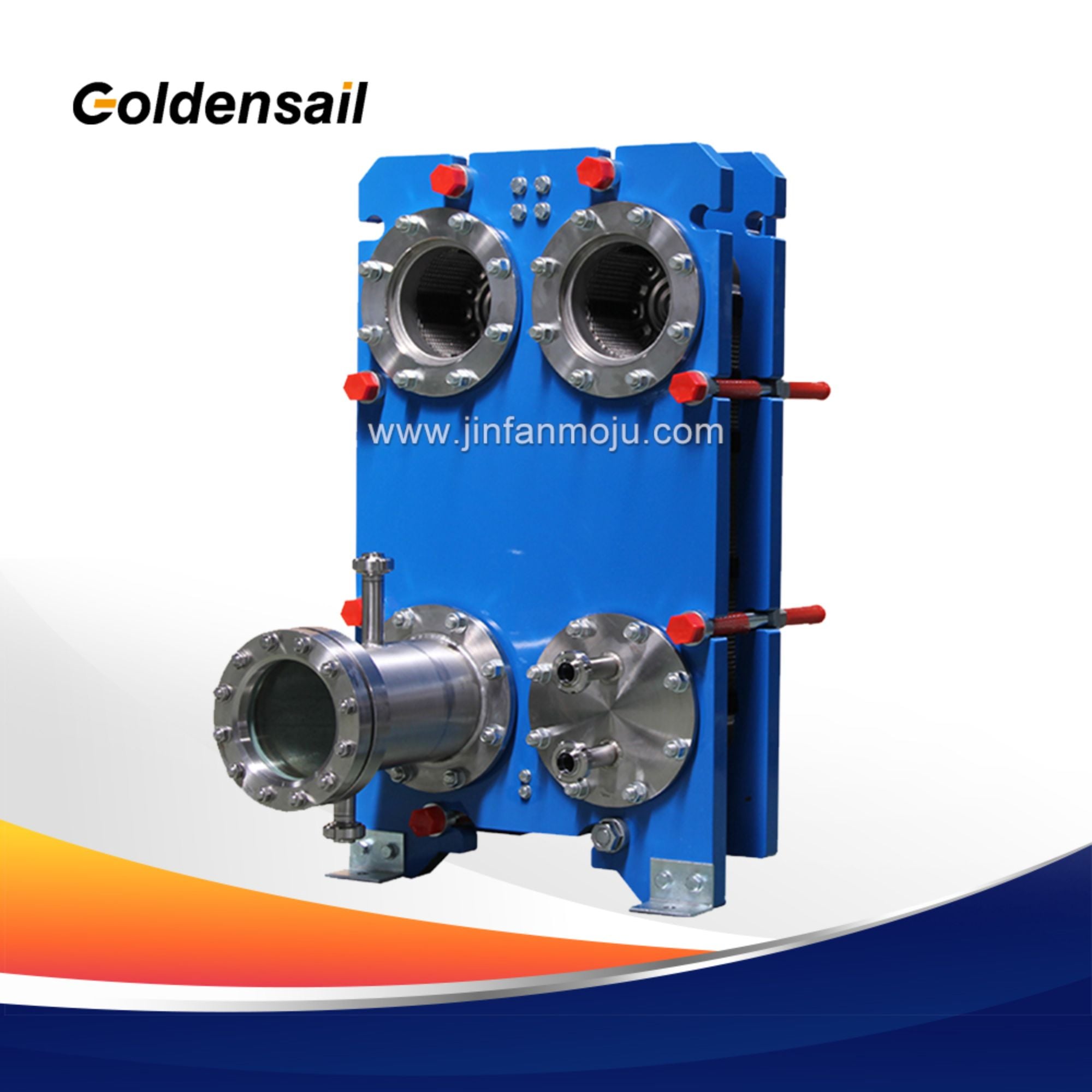
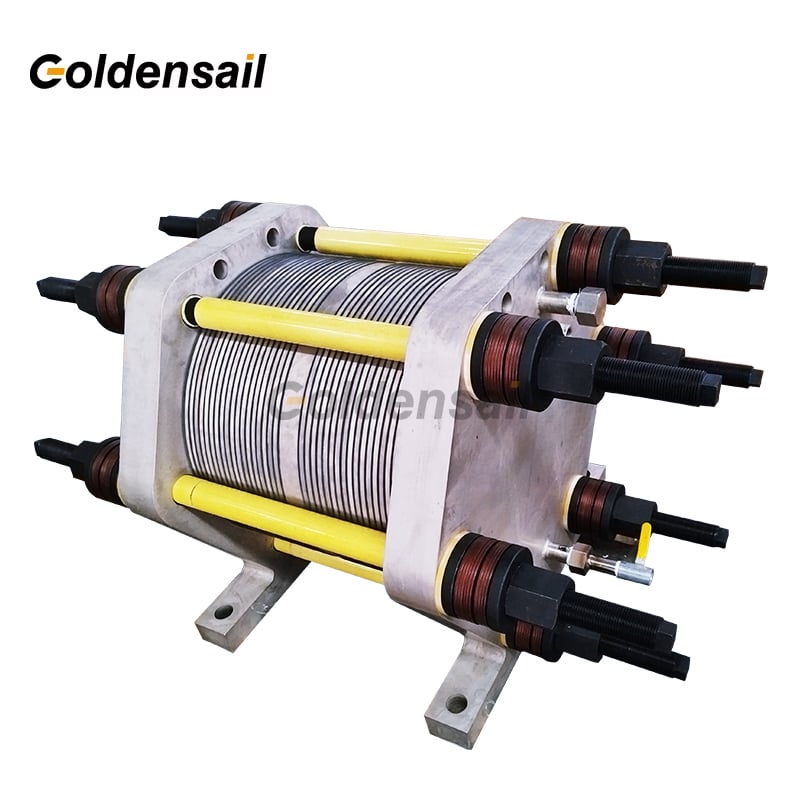
Ideal for high pressure and corrosive media. We have various specifications of welded plate bundles.
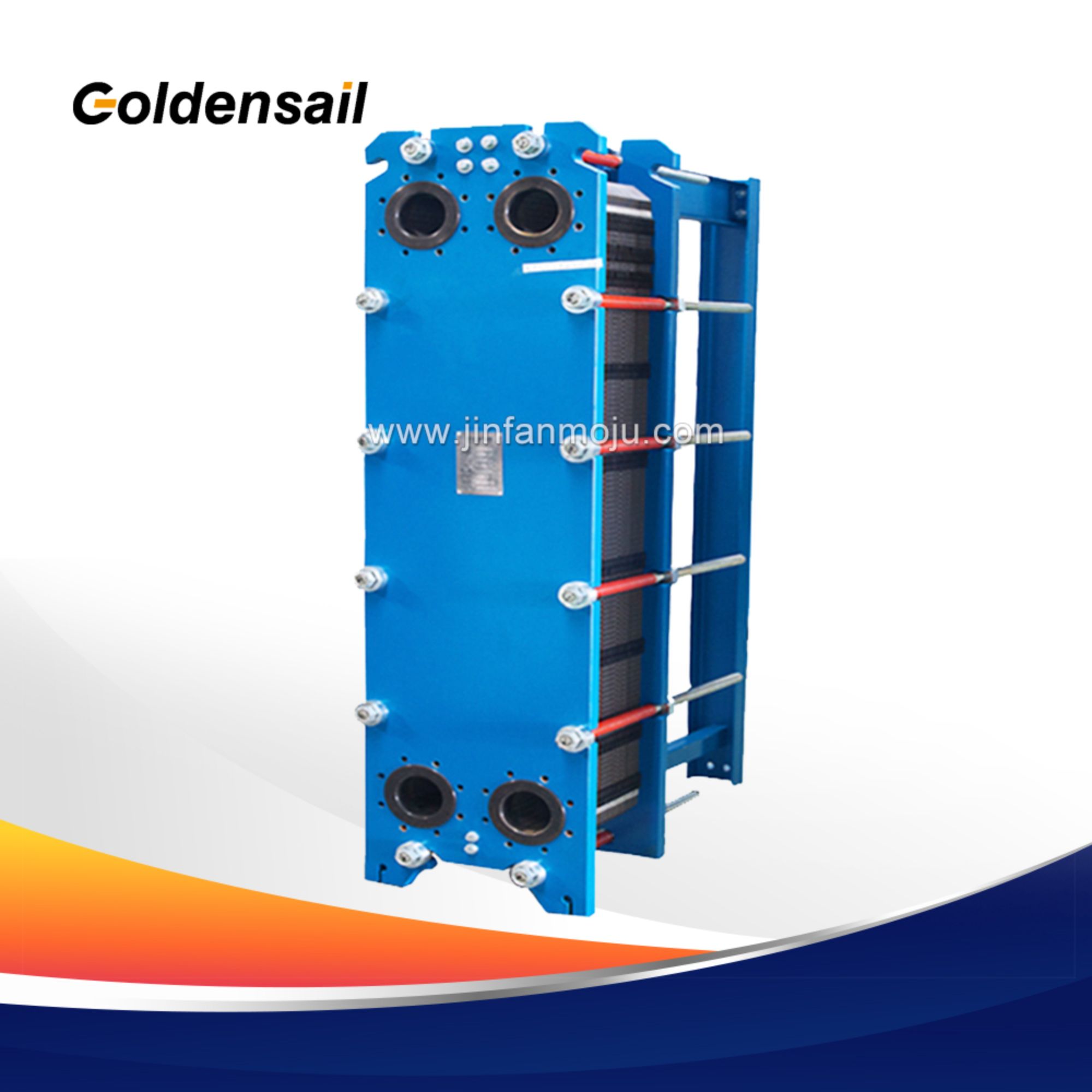
Aimed at energy and high-end manufacturing, it is suitable for ultra-high pressure applications such as high-pressure hydrogen production.
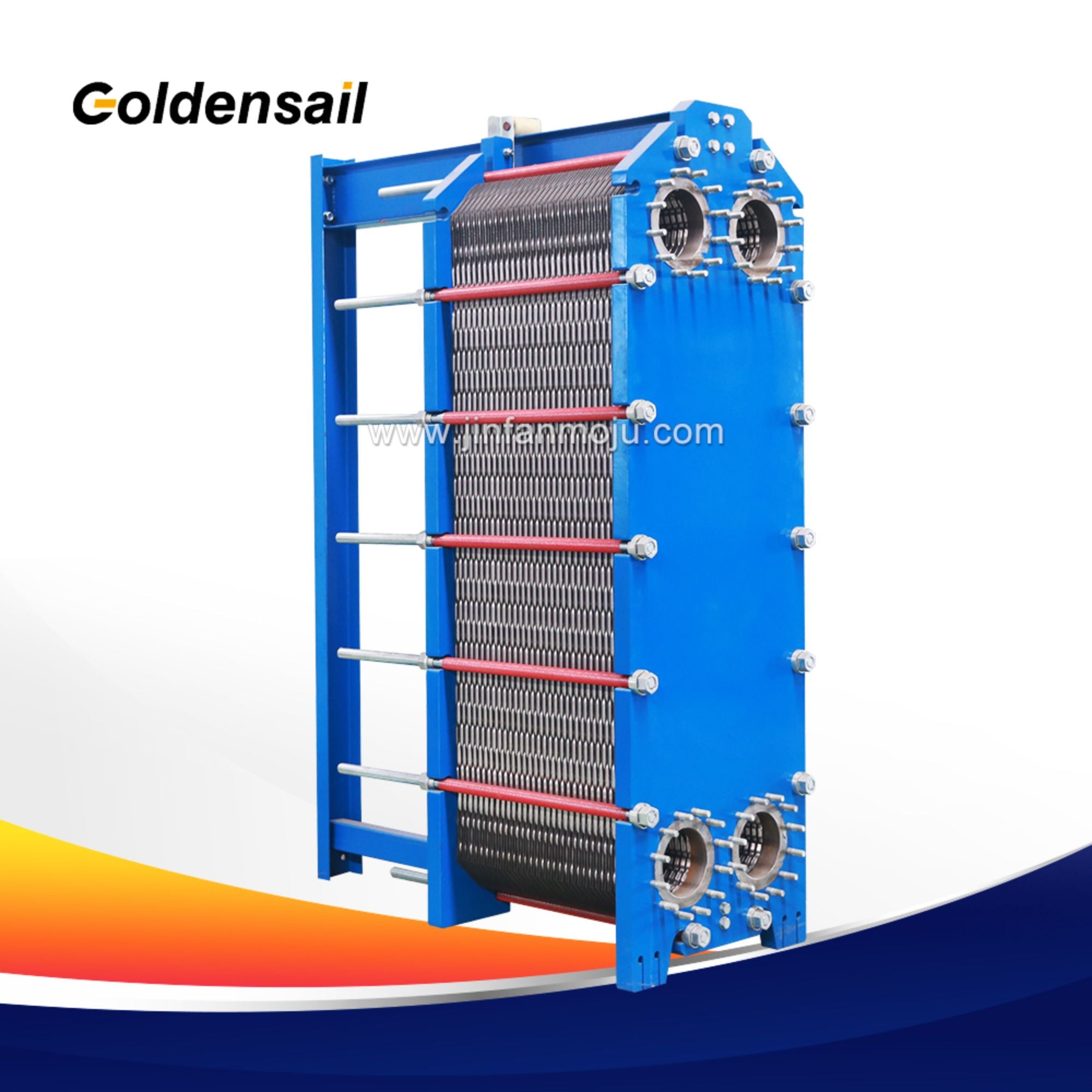
The unique wide flow channel design can easily handle media containing particles, fibers, pulp or high-viscosity liquids.
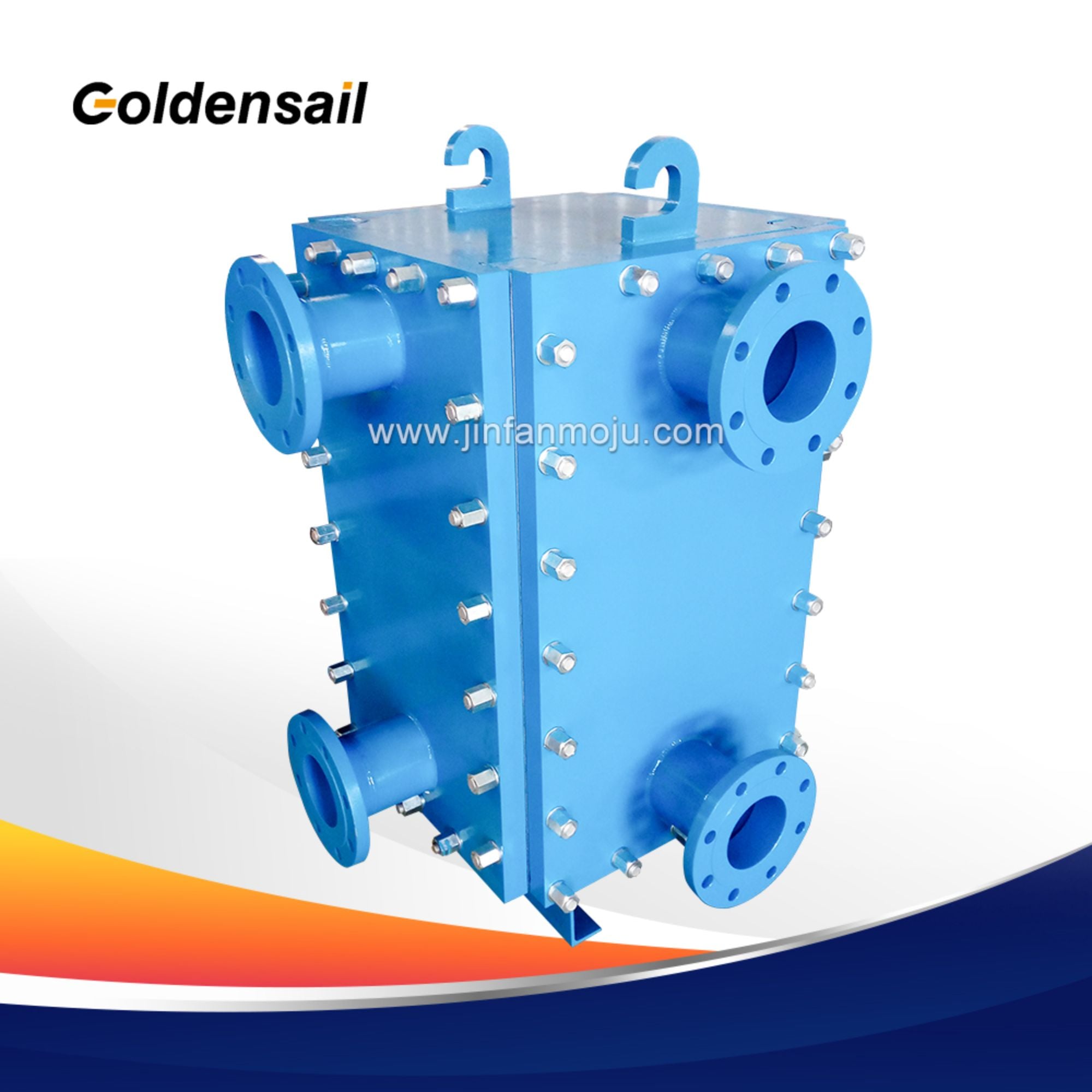
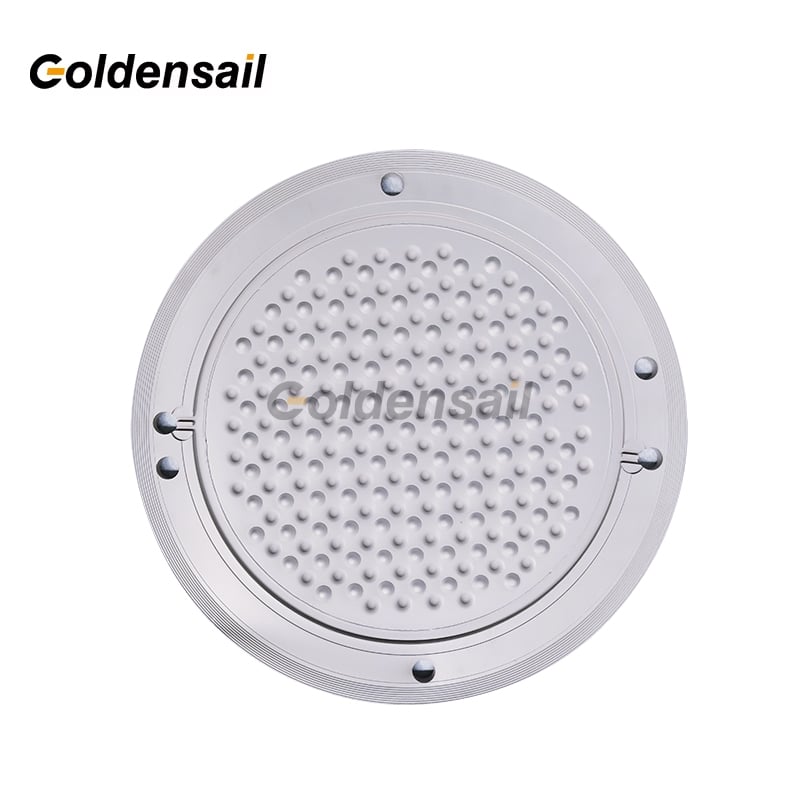
Without any gaskets, the risk of leakage is eliminated. It is widely used in the highest temperature, pressure and strong corrosiveness.
 EN
EN
 AR
AR
 FR
FR
 DE
DE
 PT
PT
 RU
RU