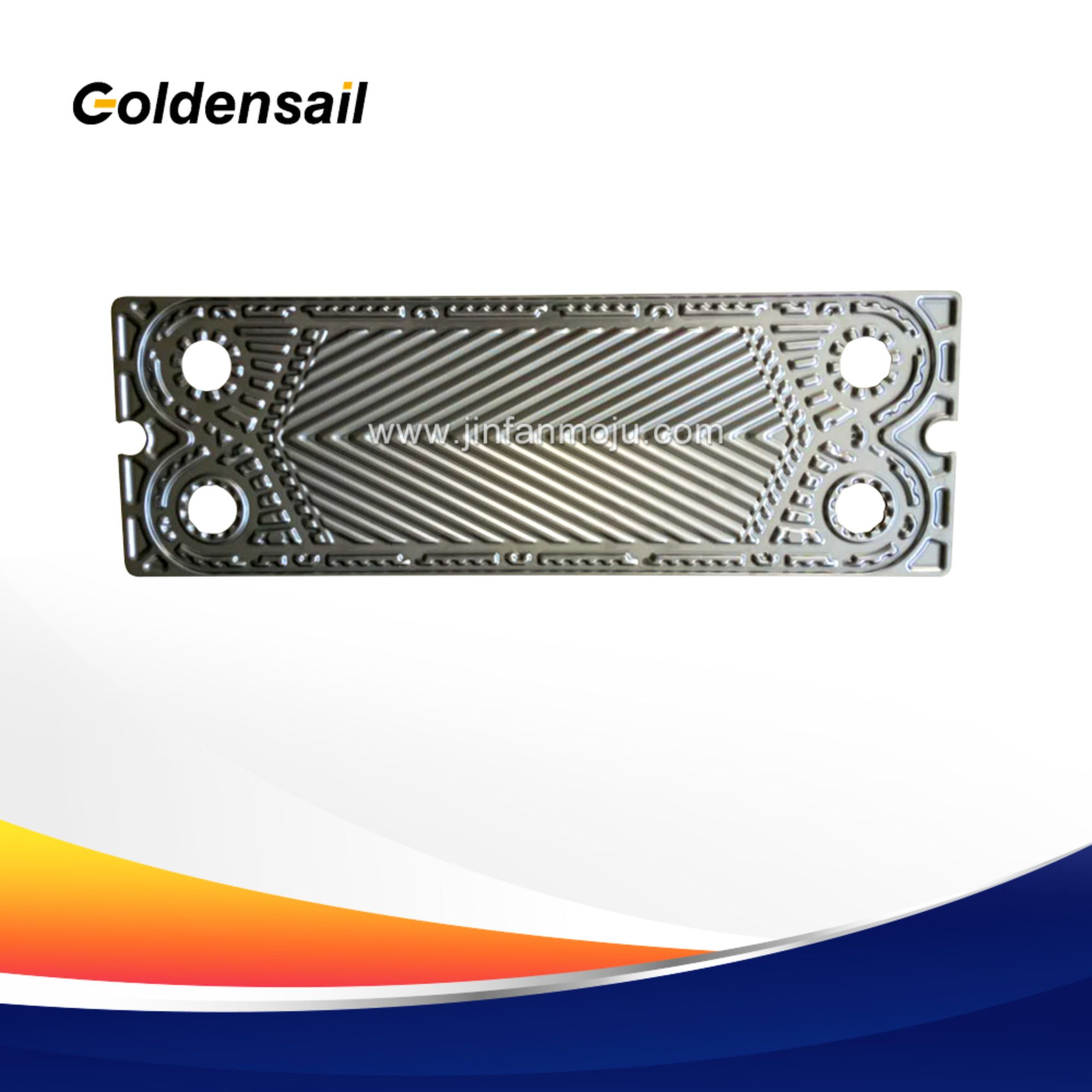
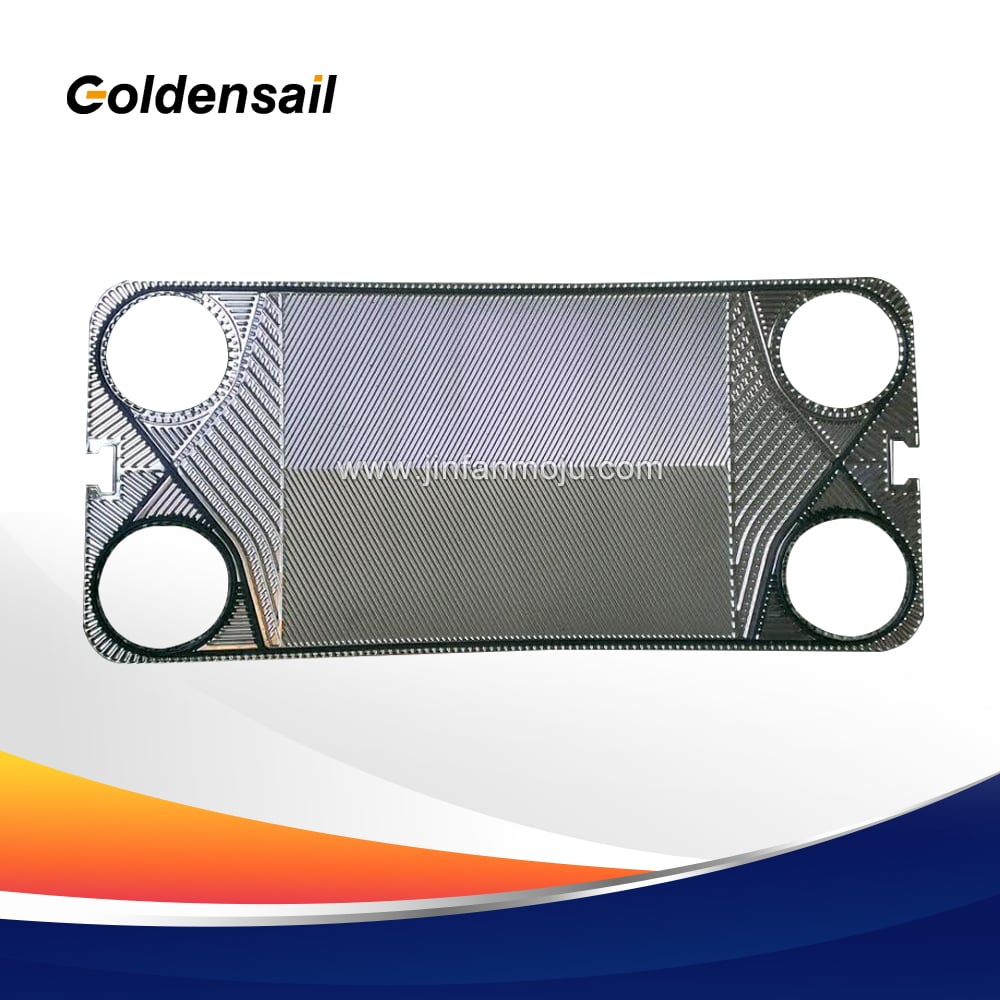
In industrial cleanrooms with stringent production requirements, such as pharmaceuticals, bioengineering, precision electronics, and high-end food and beverage, every detail is crucial to the quality and safety of the final product. Precise temperature control is a key factor in product quality and yield. Whether it's the sterilization and heating of fermenters, the rapid cooling of intermediate products, or the constant temperature and humidity control of cleanrooms, all rely on the efficient and stable operation of heat exchange equipment. Among these, stainless steel plate heat exchangers, with their superior heat exchange efficiency and compact structure, have become the preferred choice for cleanroom systems. The plate heat exchanger frame, in fact, is a vital component supporting the precise, safe, and clean operation of the entire heat exchange process.
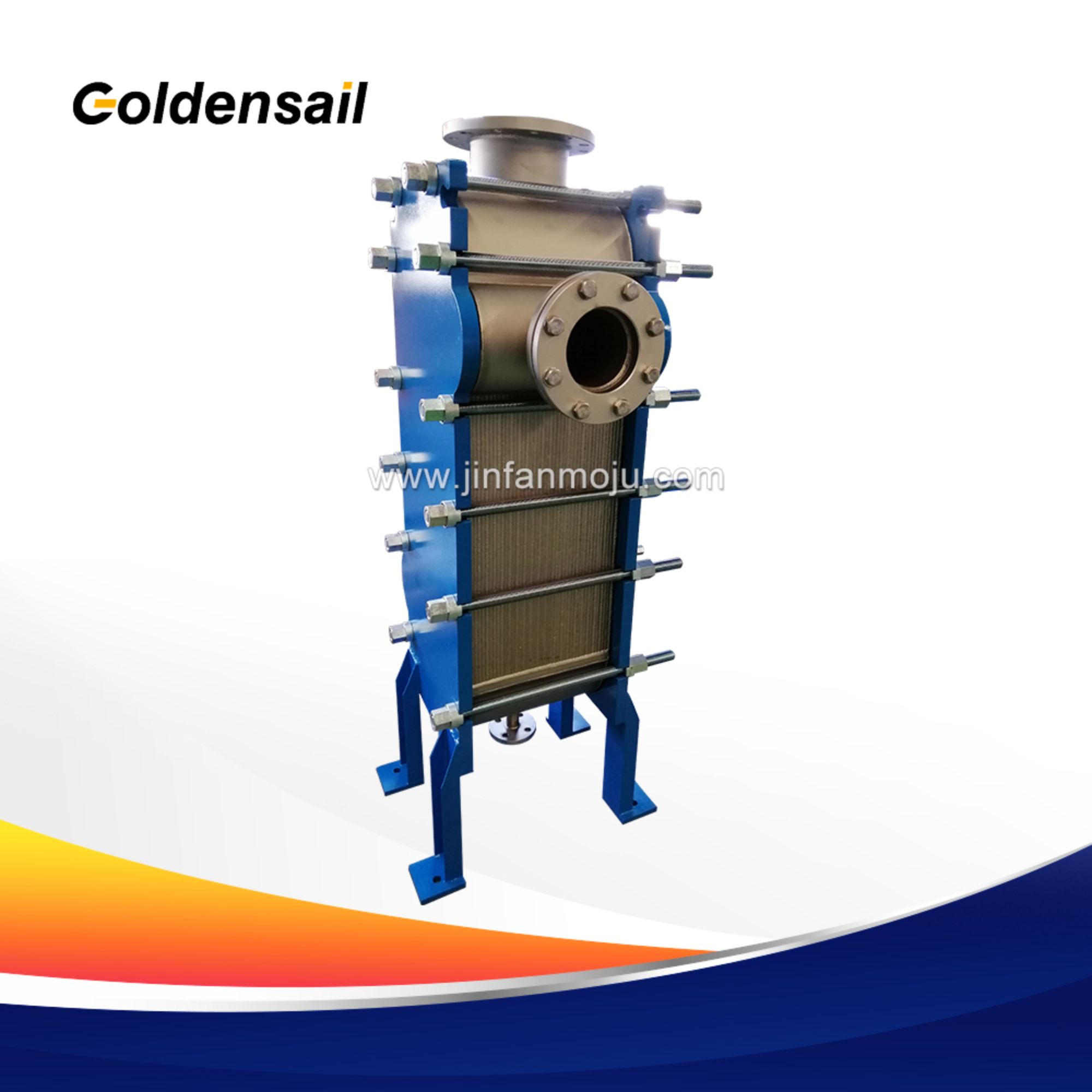
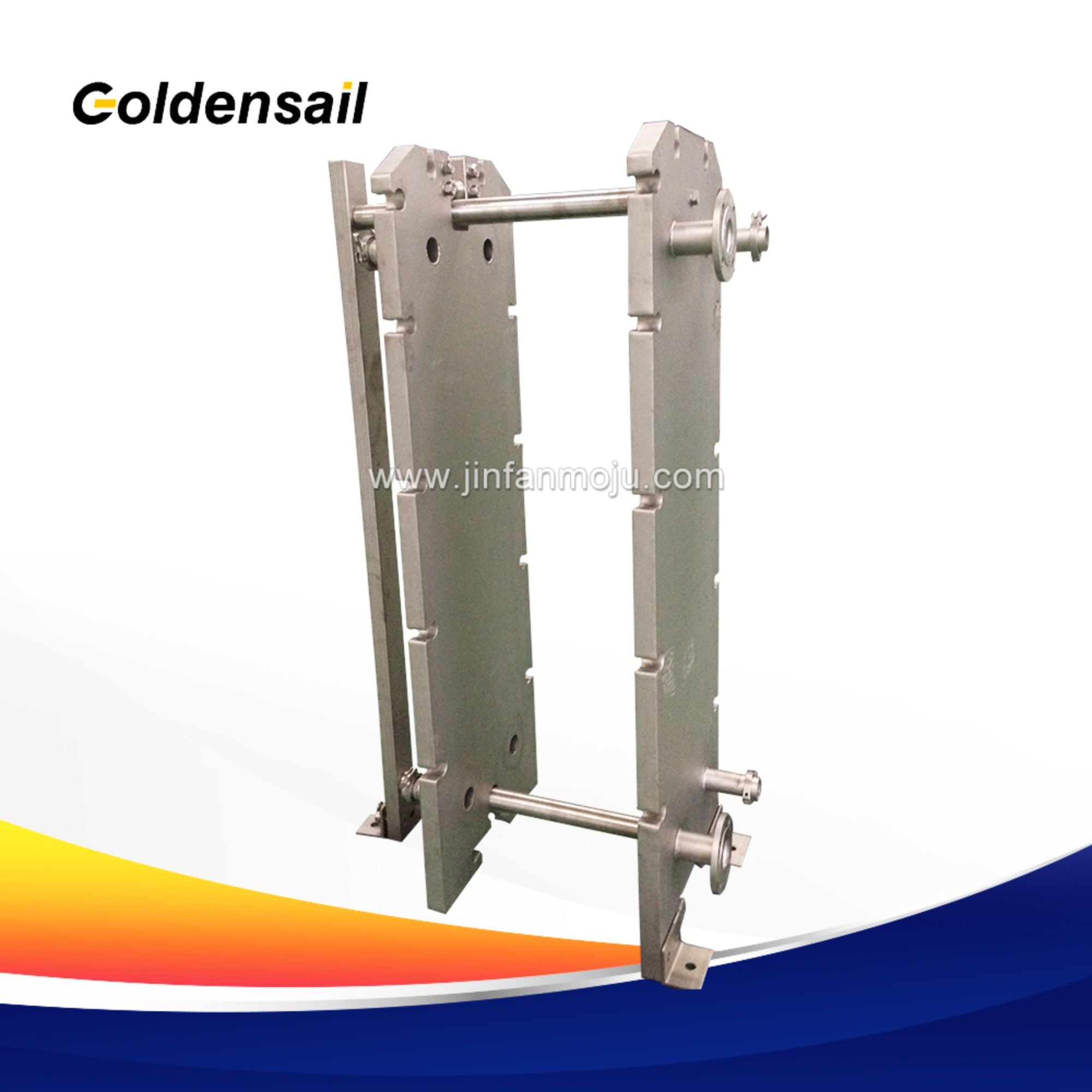
A standard gasket plate heat exchanger frame typically includes the following five key components:
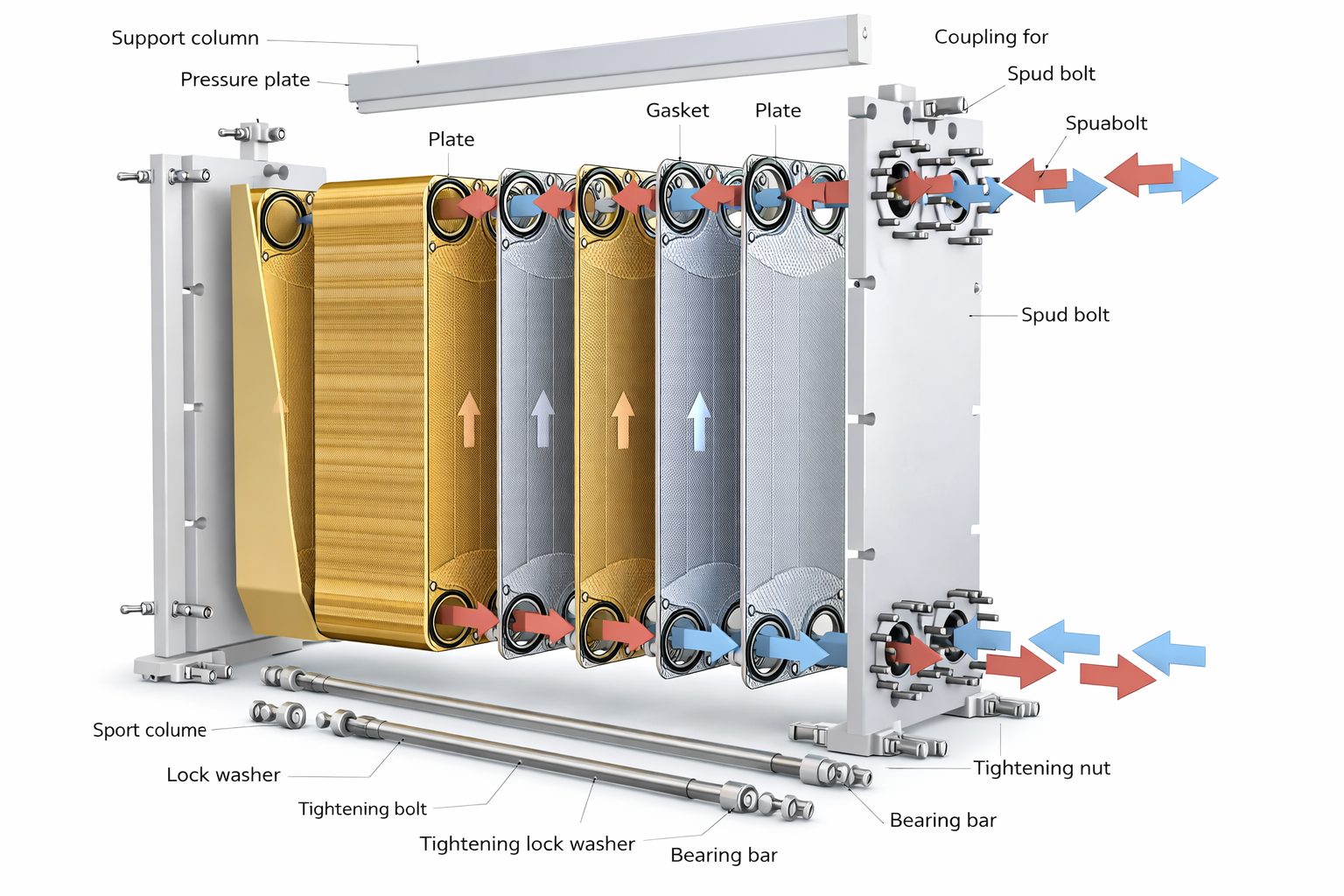
Fixed Plate: Usually thicker, fixed to the foundation with anchor bolts. All inlet and outlet connections (flanges) are usually located on this side.
Movable Plate: Located at the other end of the plate assembly, it can slide along guide rods. Its function is to distribute pressure to the plates evenly.
Guiding Bars: The tracks that support the plates and the movable pressure plate. The upper guide rod serves as a load-bearing and guiding element, while the lower guide rod prevents the plates from swaying left and right.
Support Column: The upright column supporting the ends of the guide rods ensures the stability of the PHE frame structure.
Tightening Bolts: Screws evenly distributed around the clamping plate generate significant clamping force through the rotation of the nuts, overcoming the pressure of the internal fluid.
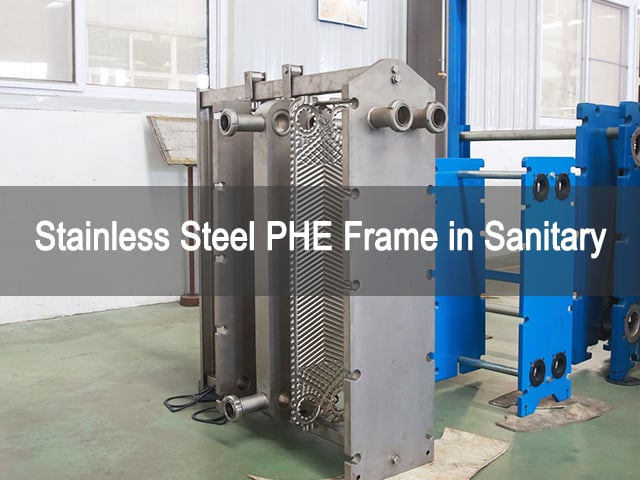
The frames of stainless steel plate heat exchangers are generally made from 304 or 316L stainless steel, with a high-quality surface finish. Through mechanical polishing and passivation treatment, a tight oxide layer forms on the surface, which eliminates the rust and coating peeling problems common in carbon steel frames. This also makes it harder for microorganisms and dust to settle and grow on the surface. Following the same hygienic design standards as cleanroom walls and floors, the frame surface is smooth, free of dead corners, corrosion-resistant, and easy to clean. It can withstand daily disinfection by a variety of chemical disinfectants and high-temperature pure steam without degradation. Because the surface does not rust or corrode, the outer structure of the equipment poses no contamination risk to the cleanroom environment.
The stainless steel plate heat exchanger frame holds up well under demanding operating conditions, thanks to its solid mechanical properties and resistance to thermal stress. Heavy-duty fixed and movable clamping plates, paired with high-strength bolts, keep the equipment sufficiently rigid under high temperature and pressure, preventing structural deformation. Upper and lower guide rods allow all plates to move freely along fixed tracks during thermal expansion and contraction, reducing the chance of plate damage or seal failure from localized thermal stress. The structural stability that comes from a well-built frame leads directly to a longer service life, reduced maintenance needs, and greater operational safety — all of which matter greatly in cleanroom settings where continuous production is required and unplanned shutdowns must be avoided.
| Evaluation Dimension | Key Requirements & Clean System Relevance | Selection Guidelines |
|---|---|---|
| Material Grade | Must be non-particle shedding, corrosion-resistant, and easy to clean to withstand frequent sterilization and hygienic environments. | 316L stainless steel is recommended. Its molybdenum content provides superior resistance to chloride corrosion compared to 304 stainless steel. Material certificates must be verified to comply with ASTM or GB standards. |
| Surface Treatment | Reduces surface roughness (Ra), preventing microbial adhesion and biofilm formation, which is essential for compliance with GMP standards. | Contact surfaces should undergo mechanical polishing or electropolishing, ensuring surface roughness Ra ≤ 0.8μm. Passivation treatment is recommended to further enhance corrosion resistance. |
| Structural Strength & Thickness | Must withstand clamping force and operational stress to prevent deformation and ensure long-term sealing reliability. | The fixed pressure plate is typically thicker than the movable plate (about 1.5–2 times) to withstand combined pressure loads. Thickness should be calculated based on design pressure (e.g., 1.0 / 1.6 MPa). For large units, fixed plates may reach 40–50 mm thickness. |
| Guide Bars & Clamping Bolts | Guide bars support and align the plate pack, while bolts provide uniform clamping force. Both must be corrosion-resistant. | Guide bars are recommended to be stainless steel or galvanized carbon steel. Clamping bolts should be high-strength stainless steel or galvanized carbon steel, equipped with anti-loosening devices. Double-slope upper guide bar design improves plate stability. |
 EN
EN
 AR
AR
 FR
FR
 DE
DE
 PT
PT
 RU
RU