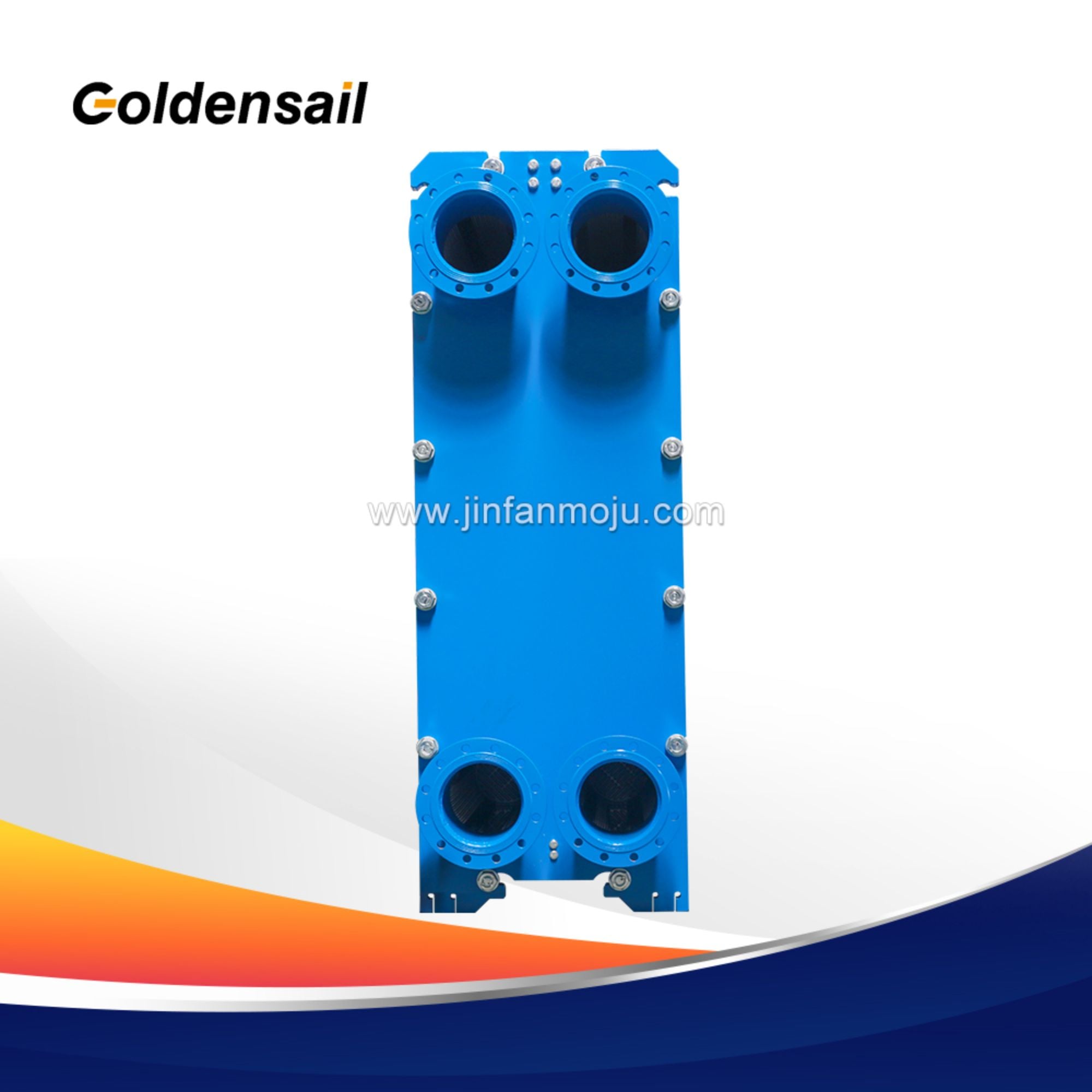
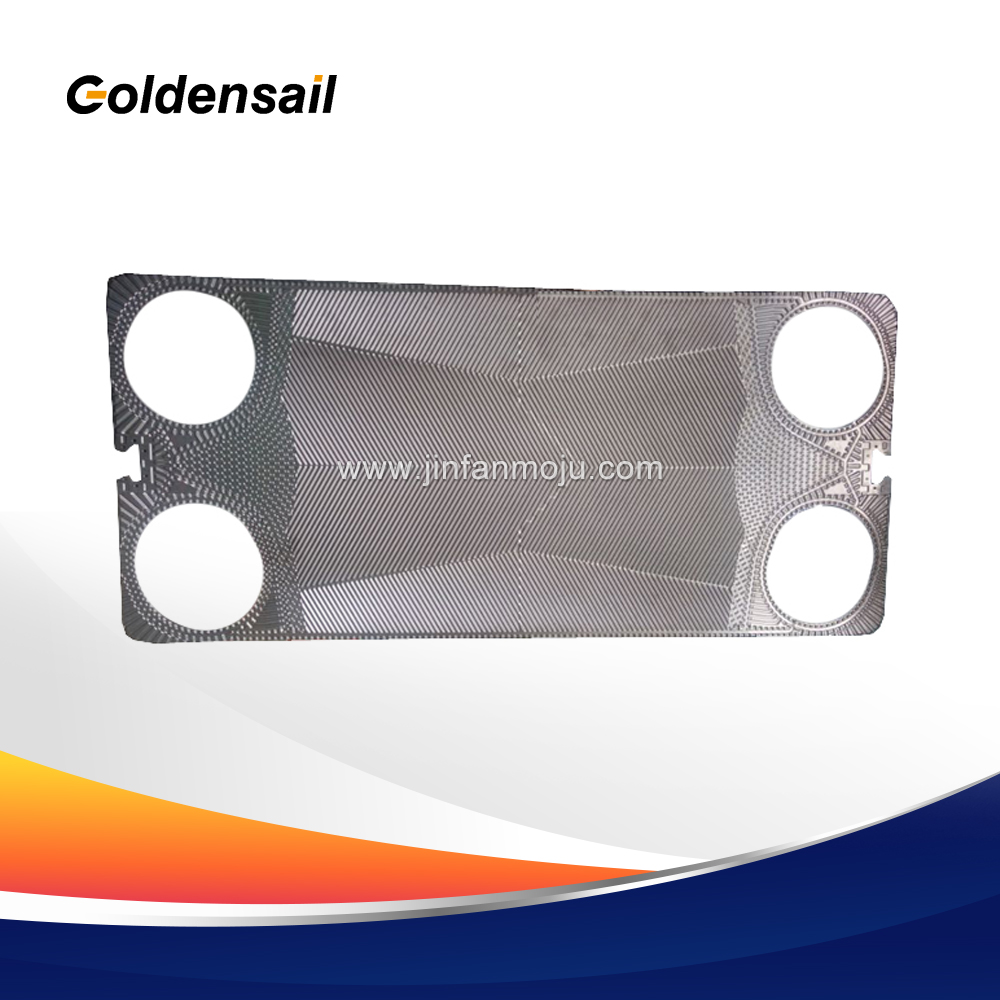
The service life of plate heat exchangers does not have a fixed limit, typically fluctuating between 10 and 25 years. The risks affecting the service life of plate type heat exchangers can be summarized into four dimensions: materials, operating conditions, operation and maintenance, and external factors. These risks often do not occur independently, but rather accumulate and accelerate equipment failure.
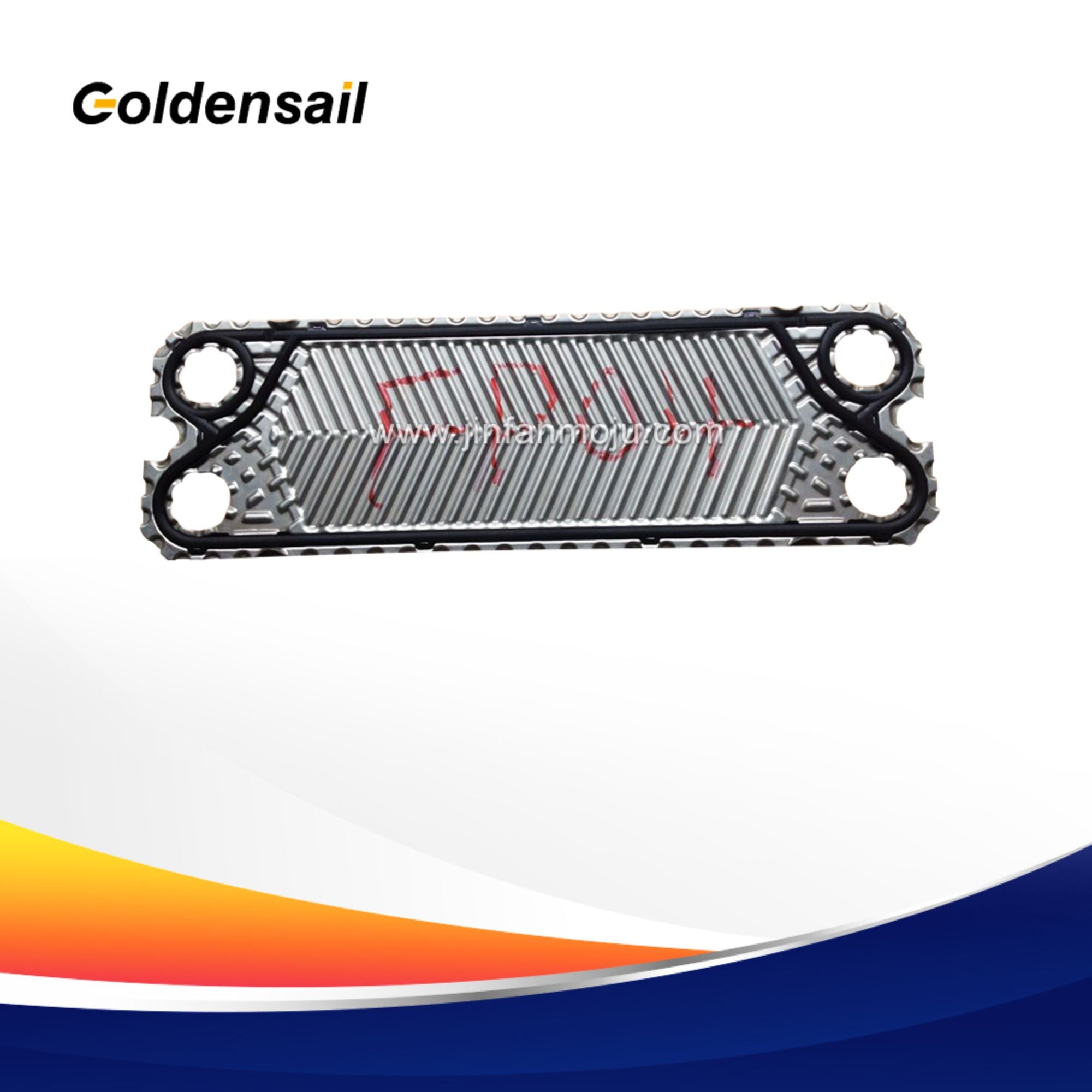
Plate heat exchangers mainly consist of PHE Plate and PHE Gasket.
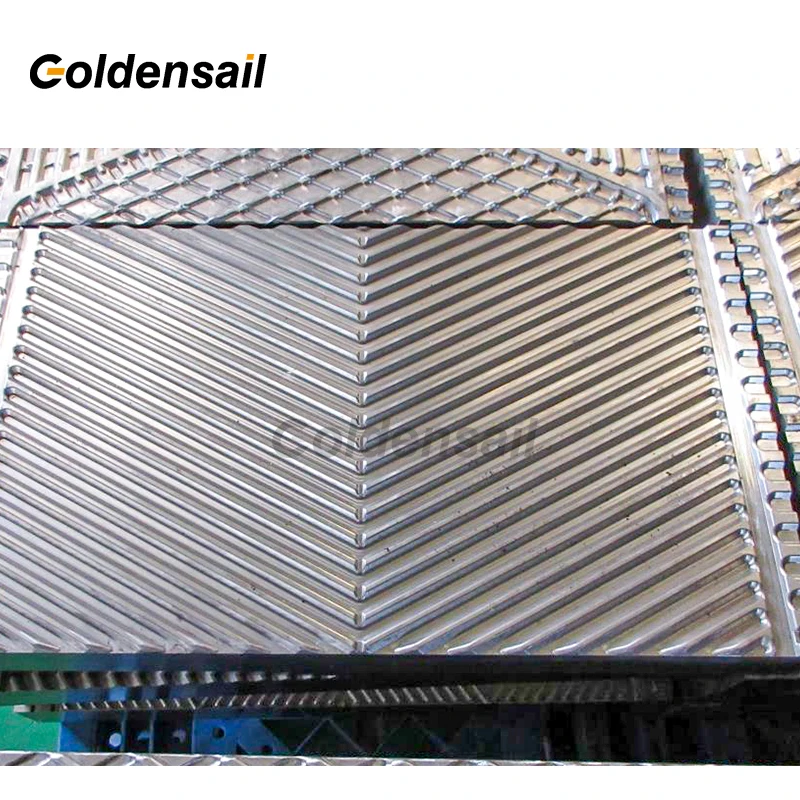
1.1 Heat Exchanger Plate
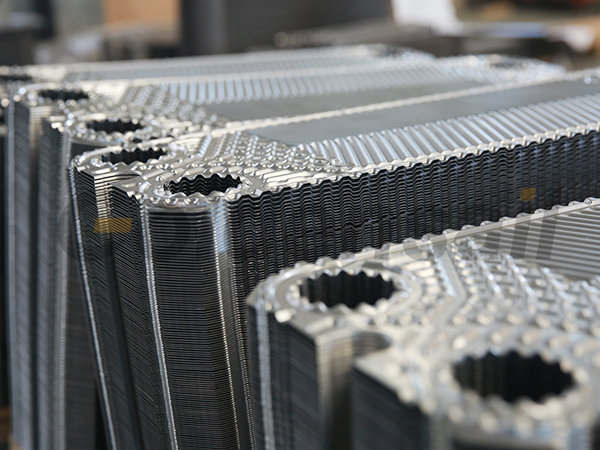
The lifespan of a PHE plate depends on the corrosion conditions. A 304 stainless steel PHE plate in circulating water or seawater with high chloride ion content may develop pitting corrosion and perforation within 2-3 years. 316L stainless steel typically has a service life of 10-15 years in typical industrial fluids. Titanium (Ti) or Hastelloy plates, in seawater and strong acid/alkali conditions, can have a lifespan of over 20 years; often, even after several gasket replacements, the plate remains intact.
| Material | Recommended Applications |
|---|---|
| 304 Stainless Steel | Clean water, oils, low-temperature fluids |
| 316L Stainless Steel | General industrial water, low chloride conditions |
| Titanium (Ti) | Seawater, high chloride, bromine-containing fluids |
| Hastelloy | Strong acids, strong alkalis, highly corrosive media |
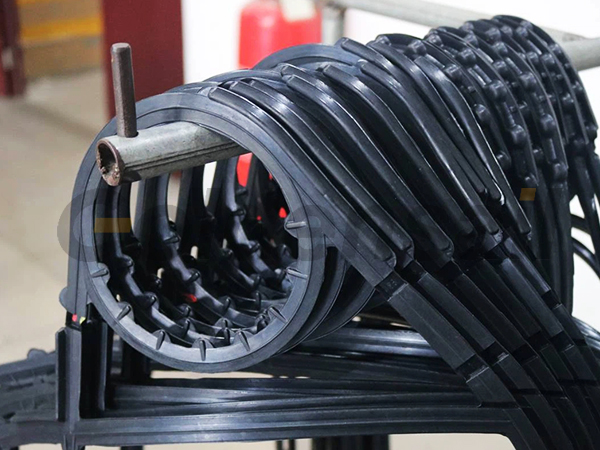
PHE gaskets are consumable parts and are crucial in determining the maintenance-free life of equipment. Under high-temperature conditions (especially >150°C), in media containing chlorine, or with frequent temperature fluctuations, the rubber will age, harden, and lose elasticity. Generally, EPDM gaskets last about 5-8 years under ideal conditions, and NBR gaskets about 3-5 years.
| Gasket Material | Suitable Media |
|---|---|
| EPDM | hot water, steam, softened water, dilute acids, alkalis, alcohols, food |
| NBR | mineral oil, fuel, lubricating oil, grease media, general industrial water |
| HNBR | oil-containing media at higher temperatures, refrigerants |
| Viton / FKM | high-temperature oil, fuel, strong acids, organic solvents |
| PTFE / Expanded PTFE | strong acids, strong alkalis, solvents, corrosive chemicals |
| CR (Chloroprene Rubber) | refrigerants, dilute acids, seawater, outdoor exposure environments |
2.1 Chloride Ion Corrosion
This is the most common failure mode of plate heat exchangers. Chloride ions penetrate the passivation film of stainless steel, forming micro-pits at the crests of the corrugations, gradually deepening until perforation occurs. Under tensile stress (such as compression or temperature difference), stress corrosion cracking (SCC) may occur. Mild cases result in pitting, perforation, and leakage; severe cases lead to brittle fracture.
JINFAN offer a full range of materials from 304 and 316L stainless steel to titanium plates and Hastelloy (C-276), Optimized corrugated plate design reduces stress concentration and improves SCC resistance.
👉 Provide your water parameters now — we will recommend the best corrosion-resistant solution for you.
2.2 Scaling and Blockage
Plate heat exchangers have narrow flow channels. If the water hardness is high and not softened, scaling not only drastically reduces heat exchange efficiency, but localized overheating or undercooling can also induce stress corrosion. Forced chemical cleaning, if improperly performed (such as using hydrochloric acid to clean stainless steel plates), can directly lead to hydrogen embrittlement or intergranular corrosion of the plates; a single improper cleaning can destroy the entire unit.
Our wide gap plate heat exchangers effectively reduce the rate of suspended solids deposition and scaling, extending cleaning cycles by 2-3 times. The wide gap series also offers a variety of material options, including 316L and titanium, ensuring the integrity of the plate substrate even during long-term operation in high-chlorine, high-hardness water.
2.3 Frequent System Start-up and Shutdown
Pump start-up and shutdown, and rapid valve closure generate pressure shock waves, creating instantaneous high pressure on plates and gaskets, leading to plate deformation, gasket displacement, and even plate tearing. Rapid switching between hot and cold media, or direct steam entry into an unpreheated heat exchanger, causes thermal stress, resulting in plate deformation, weld cracking (in fully welded types), and gasket fatigue failure.
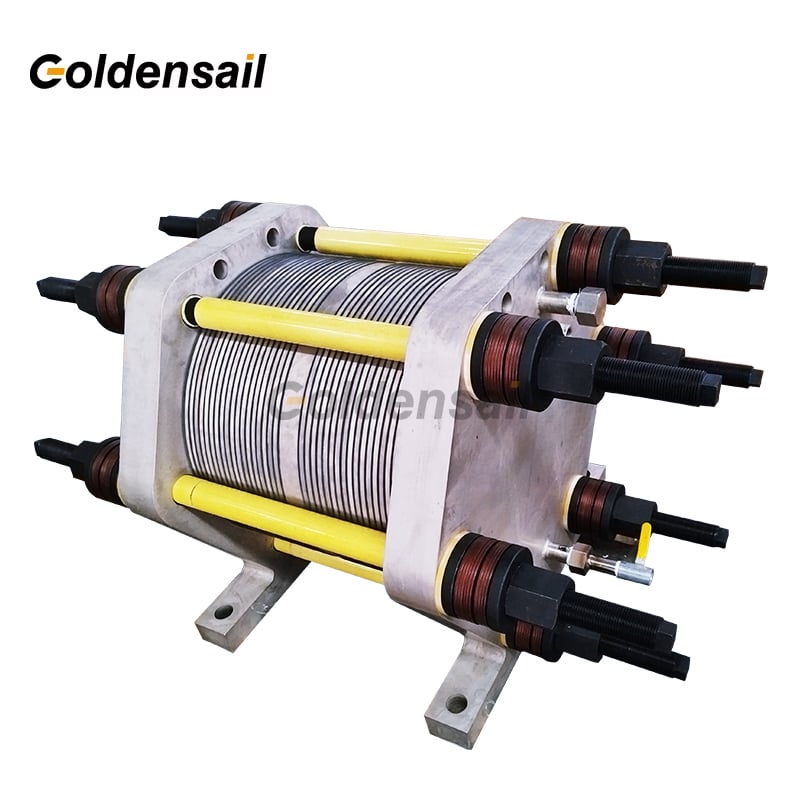
2.4 Excessive Clamping
To temporarily resolve gasket leakage, the clamping bolt torque is continuously increased, leading to excessive pressure deformation at the plate edges, gasket groove crushing, and plate breakage.
| Type | Specific Risks |
|---|---|
| Gasketed Plate Heat Exchanger | Gasket aging, leakage, and human operation errors (cleaning, tightening) |
| Brazed Plate Heat Exchanger | Cannot be cleaned; scaling leads to disposal; brazing layer (copper or nickel) corrosion causes total unit failure |
| Welded Plate Heat Exchanger | Weld seam corrosion and leakage; difficult maintenance; usually requires full unit replacement |
* Understanding potential risks helps you select the most reliable heat exchanger for your operating conditions.

 EN
EN
 AR
AR
 FR
FR
 DE
DE
 PT
PT
 RU
RU