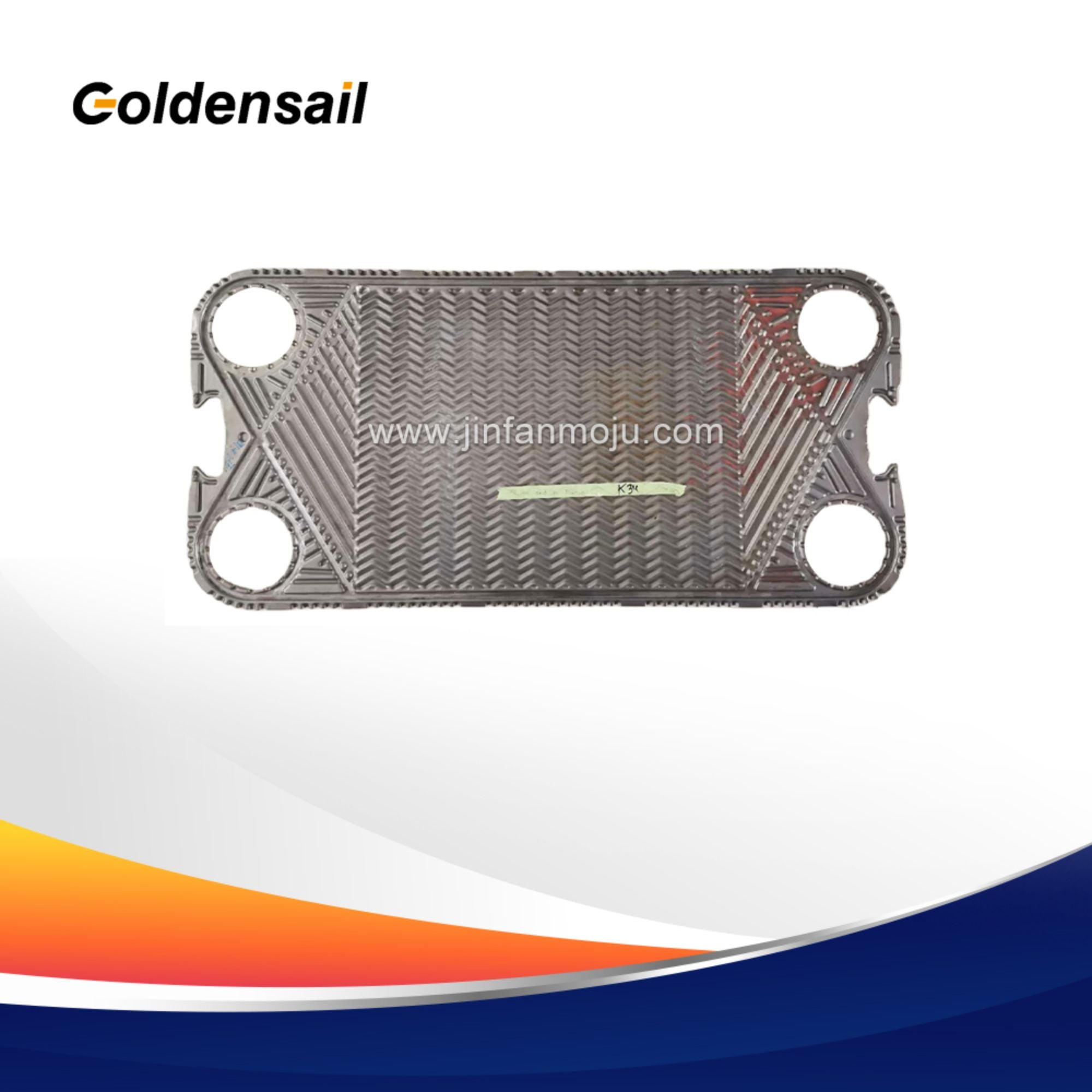
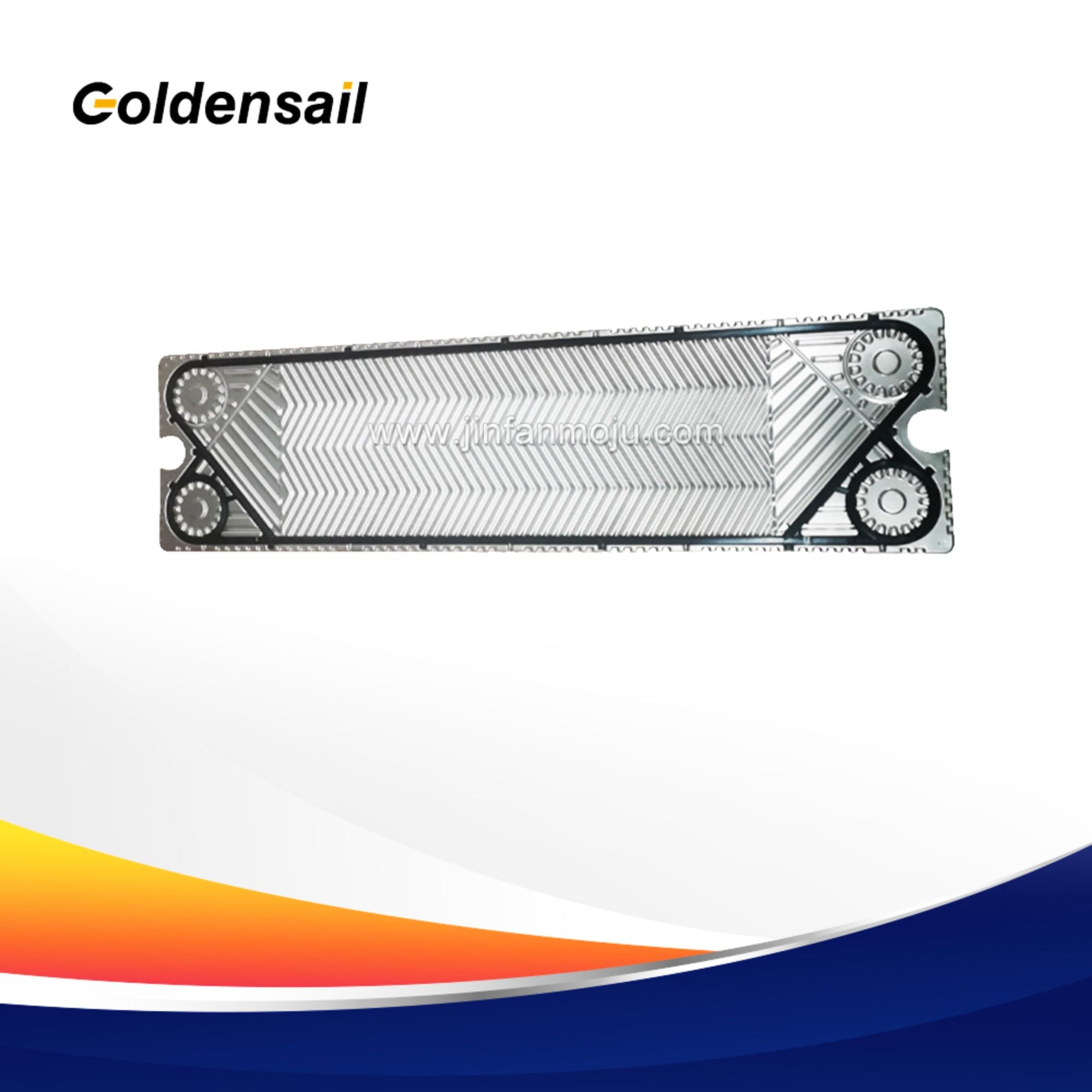
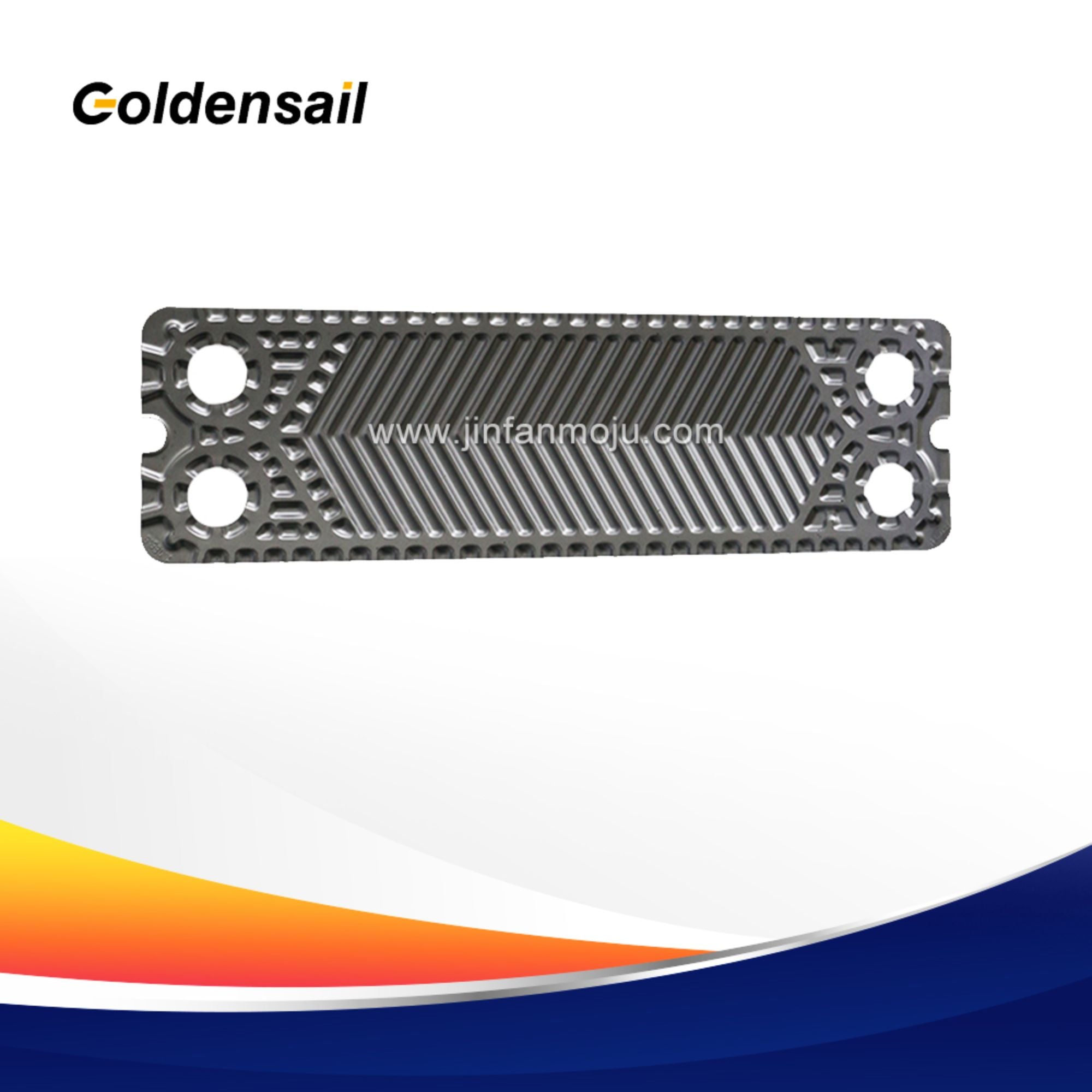
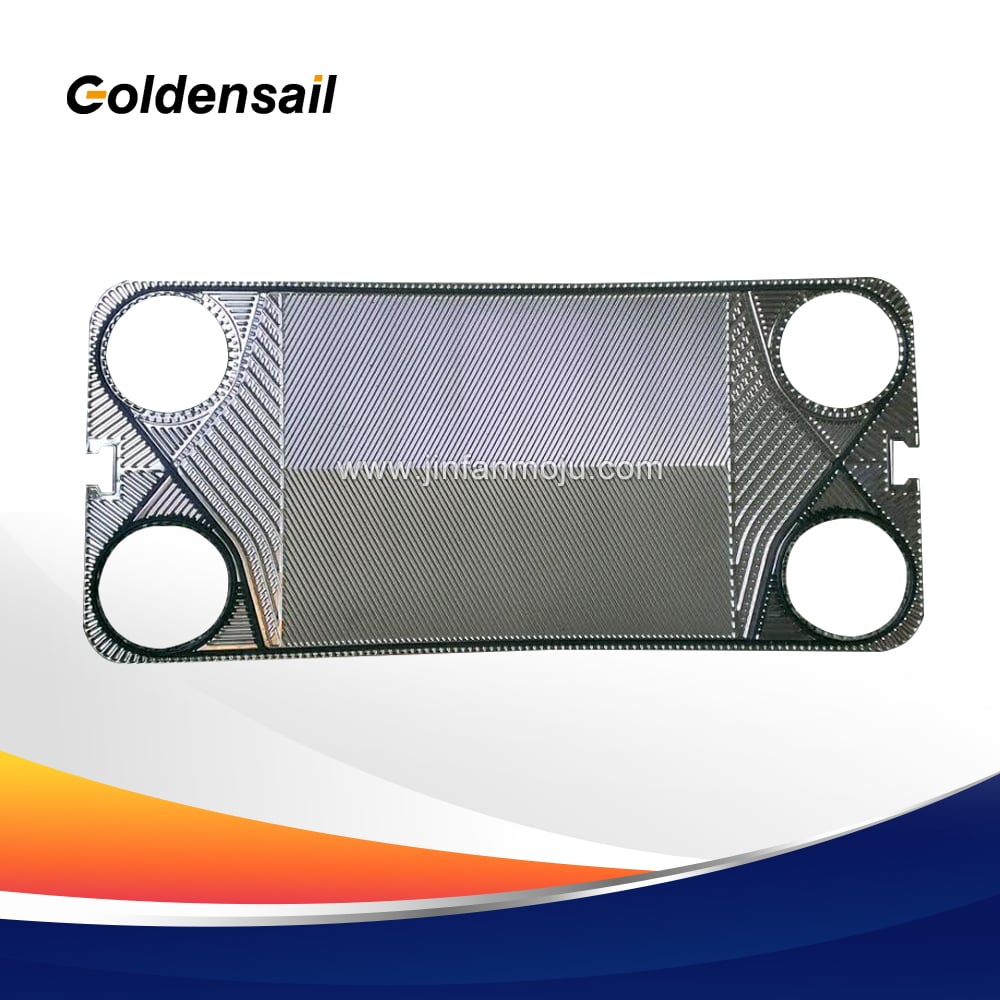
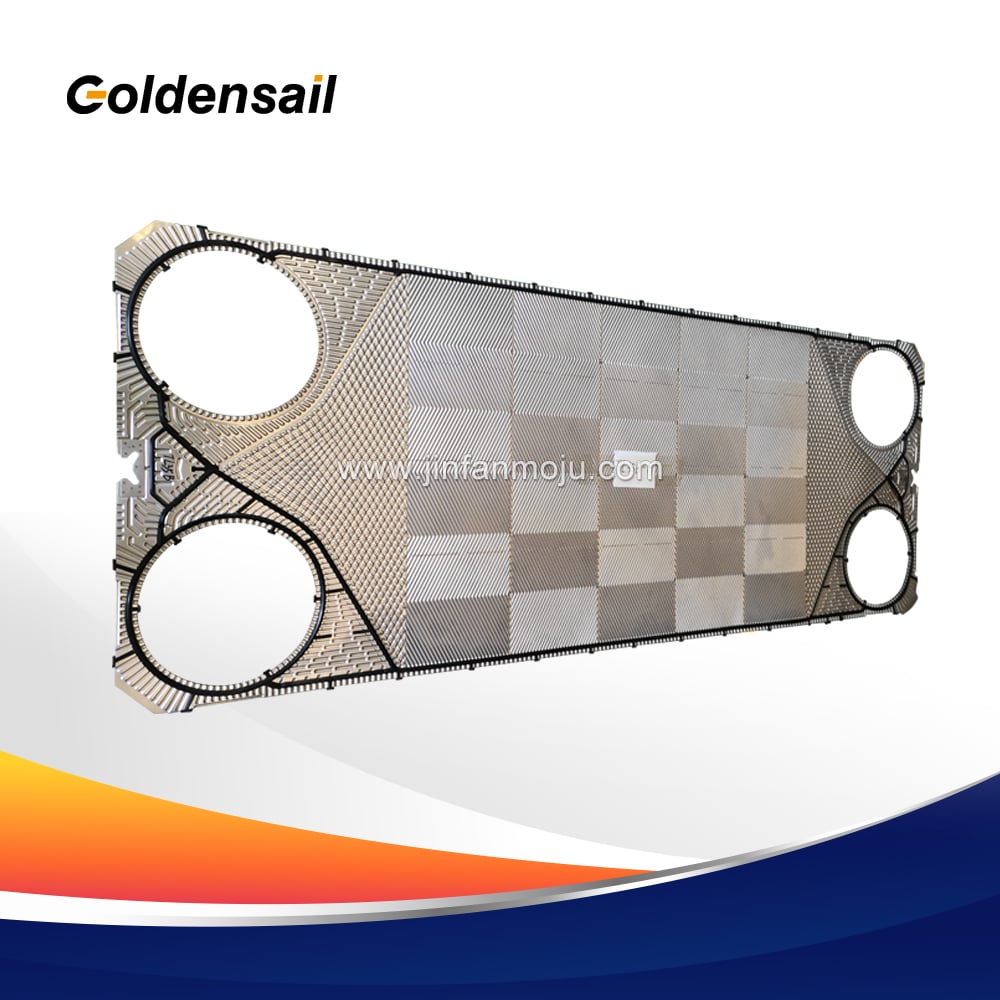
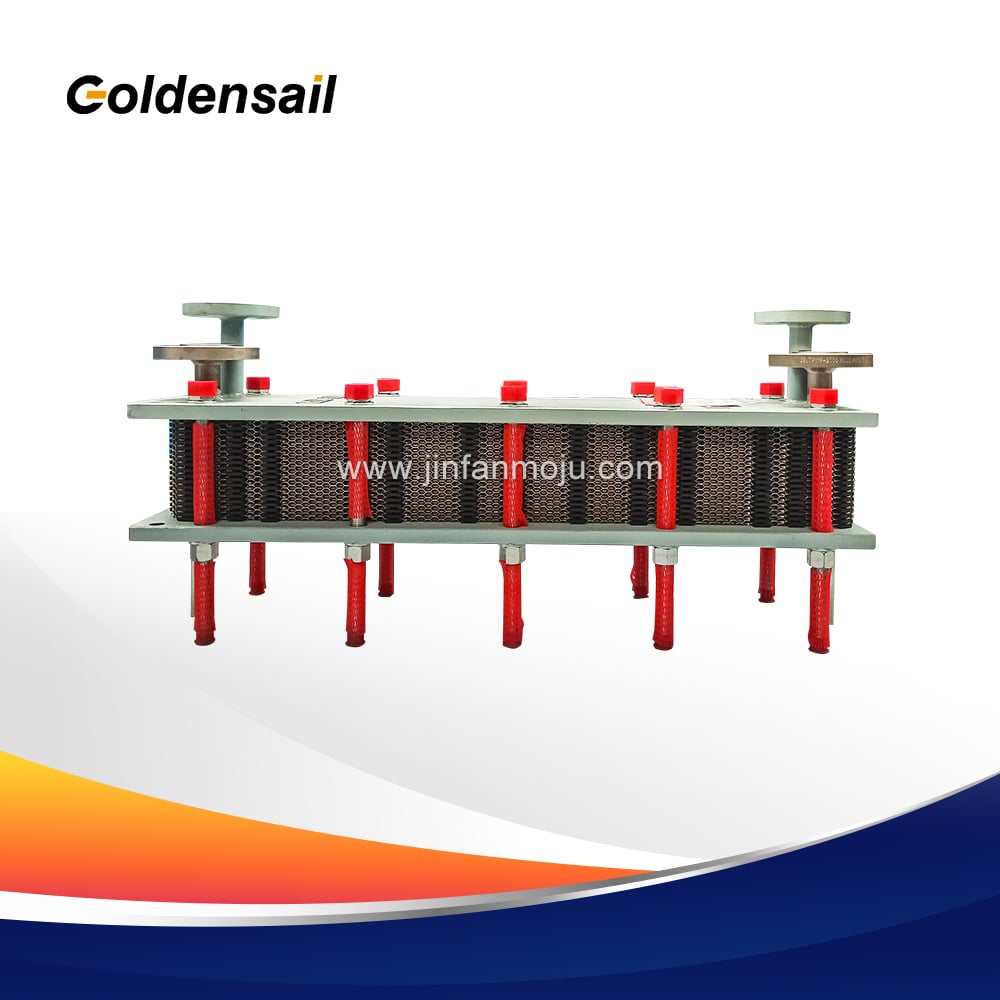
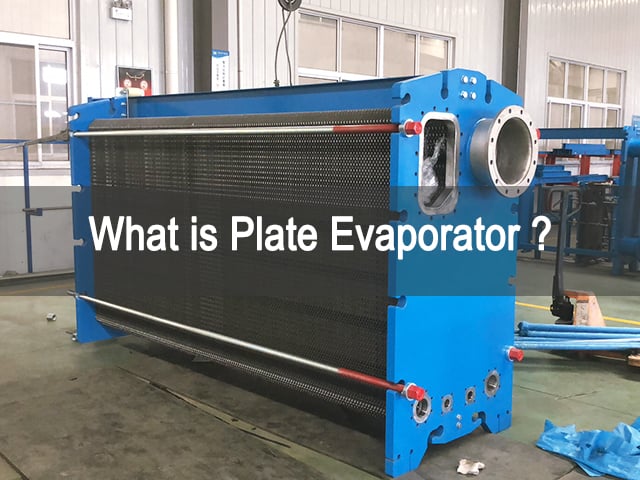
A plate evaporator is a core piece of equipment in modern industrial thermal separation. Compared to shell-and-tube evaporators, plate evaporators are rapidly gaining popularity in food processing, pharmaceuticals, chemicals, and environmental protection due to their modular design, high thermal efficiency, and ease of maintenance. A plate evaporator replaces traditional tubular heat exchange elements with metal plates. The PHE Plates are fixed by frame clamping bolts, forming narrow rectangular channels between them for the flow of materials and heating media.
Plate evaporators are based on highly efficient thin-film evaporation and phase-change heat transfer.
1.1 Material Distribution and Film Formation
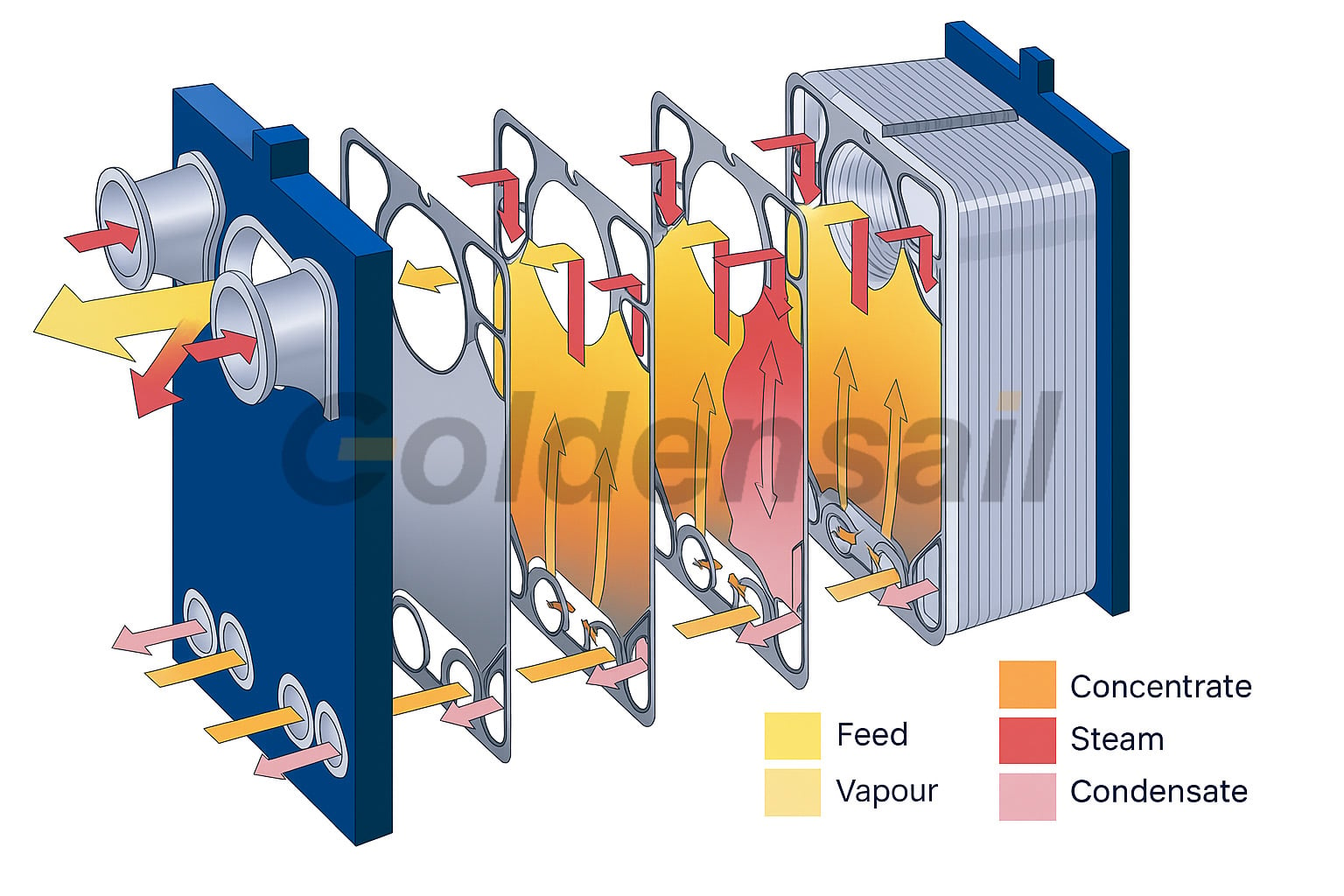
The liquid material to be evaporated enters the channel from the bottom or one side of the plate assembly. Due to the plate's precise corrugated surface, the liquid is forced to form an extremely thin film as it flows along the heated wall.
1.2 Heating and Boiling
The heating medium flows within the adjacent plate channels, heating the material through the plate walls. Thanks to the high-intensity turbulence induced by the corrugated plates, the heat transfer efficiency is extremely high. After absorbing heat, the material rapidly reaches its boiling point and begins to vaporize.
1.3 Gas-Liquid Separation
In a rising film evaporator design, the secondary steam generated during boiling rises rapidly, driving the liquid film upwards, creating a "climbing" effect. This high-speed flow further enhances heat transfer and reduces the material's residence time in the heating zone. Finally, the gas-liquid mixture enters a dedicated separation chamber; the steam exits at the top, and the concentrate is collected at the bottom or fed into the next evaporation stage.
To prevent scaling and maintain a highly efficient liquid film, modern plate evaporators employ sophisticated flow channel design. The fluid flows in a three-dimensional spiral within the corrugated channels, achieving vigorous turbulence even at very low flow rates. This not only improves the heat transfer coefficient but also endows the equipment with a certain degree of "self-cleaning" capability.
| Comparison Dimension | Plate Evaporator | Traditional Shell & Tube Evaporator |
|---|---|---|
| Heat Transfer Efficiency | Corrugated plates create strong turbulence even at low flow velocity, effectively disrupting the boundary layer. The heat transfer coefficient is typically 3–5 times higher than that of shell & tube evaporators. | Heat transfer mainly relies on tube-side flow, resulting in lower efficiency. |
| Residence Time & Product Quality | Very short heating time (seconds), ideal for heat-sensitive products. | Longer residence time may cause thermal degradation. |
| Structure & Footprint | Compact design, saves space and cost. | Requires larger installation space. |
| Maintenance & Expansion | Easy to clean and expand by adding plates. | Maintenance and expansion are more complex. |
| Energy Consumption | Works efficiently with small temperature difference. | Requires larger temperature difference → higher energy use. |
| Leak Prevention & Safety | Leak detection design prevents contamination. | Leak detection is more difficult. |
Plate evaporators play a crucial role in numerous industries due to their unique performance.
3.1 Food and Beverage Industry
This is one of the most widely used application areas for plate evaporators. It is commonly used to concentrate heat-sensitive materials, such as fruit juices (apple, grape, berry juices), vegetable juices, plant extracts, and dairy products. For example, plate type evaporators (such as AromaVap) specifically designed for extracting and concentrating aroma compounds in fruit juices can operate at low temperatures under vacuum, preserving valuable volatile flavor components and ensuring the quality and aroma of the concentrated juice. Furthermore, it is widely used in the production of sugar, starch syrups, and sweeteners.
3.2 Chemical and Pharmaceutical Industries
In the chemical industry, plate evaporators are used to concentrate and recover electrolyte solutions (e.g., copper electrolytes), inorganic salts (sodium chloride, sodium hydroxide, ammonium sulfate), organic acids (lactic acid, citric acid), and alcohols (ethanolamine, ethylene glycol, glycerol). In the pharmaceutical industry, it is suitable for concentrating bio-fermentation broths, protein hydrolysates, and traditional Chinese medicine extracts that require gentle handling to prevent deactivation of active ingredients.
3.3 Environmental Protection and Wastewater Treatment
With increasingly stringent environmental regulations, the demand for plate evaporators in the field of zero wastewater discharge (ZLD) is growing rapidly. It can efficiently treat high-salt, high-viscosity, and easily scaling industrial wastewater, such as landfill leachate, RO concentrate, oilfield produced water, and alcohol residue. Forced circulation plate evaporators (such as AlfaFlash) are particularly suitable for treating liquids containing suspended solids, achieving efficient concentration and crystallization through flash evaporation technology, significantly reducing waste liquid volume.
3.4 Other Industrial Applications
In industries such as metallurgy, power generation, and textiles, plate evaporators are also used for the concentration and resource recovery of various process solutions. For example, they are used to treat mother liquor from alumina production, corn steep liquor (corn syrup), and meat and fish extracts.
 EN
EN
 AR
AR
 FR
FR
 DE
DE
 PT
PT
 RU
RU