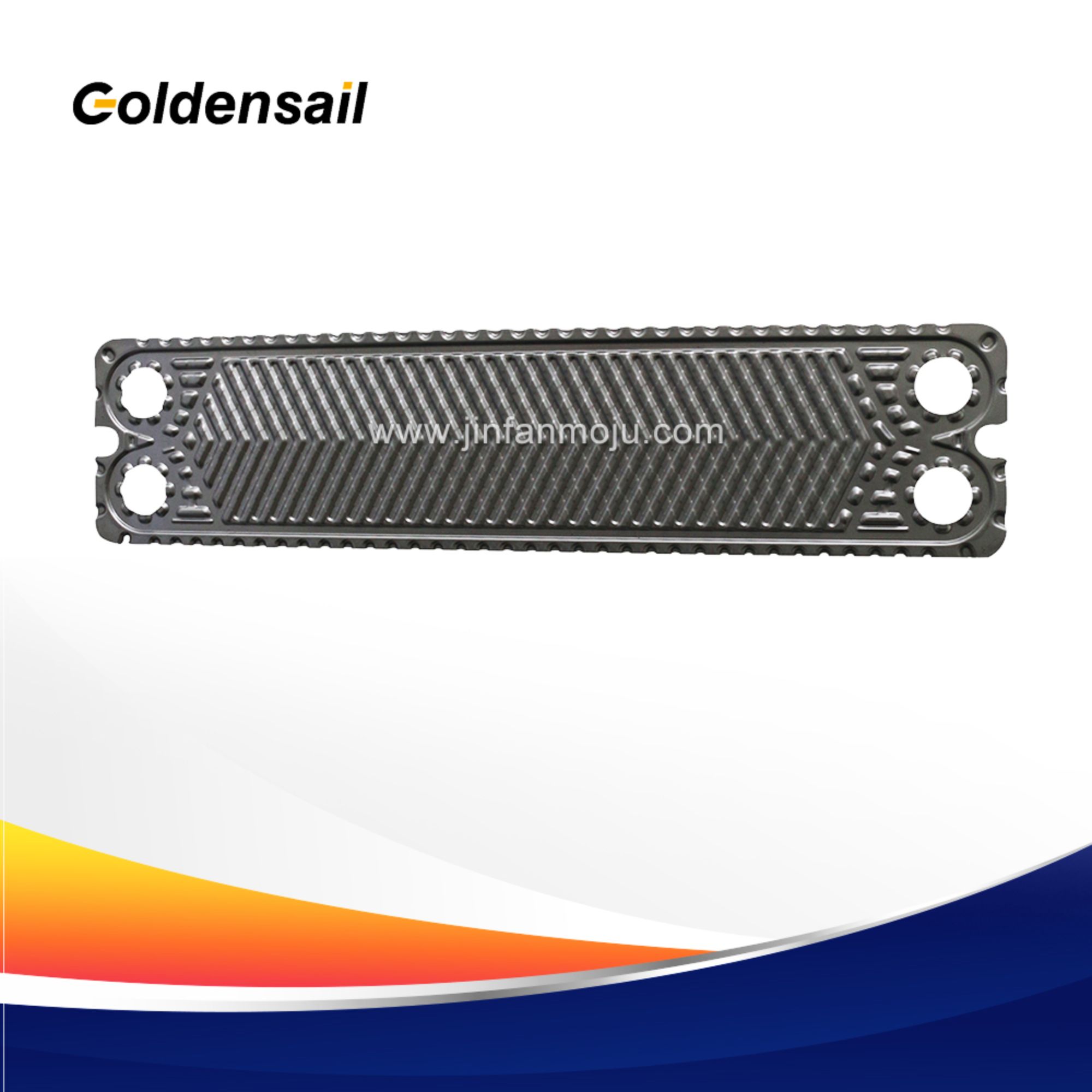
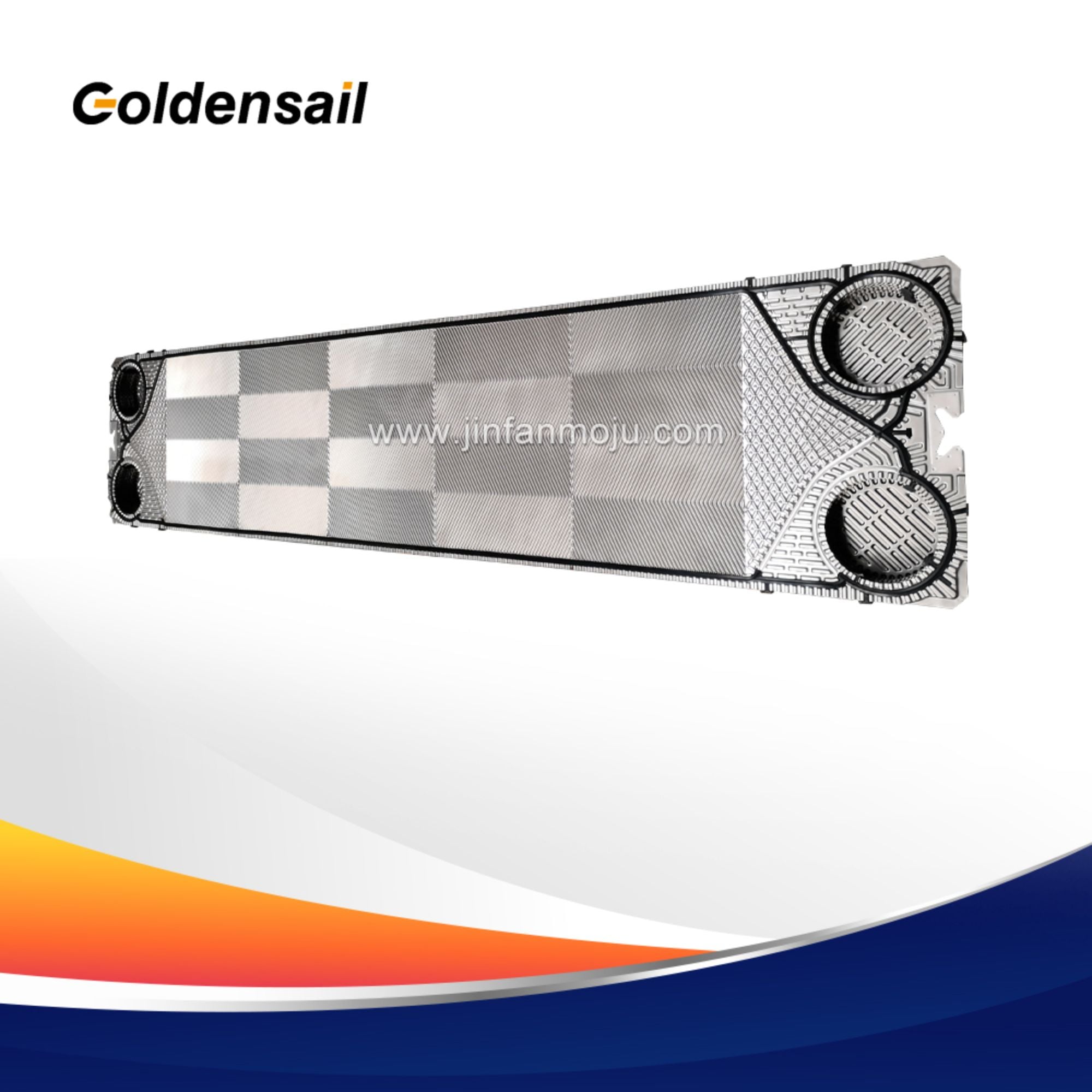
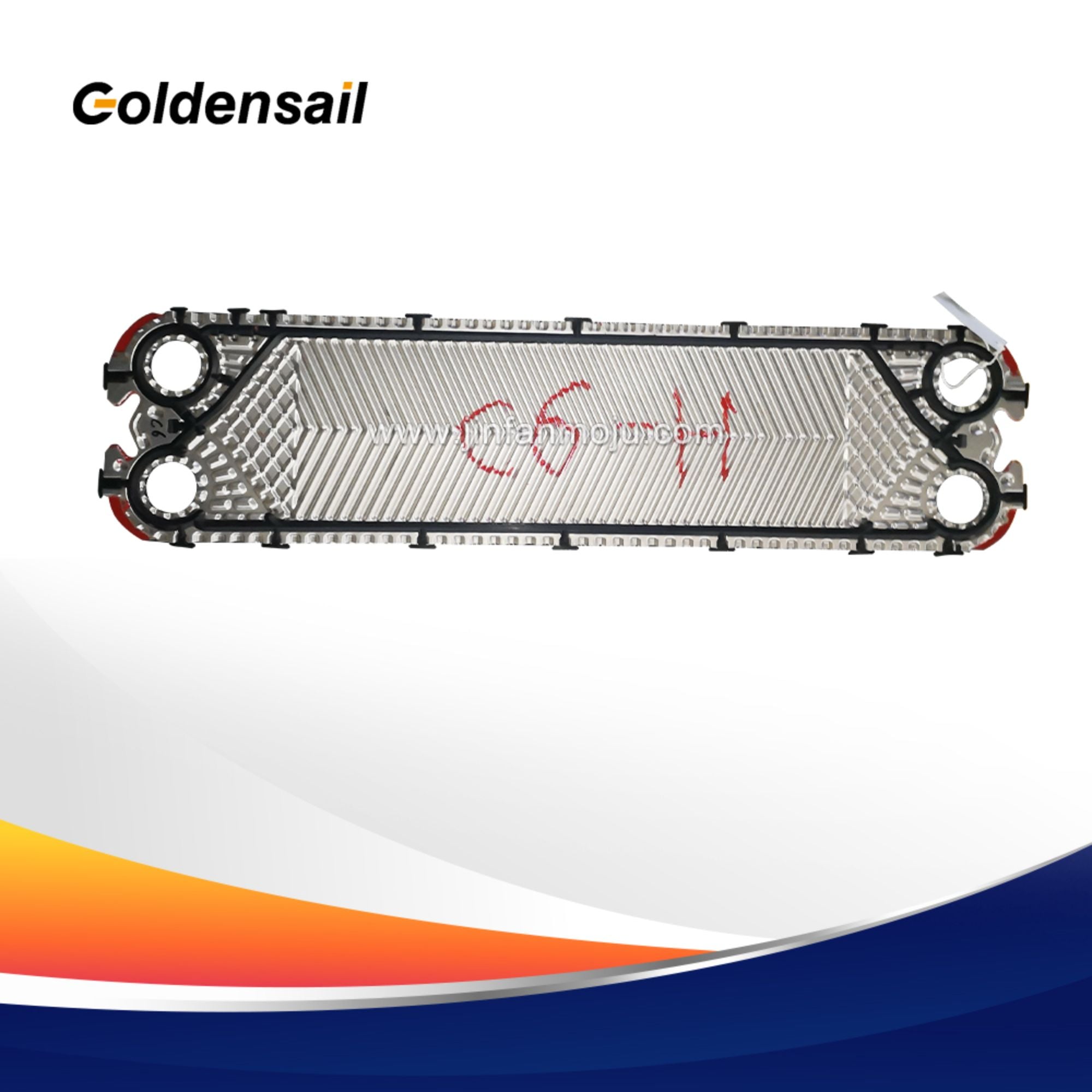
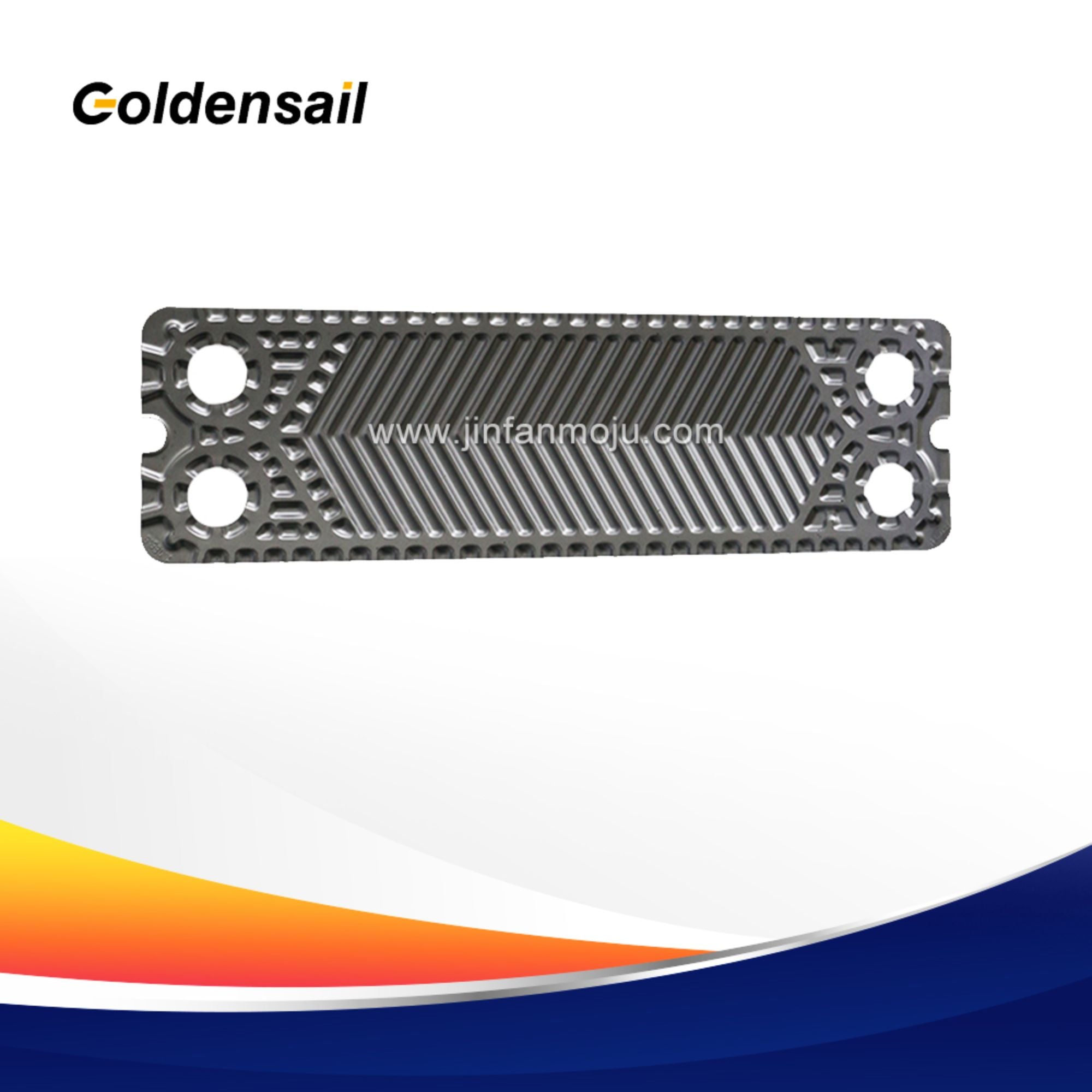
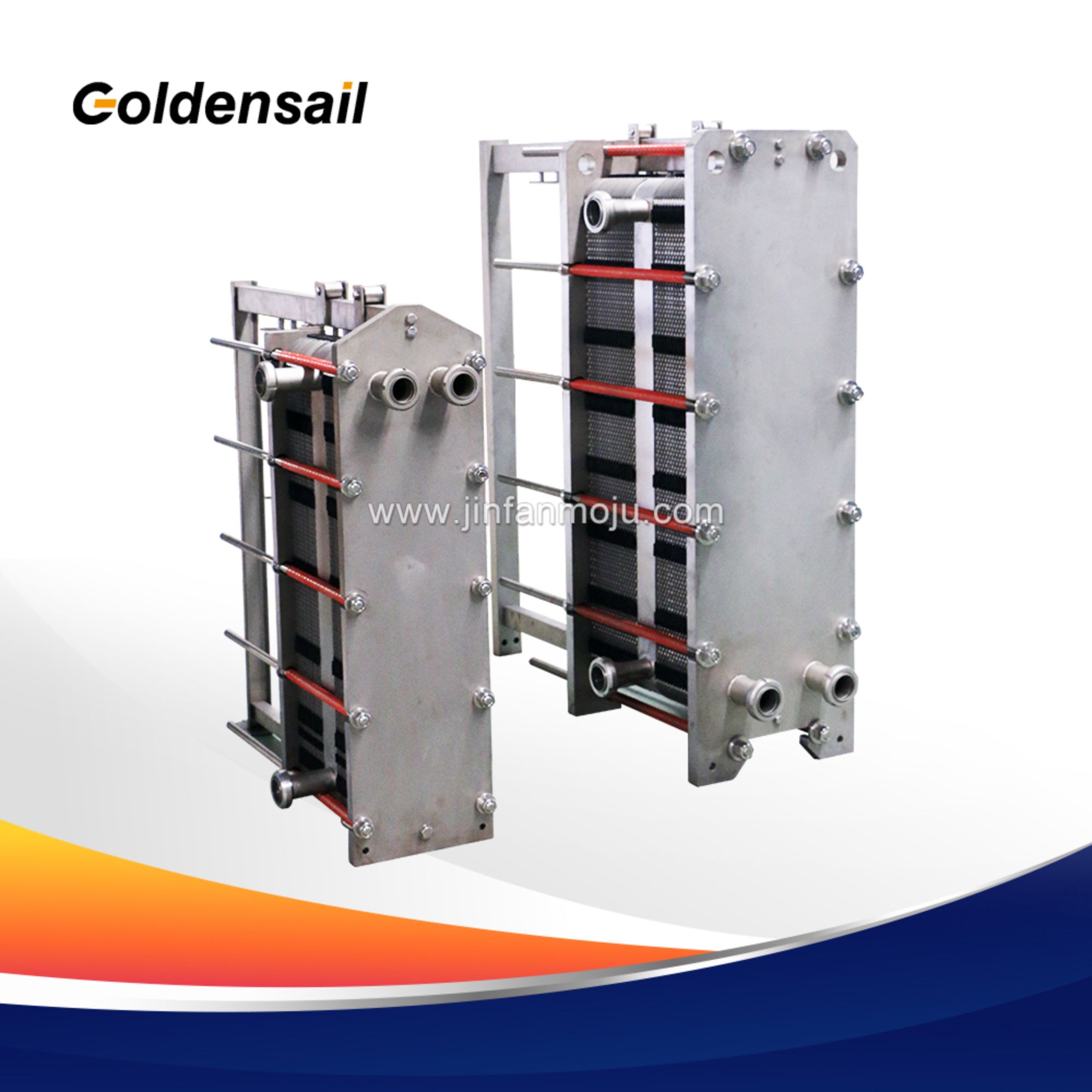
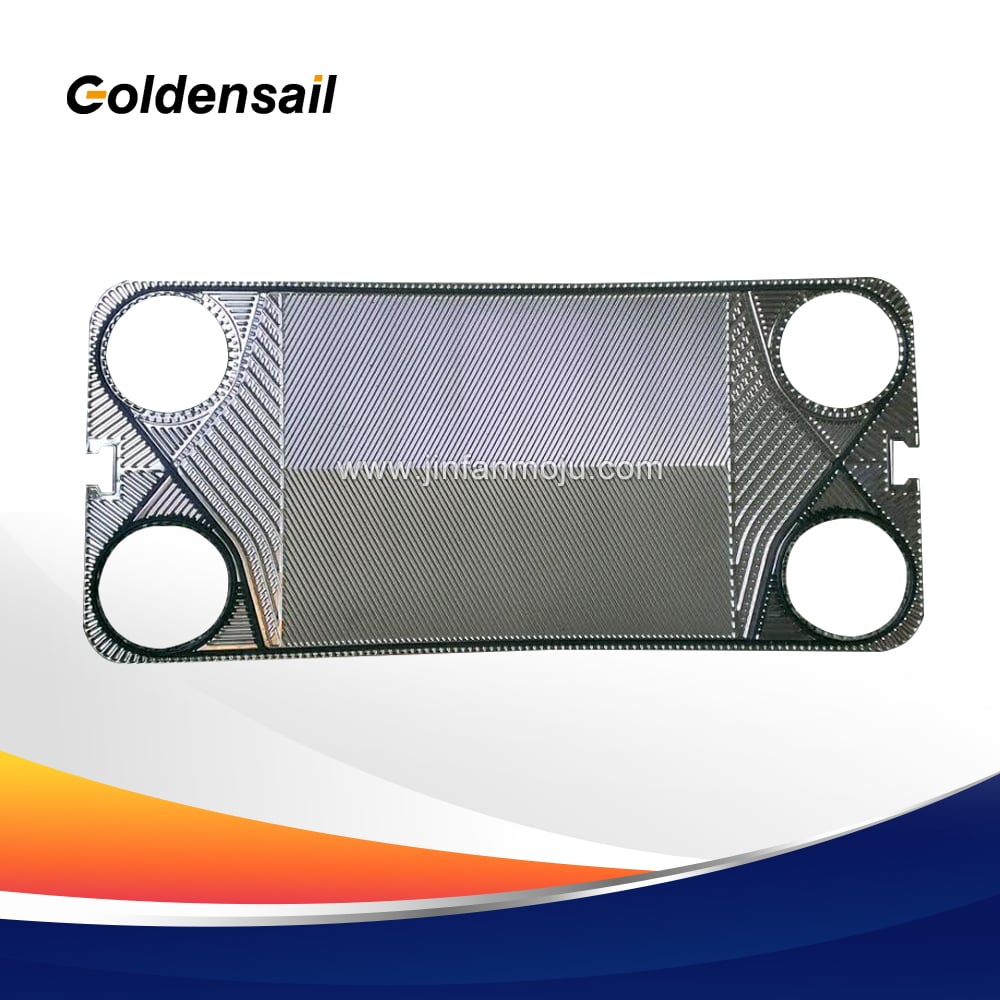
A Welded Plate Heat Exchanger is a group of stacked, corrugated metal PHE plates. These plates are typically pressed into a corrugated shape to increase structural strength and heat exchange surface area. Unlike Gasket Plate Heat Exchangers, in a Welded PHE, the edges of every two plates are tightly sealed together using a laser welding process, forming an independent plate assembly. These plate assemblies are then welded together to form channels for the alternating flow of hot and cold media. The entire plate group is encapsulated in a robust frame or shell (usually carbon steel or stainless steel), and the seal between the plate group and the frame may employ a few O-rings or a fully welded structure.
The Welded Plate and Frame Heat Exchanger operates on the principle of indirect heat transfer, in which hot and cold fluids flow in opposite directions through independent channels separated by metal plates, exchanging heat through the plate walls.
1.1 Flow Channel Design
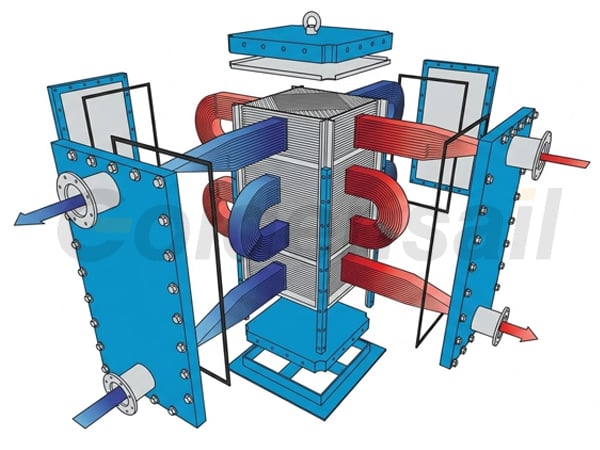
The plate assemblies are carefully designed to form two completely independent closed flow channel systems. One fluid enters every other channel, while another fluid enters the adjacent channel. Because the plate edges are completely welded, the two fluids never mix internally.
1.2 Heat Transfer Process
As the high-temperature fluid flows through the corrugated plates, it transfers its heat to the plate walls. Heat is rapidly conducted from the high-temperature side to the low-temperature side through the extremely thin PHE Plate. The low-temperature fluid flows on the other side of the plate, absorbing heat transferred from the plate walls.
1.3 Turbulence Enhancement
The special corrugated structure on the plates plays a crucial role. When the fluid flows through these corrugations, it generates high levels of turbulence and secondary flow. This turbulence disrupts the laminar boundary layer at the wall, thereby increasing the convective heat transfer coefficient. Compared to traditional smooth shell-and-tube heat exchangers, its heat transfer efficiency can be increased by 4 to 5 times.
The Welded Plate Heat Exchanger combines the advantages of plate heat exchangers and shell-and-tube heat exchangers, offering the following significant advantages:
2.1 High Temperature and Pressure Resistance
By eliminating the non-metallic gaskets between the plates, it can withstand higher operating temperatures and pressures. It is typically suitable for temperature ranges from -200°C to +450°C and pressure ranges from full vacuum to 50 bar or higher.
2.2 Extremely High Thermal Efficiency
The high turbulence induced by the corrugated plates results in an extremely high heat-transfer coefficient, meaning that a much smaller heat-transfer area is required to achieve the same heat-transfer load as traditional heat exchangers. Simultaneously, it can achieve a minimum temperature difference of 2-3°C between the hot and cold fluids at the outlet, thus achieving excellent energy recovery.
2.3 Compact Structure
The high heat transfer efficiency directly translates into a smaller equipment size. Welded plate heat exchangers are typically very compact, occupying little space, and are lightweight. They can even be installed on top of distillation columns or suspended from supporting structures, significantly saving space and installation costs.
2.4 Suitable for Harsh Media
Due to the absence of gaskets, it exhibits excellent compatibility with a wide range of chemicals, solvents, hydrocarbons, and corrosive media, eliminating the risk of gasket corrosion or swelling.
2.5 Easy Maintenance
The BLOC type Heat Exchanger features removable side plates. Removing these side plates provides full access to the plate group for mechanical cleaning or inspection, addressing the difficulty of cleaning in traditional fully welded heat exchangers.
| Comparison Dimension | Welded Plate Heat Exchanger | Gasketed Plate Heat Exchanger | Shell & Tube Heat Exchanger |
|---|---|---|---|
| Working Principle | Laser-welded plates form sealed corrugated channels where fluids flow in counter-current paths for heat exchange. | Rubber gaskets seal the plates, allowing fluids to flow between them in counterflow or mixed-flow patterns. | Fluids flow in the tube side and shell side separately, exchanging heat through tube walls. |
| Temperature Resistance | Excellent. Suitable for high-temperature conditions, typically from -200°C to +450°C. | Limited. Restricted by gasket material, usually up to 160°C – 180°C. | Excellent. Suitable for extremely high or low temperatures across a wide range. |
| Pressure Resistance | Good. Typically up to 3.0 – 4.0 MPa, with higher pressure possible in special designs. | Moderate. Limited by gasket sealing and frame strength, usually ≤ 2.5 MPa. | Excellent. Designed for very high-pressure applications. |
| Heat Transfer Efficiency | Very high. Corrugated plates generate strong turbulence with a temperature approach as low as 2–3°C. | Very high. Also benefits from turbulent flow and high heat transfer coefficients. | Lower. Typically requires a larger heat transfer area due to lower heat transfer coefficients. |
| Compactness | Compact. Large heat transfer area per unit volume with a smaller footprint and lighter weight. | Very compact. Highest heat transfer area per unit volume and most space-efficient. | Bulky and heavy. Lower heat transfer area per unit volume and larger installation space. |
| Sealing & Leakage Risk | Excellent. No gaskets, extremely low internal leakage risk, ideal for flammable, explosive, or toxic media. | Higher risk. Multiple gaskets may age over time and cause leakage. | Low risk. Leakage mainly occurs at tube-sheet connections but generally lower than gasketed plate types. |
| Cleaning & Maintenance | Moderate to difficult. Mostly cleaned by chemical methods. Some BLOC designs allow opening the shell side for cleaning. | Excellent. Plate pack can be easily opened for mechanical cleaning and plate quantity adjustment. | Moderate. Tube side can be mechanically cleaned, while shell side is usually cleaned chemically. |
| Media Compatibility | Wide range. Strong corrosion resistance with multiple material options. Suitable for solvents, oils, and chemicals that may damage gaskets. | Limited. Not suitable for fluids that attack or dissolve rubber gaskets such as strong solvents, acids, alkalis, or aromatics. | Very wide. Compatible with most fluids. |
| Initial Cost | Medium to high. Higher than gasketed plate exchangers but usually lower than high-alloy shell & tube designs. | Low. Standardized production results in the lowest cost per heat transfer area. | High. Requires more materials and complex manufacturing, especially when special alloys are used. |
| Long-Term Maintenance Cost | Medium. Costs mainly come from chemical cleaning and potential welding repairs. | Higher. Gaskets must be replaced regularly and disassembly increases labor costs. | Medium. Stable maintenance cost, but tube plugging repairs may reduce performance. |
With its powerful performance, welded plate heat exchangers are widely used in various harsh industrial fields:
3.1 Petrochemical and Refining
Used for heating, cooling, condensation, and reboiling in processes such as crude oil preheating, amine liquid systems (cooling/reboil), fractionation tower top condensers, reforming units, and hydrocracking.
3.2 Chemical Process Industry
Widely used for temperature control in the production processes of organic chemicals (such as olefins and aromatics), intermediates (such as acrylic acid), and polymers (such as polypropylene).
3.3 Energy and Power
Used as heat recovery heat exchangers, coolers in closed-loop cooling water systems, and industrial heat pumps, it also plays a crucial role in emerging fields such as hydrogen energy (e.g., gas cooling in green hydrogen production).
3.4 Metallurgy and Heavy Industry
Used for cooling hydraulic oil, lubricating oil, and various process cooling waters.
3.5 Food and Pharmaceutical Industries
Specially designed models (e.g., using smooth plates to prevent material deposition) are suitable for applications with extremely high hygiene requirements and frequent cleaning.
3.6 HVAC and District Energy
Used for district heating, hot water preparation in large buildings, and waste heat recovery.
 EN
EN
 AR
AR
 FR
FR
 DE
DE
 PT
PT
 RU
RU