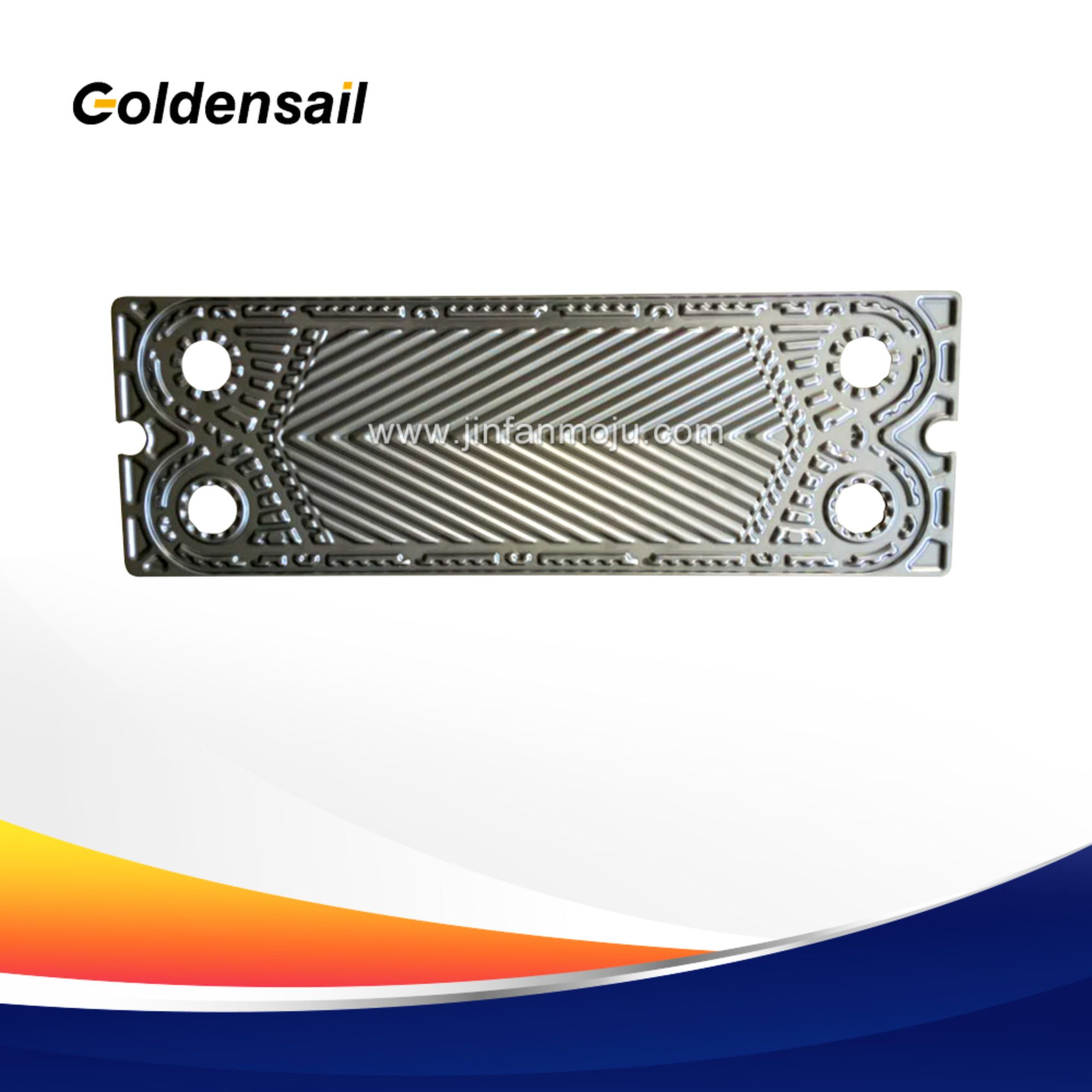
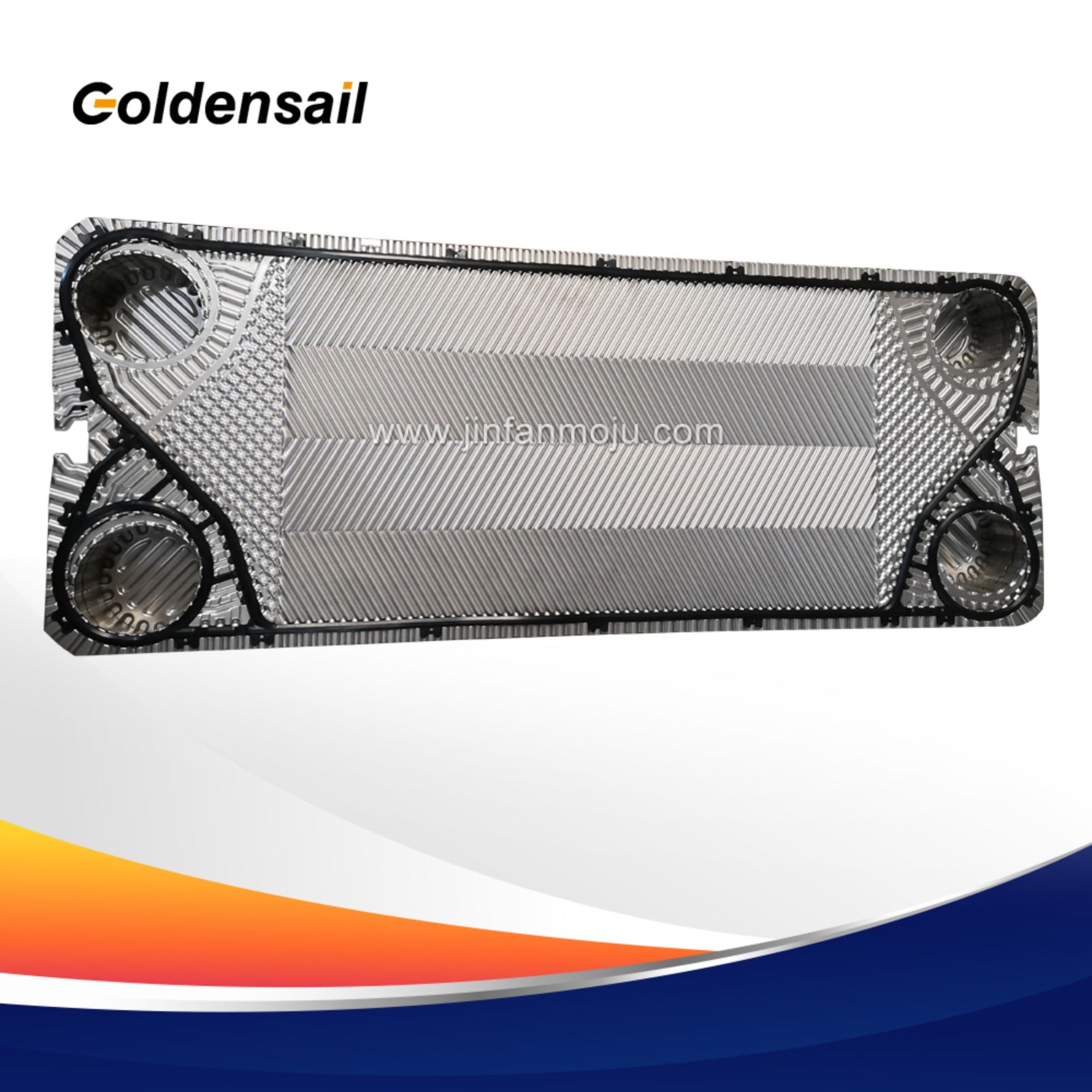
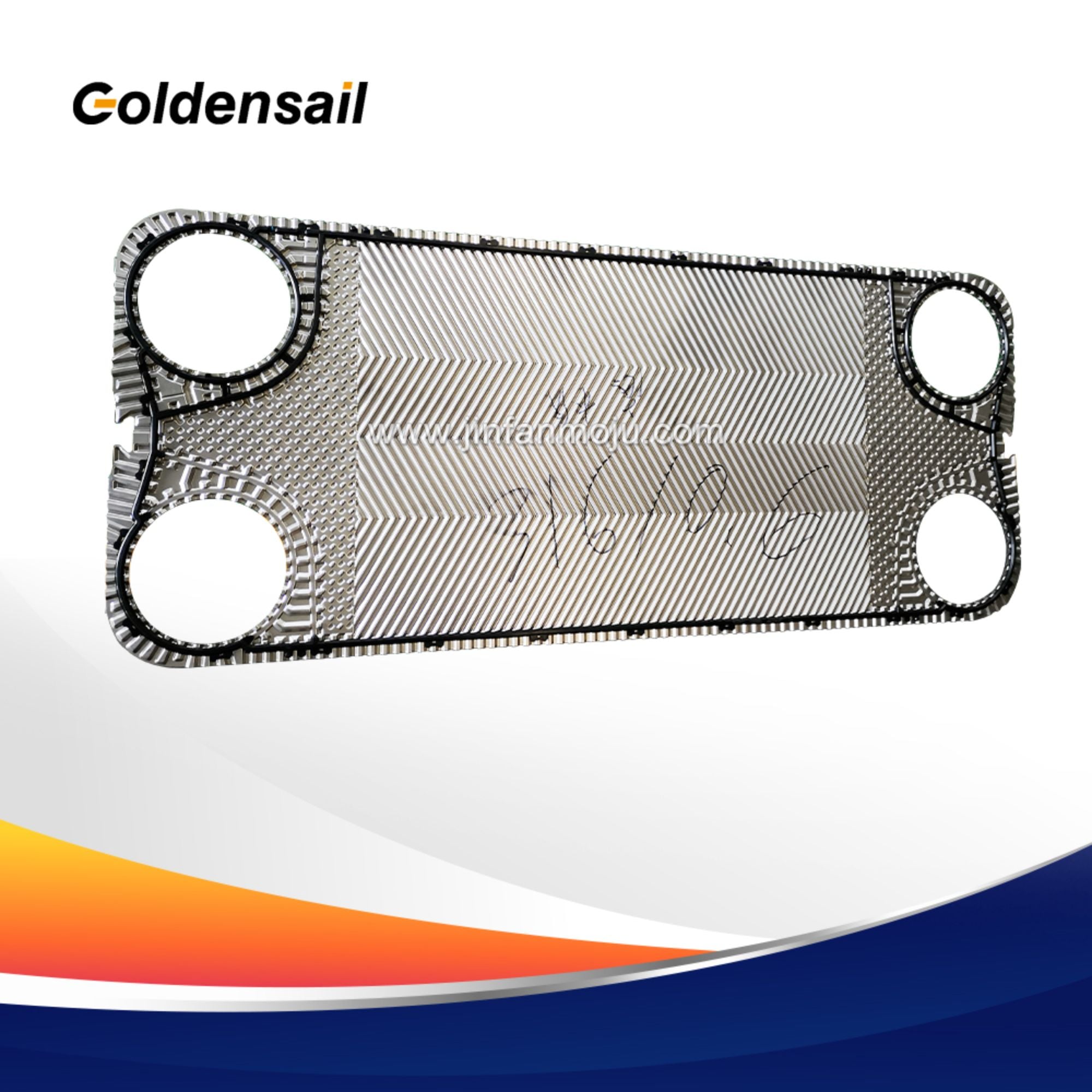
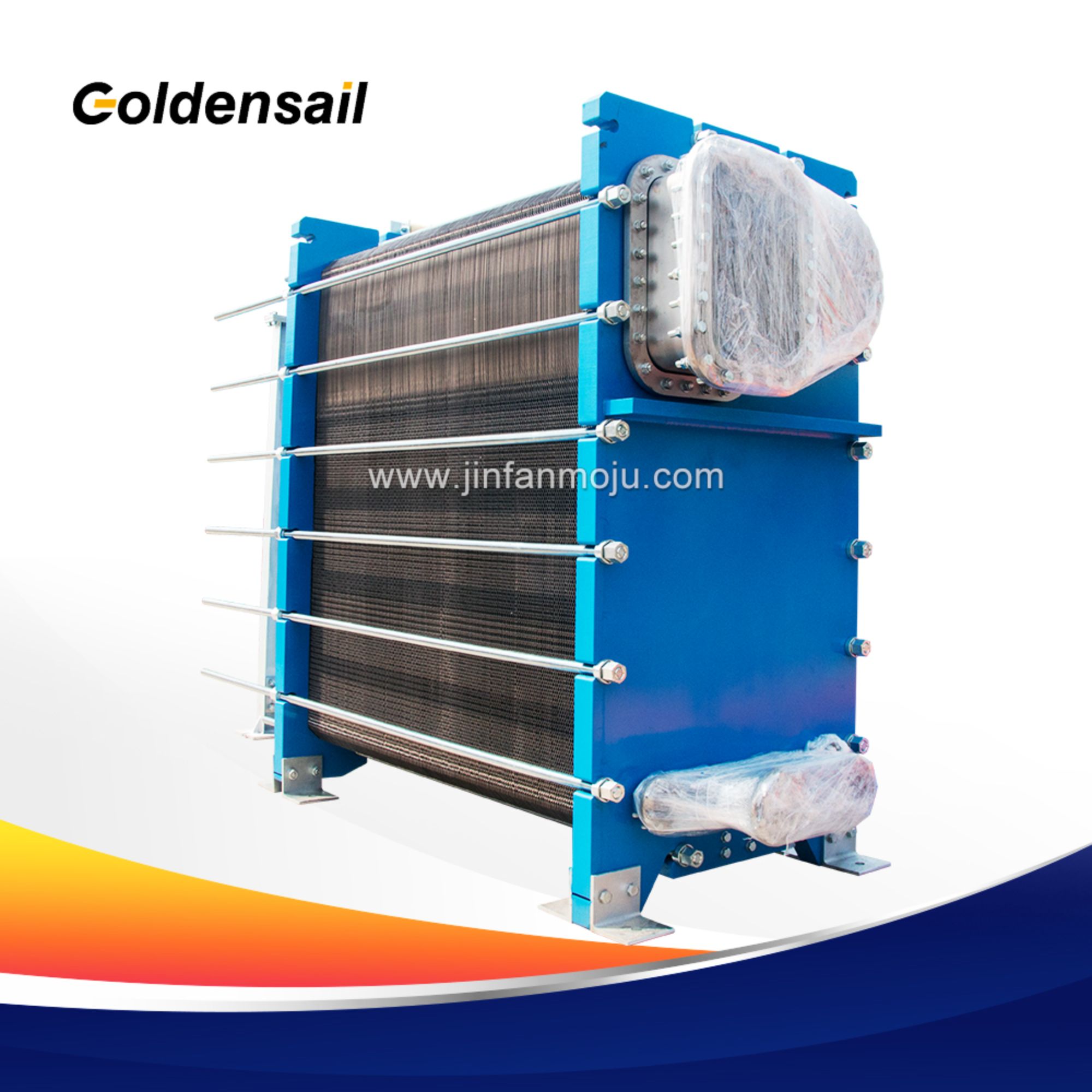
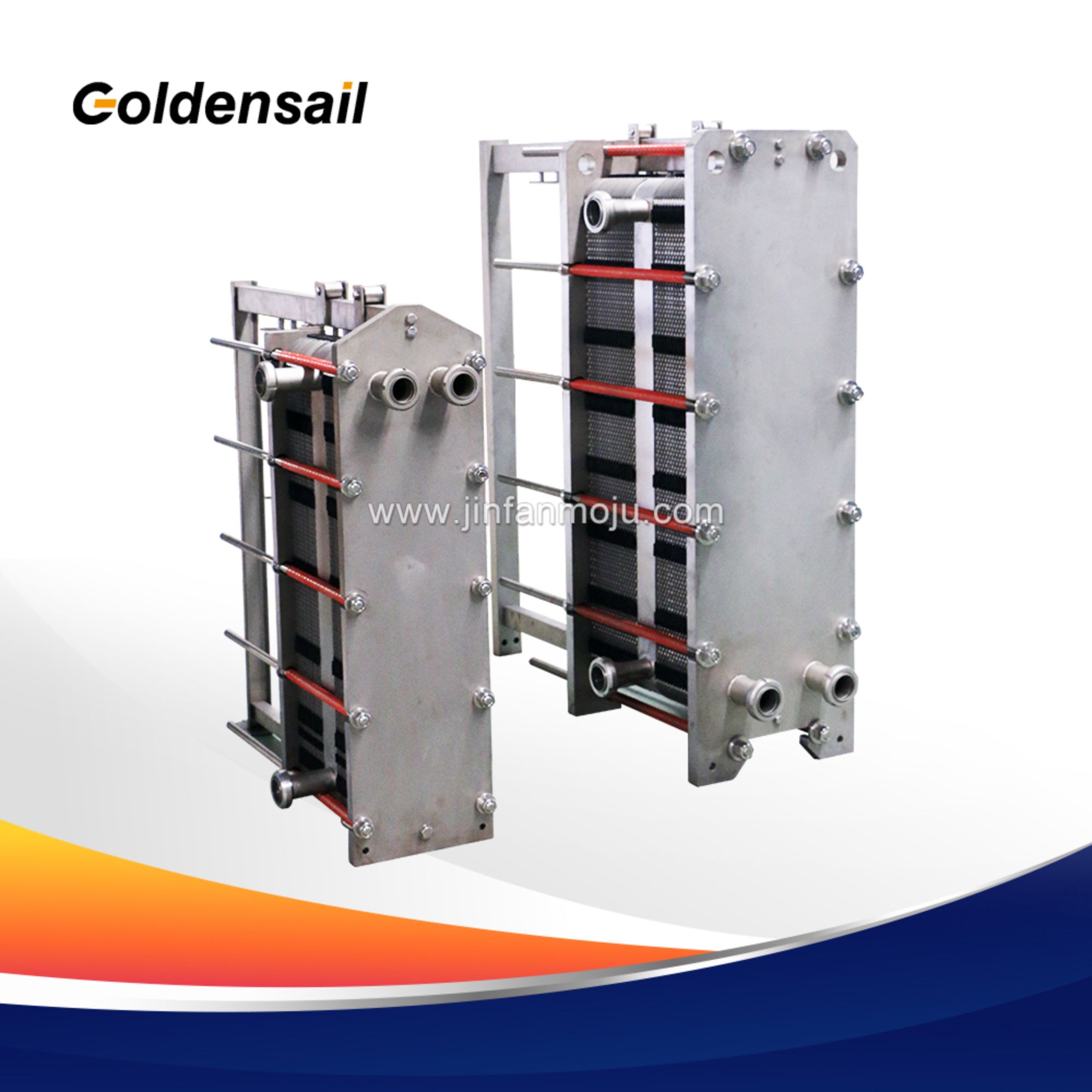
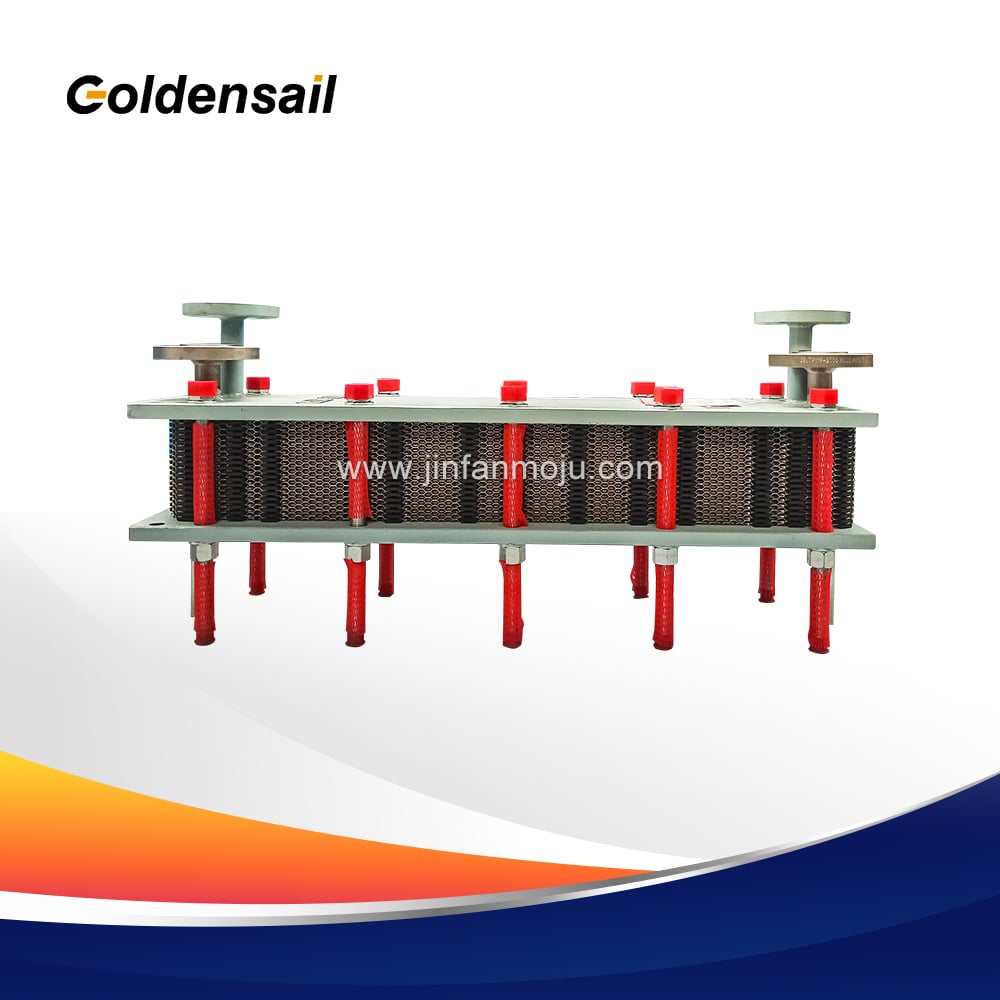
Imagine you need to cool a cup of hot coffee quickly. Would you pour it into a wide, shallow saucer or leave it in a tall, narrow cup? Clearly, the saucer provides a larger contact surface area, allowing the coffee to dissipate heat more quickly. The core principle of a plate heat exchanger is similar: it allows two fluids (hot and cold) to rapidly exchange heat within a compact space by creating a large surface contact and efficient heat transfer paths.
1. Core Advantages
Its biggest advantage is its ultra-high heat exchange efficiency, directly saving energy and costs. Plate heat exchangers can increase the efficiency of transferring heat from one fluid to another by 3 to 5 times.
How is this achieved? The fluid flows through narrow channels formed by corrugated plates, creating strong turbulence. This is like water flowing over rough rocks (turbulence) carrying away more heat than water flowing through a smooth pipe (laminar flow). Higher efficiency means you can achieve the same cooling or heating effect with a smaller device, directly reducing pumping energy consumption and operating costs.
2. Structural Advantages
Extremely compact design, saving valuable space
Plate heat exchangers are powerful yet small in size. Thin metal plates are tightly pressed together, typically occupying only 10%-50% of the floor space of traditional shell-and-tube heat exchangers for the same heat exchange capacity. This is a significant advantage for space-constrained plants, ships, or modern building machine rooms. The simple structure and lighter weight also reduce transportation and installation costs.
3. Flexible Expansion
The modular design allows for easy adjustment and maintenance. By simply adding or removing plates, you can easily adjust the heat exchange area to adapt to future changes in production capacity or processes.
The entire plate assembly can be easily removed from the frame, exposing all surfaces. This makes inspection and mechanical cleaning very convenient, especially suitable for industries with extremely high hygiene requirements, such as food, beverage, and pharmaceuticals.
4. Precise Temperature Control
Due to the efficient counter-current design of plate heat exchangers, the outlet temperature of the hot fluid can be very close to the inlet temperature of the cold fluid (temperature difference as small as 1°C). This means it can extract almost all usable heat energy from waste heat or low-temperature heat sources, significantly improving the overall system's energy efficiency.
5. Low Initial Investment
With the same materials and pressure rating, plate heat exchangers typically have lower manufacturing costs than shell-and-tube heat exchangers with equivalent performance, providing users with a more cost-effective initial option.
Plate heat exchangers have evolved from traditional heat exchange equipment into core components of energy-efficient systems, process optimization, and sustainable technologies. Their success stems not only from their inherent heat transfer advantages but also from continuous technological innovation and their ability to adapt to diverse applications. For engineering decision-makers, choosing a plate heat exchanger is not just choosing a piece of equipment, but choosing:
- A strategic solution to reduce energy intensity
- A flexible platform adaptable to future expansion
- A viable path to achieving sustainable development goals
If you are selecting a plate heat exchanger for a project or considering replacing your existing heat exchanger, we invite you to learn about our company's plate heat exchanger solutions. JINFAN provides one-stop support from selection calculations and operating condition verification to delivery, covering application scenarios such as HVAC/cooling, process cooling, waste heat recovery, food and beverage, chemical, and marine industries. We own our factory and complete production lines, with core processes (plate pressing/mold forming/sealing assembly/pressure testing) all completed in-house, ensuring on-time delivery and consistency. Strict quality inspections before shipment, batch traceability of plates and sealing strips, and packaging protection solutions support stable supply for large orders.
Get in touch
 EN
EN
 AR
AR
 FR
FR
 DE
DE
 PT
PT
 RU
RU