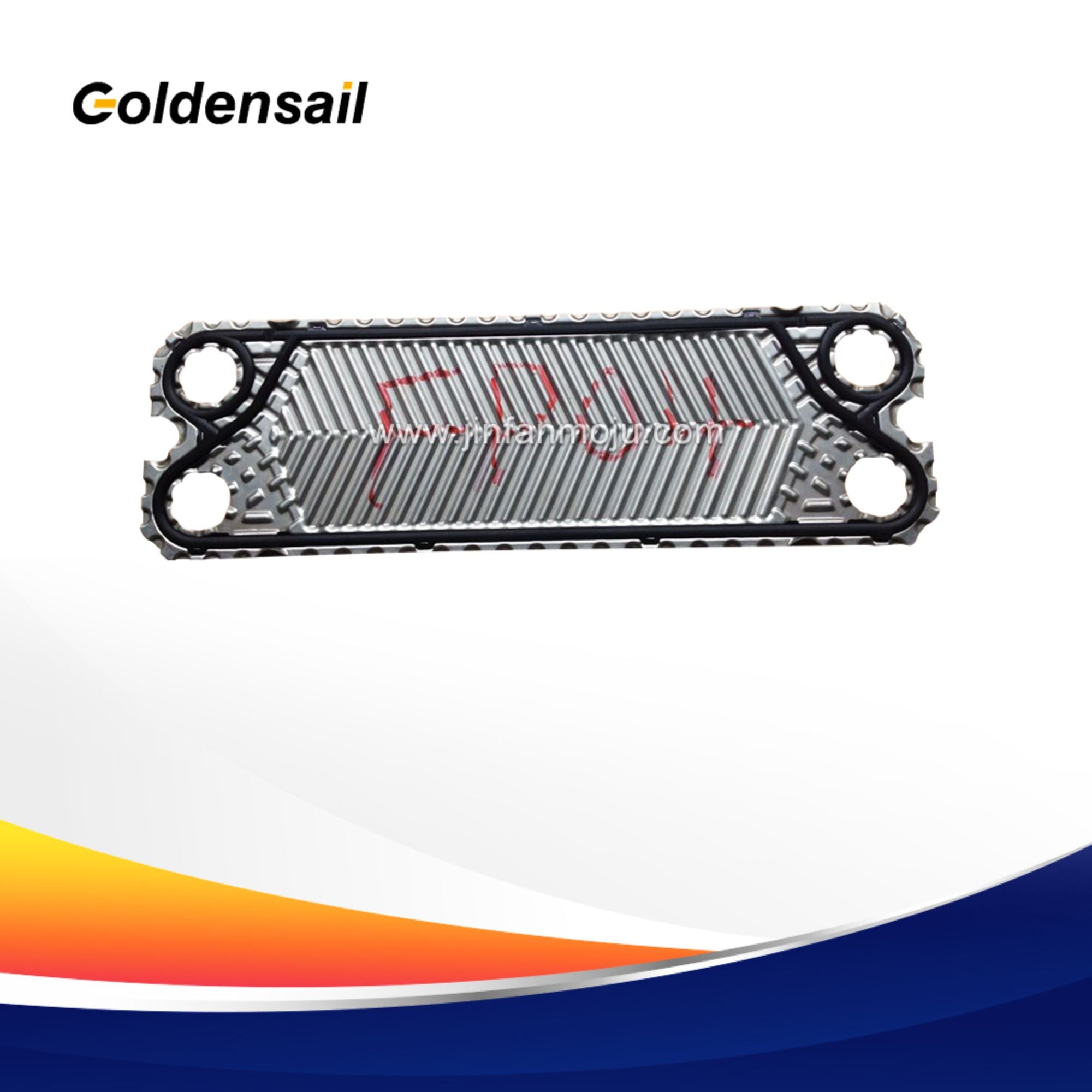
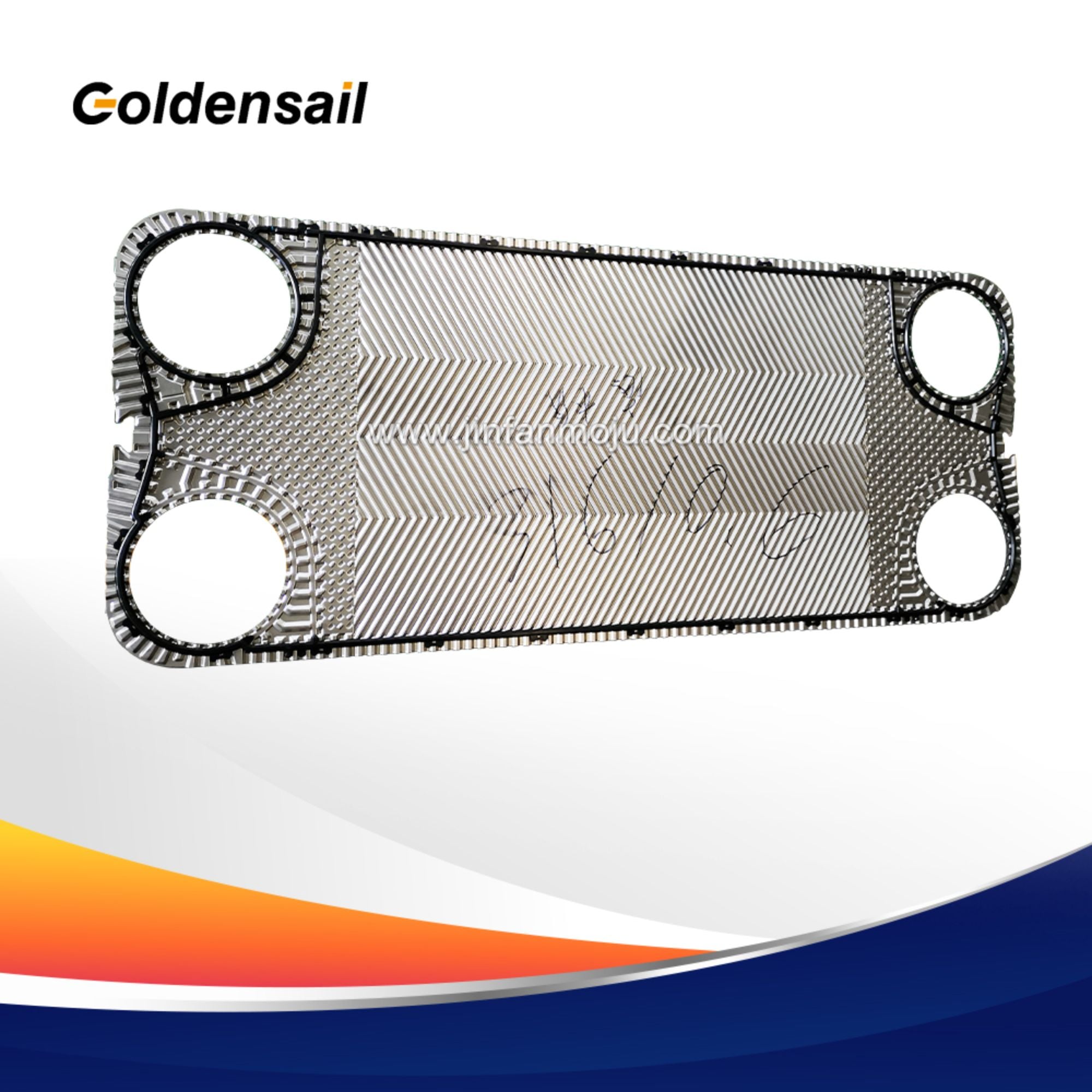
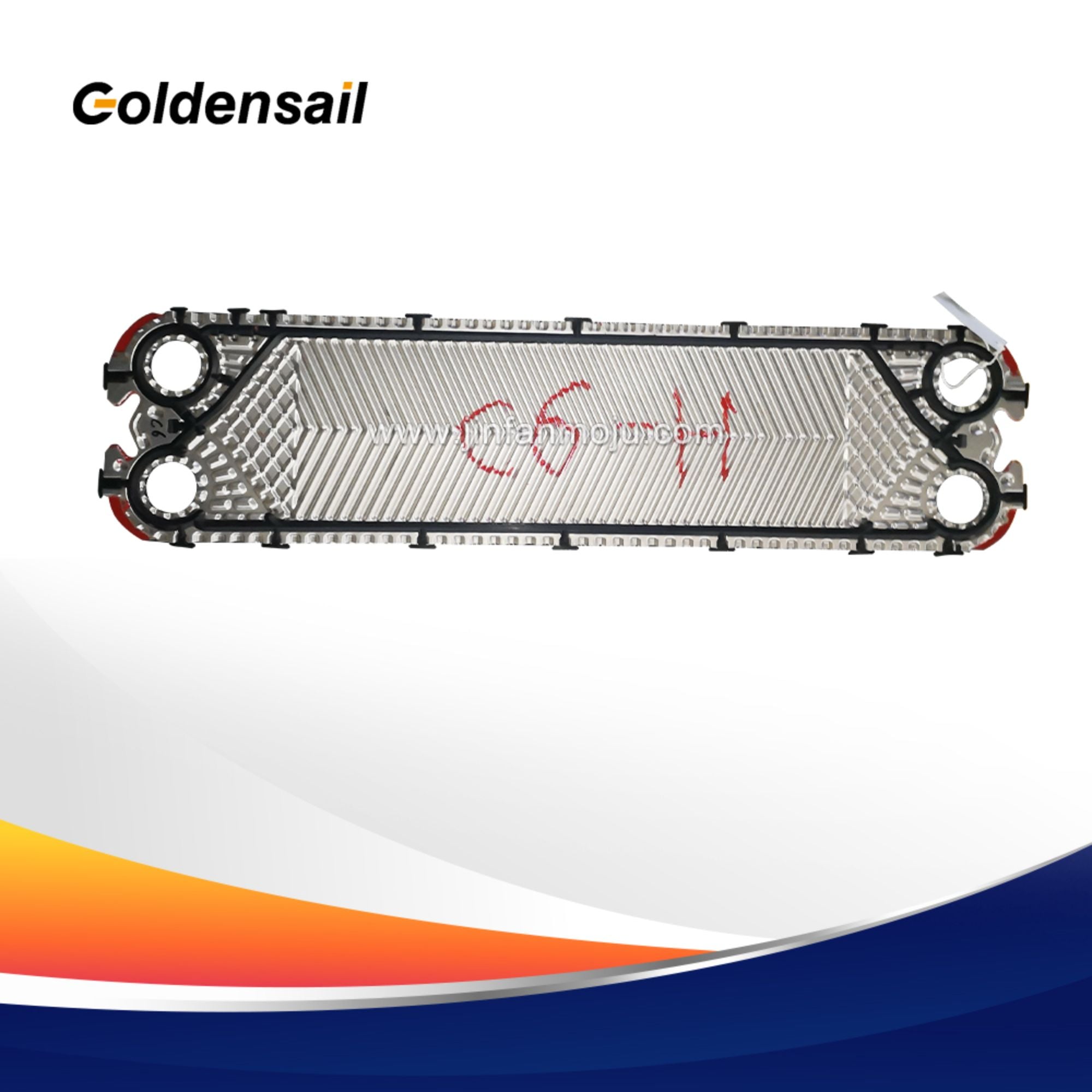
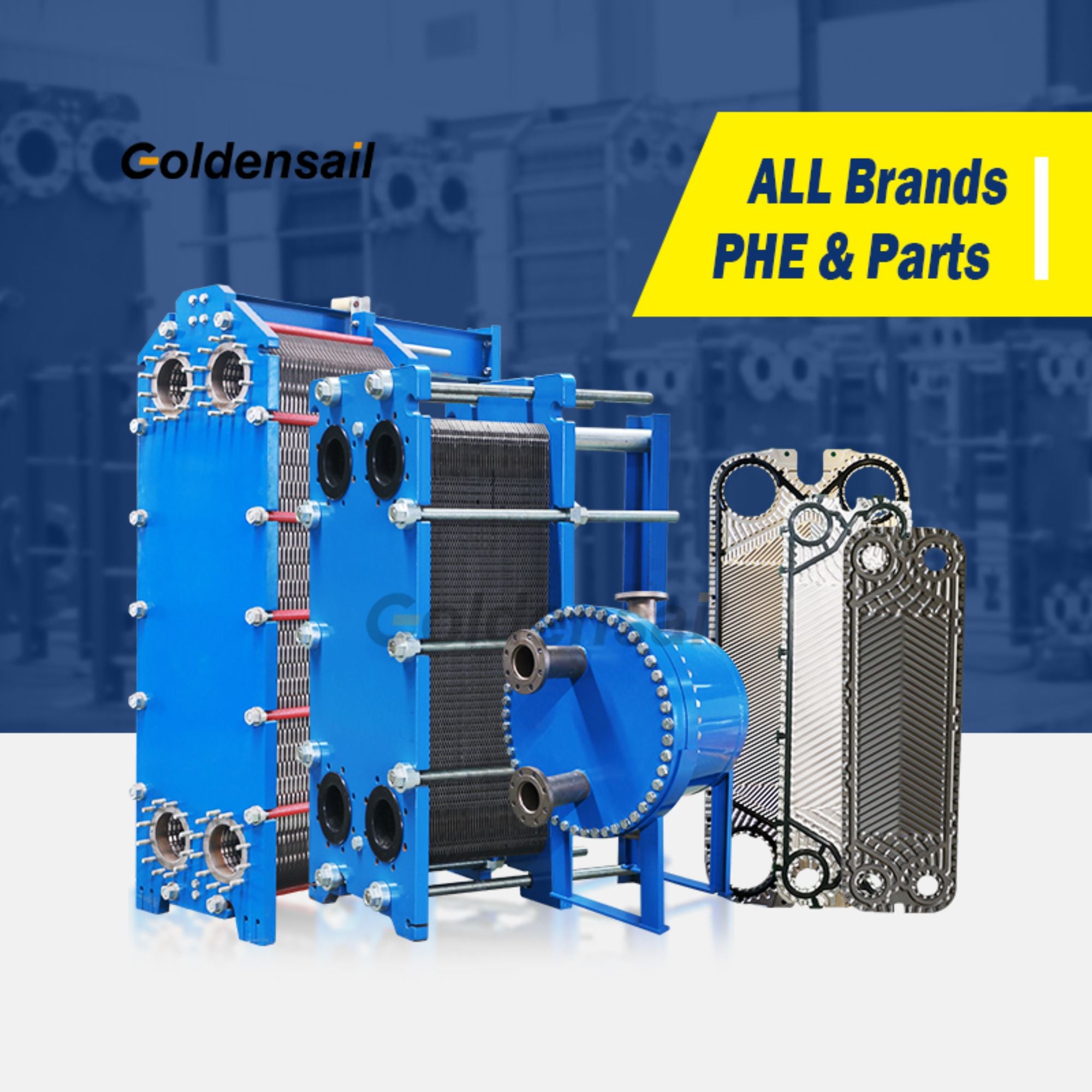
Looking for a Plate Heat Exchanger Gasket Mould? Then JINFAN is just right.
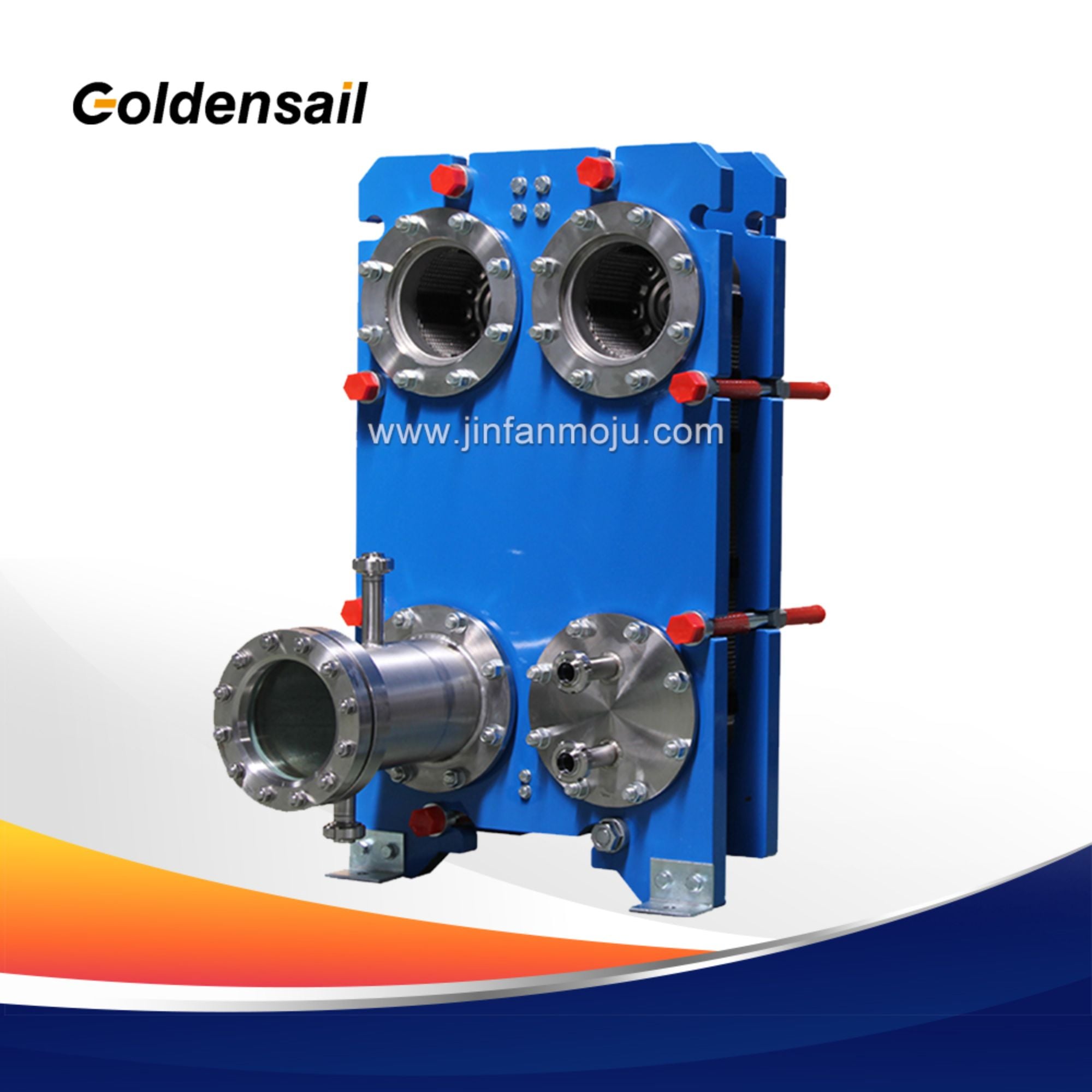
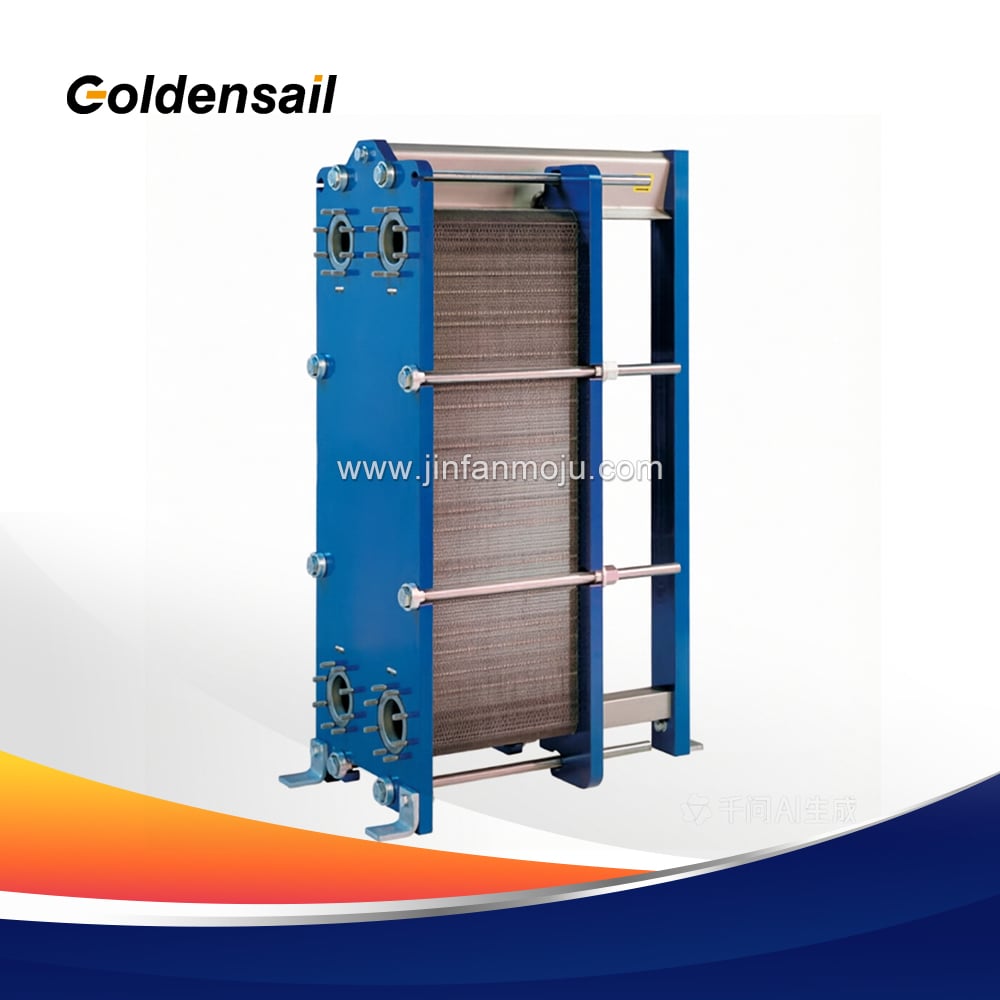
We are a first class plate heat exchanger mould manufacturer & supplier. With many years of R&D experience, JINFAN plate heat exchanger combination has resulted in the most optimal heat transfer solution for highly corrosive fluids.
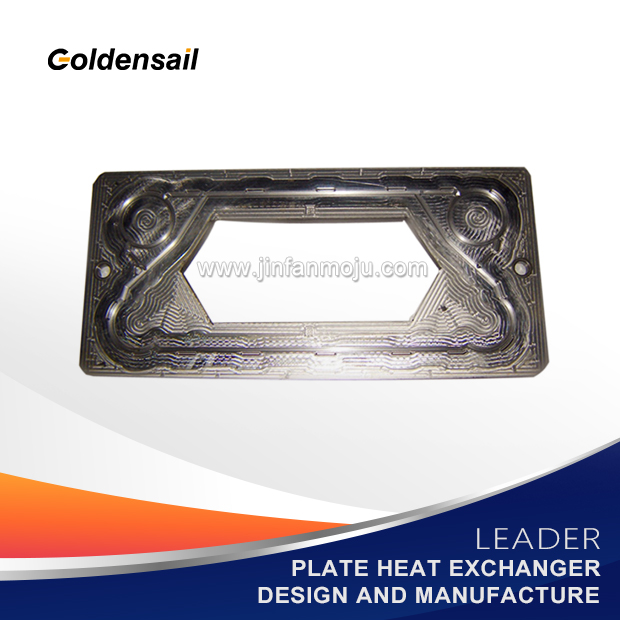
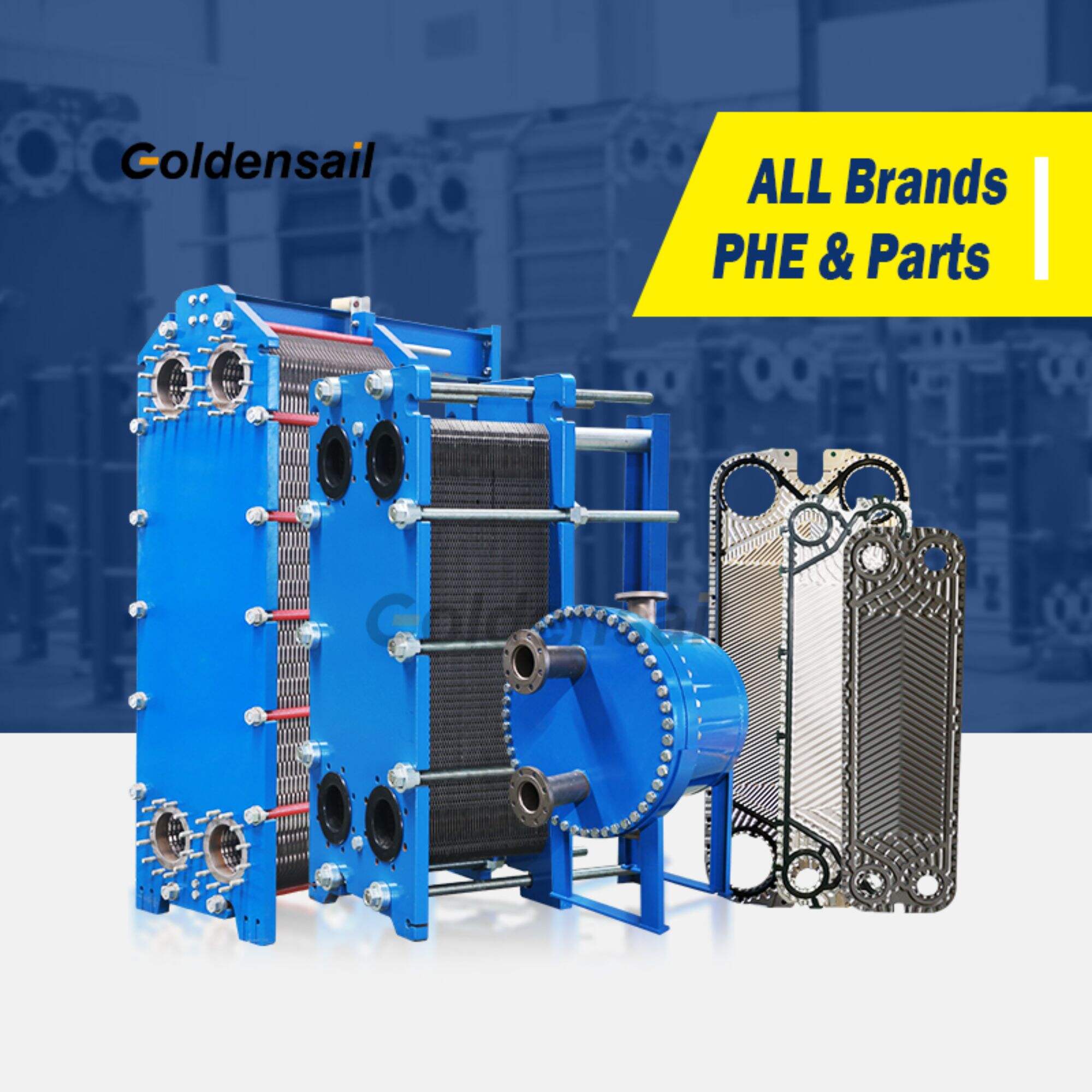
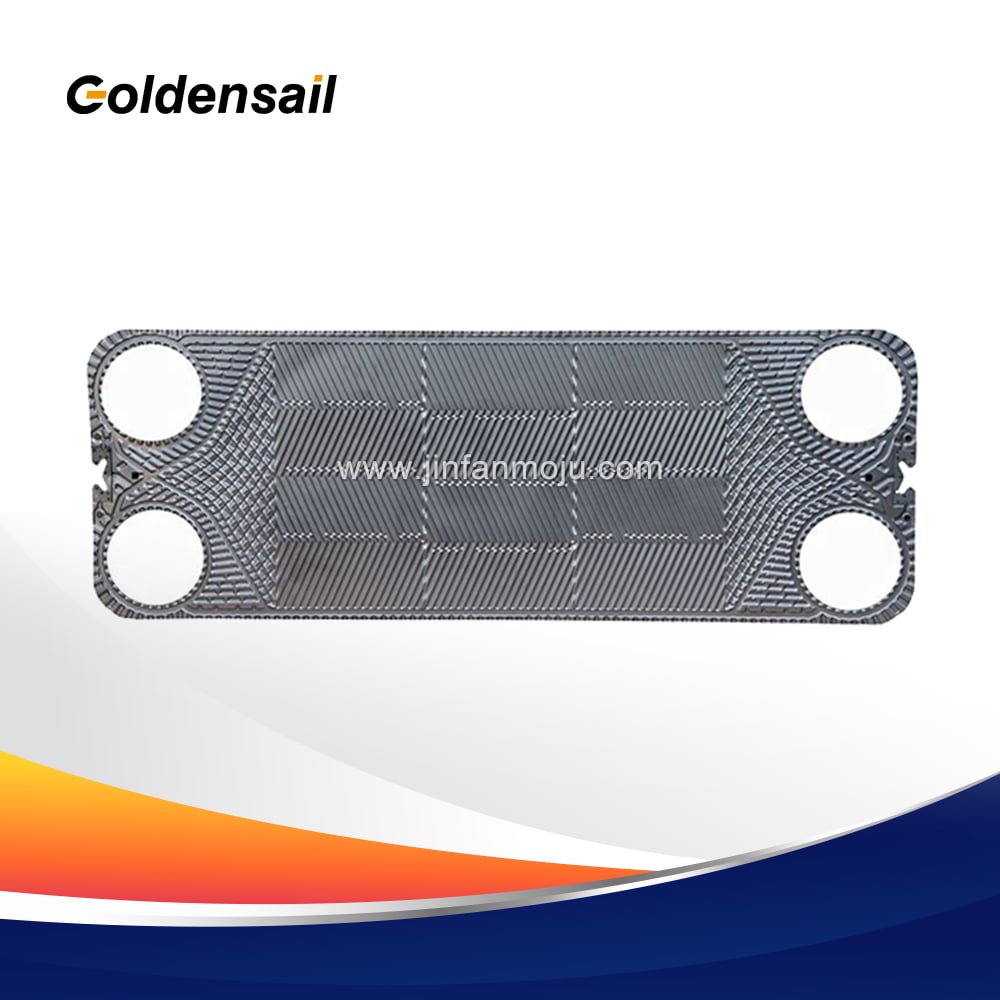
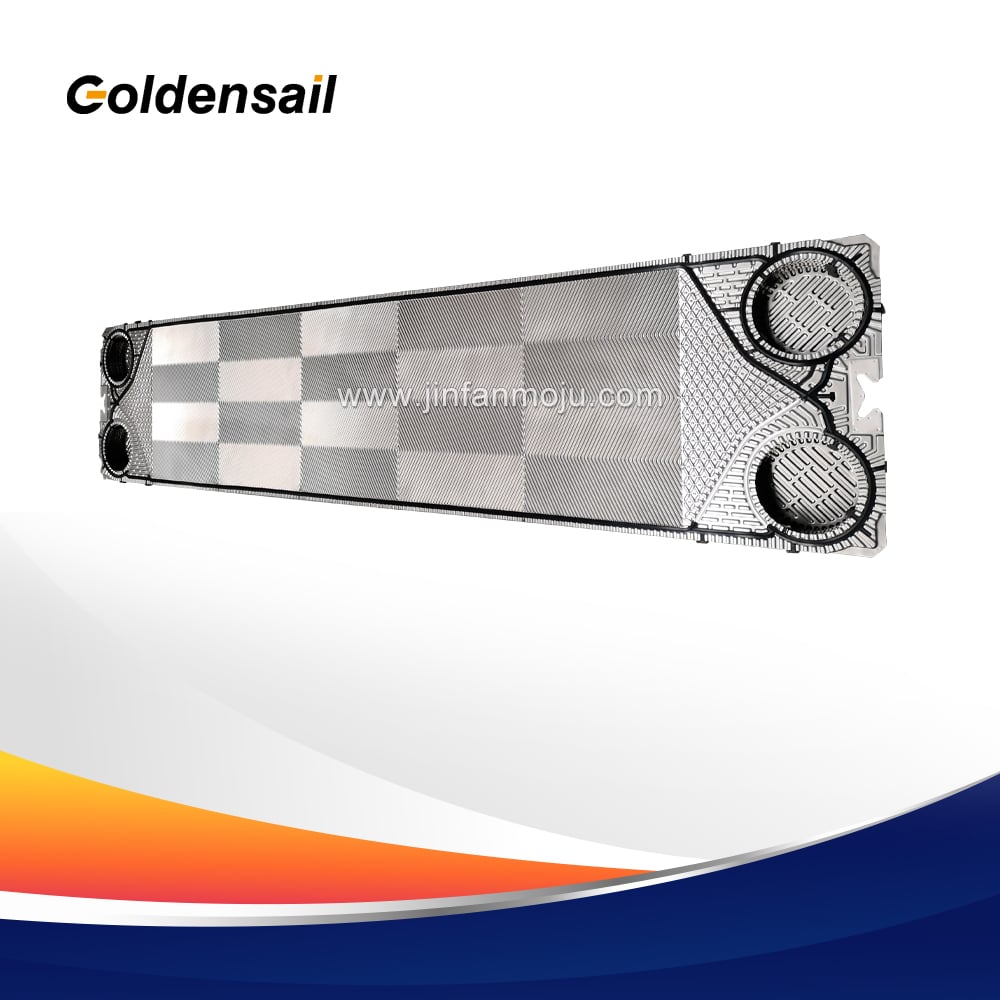
Plate Heat Exchanger Gasket Molds are specialized molding tools used to produce rubber sealing gaskets for plate heat exchangers. They belong to the category of high-precision rubber injection or compression molding molds. The core component of a plate heat exchanger is the PHE Plate, and the PHE Gasket is installed in the grooves around the plate, serving a dual function of sealing the fluid and guiding the flow of the medium. Therefore, the precision and quality of the gasket mold directly determine whether the heat exchanger will leak.
The core technical challenges in manufacturing gasket molds include controlling dimensional accuracy, calculating gasket shrinkage rate, the complexity of the venting system, and designing the flow channels to avoid weld lines.
Extremely high dimensional accuracy: The cross-sectional thickness of the gasket must be controlled within ±0.05mm. Uneven thickness will result in inconsistent sealing pressure when the plates are clamped, and even slight errors can lead to leakage.
Rubber shrinkage rate calculation: Rubber shrinks after vulcanization, and the shrinkage rate varies greatly among different grades (EPDM, NBR, HNBR). The shrinkage rate can range from 1.5% to 3%.
A complex venting system: If air remains inside the rubber pad, it will cause bubbles or insufficient material after vulcanization. The mold must be equipped with extremely fine venting channels to expel high-pressure gas, while simultaneously using excess material and flash to automatically seal the vents.
A complex runner design: For long, strip-shaped rubber pads, ensuring that the rubber compound reaches the far end simultaneously within the mold cavity to avoid weld lines is the core of the gating system design.
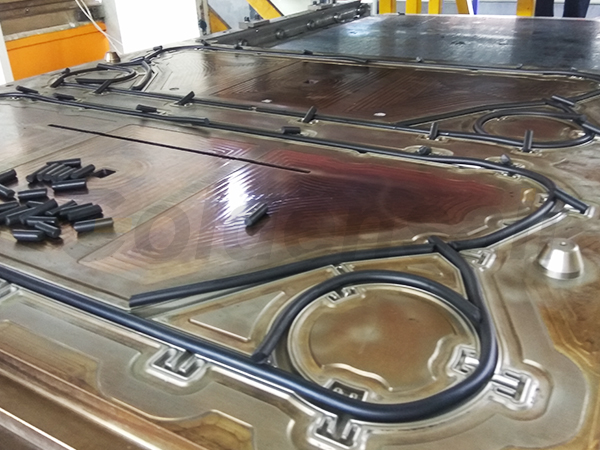
Adhesive-type molds: The gasket cross-section is usually rectangular or trapezoidal. After being inserted into the plate slot, it needs to be firmly glued with special adhesive. This type of mold is relatively simple, but has lower production efficiency and is troublesome to replace the gasket later.
Snap-on molds: This is currently the mainstream. The mold design includes mushroom-head, wedge-shaped, or dovetail-shaped snap-on structures on the back of the gasket. The gasket is "pressed" into the plate slot by elastic deformation, without the need for adhesive. This type of mold has a complex structure, but is extremely user-friendly for later maintenance.
Snap-on/Button-type molds: Designed for specific high-pressure conditions, the gasket has locking buttons at the four corners. The mold needs to include molding sliders with these auxiliary structures.
Injection molds (mainstream high-end): Used with rubber injection molding machines. After the rubber compound is plasticized by the screw, it is injected at high speed into the closed mold cavity through the injection port. This type of mold has precise temperature control, fast vulcanization speed, and extremely high product dimensional stability, making it suitable for mass production.
Die-casting mold/transfer mold: The rubber compound is placed in the upper mold cavity and squeezed into the lower mold by plunger pressure. Suitable for medium batches or large, thick rubber pads.
Flat mold (compression mold): The rubber compound is directly placed into the mold cavity, and then heated for vulcanization after mold closing. The mold structure is the simplest, but it produces more flash and has low production efficiency; it is now mostly used for sample production.
Because the vulcanization process requires prolonged exposure to high temperatures of 180℃~220℃ and highly corrosive vulcanizing agents, the mold steel must be heat-resistant (such as imported S136, DH31-S, or a modified version of domestic 4Cr13) and vacuum quenched. A high-quality mold typically guarantees over 500,000 to 1,000,000 mold closing cycles.
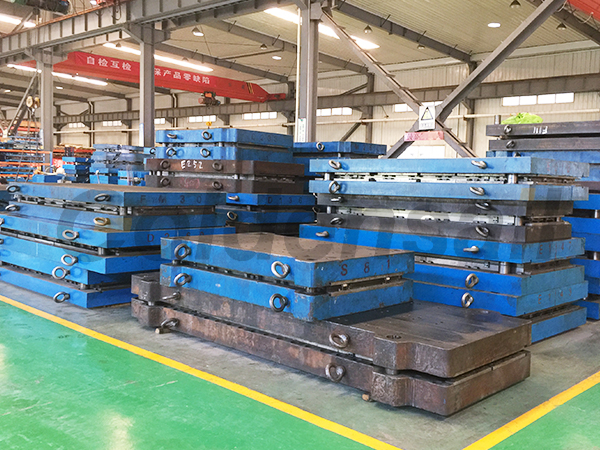
If you are troubled by the following issues:
√ Long trial molding cycles, repeated mold revisions still result in thick gasket flash and unstable dimensions.
√ Frequent changes in adhesive types, with existing molds incompatible with high-end HNBR or corrosion-resistant FKM materials with different shrinkage rates.
√ Incomplete drawings for plate grooves, lacking reverse engineering capabilities to recreate accurate sealing sections.
💡 We offer a complete chain solution covering plate heat exchanger gasket molds:
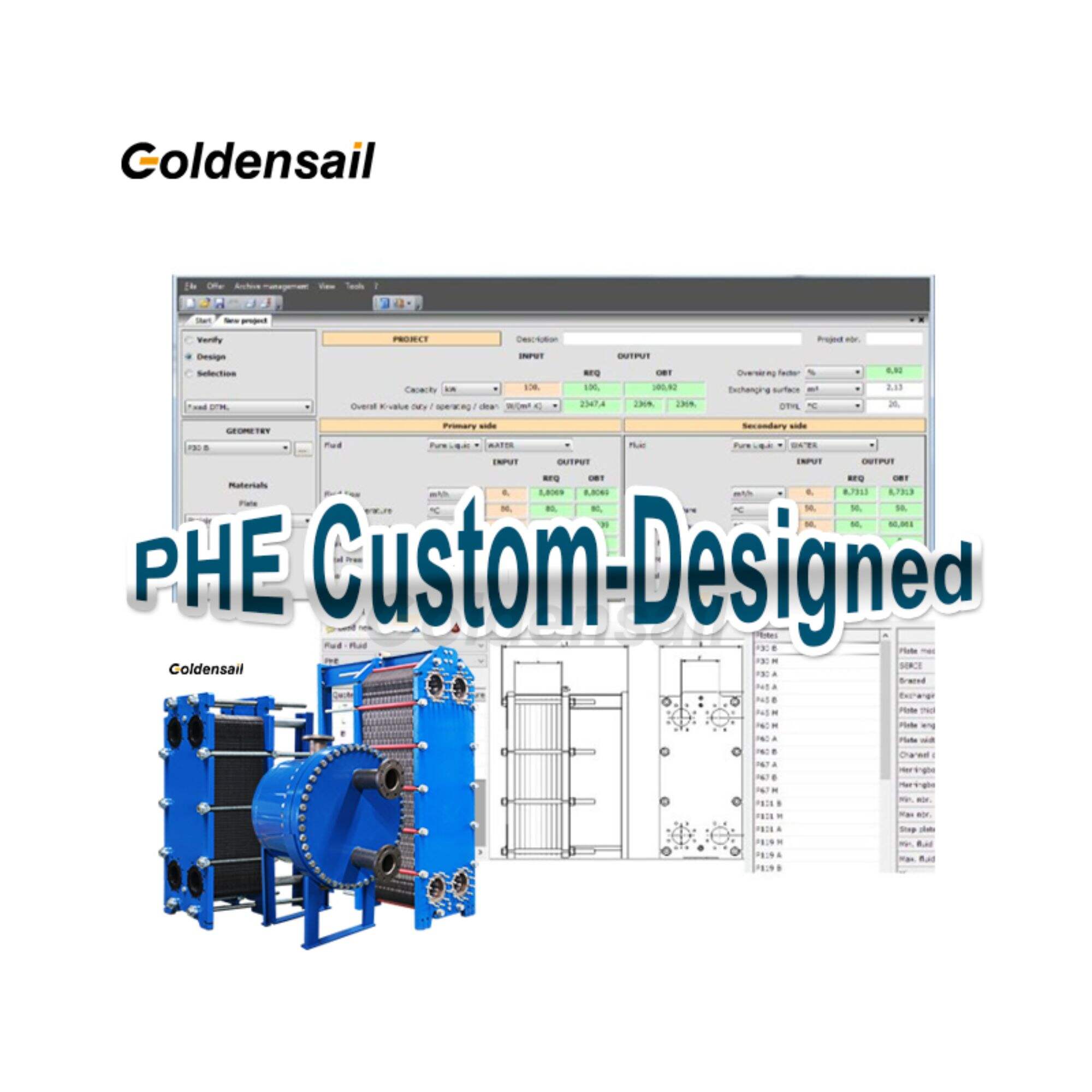
We can create a model based on your existing gaskets or plates. One mold, one dedicated after-sales engineer. From the initial trial molding to the end of a million-cycle mold lifespan, we provide continuous flow channel optimization and steel failure analysis support.
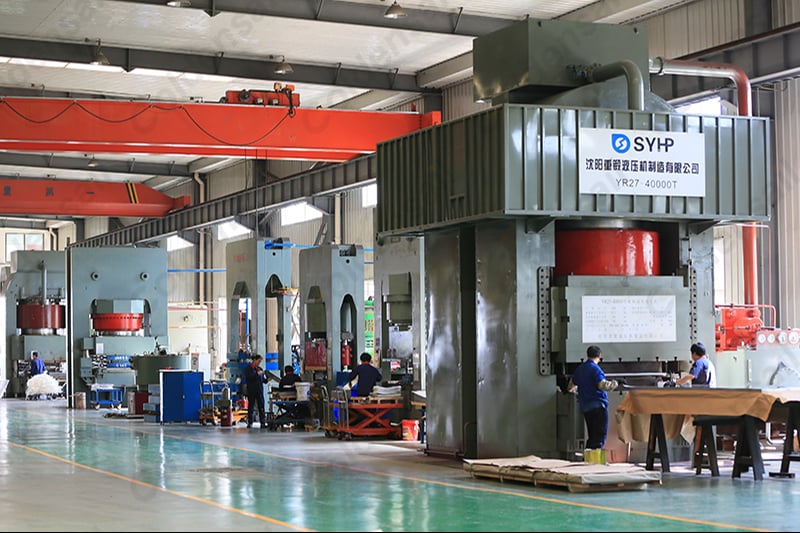
1.Designing
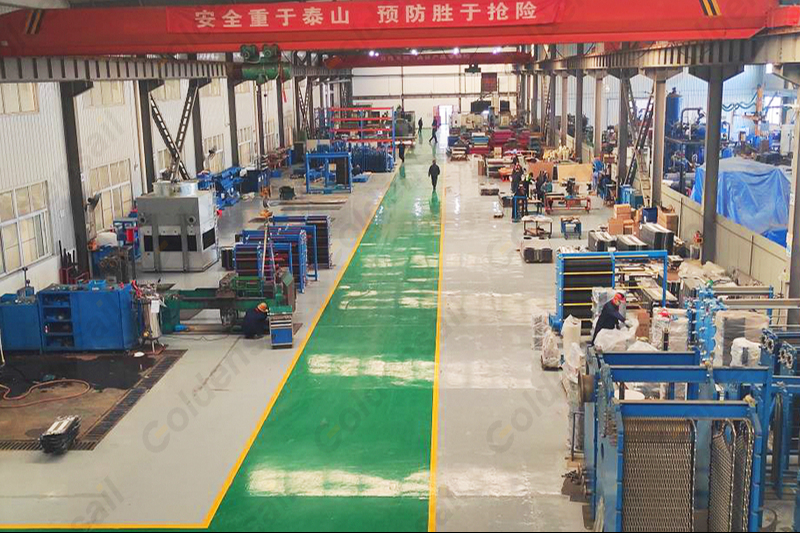
2.Process Plant
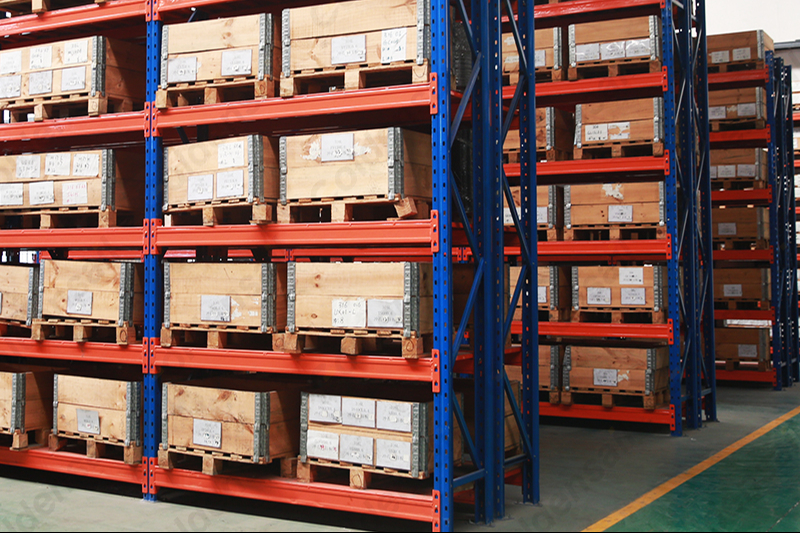
3.Warehouse
 EN
EN
 AR
AR
 FR
FR
 DE
DE
 PT
PT
 RU
RU