Discover the heat exchanger requirements in the biofuel industry, handling maximizing heat recovery efficiency and optimizing compact plant layouts
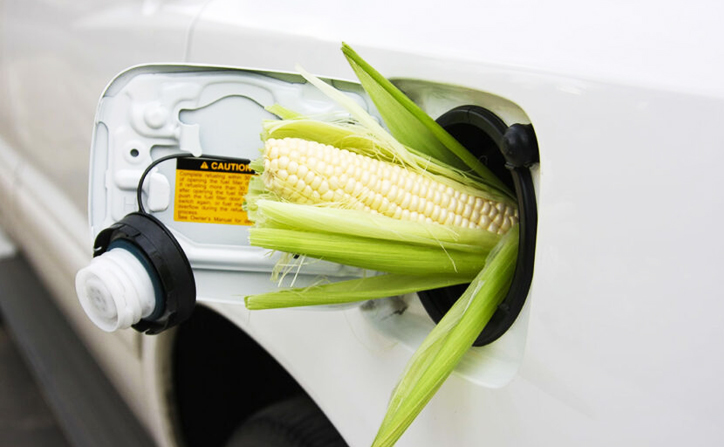
Biofuels are renewable fuels derived from plant and animal waste, or organic waste (such as crop residues, waste oils, and lignocellulose). These include bioethanol, produced from the fermentation of sugary or starchy feedstocks like corn, sugarcane, and cassava, often used as a gasoline substitute; biodiesel, produced through transesterification of vegetable oils or animal fats, used as a diesel substitute or blend; and biogas, produced through anaerobic fermentation of organic waste, used for power generation or heating. The development of the biofuel industry has increased the recycling of waste resources, reduced dependence on oil, lowered carbon emissions, and driven agricultural crop cultivation, processing, and employment. Amidst the energy transition, the biofuel industry has grown rapidly, placing higher demands on the energy efficiency, reliability, and environmental performance of equipment.
The heat exchange fluids used in biofuel production are often high-temperature, high-pressure, or corrosive media.
The biofuel industry consumes a lot of energy, and efficient heat recovery is key to reducing costs.
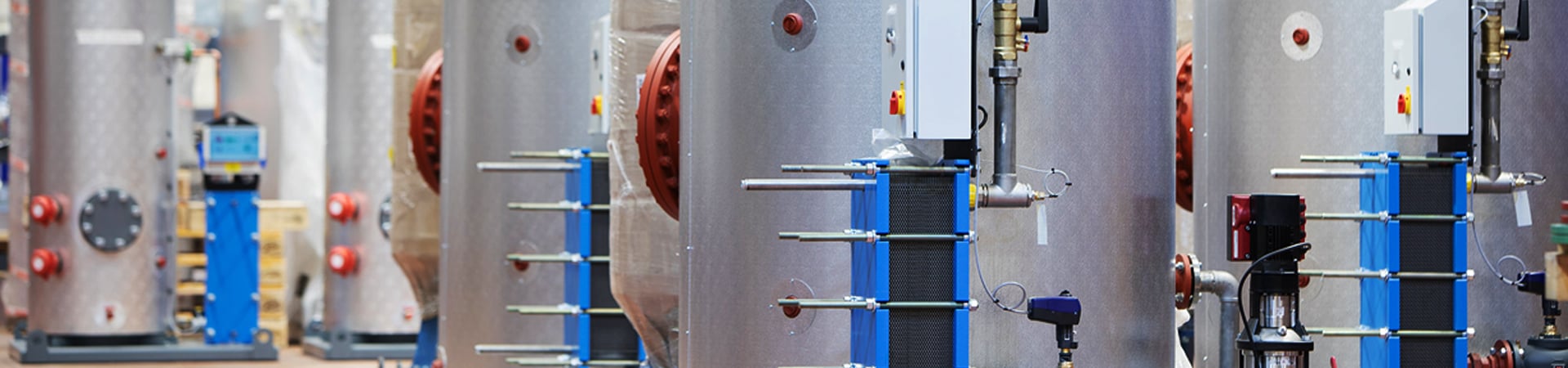
Biofuel plants are typically continuous production lines, placing high demands on equipment space and ease of maintenance.
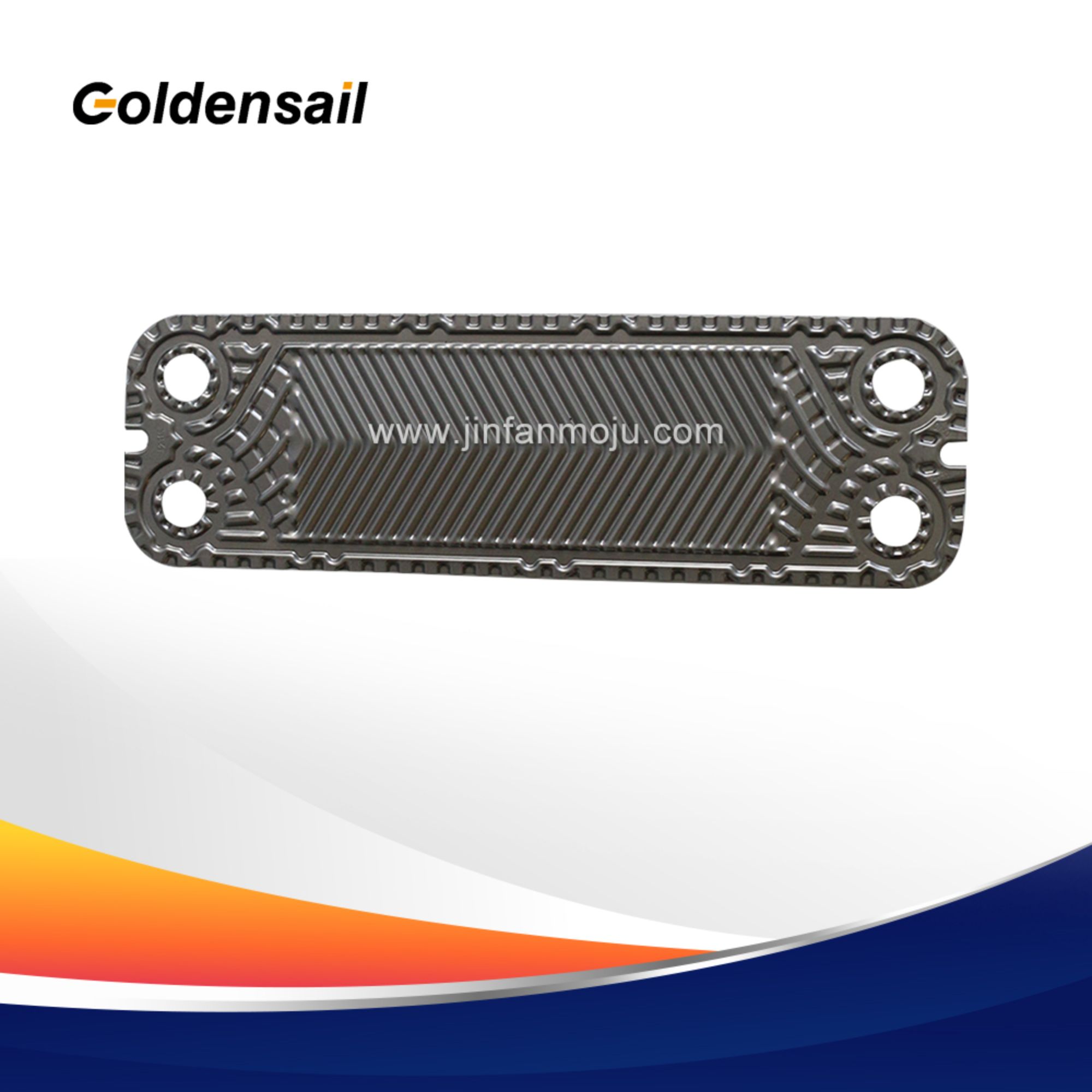
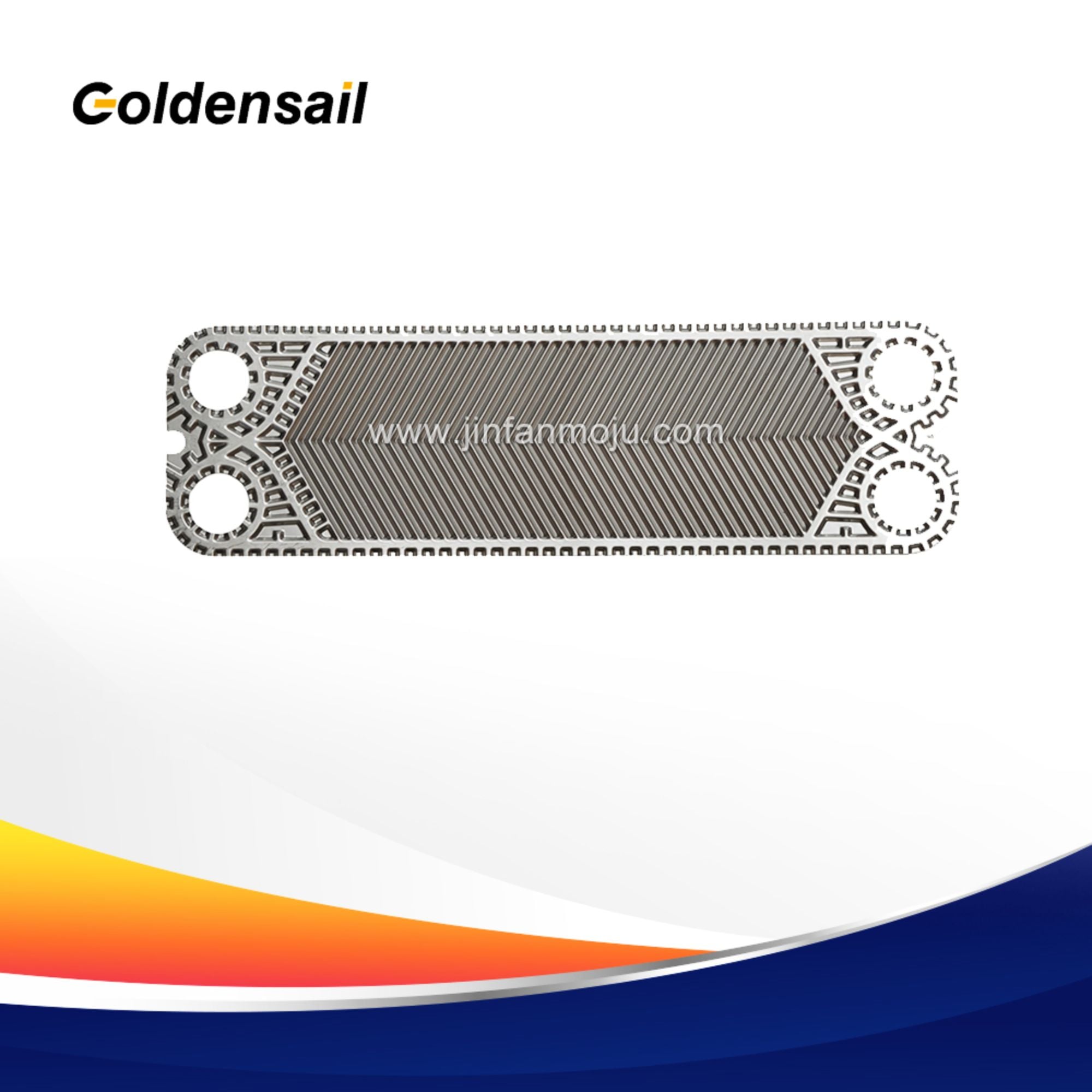
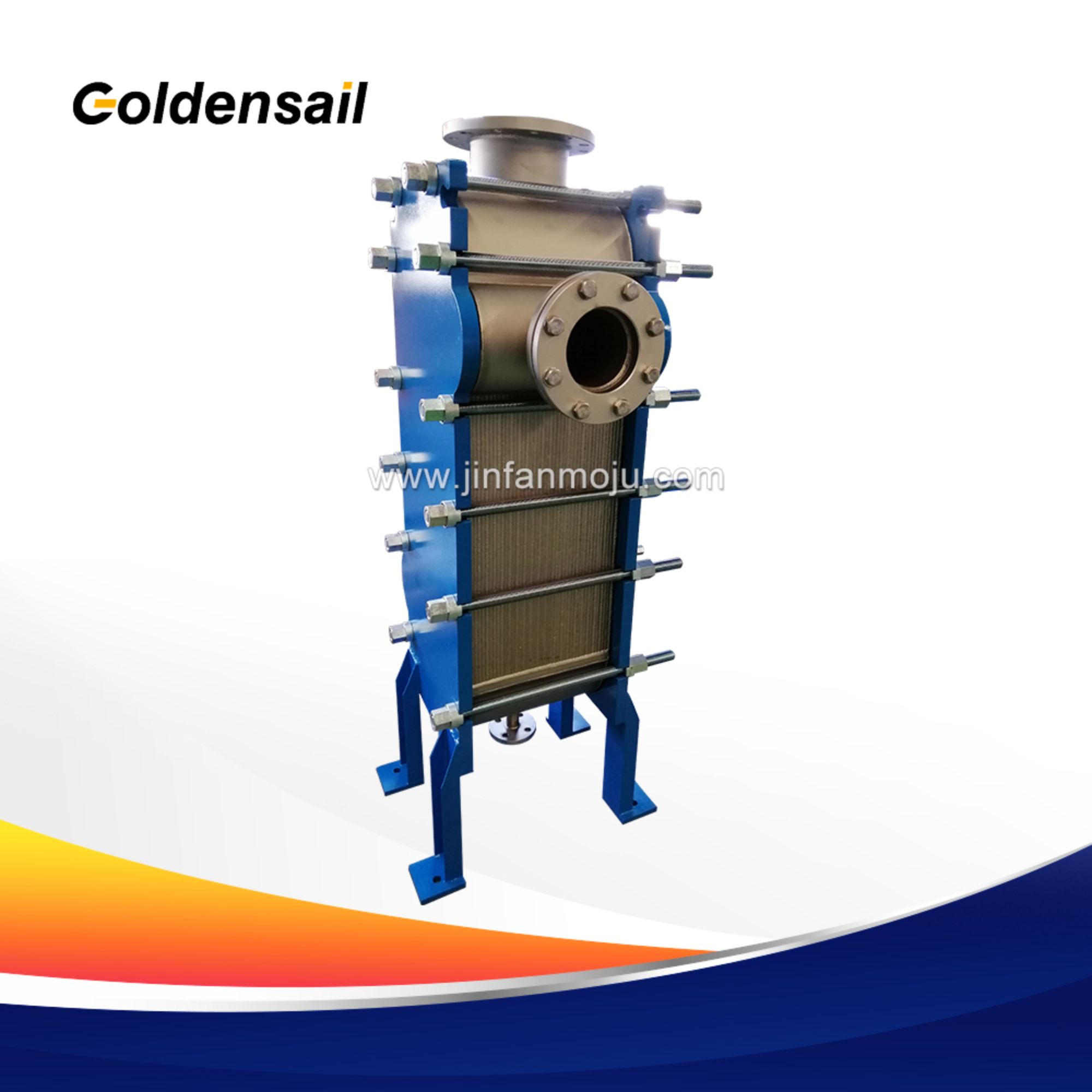
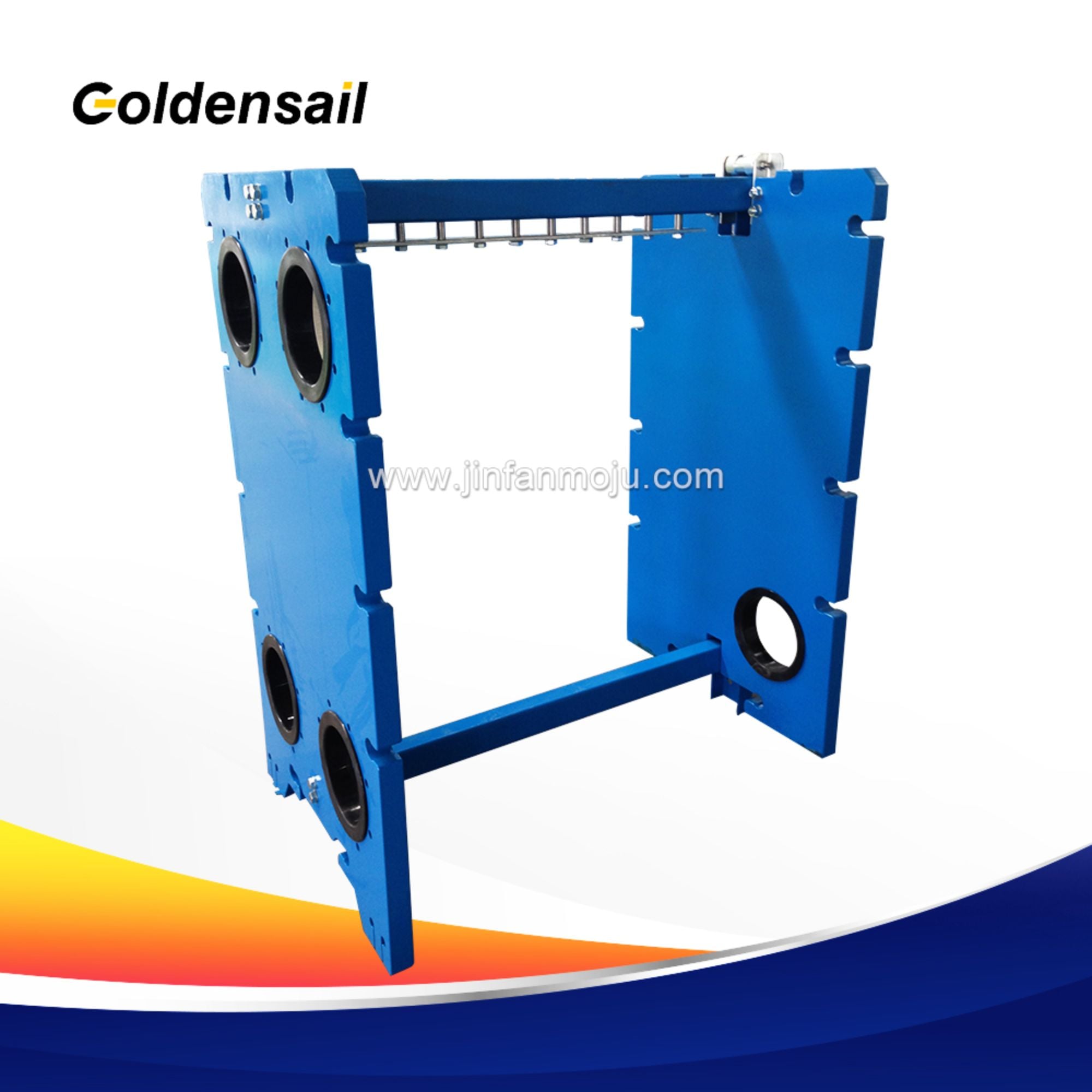
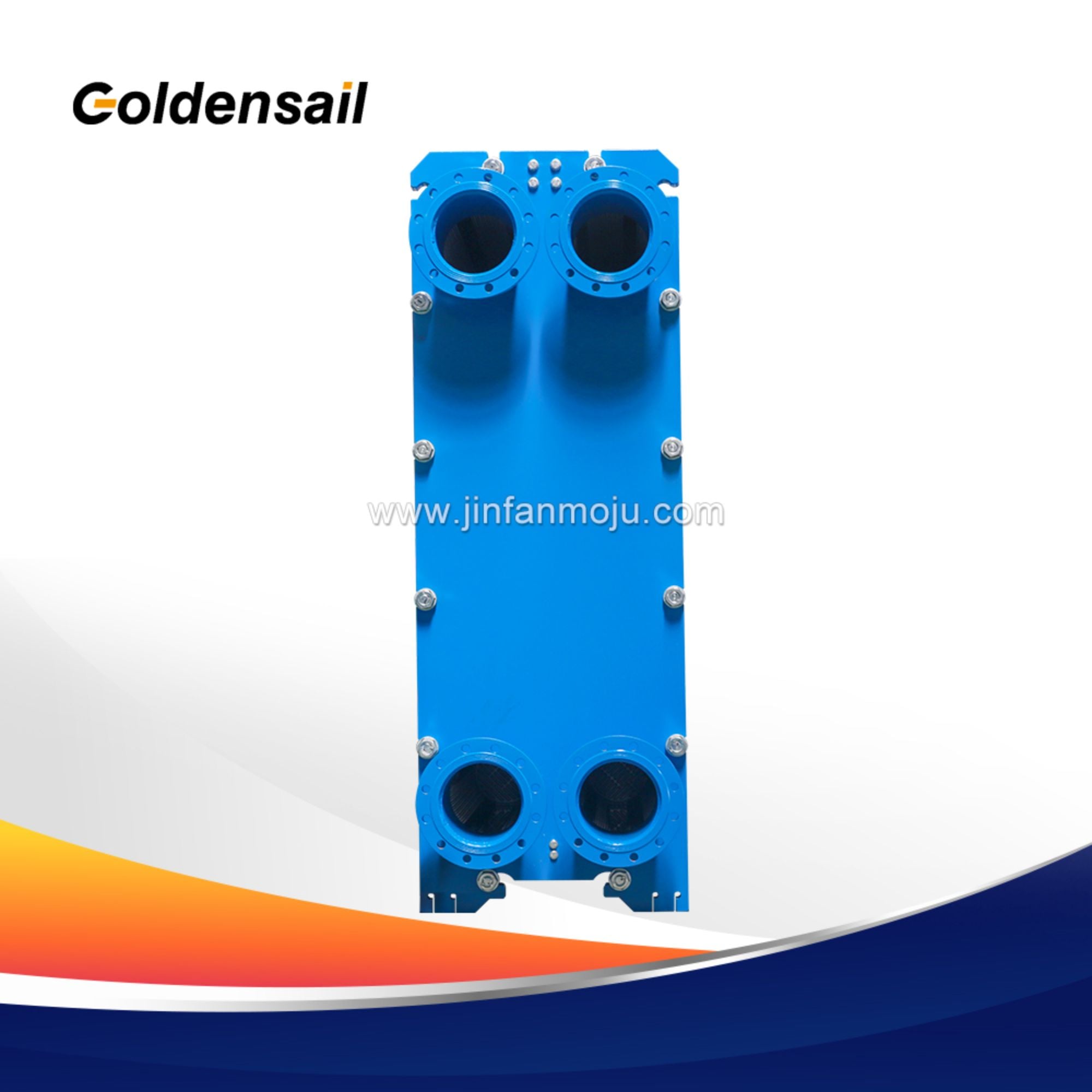
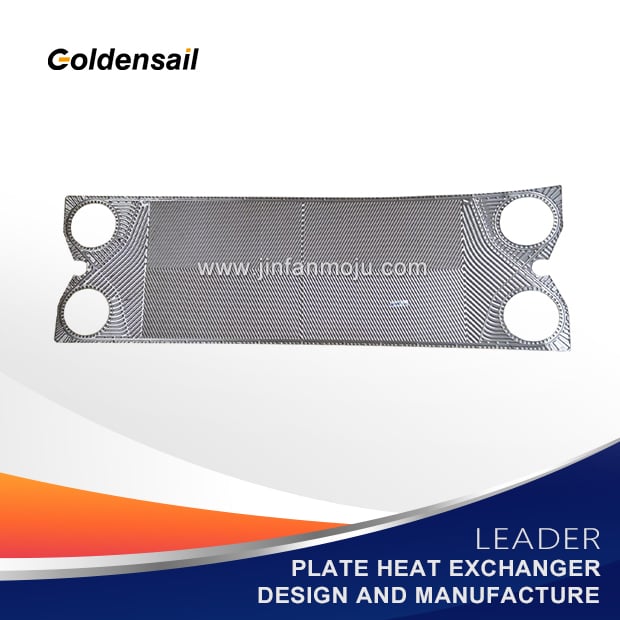
The biofuel industry produces fuels including bioethanol, biodiesel, and advanced biofuels. The process primarily encompasses fermentation, distillation, reaction, cooling, and waste heat recovery. Heat exchange equipment is used throughout the biofuel production process. Plate heat exchangers, with their high heat transfer efficiency, compact structure, and excellent corrosion resistance, have become an indispensable core piece of equipment in biofuel plants.
During the fermentation process of bioethanol, biogas, or other biofuels, stable temperature is crucial for microbial activity. Plate heat exchangers are used to cool or heat the fermentation broth, maintaining the optimal fermentation temperature through high heat transfer efficiency.
Biofuel production, especially ethanol, requires multi-stage distillation and concentration. Plate heat exchangers can be used in distillation column reboilers, condensers, preheaters, and other locations to save steam energy and recover waste heat.
In processes such as biodiesel transesterification and catalytic hydrogenation, reaction temperature directly affects product quality. Plate heat exchangers, with their fast response time and small temperature gradient, are suitable for heating reactants, removing reaction heat, and cooling products.
Biofuel plants generate large amounts of high-temperature wastewater or steam. Plate heat exchangers enable efficient recovery and reuse of heat energy between different process steps, significantly reducing energy consumption and improving overall system thermal efficiency.
Finished fuels (such as biodiesel and ethanol) must be cooled to storage temperature before discharge. Plate heat exchangers offer high heat transfer efficiency and can be custom designed for product cooling, water cooling, or oil cooling systems.
In waste liquid recovery, condensation systems, or byproduct treatment units, plate heat exchangers are used for waste heat recovery or heat exchange condensation, extending equipment life, reducing emissions, and improving overall plant energy efficiency.
| Type / Function | Key Advantages | Biofuels Application Scenarios |
|---|---|---|
| Gasketed type |
|
|
| Semi-welded type |
|
|
| WideGap type |
|
|
| High Pressure type |
|
|
| Bloc type |
|
|
| Condenser |
|
|
| Evaporator |
|
|
JINFAN has over 30 years of experience in biofuel heat exchanger design and implementation, specializing in heat transfer for biofuels, biochemicals, and renewable energy processes. We deeply understand the viscosity of fermentation broth, the fiber content of mash, and the corrosiveness of methanol in biodiesel, enabling us to provide truly optimized solutions. We utilize customized plate materials such as high-quality stainless steel, titanium, and 254SMO to ensure long-term, stable operation in high-temperature, high-pressure, and highly corrosive environments, significantly extending the equipment's service life. Our plate heat exchangers utilize the latest turbulence-optimized design to ensure extremely high heat transfer coefficients, helping customers maximize waste heat recovery. All products are ISO 9001 certified and comply with international standards.
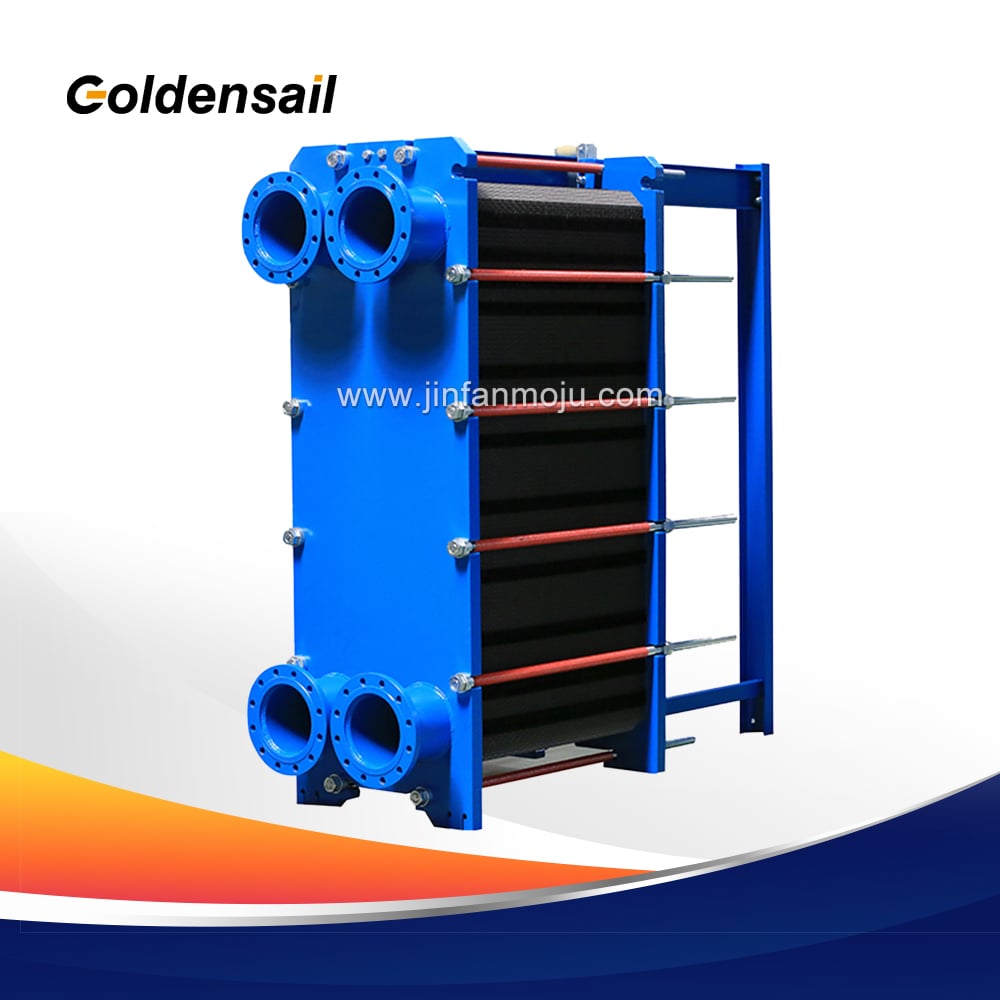
Removable for easy maintenance and inspection. We offer hundreds of plate types, multiple materials, and multiple gasket models.
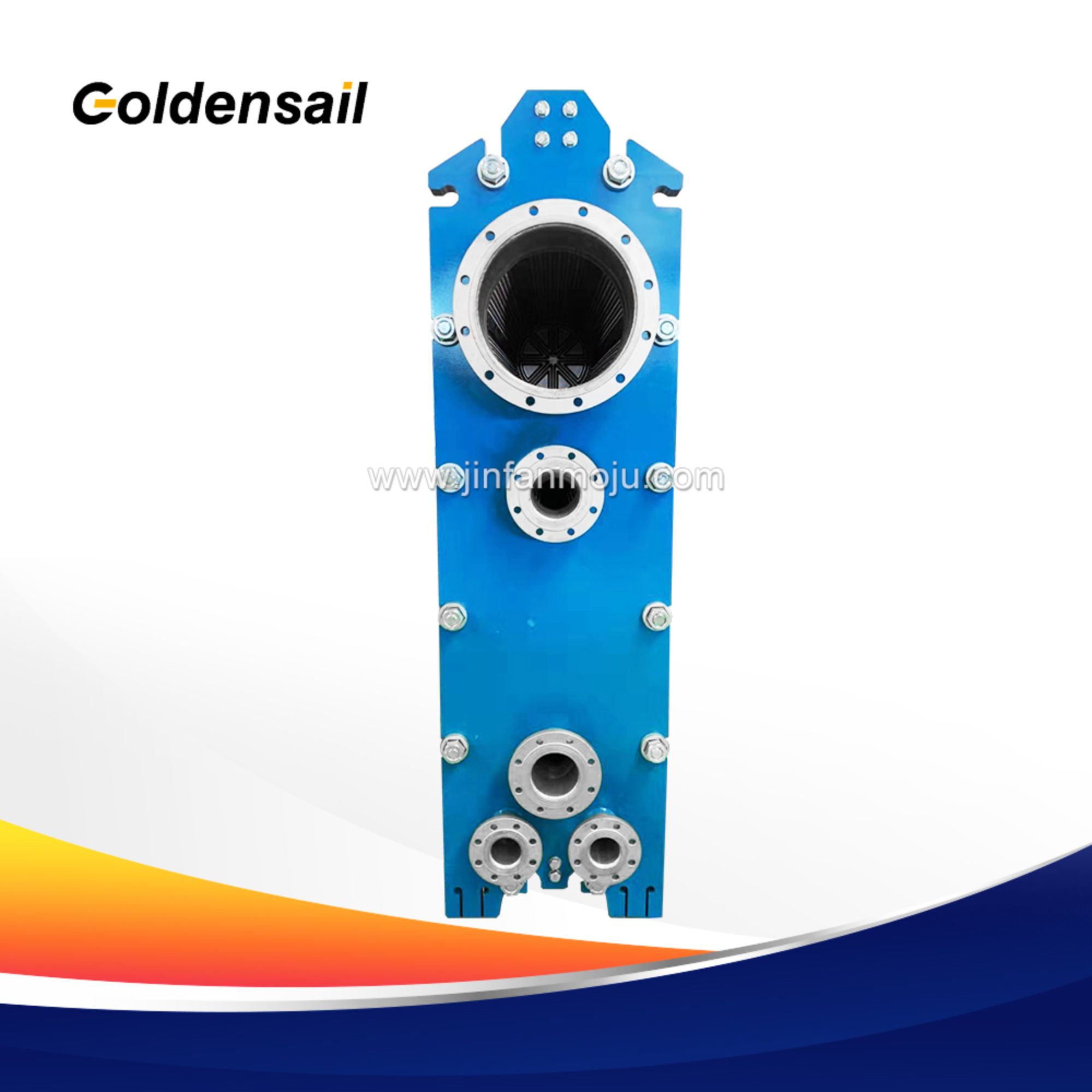
Specially manufactured for phase change processes such as steam condensation, achieves extremely high heat recovery.
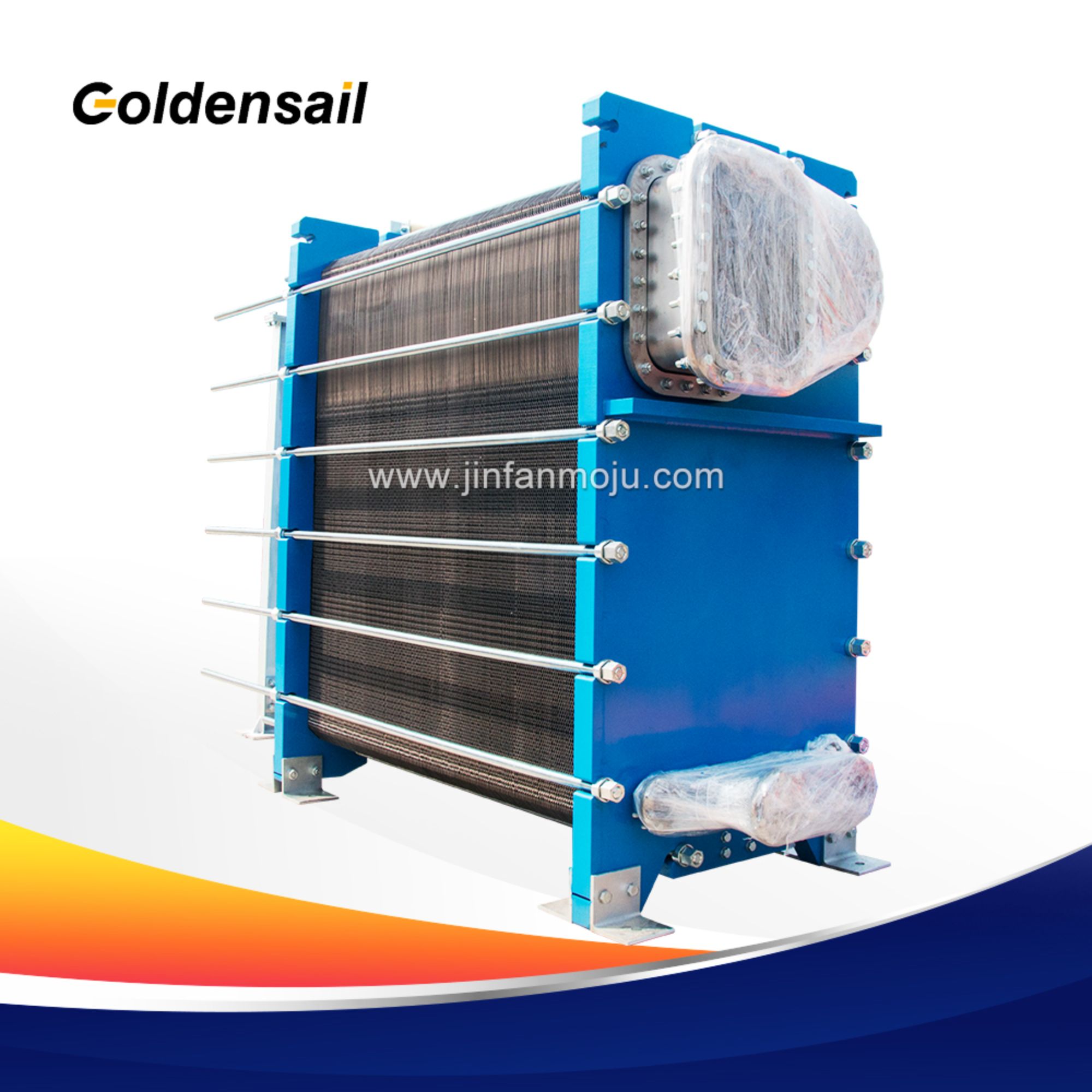
Specially designed and manufactured for liquid evaporation, the special flow channel design can achieve extremely high heat transfer efficiency.
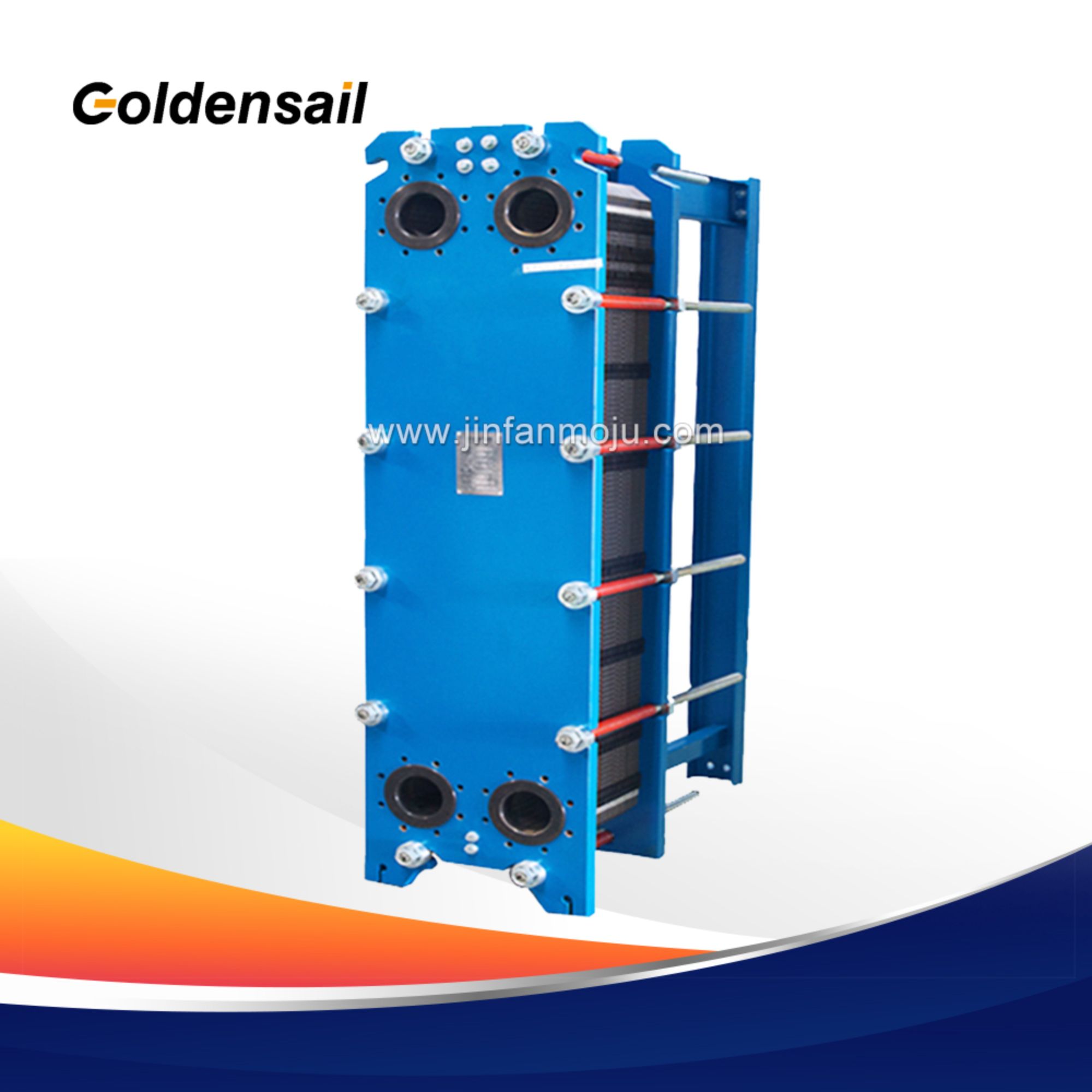
Aimed at energy and high-end manufacturing, it is suitable for ultra-high pressure applications such as high-pressure hydrogen production.
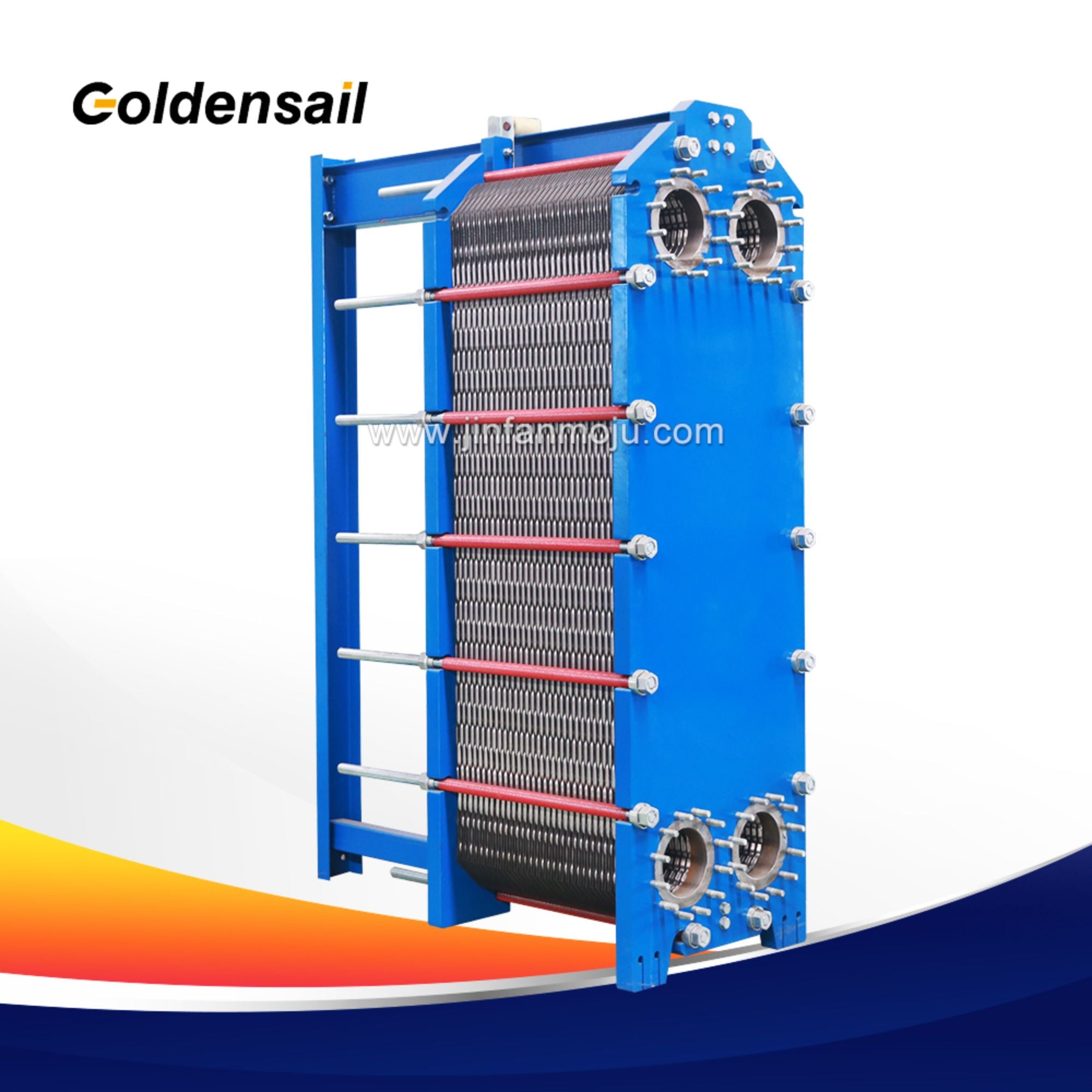
The unique wide flow channel design can easily handle media containing particles, fibers, pulp or high-viscosity liquids.
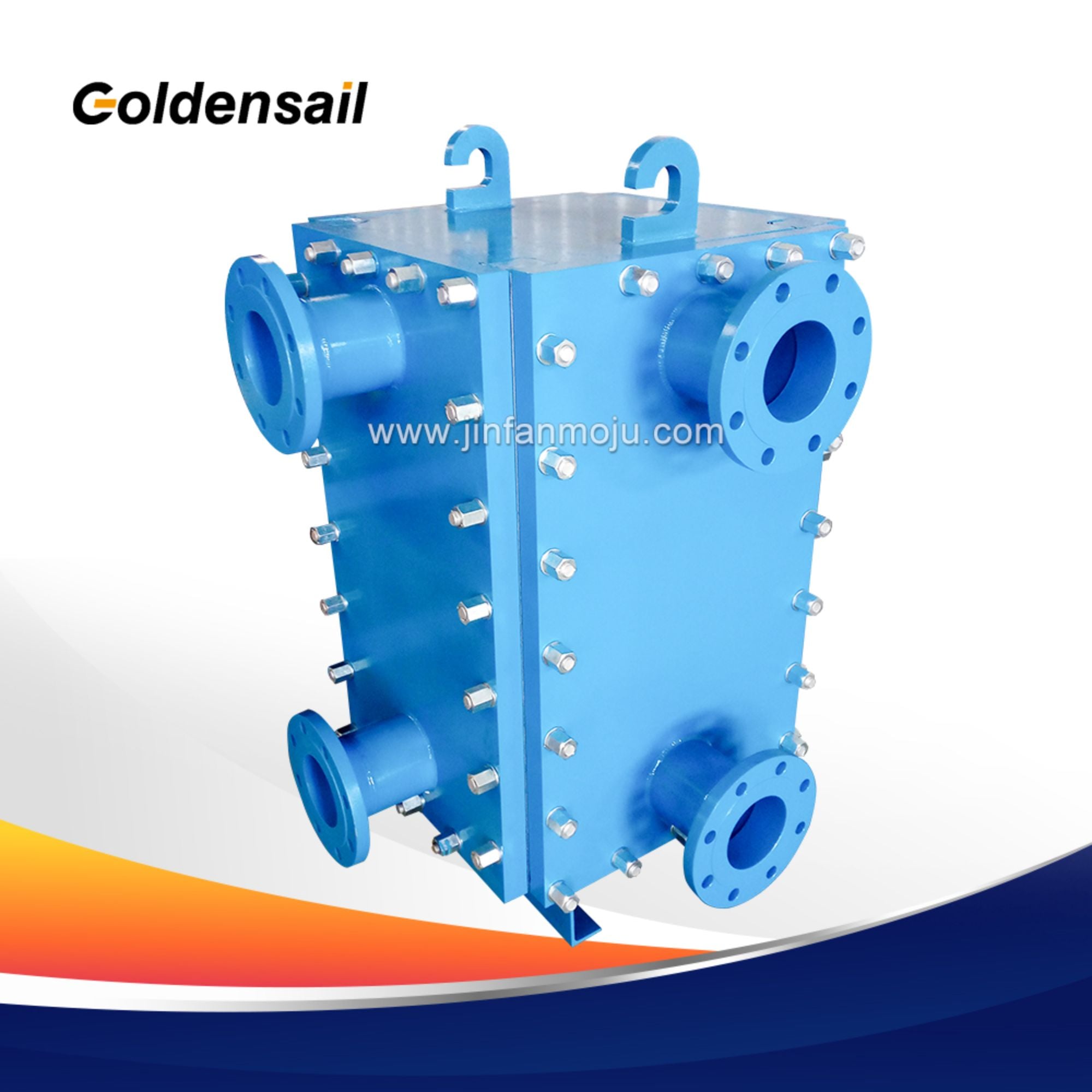
Without any gaskets, the risk of leakage is eliminated. It is widely used in the highest temperature, pressure and strong corrosiveness.
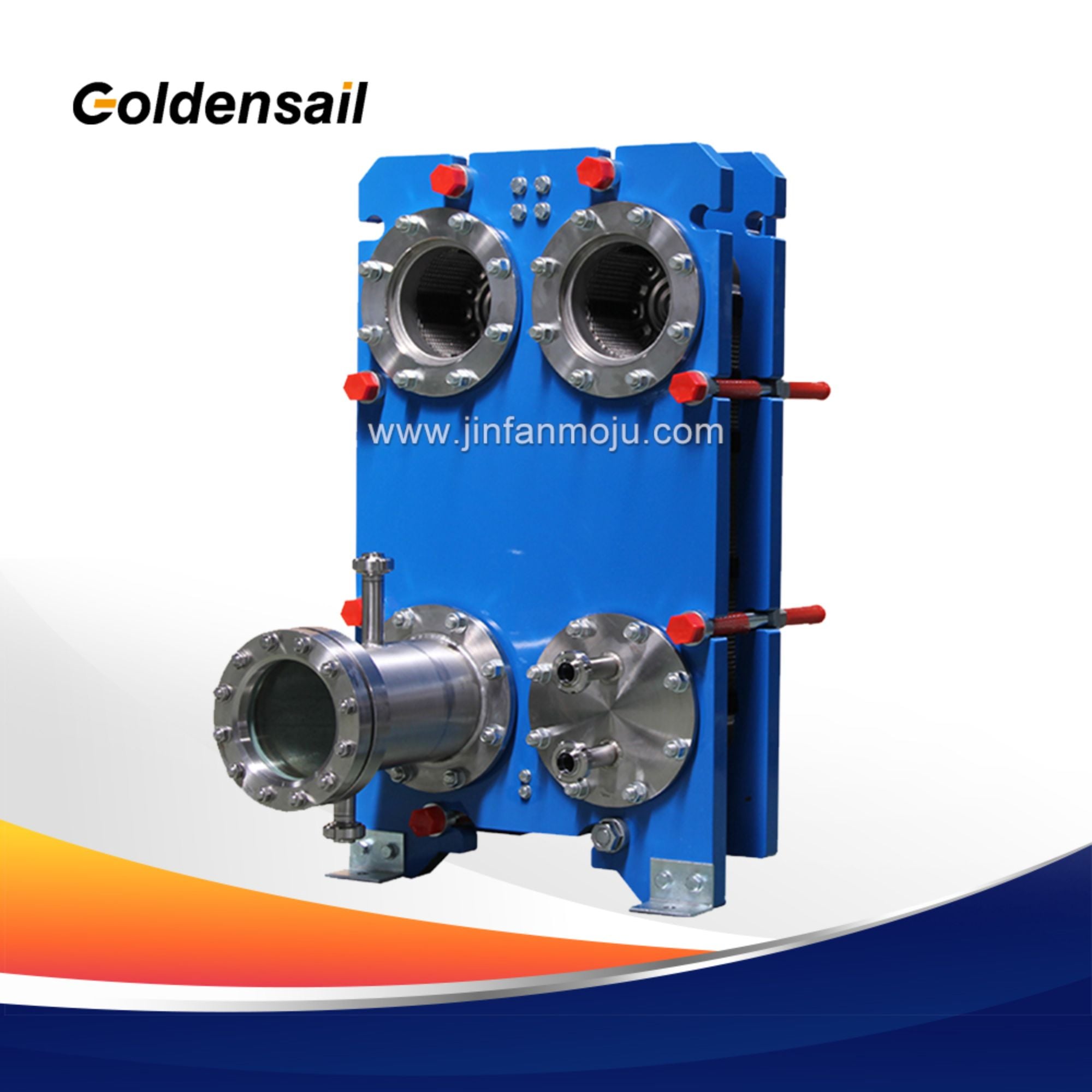
Ideal for high pressure and corrosive media. We have various specifications of welded plate bundles.
 EN
EN
 AR
AR
 FR
FR
 DE
DE
 PT
PT
 RU
RU