Exploring efficient solutions for plate heat exchangers in the mining industry, and analyzing the advantages of different types of heat exchangers for mineral processing
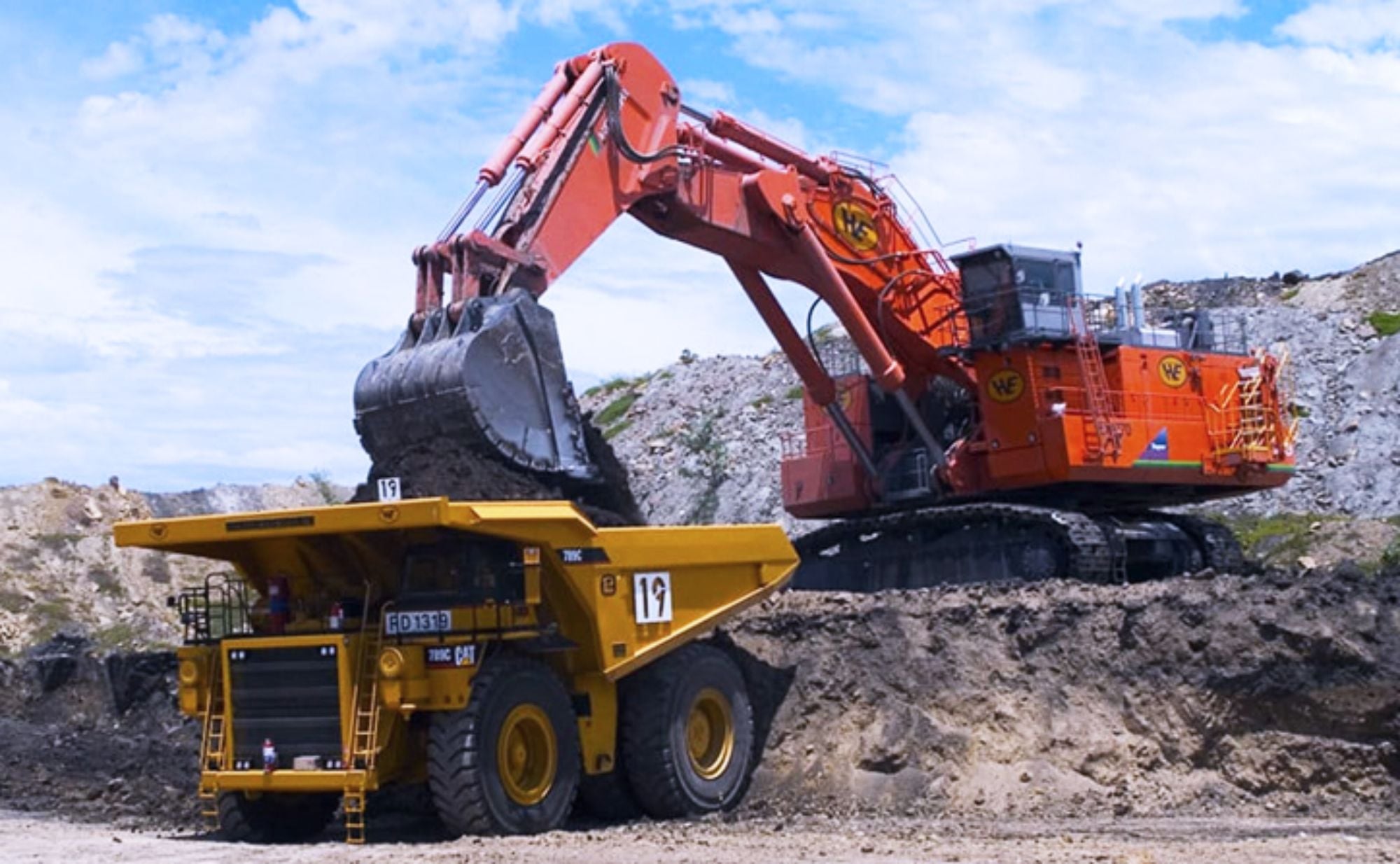
Mineral resources, including the mining and beneficiation of metal ores, non-metallic ores, and energy minerals, are the foundation of modern industry, providing critical raw materials for a wide range of sectors, including metallurgy, construction, energy, and chemicals. The mining process typically involves crushing, screening, grinding, separation, concentration, and tailings treatment, placing extremely high demands on equipment with exceptional wear resistance, reliability, and energy efficiency.
Processes like ore crushing, grinding, and smelting generate significant heat. An unstable cooling system can easily lead to equipment overheating, shutdown, or even damage.
Mineral processing uses significant amounts of water, not only controls recycling rates but also addresses environmental pollution from wastewater discharge.
Ore slurries, acidic/alkaline solutions, and fluids containing solid particles can easily cause equipment corrosion, scaling, and wear, increasing maintenance costs.
Mining processes are energy-intensive and costly. Enterprises need to reduce energy consumption and save costs through technologies such as heat recovery and efficient heat exchange.
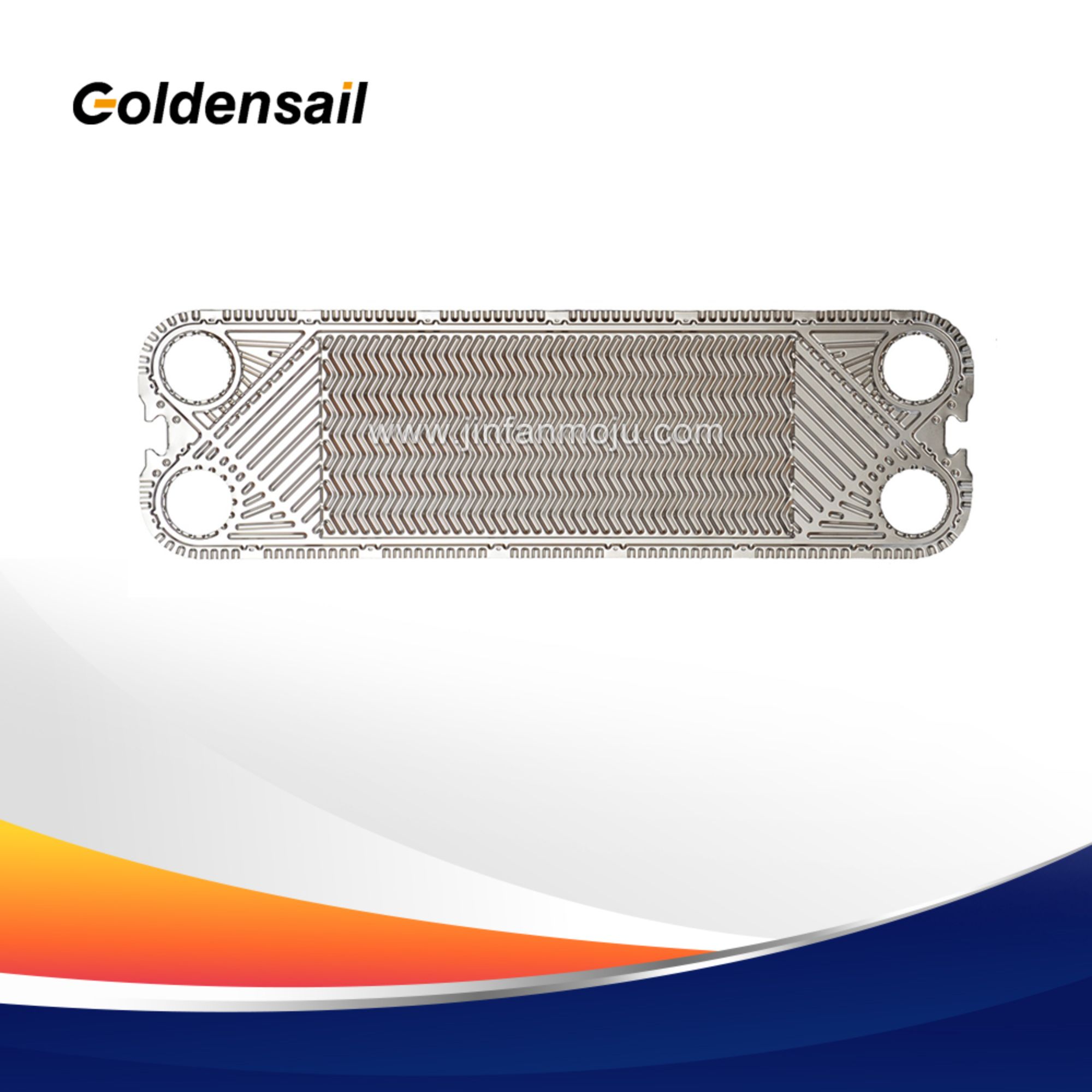
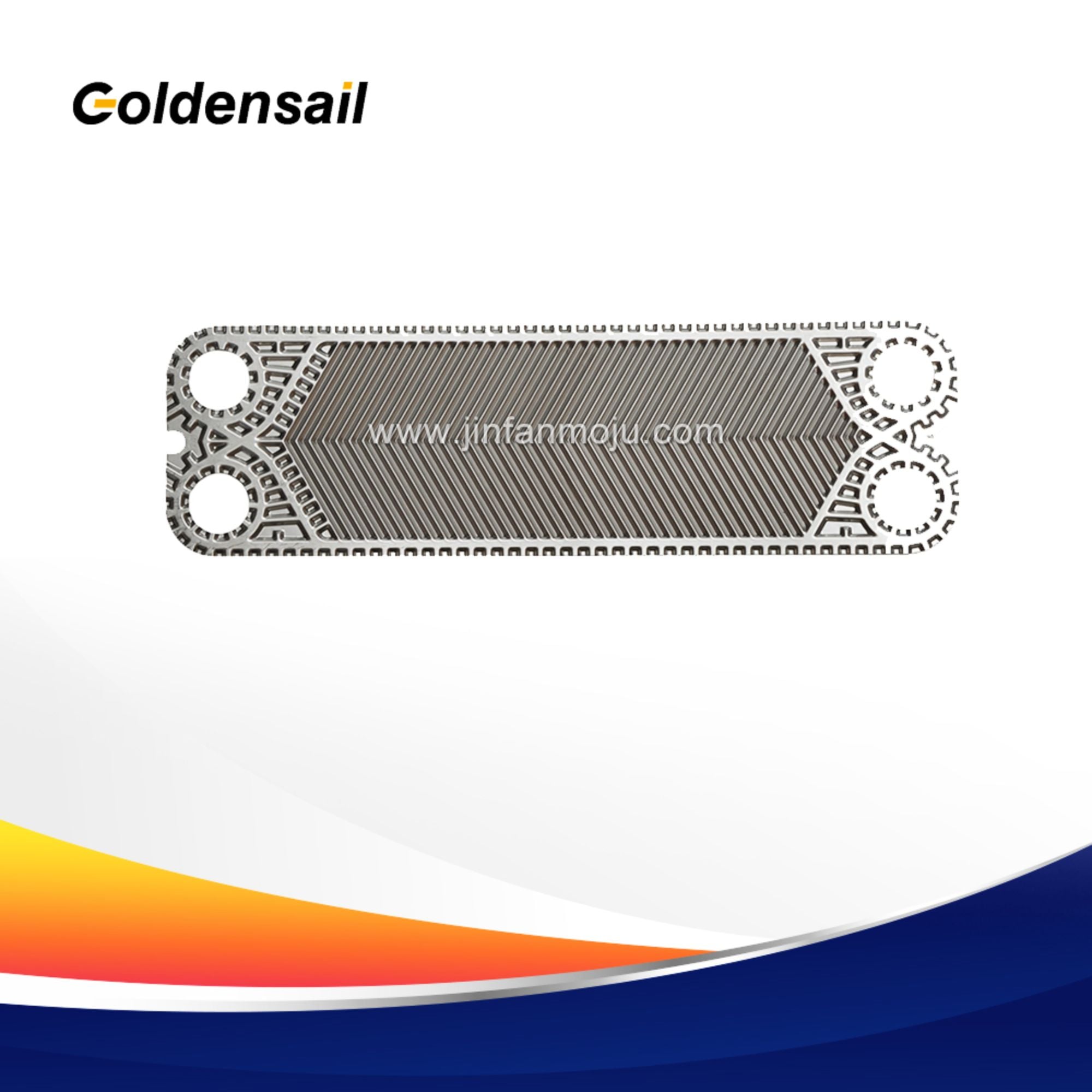
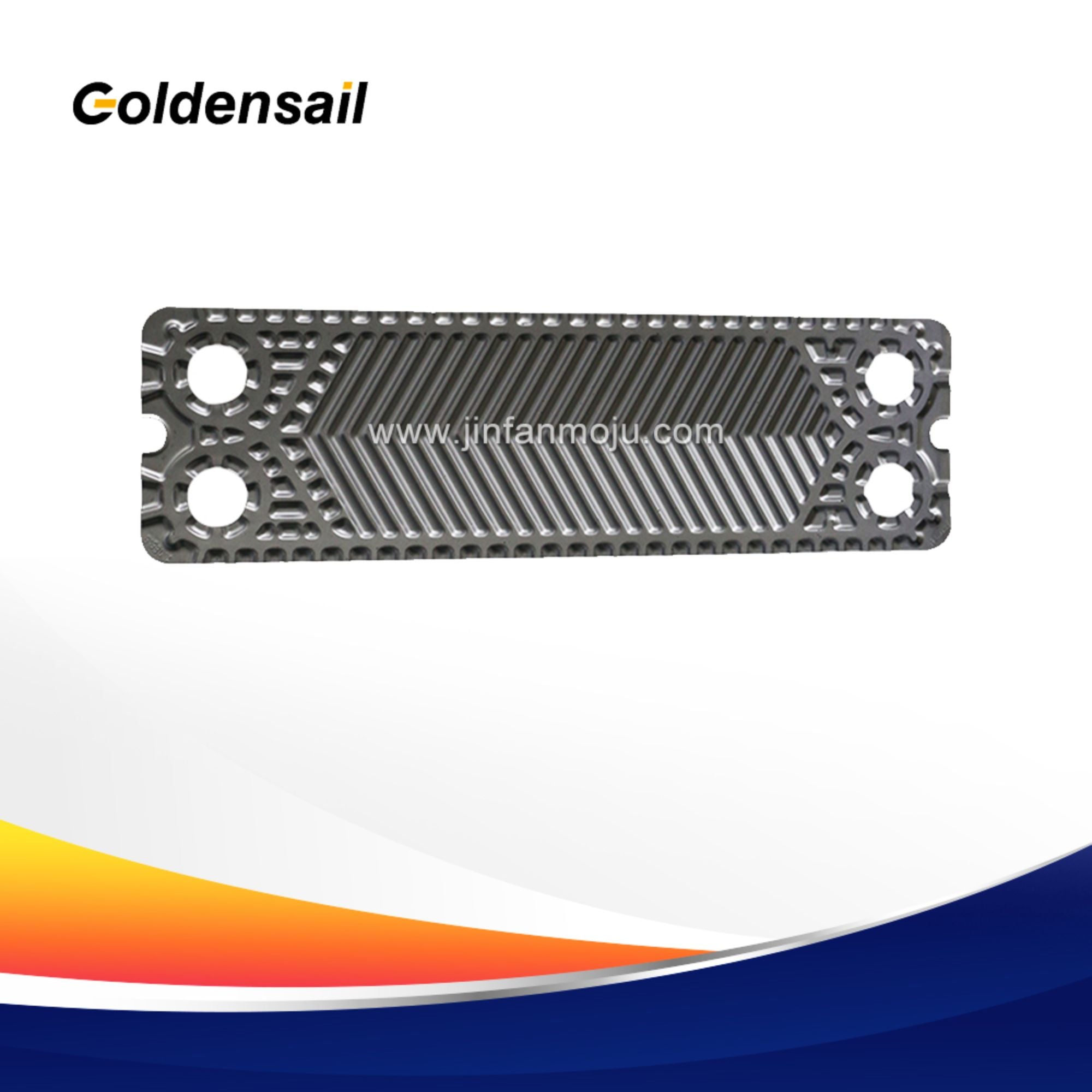
In the mining industry, plate heat exchangers are widely used for slurry cooling, equipment lubricant temperature reduction, flotation process temperature control, waste heat recovery, and circulating water systems. Compared to traditional shell-and-tube heat exchangers, plate heat exchangers offer higher heat transfer efficiency, smaller footprint, and easier maintenance. They also offer a flexible choice of plate materials (such as stainless steel, titanium, and Hastelloy) to accommodate varying corrosion conditions. They also play a significant role in energy conservation, emission reduction, and water recycling, contributing to improved overall energy efficiency and sustainability within mining production systems.
Equipment Cooling Systems: Mining equipment such as crushers, hydraulic stations, and air compressors, generates significant heat when operating at high loads. Plate heat exchangers efficiently transfer heat to quickly reduce the temperature of lubricating oil, hydraulic oil, or cooling water, preventing equipment overheating and ensuring stable and continuous system operation.
Fluid Temperature Control: In processes such as flotation, leaching, and electrolysis, fluid temperature directly impacts reaction efficiency and product quality. Plate heat exchangers enable precise temperature regulation, keeping process media within the optimal operating range and improving separation and purification.
Wastewater Heat Recovery: Mineral processing and tailings treatment generate large amounts of high-temperature wastewater. Plate heat exchangers can recover this heat and use it to preheat feed or process water, significantly reducing energy consumption and operating costs.
Solvent Extraction: In hydrometallurgical processes, extraction and stripping require strict temperature control to ensure extraction efficiency and phase separation stability. The plate heat exchanger ensures stable solvent system temperature through compact structure and high heat transfer efficiency, while being resistant to corrosive media and extending system service life.

✅ The plate design achieves a high U-value, ensuring efficient and rapid cooling or heating.
✅ Compact footprint makes it easy to install and expand even in space-constrained mines.
✅ Special alloy options are available to perfectly handle corrosive media.
✅ Easily disassembled for mechanical cleaning or CIP (cleaning-in-place).
✅ Robust design withstands high pressures and harsh operating conditions.
| Type | Sealing Method | Typical Conditions | Advantages | Limitations |
|---|---|---|---|---|
| Gasketed | Fully gasketed | General cooling water/lube oil systems | Easy maintenance, cost-effective | Not suitable for high-temperature or highly corrosive fluids |
| Semi-Welded | One side welded, one side gasketed | Acidic solutions, solvent extraction | Corrosion-resistant, partially serviceable | Higher cost |
| Condenser | Special condenser plate geometry | Steam condensation, gas heat recovery | High gas–liquid heat transfer efficiency | Not suitable for gas streams with particulate matter |
| Bloc (All-Welded) | Fully welded (all-welded) | High-pressure, high-temperature, highly corrosive media | Maximum sealing, high pressure and corrosion resistance | High maintenance cost; non-serviceable (not dismantlable) |
JINFAN offers a wide array of energy-efficient, compact, and easily maintainable heat exchangers tailored for heating and cooling needs in various mineral processing applications. Mining machinery and equipment operate in harsh and unforgiving conditions, where their hydraulic systems must withstand extensive abuse and, at times, extreme heat. Due to its higher flexibility compared to shell-and-tube systems in terms of heat transfer capacity, plate heat exchangers (PHEs) could be adapted for use in extremely hot climates.
JINFAN offers a variety of equipment and expertise to assist in optimizing critical processes within base mineral beneficiation and extraction operations. Our objective is to enhance capacity, streamline operations, increase yields, and ensure operational safety. Our solutions cover a wide range of applications including heating, cooling, heat recovery, condensation, concentrate and tailings dewatering, and intake water treatment through evaporation.
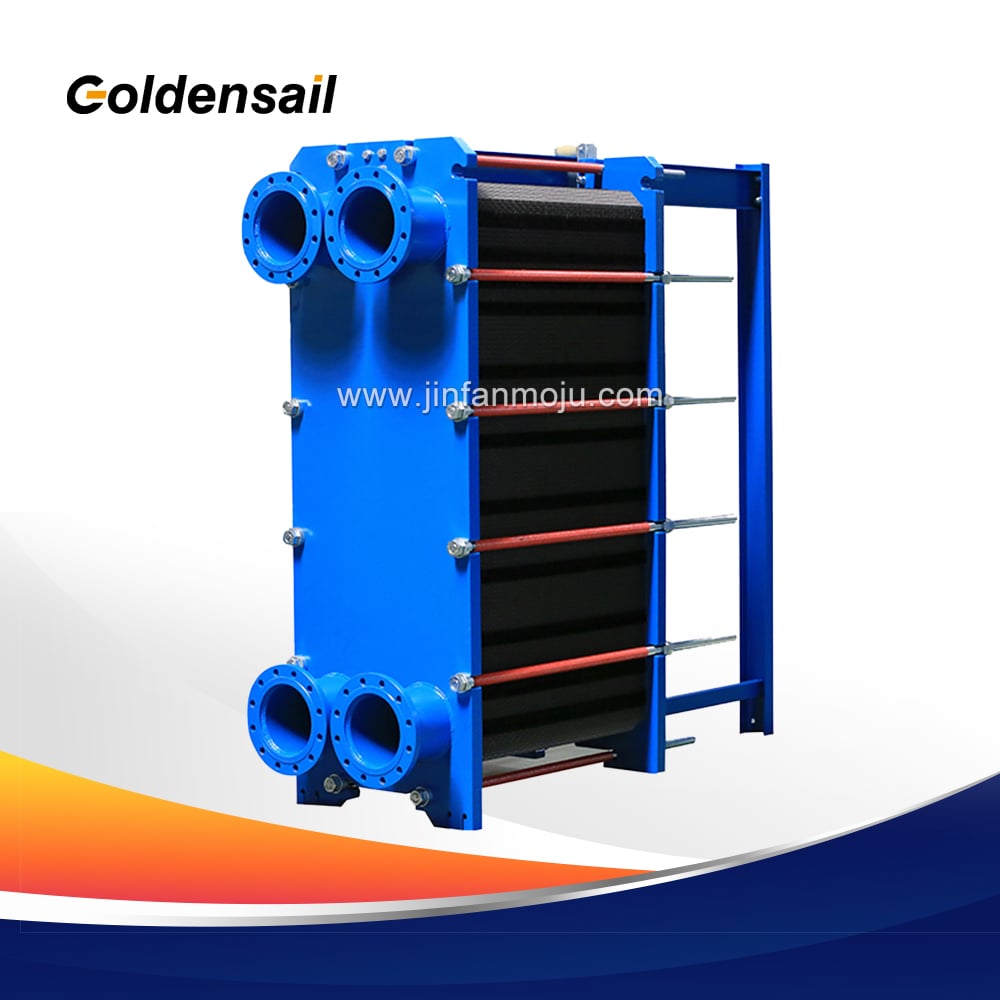
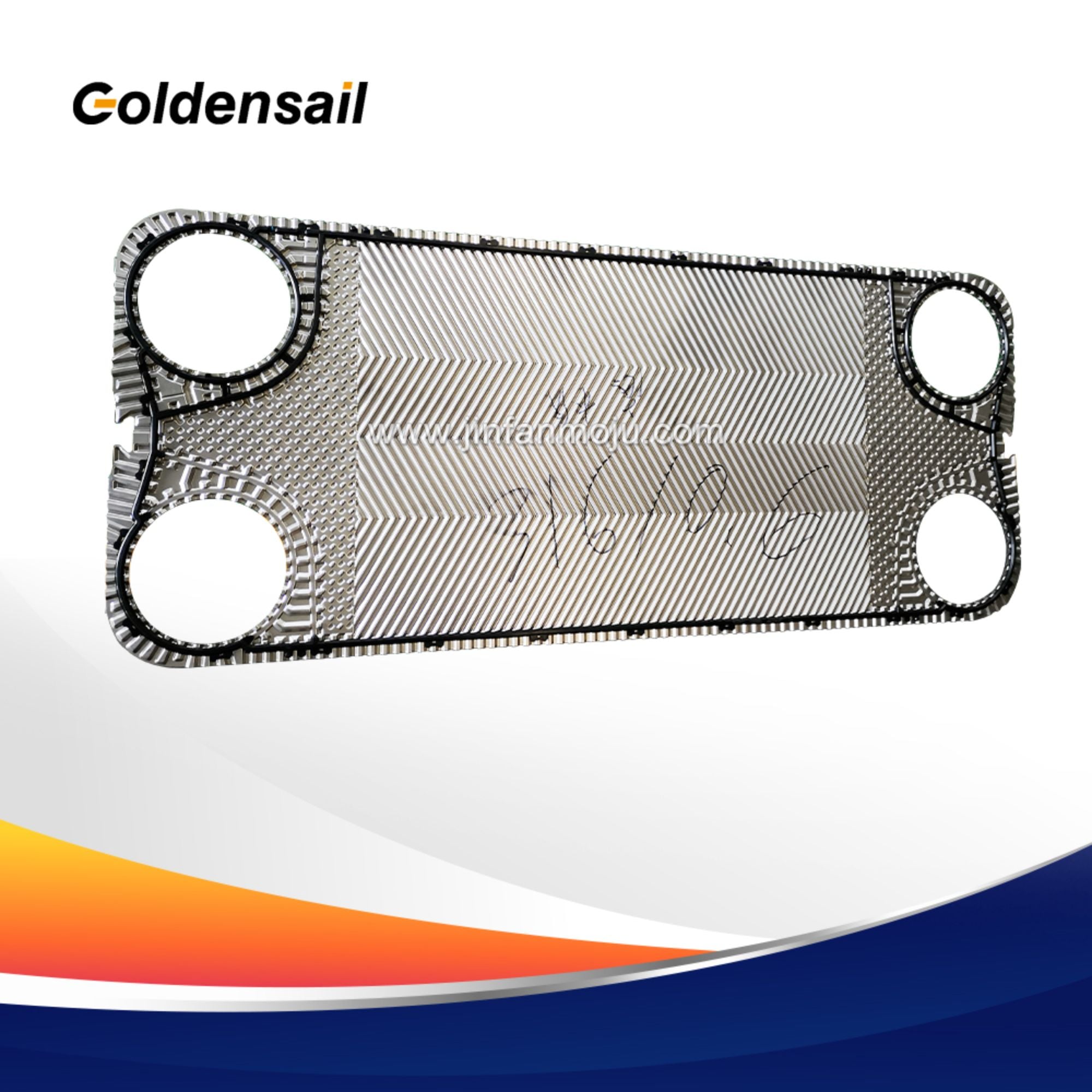
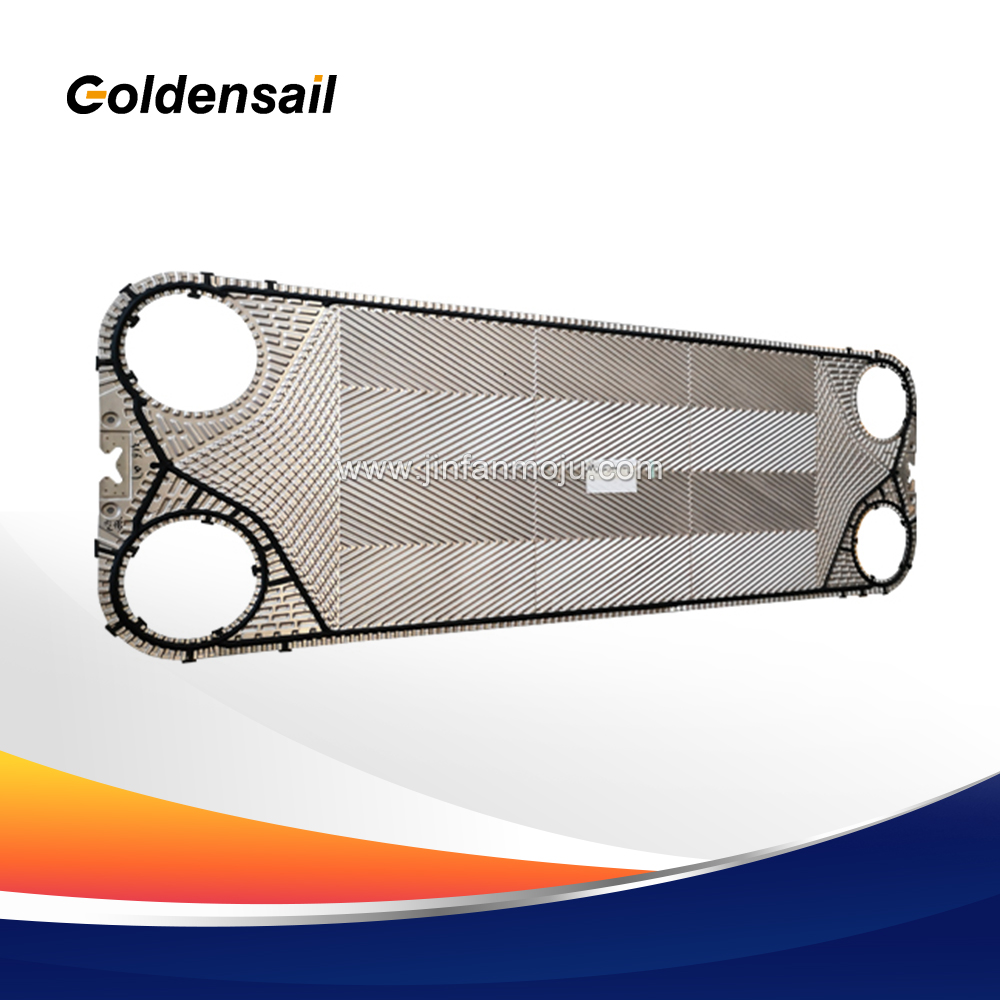
Removable for easy maintenance and inspection. We offer hundreds of plate types, multiple materials, and multiple gasket models.
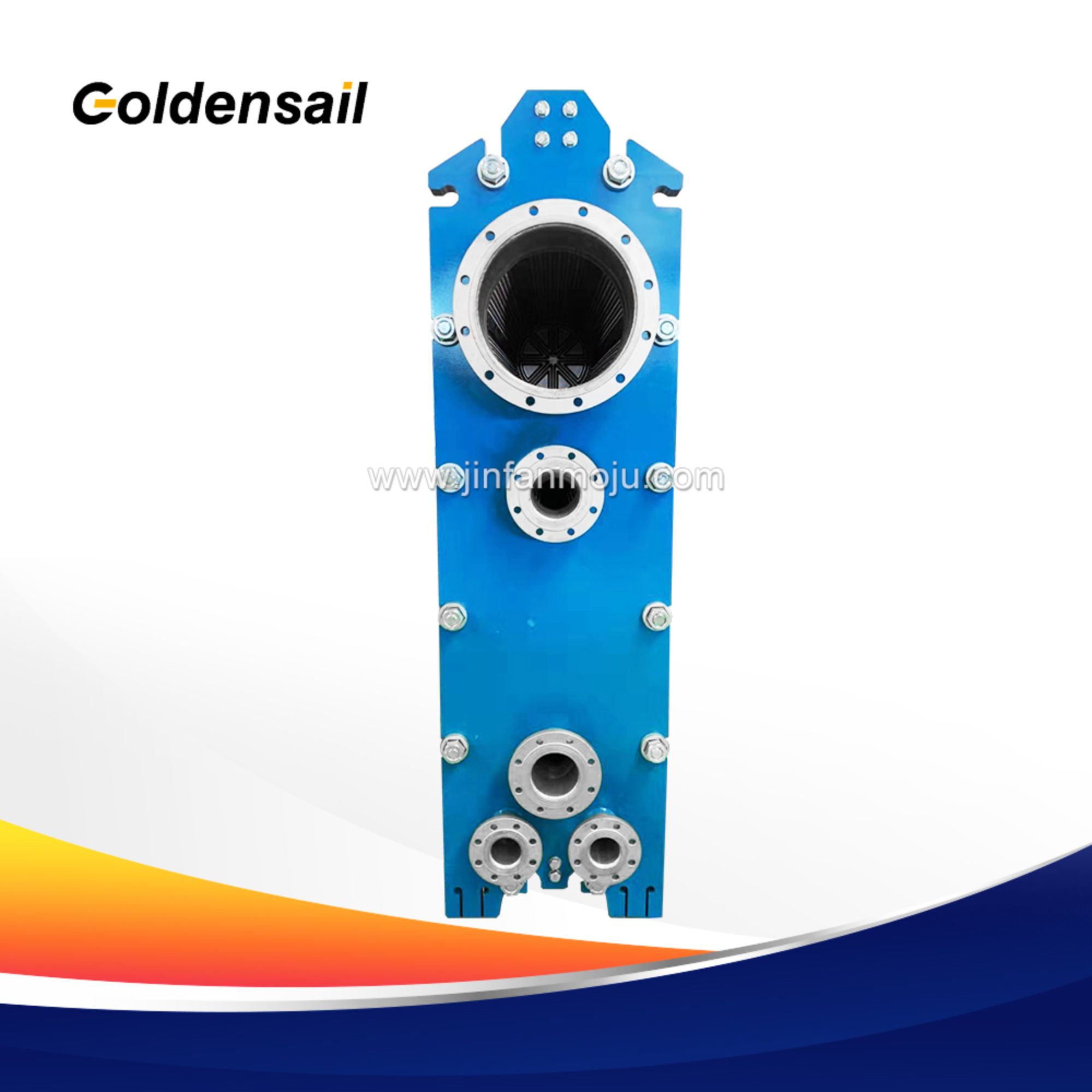
Specially manufactured for phase change processes such as steam condensation, achieves extremely high heat recovery.
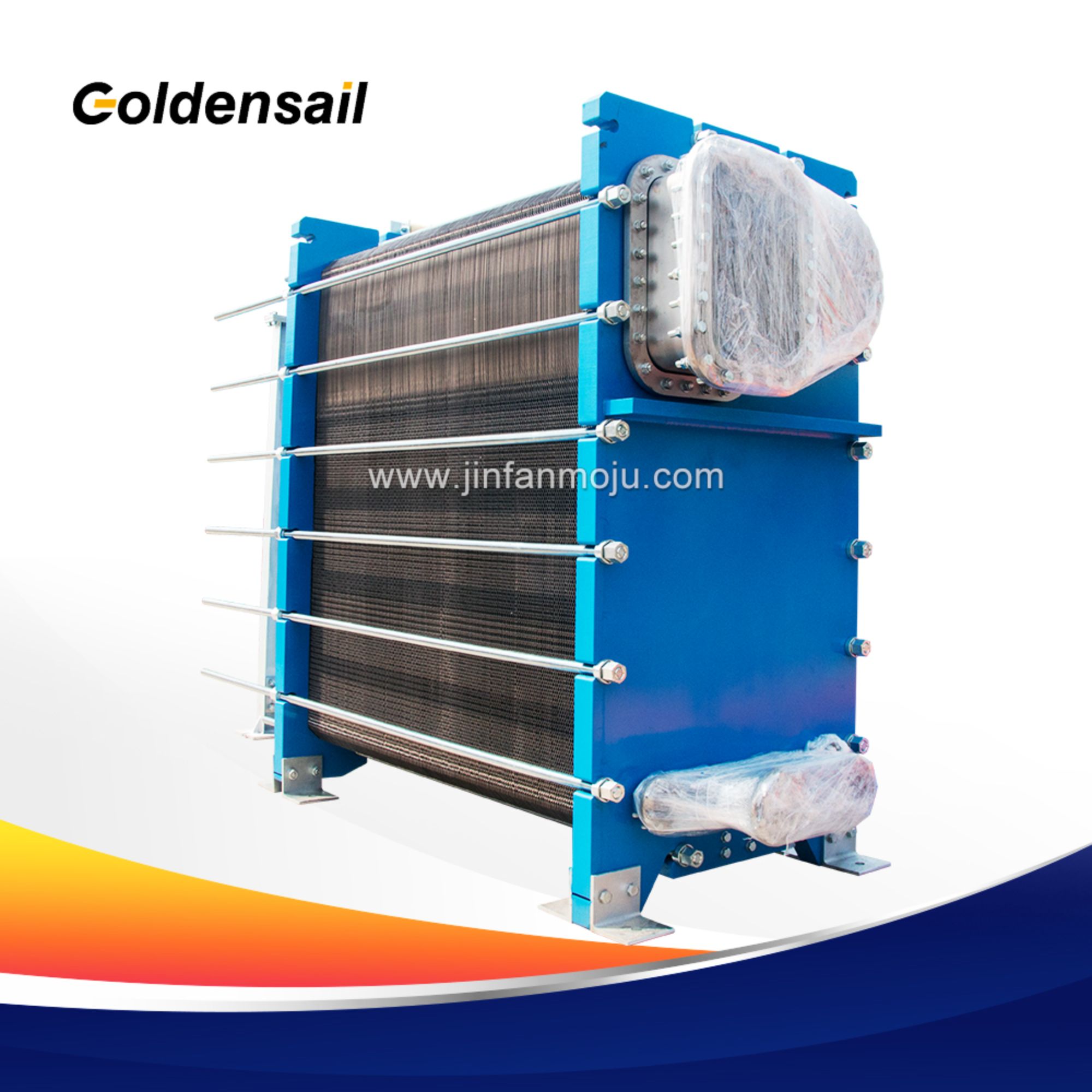
Specially designed and manufactured for liquid evaporation, the special flow channel design can achieve extremely high heat transfer efficiency.
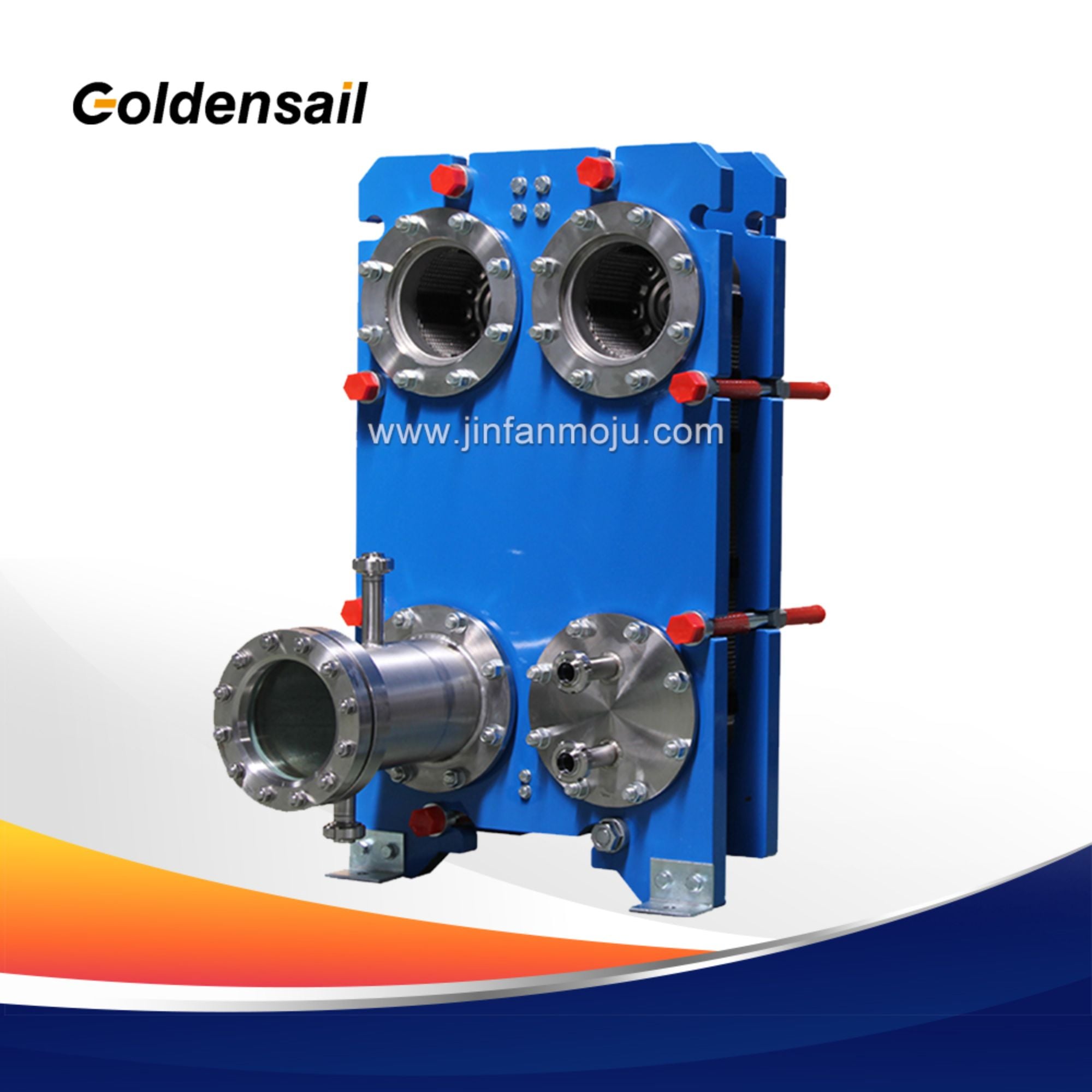
Ideal for high pressure and corrosive media. We have various specifications of welded plate bundles.
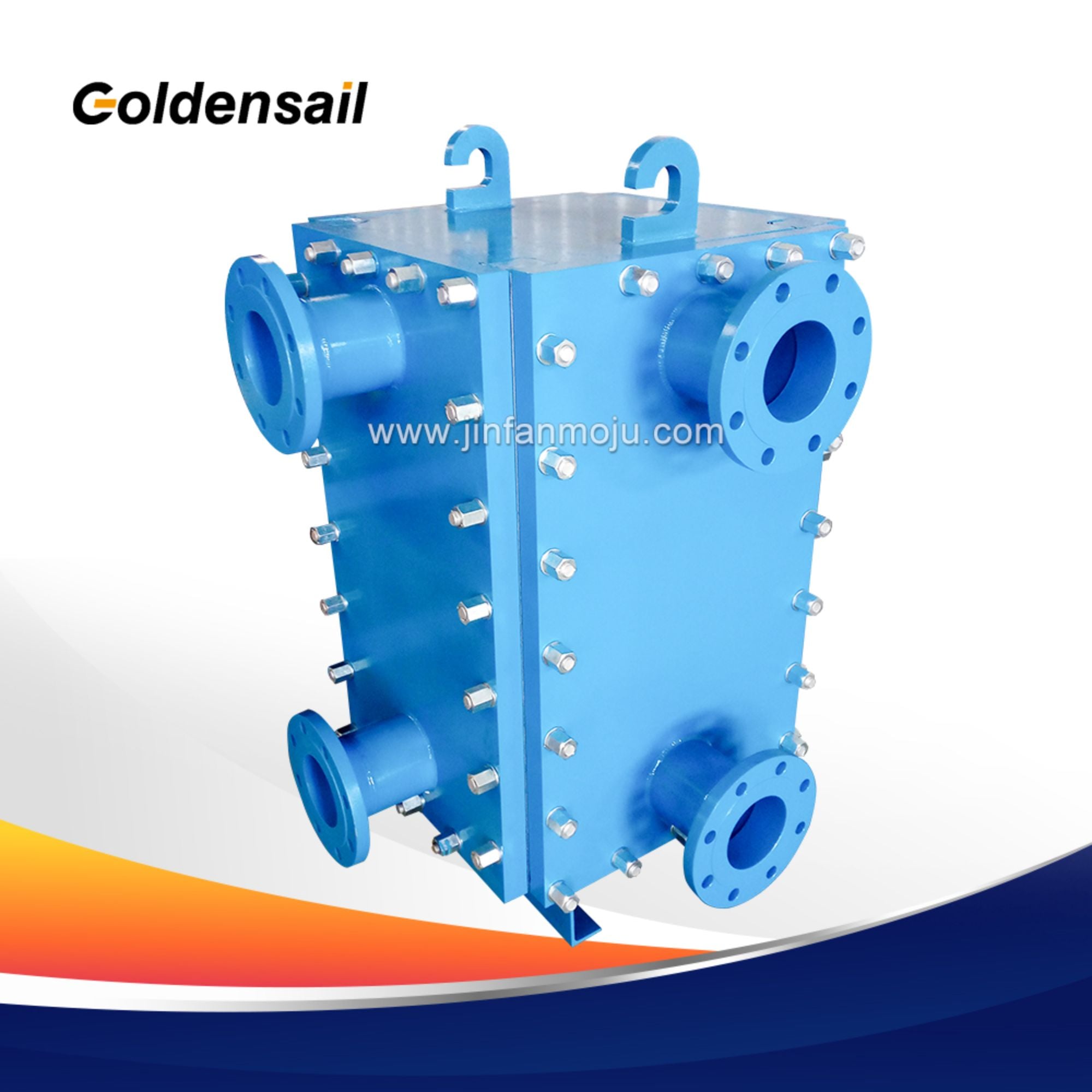
Without any gaskets, the risk of leakage is eliminated. It is widely used in the highest temperature, pressure and strong corrosiveness.
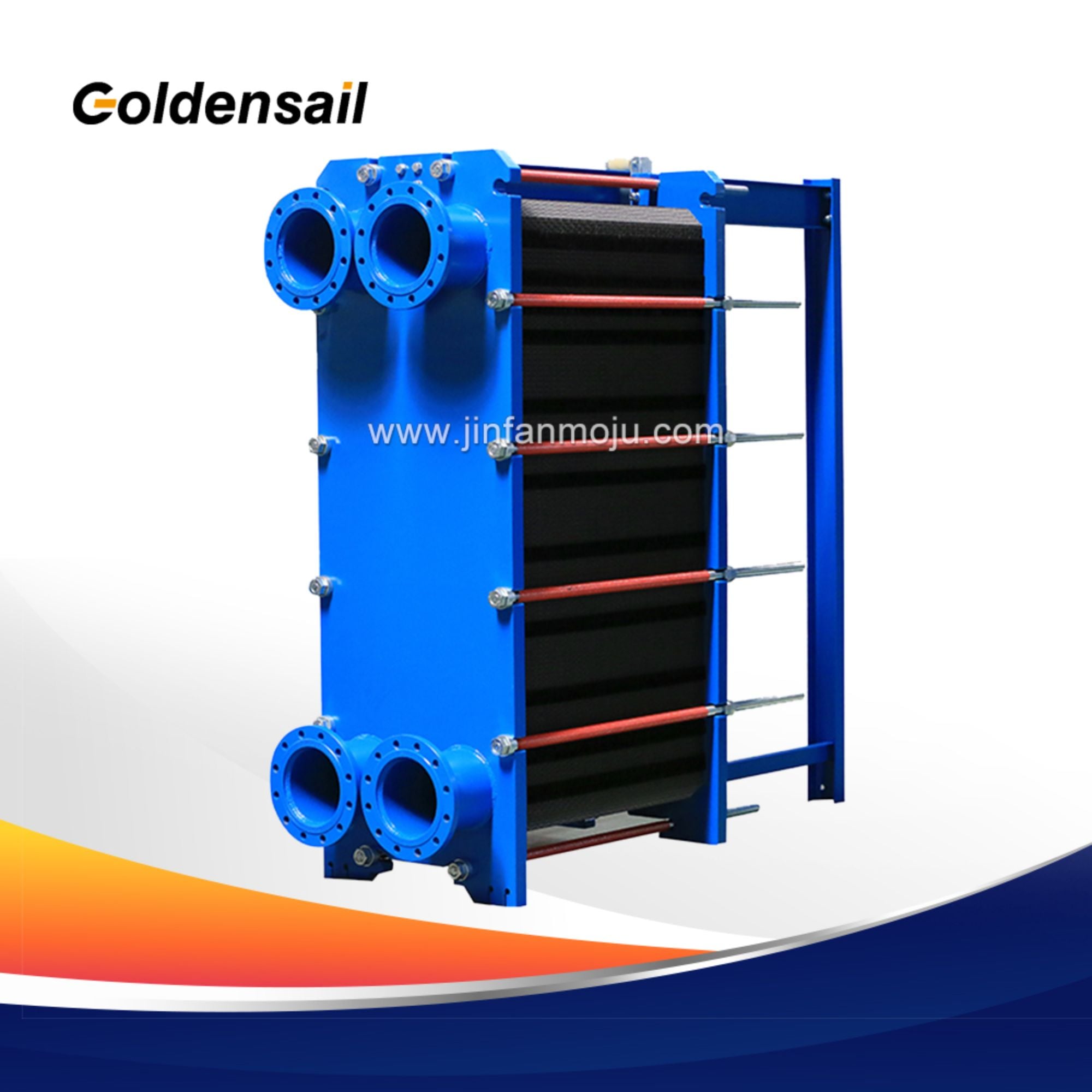
The heat exchanger plate is made of a metal material with excellent corrosion resistance, handle heat exchange processes involving corrosive media
 EN
EN
 AR
AR
 FR
FR
 DE
DE
 PT
PT
 RU
RU