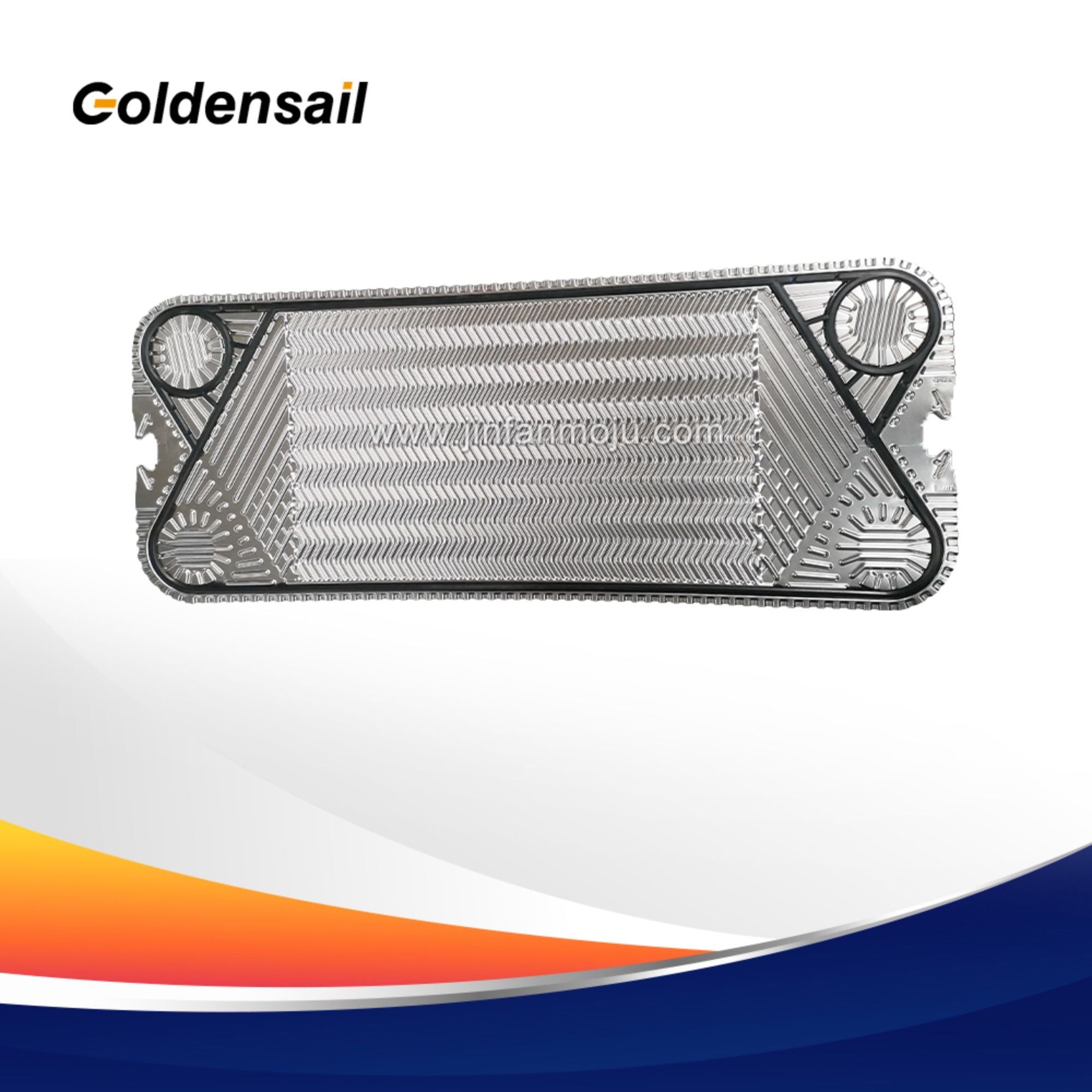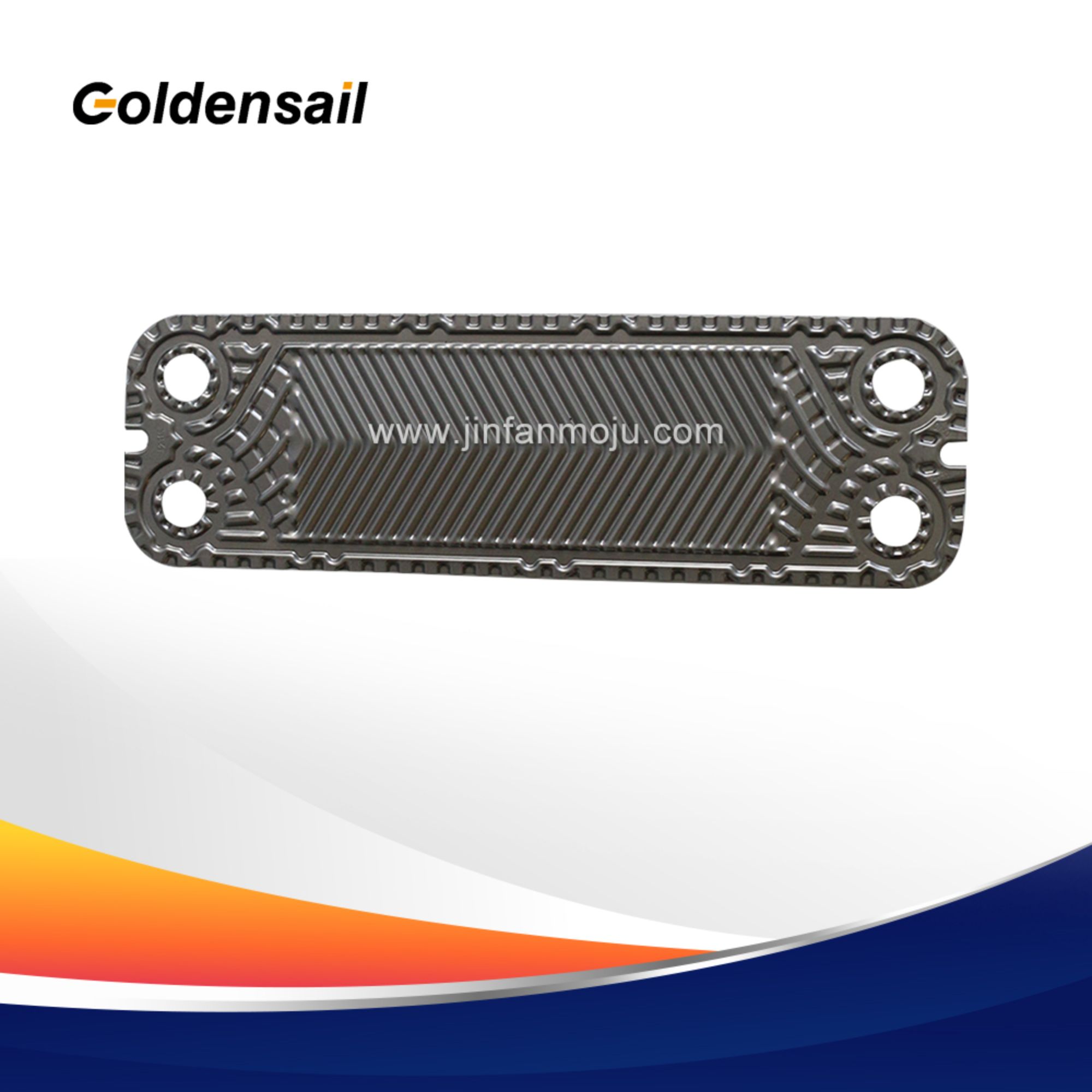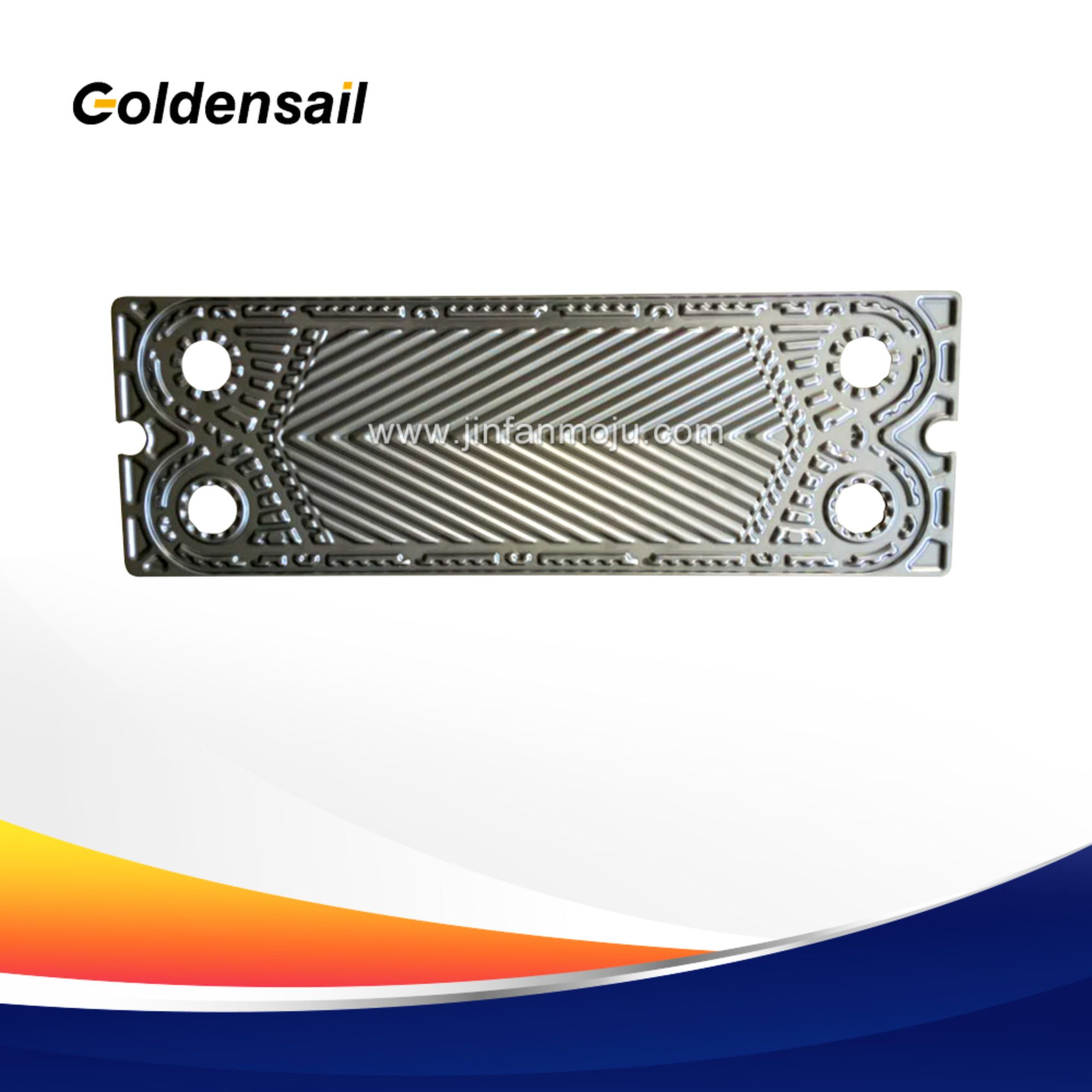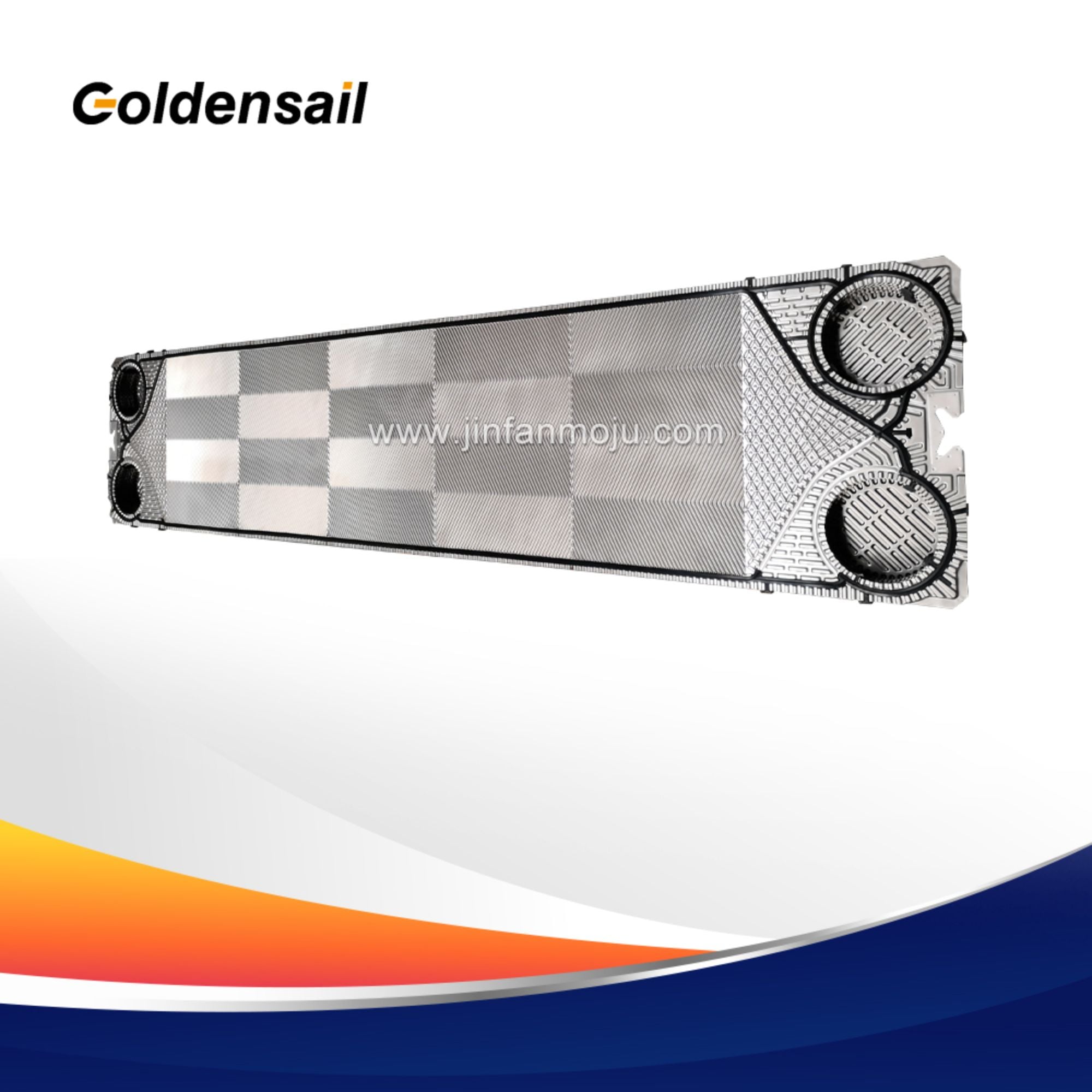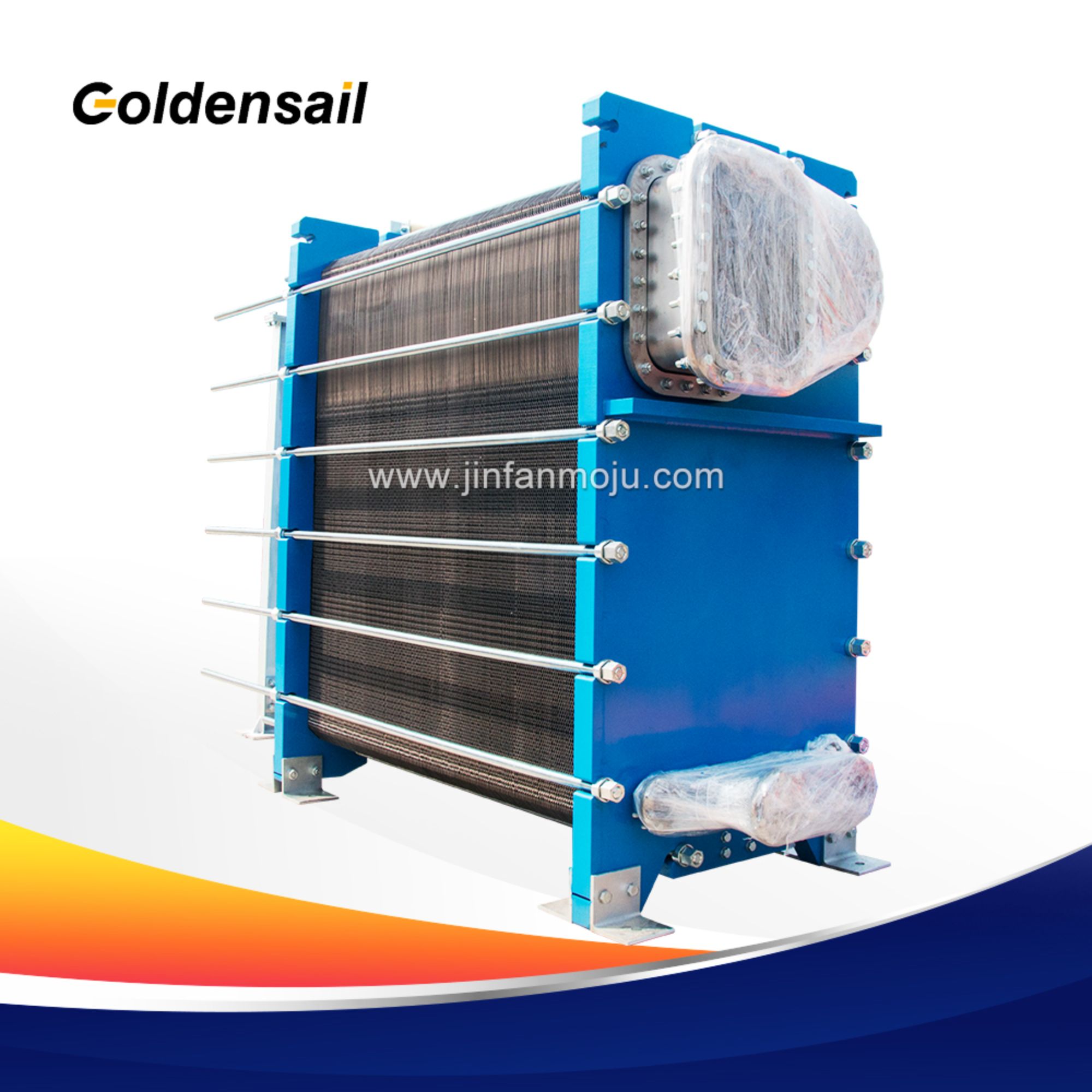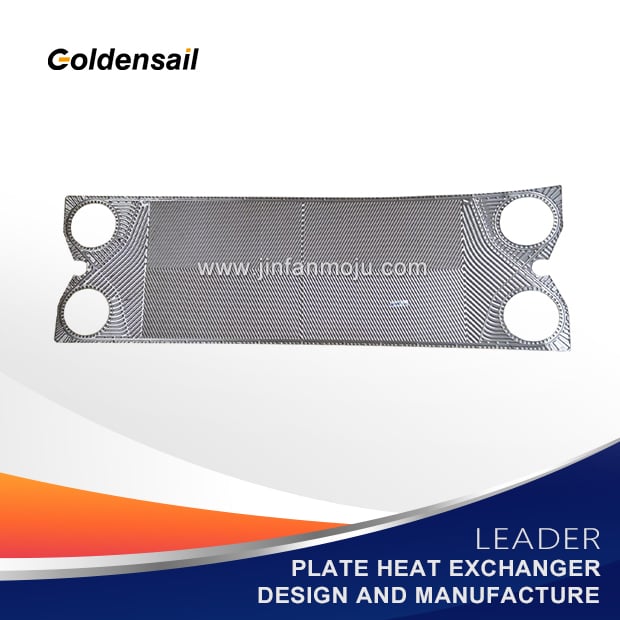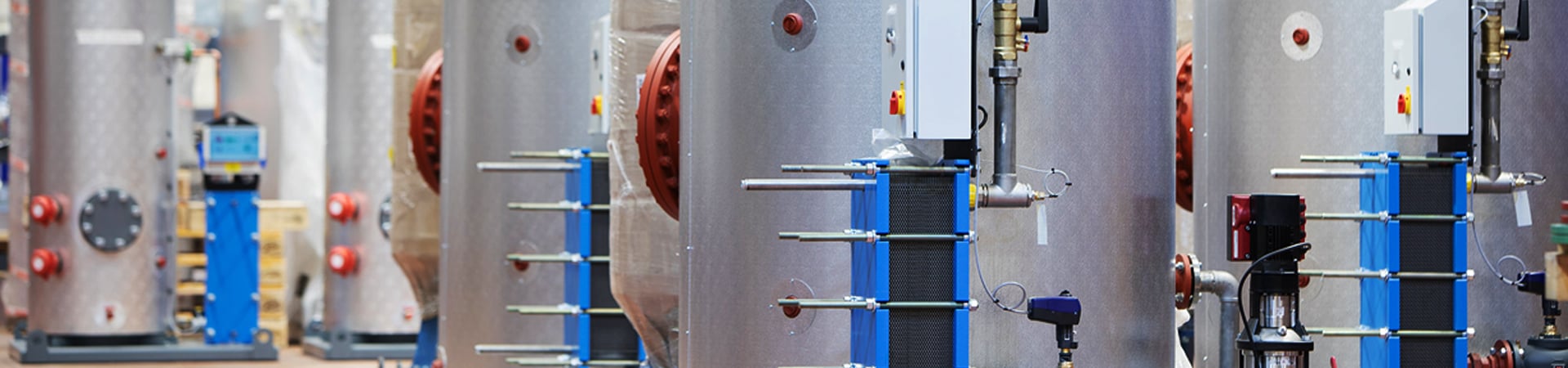
JINFAN Plate Heat Exchangers (PHEs) facilitate industrial waste heat recovery. Inquire now to effectively capture waste heat and reduce operating costs.
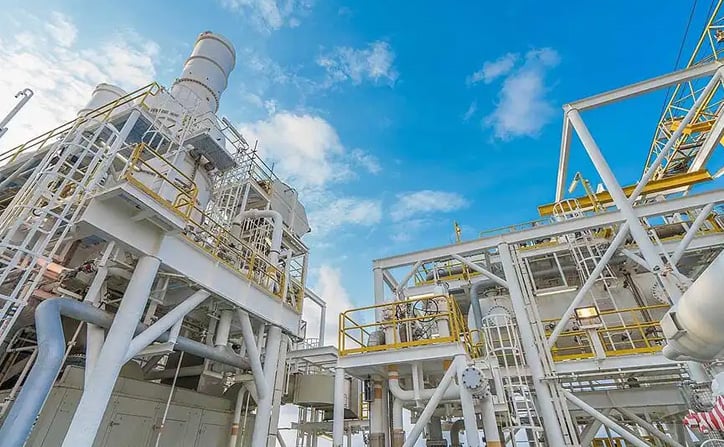
For many energy-intensive industries, capturing waste heat that would otherwise be released into the atmosphere is key to improving profitability. Plate heat exchangers are central to this strategy, transferring heat from waste heat streams to inlet cryogenic fluids for preheating, thus significantly reducing fuel consumption and operating costs.
1. Wastewater Heat Recovery
Principle: High-temperature process wastewater before discharge is exchanged with clean, cold water. The preheated cold water requires less energy to reach the target temperature before entering the boiler or process line.
Typical Case: A dairy plant's pasteurization line had high energy consumption. By integrating a large plate heat exchanger as a heat recovery unit, steam consumption was reduced by approximately 70%, and the power consumption of the chiller unit was reduced by approximately 50%. The investment cost of this heat recovery system was recovered through energy savings within just 12 to 18 months.
2. Process Gas Cooling and Heat Recovery
Principle: High-temperature flue gas discharged from boilers, furnaces, drying equipment, etc., contains a large amount of waste heat. Plate heat exchangers can capture this heat for heating water, air, or other process fluids. The recovered heat can be used to preheat combustion air, heat process water, or provide building heating.
Typical Case: A metallurgical plant installed JINFAN plate heat exchangers for flue gas waste heat recovery, achieving 15%-20% fuel savings and significant economic benefits. An additional benefit is that the reduced flue gas temperature creates better operating conditions for downstream dust removal and desulfurization systems.
3. Condensate Recovery
Principle: High-temperature condensate generated in steam heating systems is usually discharged directly, resulting in energy and water waste. Plate heat exchangers can recover the heat from this condensate for preheating boiler feedwater. This not only saves fuel but also reduces water treatment costs and feedwater volume.
Typical Case: A chemical plant recovered heat from high-temperature condensate (approximately 95°C-100°C) in its extensive steam-using processes. After the system was put into operation, it saved 1,200 tons of standard coal annually.
4. Refrigeration Systems Heat Recovery
Principle: During operation, refrigeration units release a large amount of heat into the environment through the condenser. Adding a plate heat exchanger can capture this "free" heat energy for use in producing domestic hot water, process hot water, or heating the swimming pool.
Typical Case: An international hotel installed a plate heat exchanger heat recovery unit on the condenser loop of its central air conditioning system. By recovering the heat that would otherwise be discharged to the cooling tower, the system can meet approximately 70% of the hotel's annual hot water needs on average.
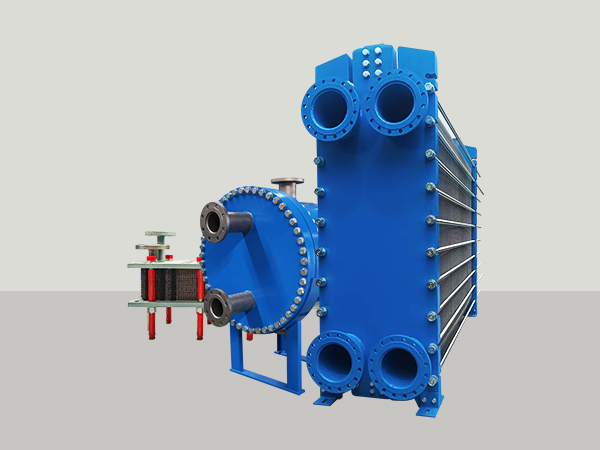
✅ To ensure optimal performance and longevity of the heat recovery system, careful selection of the heat exchanger is crucial.
✅ Assess the cleanliness, corrosiveness, and fouling tendency of the fluid. For dirty or viscous fluids, wide-channel or gasketless, fully welded models are typically selected.
✅ The pressure and temperature resistance of plate heat exchangers are limited by the gasket material and plate thickness. In extreme conditions, specially designed solutions may be required.
✅ If the waste heat flow contains fibers or large solid particles, a filter must be installed before the heat exchanger to prevent clogging and maintain efficient operation.
Our team of technical engineers is not only proficient in the products but also deeply understands the process characteristics of various industries. From the initial stages of a project, we tailor the most suitable heat exchange solution for you. Whether it's a wide-channel design to handle dirty media or special materials to resist corrosion, we ensure that the heat exchanger operates under optimal conditions, achieving the highest heat recovery efficiency.
 EN
EN
 AR
AR
 FR
FR
 DE
DE
 PT
PT
 RU
RU