All Categories
GET IN TOUCH
News

News

Home >  News

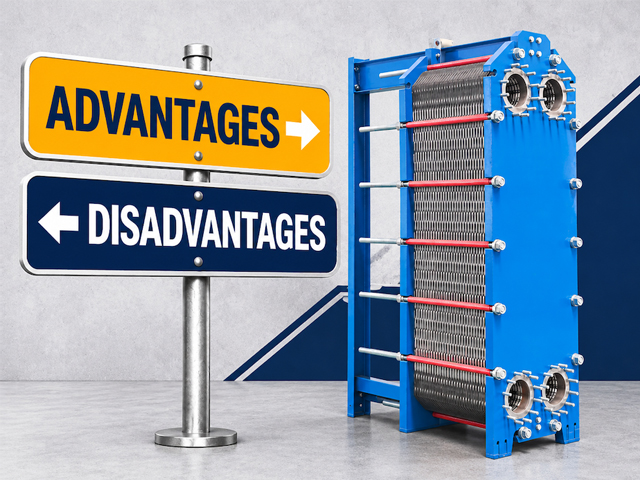
Advantages & Disadvantages of Wide Gap Plate Heat Exchangers

2026-11-19

A Wide-gap Plate Heat Exchanger is not a better version of a standard plate pack; it is a different trade. The deeper channel buys tolerance to fibers and solids, and it pays for that tolerance in heat transfer, in plate area and in capital cost. Whether the trade is worth making is a question about the fluid and the duty, not about the product.

This page takes the overview given in our guide to what a wide gap plate heat exchanger is and works through both sides of that trade: six advantages, six limitations, and how JINFAN handles each limitation in the design. The aim is a decision a process engineer can defend, not a page that ends with "it depends".

01 Definition

about Wide Gap Plate Heat Exchanger

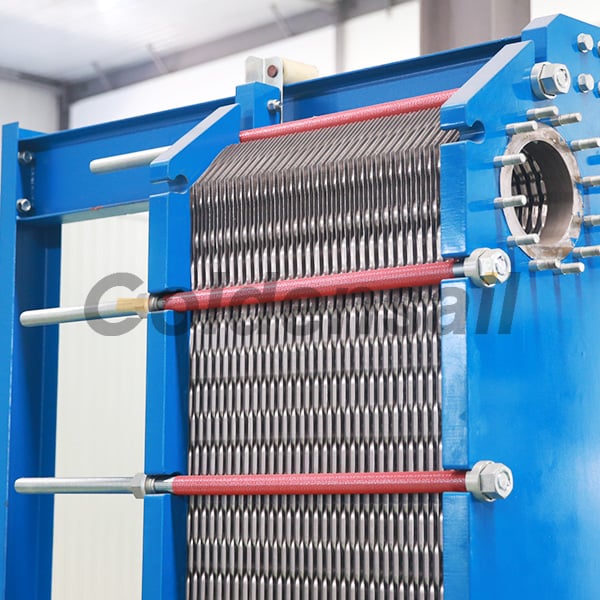
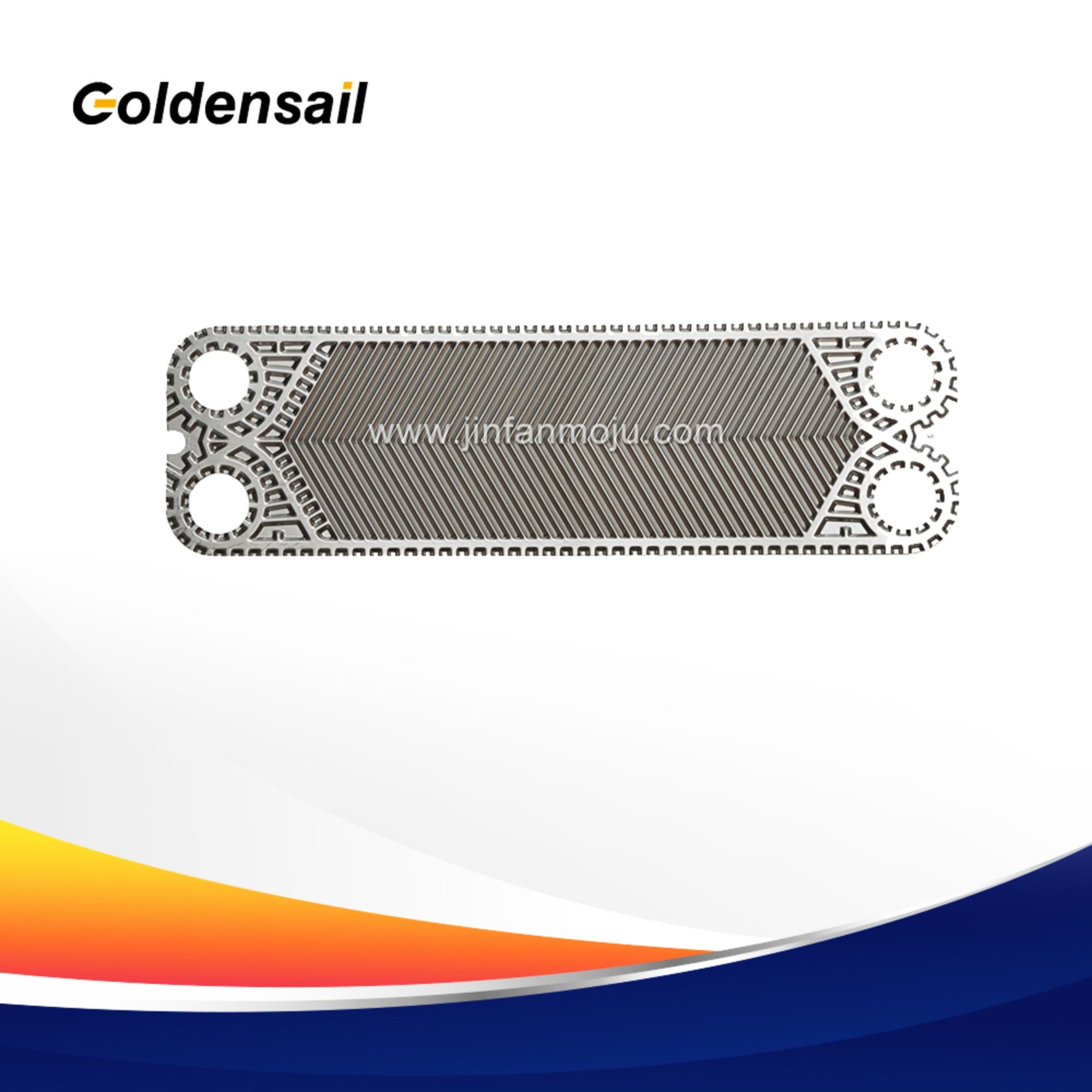
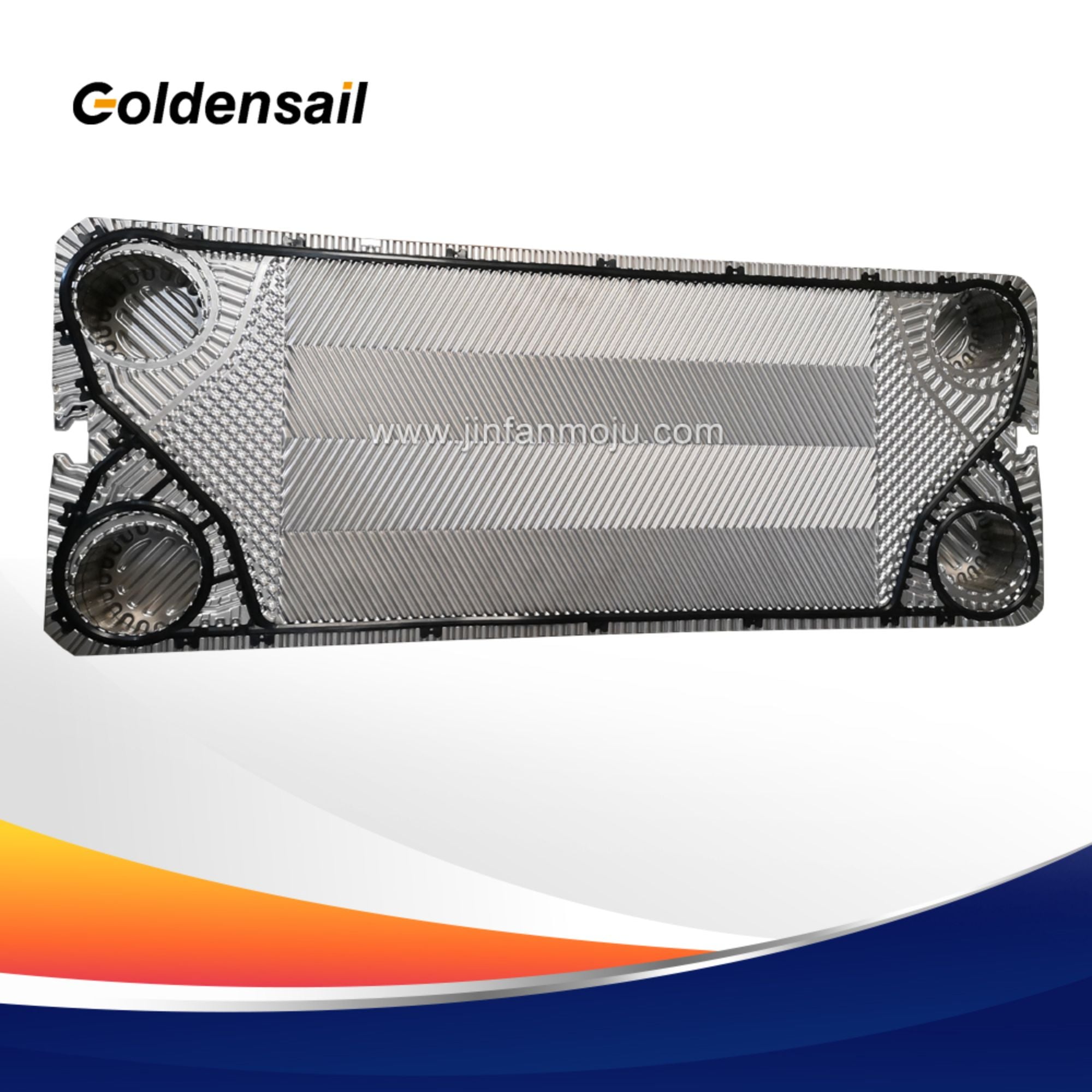
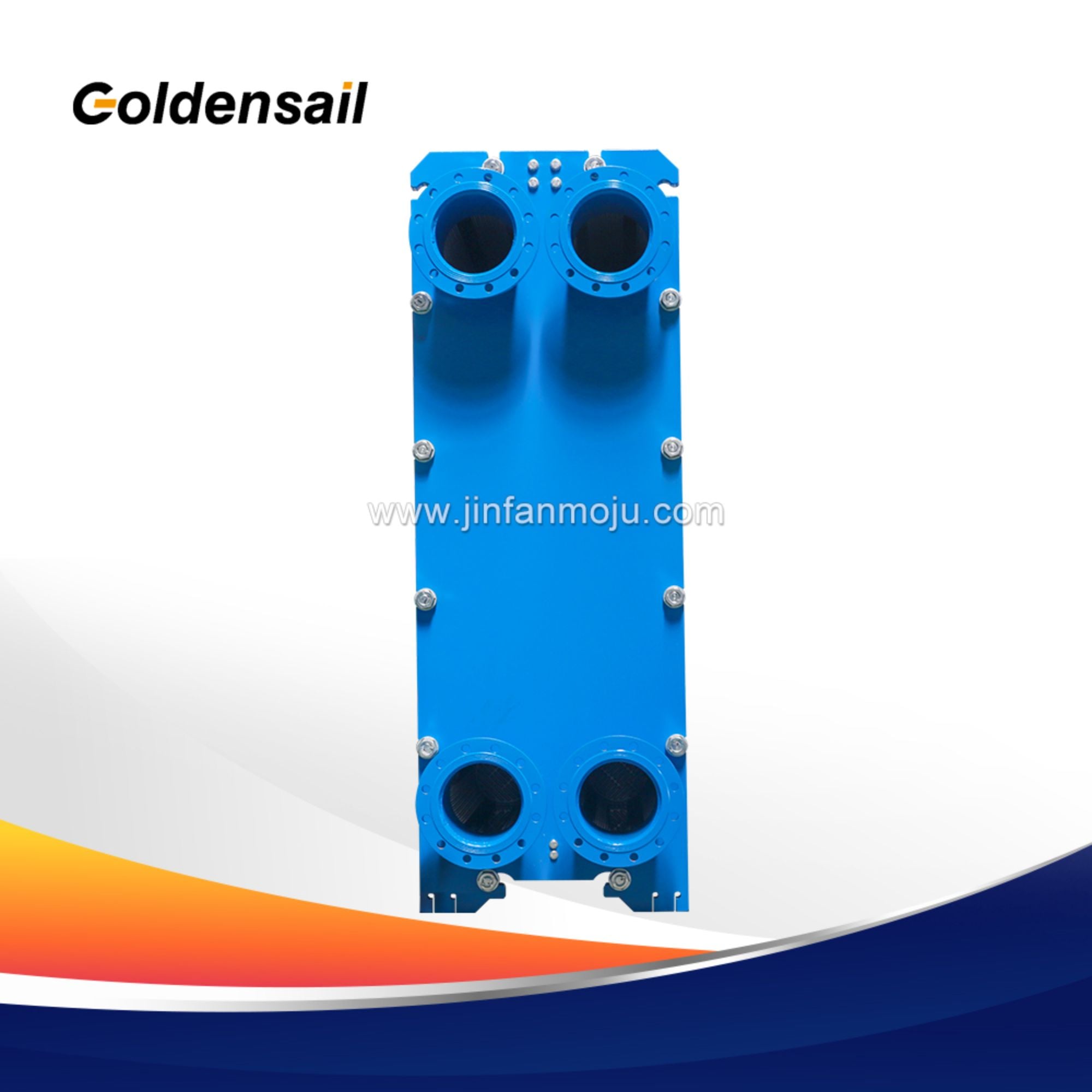
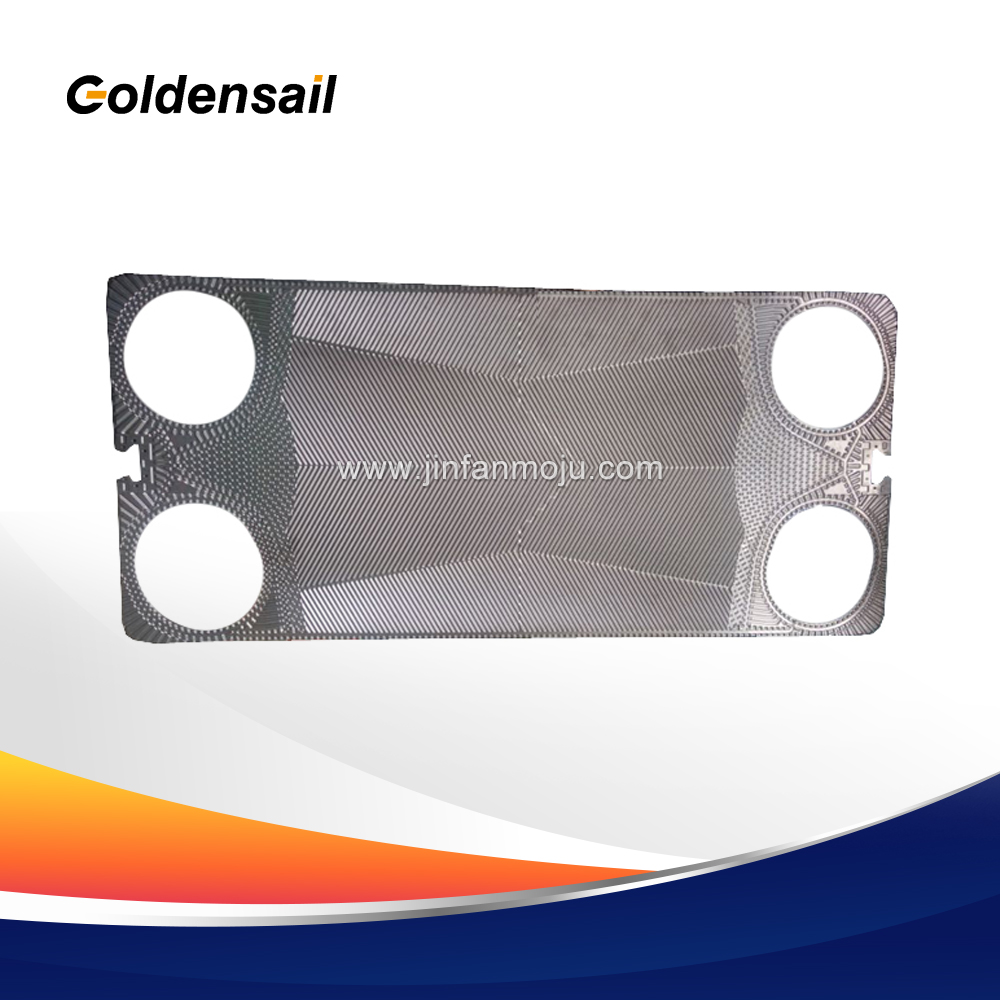
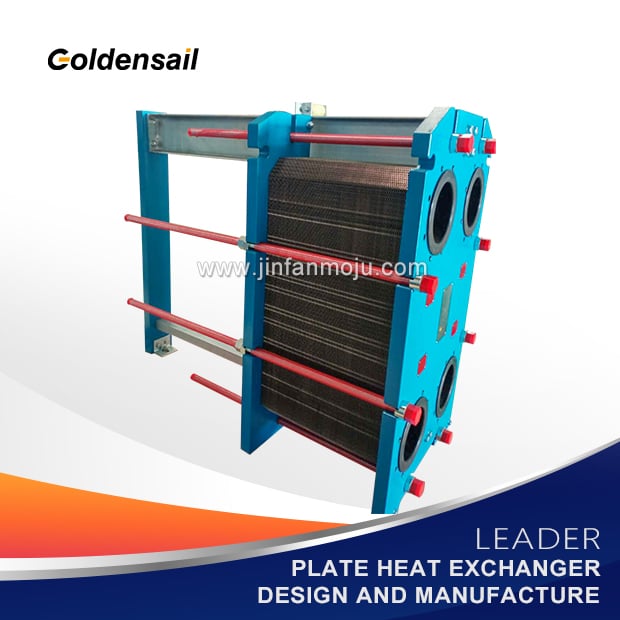
A Wide Gap Plate Heat Exchanger, also known as a Free Flow Plate Heat Exchanger,  is a gasketed unit whose plates are pressed to form a wider flow channel than a standard design. The larger passage lets fibers, suspended solids and viscous fluids pass through with less risk of bridging or blocking, while the pack stays in a compact frame and remains serviceable: plates and gaskets can be opened, inspected and replaced. It suits pulp, paper, sugar, starch and food duties, where the medium is not clean and a narrow-gap pack would foul or choke.

المزايا و العيوب الخاصة بمبادلات الحرارة ذات الصفائح ذات الفجوة الواسعة، مقارنةً بالقناة الضيقة مع قناة الفجوة الواسعة In a standard narrow channel, fibers and particles bridge the gap and block the flow path. In a wide gap channel the same solids pass through. STANDARD NARROW CHANNEL FLOW BLOCKED WIDE GAP CHANNEL SOLIDS PASS THROUGH SAME PRINCIPLE - DIFFERENT CHANNEL GEOMETRY
Fig. 1 — Geometry, not filtration.
02 Advantages

Advantages of Wide Gap Plate Heat Exchangers

The case for a Wide-gap unit is not "better performance" in general — it is uptime on fluids that would otherwise force repeated shutdowns, and heat recovery from media that a standard plate pack cannot handle.

01Advantage

Reduced Risk of Clogging

  • The wider channel lowers the risk of fibers, suspended particles and solid debris accumulating inside the passage.
  • Compared with standard narrow-gap plate heat exchangers, it tolerates media containing solid particles far better.
  • Fewer production interruptions caused by blocked channels.
02Advantage

Better Handling of Fibrous and Particle-Containing Fluids

  • Better suited to complex media such as fibers, pulp and sugar liquor.
  • Reduces the chance of long fibers winding around or bridging across the plate channel.
  • Improves the passage of fluids carrying suspended solids.
  • Reduces the need for frequent shutdowns to clean the pack.
03Advantage

Reduced Fouling and Maintenance Requirements

  • The wide channel helps limit the build-up of some materials that tend to deposit in the passage.
  • With suitable velocity and channel design, a number of fouling problems can be reduced.
  • Helps extend continuous running time between cleaning stops.
  • Can lower cleaning frequency and maintenance cost over the service life.
04Advantage

Efficient Heat Recovery from Difficult Process Fluids

  • Brings the compact structure of a plate heat exchanger to media that contain impurities.
  • Provides a workable heat recovery route when the process fluid is complex.
  • Supports energy recovery and reuse inside the production process.
  • Actual heat transfer performance depends on media properties, channel design and operating parameters.
05Advantage

Compact Design Compared with Some Traditional Heat Exchangers

  • More compact than some shell-and-tube equipment of comparable duty.
  • Helps save installation space in an existing plant room or process line.
  • Suited to projects where the available footprint is a real constraint.
  • Actual dimensions are determined by the heat load and design conditions, not by the model name.
06Advantage

Flexible Design for Different Industrial Processes

  • Plate pattern and channel design can be adapted to the medium being handled.
  • Different plate materials and gasket materials can be combined in one unit.
  • Thermal design can be matched to different process conditions.
  • Some flexibility in maintenance and plate replacement (on detachable constructions).
Important

Clogging is not eliminated. Actual behavior depends on particle size, shape and solids content. A wide gap channel buys tolerance and running time — it is not immunity, and it does not remove solids from the process fluid.

03 Disadvantages

Disadvantages of Wide Gap Plate Heat Exchangers

Every limitation below is a design trade-off, not a defect. Each one is followed by how JINFAN handles it during selection and supply — so you can judge whether the compromise is acceptable for your process.

01Limitation

Lower Heat Transfer Coefficient in Some Operating Conditions

  • A wider channel can change fluid velocity and the degree of turbulence in the passage.
  • Under certain conditions the heat transfer coefficient may be lower than that of a standard narrow-gap unit.
  • For clean fluids, a wide gap design does not necessarily deliver the best thermal performance.
  • A balance has to be struck between anti-blocking capability and heat transfer efficiency.
JINFAN approach

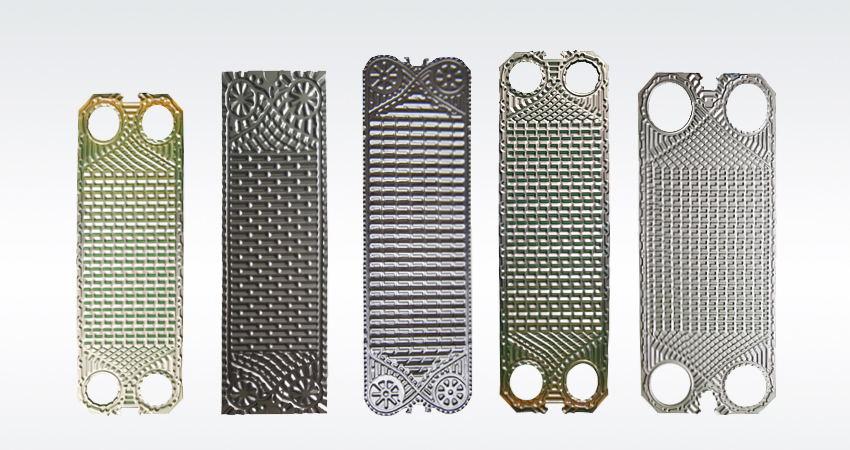
Plate pattern, channel geometry and plate count are fixed in the thermal calculation for your duty, so the passage is only as wide as the medium actually requires. Where the fluid allows, a denser corrugation or a mixed plate arrangement keeps velocity and turbulence up, and the result is confirmed on the selection drawing instead of being taken from a catalogue average.

02Limitation

Larger Heat Transfer Area May Be Required

  • At the same heat load, a lower heat transfer coefficient may call for a larger heat transfer area.
  • That can mean more plates, or a larger frame and connection size.
  • It has a direct effect on initial investment and on the space the unit occupies.
  • The actual figure has to come from the thermal calculation — not from an estimate per model.
JINFAN approach

Area is an output of the calculation, not a guess. We quote plate count and frame size for the stated duty, and if the required area pushes the frame up a size, that is visible in the proposal — together with the installed footprint — before the order is placed, not after commissioning.

03Limitation

Potentially Higher Initial Investment

  • A special channel structure can increase plate manufacturing and design cost.
  • Plates and accessories for some wide gap products cost more than standard equivalents.
  • Equipment purchase, installation and later maintenance have to be assessed together.
  • Overall economics cannot be judged on the purchase price alone.
JINFAN approach

Every quotation itemizes plate pattern, plate material, gasket grade and frame size, so a wide gap offer can be compared with a standard offer on the same duty rather than on the same page of a price list. If the medium is only mildly dirty, we say so and quote the narrower channel — a cheaper unit that still does the job.

04Limitation

Not Suitable for All Types of Fluids

  • For clean, low-viscosity fluids a wide channel offers no clear advantage.
  • For certain high-viscosity media, flow resistance and heat transfer still have to be evaluated.
  • Not every particle-containing medium is suited to a wide gap design.
  • Particle size, fiber length and solids content can restrict the applicable range of the unit.
JINFAN approach

Send the medium, particle size, fiber length, solids content, viscosity, flow rate and temperature range. If a wide gap unit is not the right fit, we say so and propose a standard plate pack or a different channel arrangement instead — the selection is made against the fluid, not against the product we would prefer to sell.

05Limitation

Pressure Drop and Flow Distribution Challenges

  • Channel structure and passage size both affect how the fluid is distributed across the pack.
  • At certain flow rates, velocity may be too low or distribution uneven between channels.
  • Very low velocity increases the risk of deposition on the plate surface.
  • Flow rate, pressure drop and channel structure have to be assessed together.
JINFAN approach

Connection size, pass arrangement and port orientation are fixed on the drawing for each project, so distribution is checked against your actual flow rates instead of an assumed nominal one. Where the flow is low, the pass arrangement is chosen to keep velocity high enough to limit deposition.

06Limitation

Cleaning and Maintenance Are Still Necessary

  • A wide channel does not mean the unit never needs cleaning.
  • Some viscous material, fiber agglomerates or deposits can still adhere to the plate surface.
  • The cleaning method has to follow the medium and the type of fouling present.
  • Routine maintenance items — gasket ageing, plate corrosion — remain exactly the same.
JINFAN approach

The pack is detachable: it can be opened on site, plates inspected one by one, gaskets replaced individually and fouled plates cleaned or exchanged. Spare plates and gasket sets can be supplied with the unit, so the first service does not wait on a shipment.

How JINFAN balances the trade-off

The advantage and the disadvantage come from the same decision — how wide the channel should be. That decision is made on your duty data, documented on a drawing, and priced line by line.

01

Selection from the duty

Media, flow rates and temperature limits are used to calculate the thermal and hydraulic design first.

02

Channel matched to the medium

Particle size, fiber length and solids content decide how wide the passage needs to be.

03

Material and gasket per medium

Plate grade and gasket compound are chosen for corrosion and temperature, not for stock convenience.

04

Configuration on a drawing

Connection size, flange standard, pass arrangement and port orientation are confirmed before production.

04 Summary

Advantages vs. Disadvantages of WPHE

Advantages Disadvantages
Reduced clogging risk Potentially lower heat transfer coefficient
Better handling of fibrous fluids May require larger heat transfer area
Reduced fouling in suitable conditions Initial investment may be higher
Effective heat recovery Not suitable for every fluid
Compact compared with some alternatives Requires careful hydraulic design
Flexible design options Regular cleaning and maintenance remain necessary
05 Supply

Looking for a Reliable Wide Gap Plate Heat Exchanger Manufacturer?

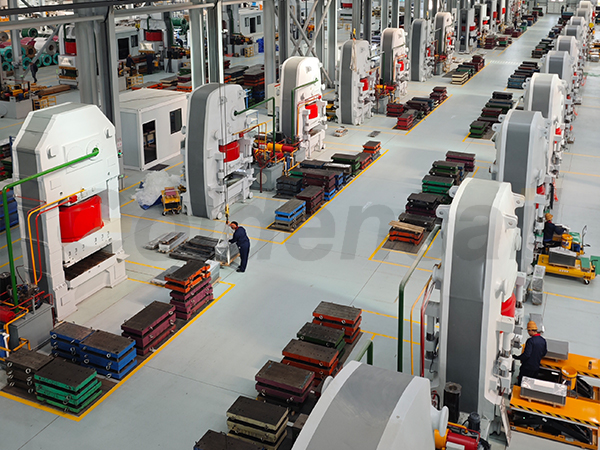
A Wide-gap unit is only as good as the plate pattern behind it and the data it was selected from. JINFAN presses the plates, builds the frames and assembles the unit in one plant — and runs the selection that connects them.

JINFAN is a Plate Heat Exchanger manufacturer based in Tianjin, China, and presses its own plates, builds its own frames and assembles the units in one plant. That matters more for a wide gap project than for a standard one, because the plate pattern is the part that has to be designed, pressed and kept available for the life of the exchanger.

Because the pattern stays with the project, a wide gap unit can be re-plated or re-gasketed years later instead of being replaced. Replacement plates are pressed from the drawing or from a sample plate, so an installation already in service does not depend on a discontinued tooling program or a third-party supplier.

Selection is run from the data you already have: the medium, both flow rates, all four temperatures and the allowable pressure drop. The plate pattern, channel depth and surface area are calculated from those figures, and the pressure drop on each side is checked before a unit is quoted.

Manufacturing capability at a glance
Capability Detail
Plate pressing Presses up to 40,000 tonnes
Plate area 0.03 – 3 m²
Port size φ28 – φ650 mm
Plate moulds 400+ on file, 30+ years of mould R&D
Plate output 10,000 pcs per day
Assembly Frames fabricated, gaskets produced and units pressure tested in the same plant
Spare parts Plates and gaskets pressed to the original pattern
Selection Plate pattern, plate count and pressure drop confirmed before quotation
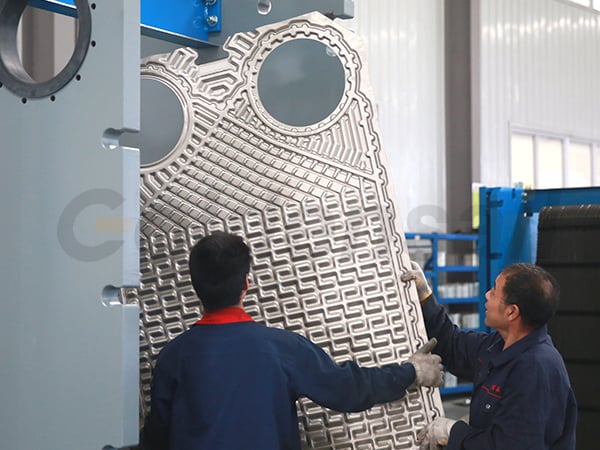
JINFAN engineers assembling a wide gap plate heat exchanger

JINFAN WIDE GAP HEAT EXCHANGERS

Contact JINFAN for Your Wide Gap Heat Exchanger Solution

Send the fluid, the flow rates, the temperatures and the pressure drop you can accept. Our engineering team will confirm whether a wide gap plate heat exchanger is the right choice and size the pack for the duty.

✓Channel depth checked against particle and fiber size
✓Asymmetric packs with a wide dirty side only
✓Plate and gasket material matched to the fluid analysis
✓Pressure drop confirmed before the design is frozen
Talk to an engineer
06 Questions

Frequently Asked Questions

Q1Will a wide gap plate heat exchanger never clog?

Not never. The wider channel reduces the risk of fibers, particles and debris accumulating or bridging, but it does not filter the fluid. Real behavior depends on particle size and shape, fiber length, solids content and the velocity inside the passage.

Where the medium carries large solids or long fibers, pre-screening or a different channel arrangement may still be required.

Q2When should I choose wide gap instead of a standard plate heat exchanger?

When the medium carries fibers, pulp, sugar liquor, starch or suspended solids — or when a standard narrow-gap pack fouls or blocks quickly enough to interrupt production.

For clean, low-viscosity fluids a standard narrow-gap pack normally transfers more heat per square meter of plate, and is the better economic choice.

Q3Does a wider channel always mean lower efficiency?

No, but it usually means lower efficiency at equal velocity, because a wider passage reduces turbulence for the same flow. Part of that is recovered by design: a denser corrugation, a mixed plate pattern, or a pass arrangement that keeps velocity up.

The net effect is specific to the duty and has to come from a thermal calculation.

Q4Can it be cleaned in place, or does the pack have to be opened?

Both are possible, depending on the medium and the type of fouling. On detachable units the pack can be opened for mechanical cleaning of individual plates; some duties can be handled by circulation cleaning.

The cleaning method should be agreed with the medium in mind — viscous deposits and fiber agglomerates may not respond to circulation alone.

Q5Which plate and gasket materials are available?

Plates are commonly supplied in 304 or 316L stainless steel, with other grades selected where corrosion demands it. Gaskets are chosen by temperature and chemical compatibility — NBR, EPDM and HNBR cover a large part of the usual range.

The final combination is confirmed against the medium, not against a general recommendation.

Q6What information do I need to send for a selection?

Medium and concentration, flow rates for both sides, inlet and outlet temperatures, allowable pressure drop, design pressure and temperature, and any data you have on particle size, fiber length or solids content. Connection size and flange standard help as well.

With those, a plate pattern, plate count and frame size can be proposed.

07 Keep reading

Related Articles

wide gap plate heat exchanger with open flow channels between the plates Basics

Why Use Wide Gap PHEs

Where a standard pack blocks, a wider channel keeps sugar, pulp and bioethanol duties running and cuts maintenance stops.

Read more »
JINFAN EngineeringJun 10, 2026
wide gap plate patterns compared with a standard chevron plate Selection

How to Choose the Right PHE

Gasketed, welded or semi-welded: a six-step check of materials, sizing, maintenance and supplier evidence before you specify.

Read more »
JINFAN EngineeringAug 11, 2026
flow arrangement through alternating wide gap plate channels Case study

Wide Gap PHE in a Sugar Mill

How a mill in northern China stopped raw juice plugging its preheaters by changing the channel, not the duty.

Read more »
JINFAN EngineeringSep 16, 2026
plate pack opened for cleaning and plate inspection Maintenance

Plate PHE Cleaning Methods

Chemical circulation, mechanical opening and hydroblasting compared: what each removes and which one a wide gap pack needs.

Read more »
JINFAN EngineeringAug 28, 2024

advantages disadvantages of wide gap plate heat exchangers-1

None All news Next
Recommended Products