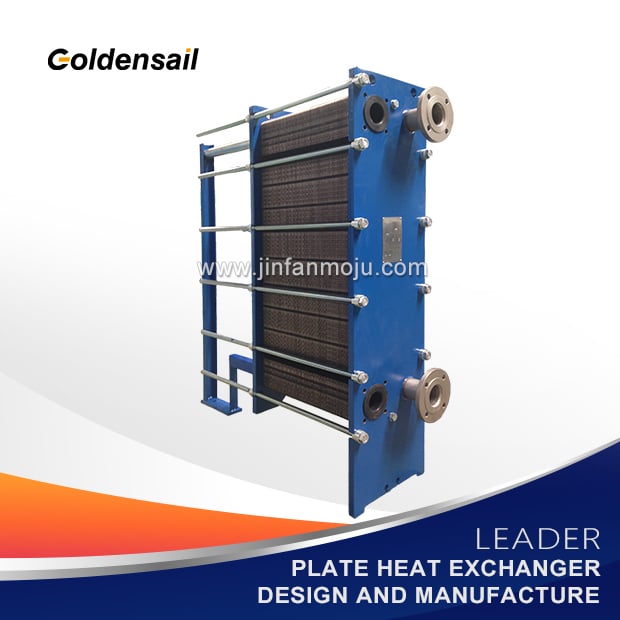
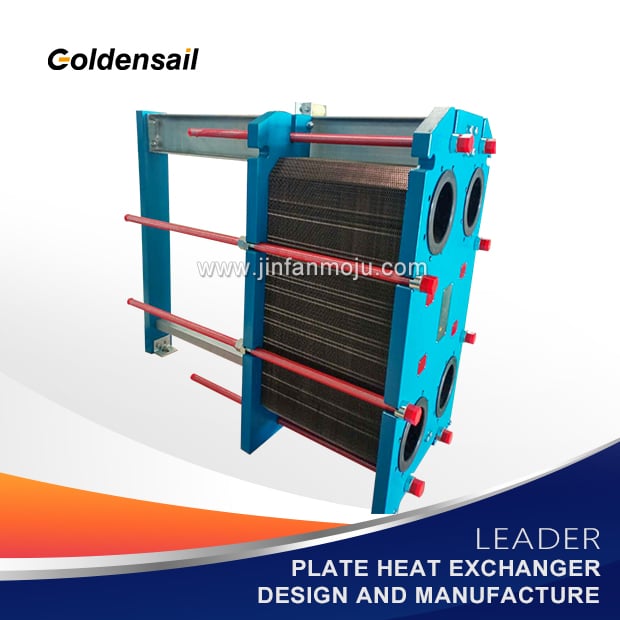
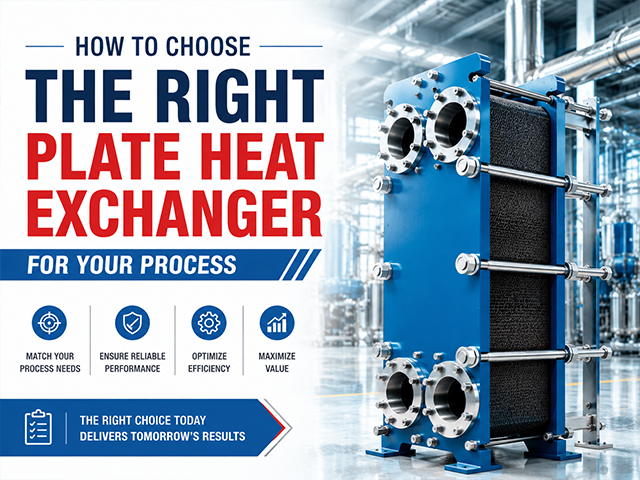
Most plate heat exchanger problems we see in the field are not equipment failures — they are selection failures. A unit that is perfectly engineered for one duty can leak, foul, or underperform within a season when matched against the wrong process. In our daily work at JINFAN, most inquiries arrive in one of two shapes: "how much does a plate heat exchanger cost" and "what is the right unit for my duty". The first question is premature. The second one is the question this guide answers — in six steps, in the order they matter.
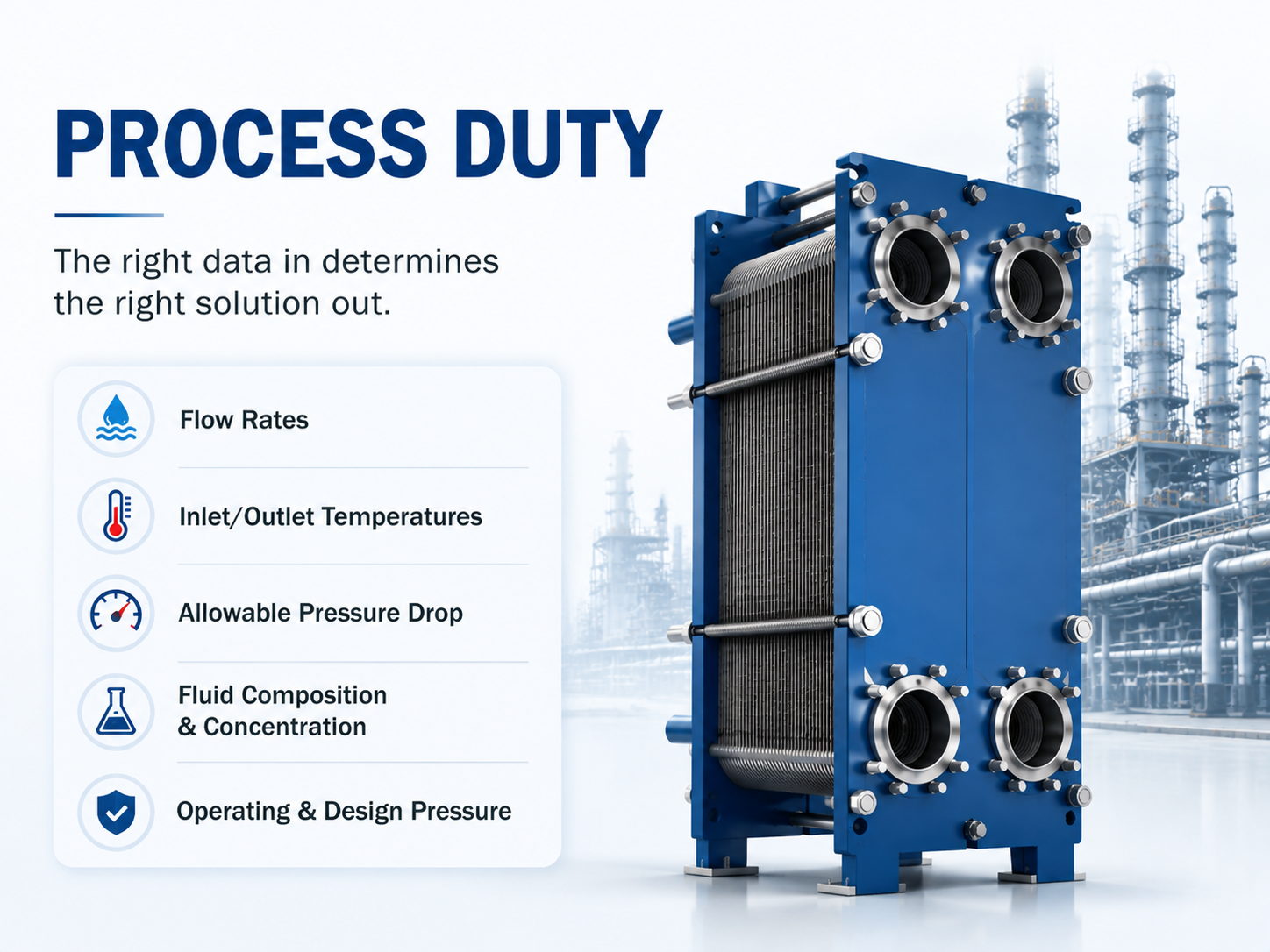
The most common inquiry we receive starts with "I need a plate heat exchanger with 100 square meters." That order is backwards: heat transfer area is a result of a calculation, not an input to one. What we actually need to size a unit is the process duty:
√ Flow rates and inlet/outlet temperatures for both streams
√ Allowable pressure drop across the unit
√ Fluid composition and concentrations
√ Operating and design pressures and temperatures
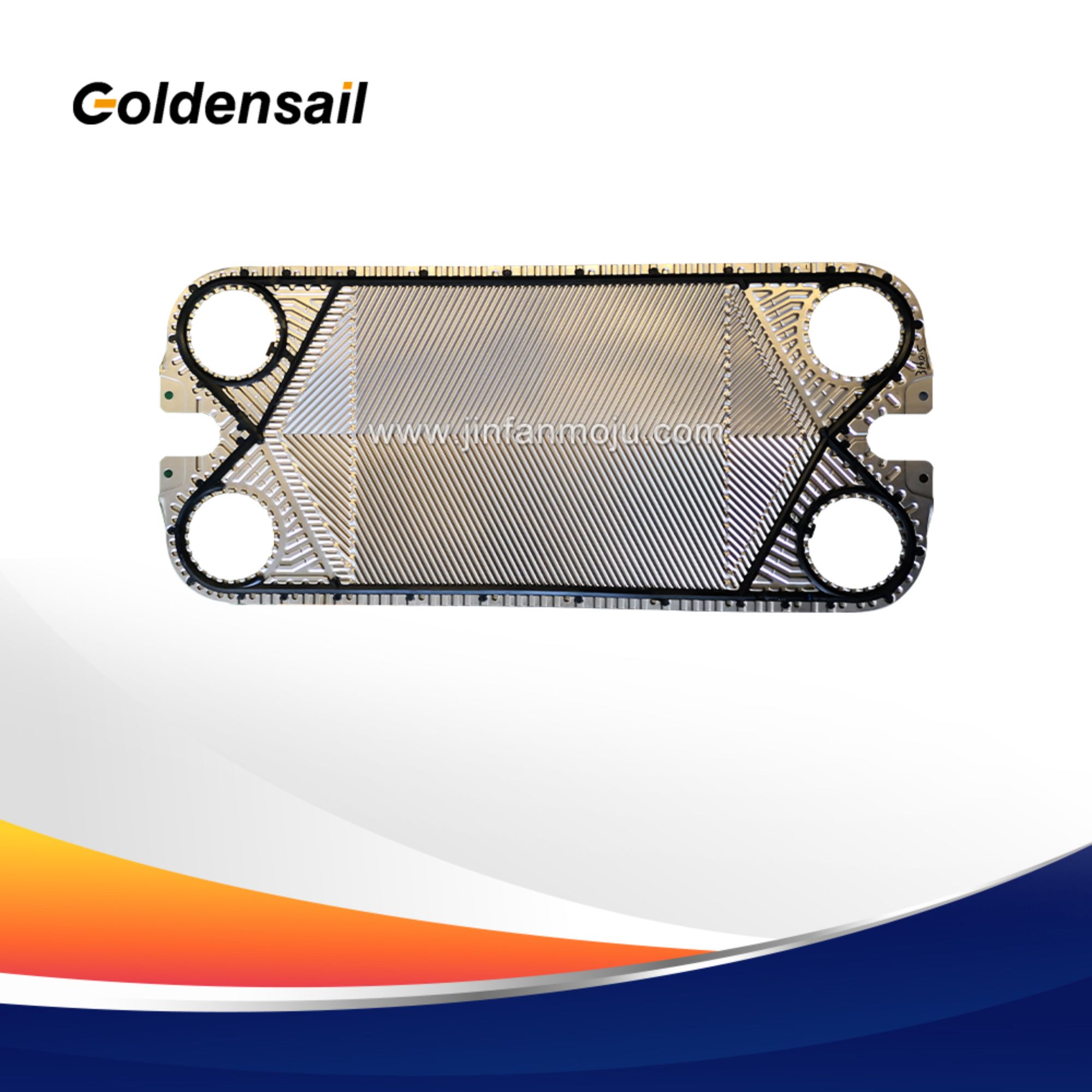
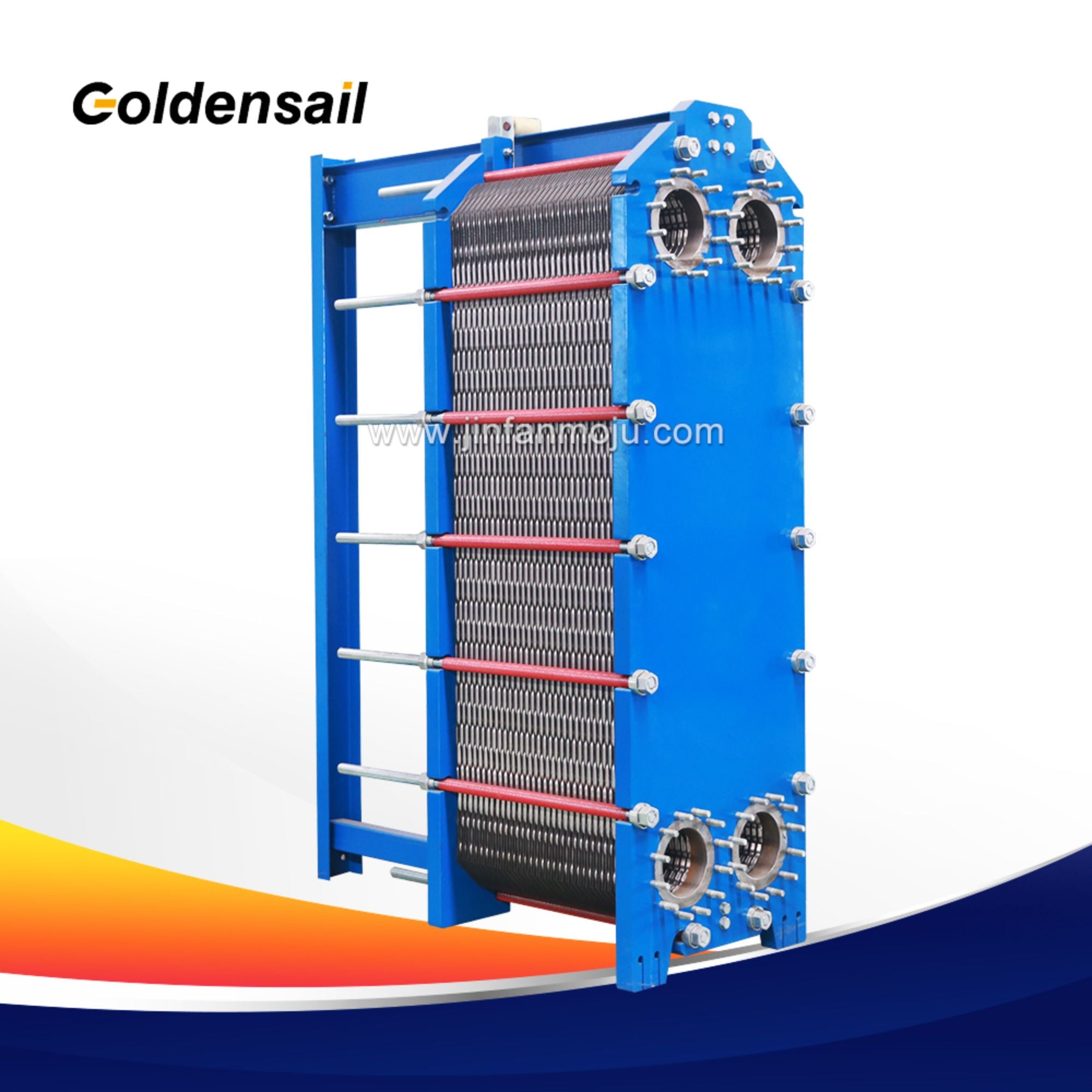
Plates are sealed with elastomeric gaskets and clamped between frame plates. You can clean the plates mechanically, replace gaskets, and even add plates later to increase capacity.
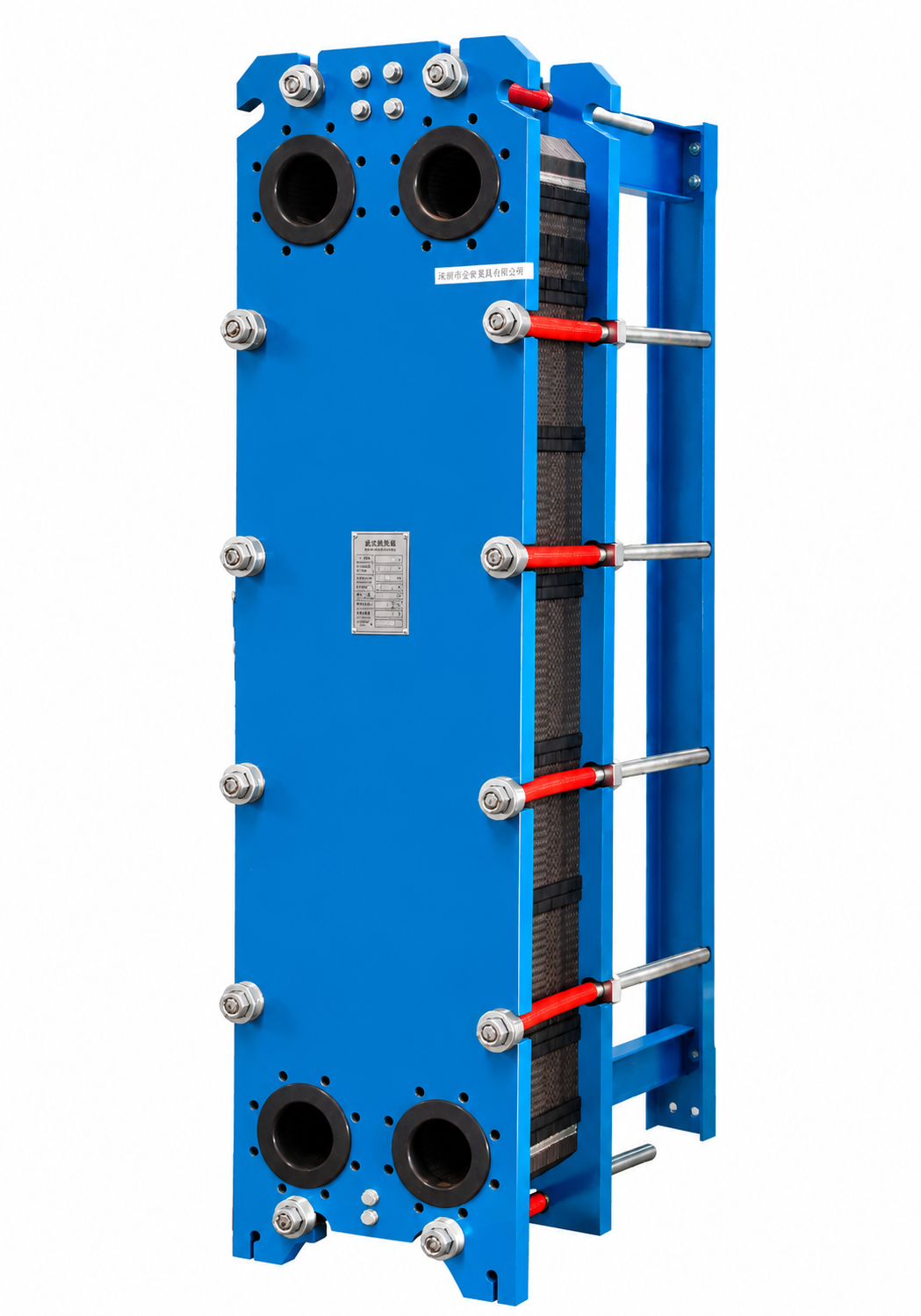
Plates are laser-welded into pairs or a fully welded pack. There is no gasket aging path, so the two biggest failure modes of a gasketed unit — gasket failure and leakage at the seal — disappear.
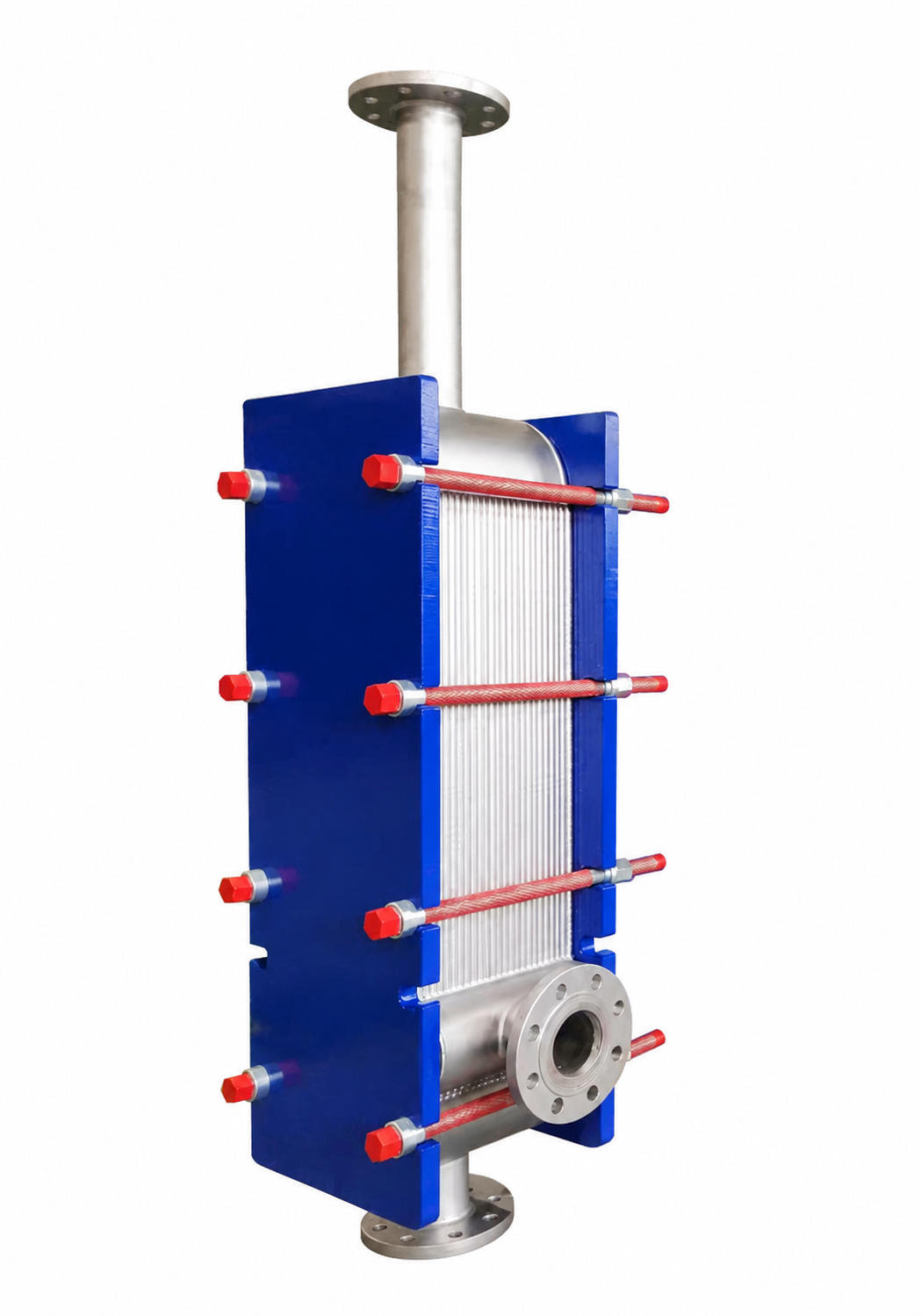
You get a leak-tight, higher-pressure channel for the aggressive or hazardous fluid, and you keep the ability to open the unit for cleaning on the other side.
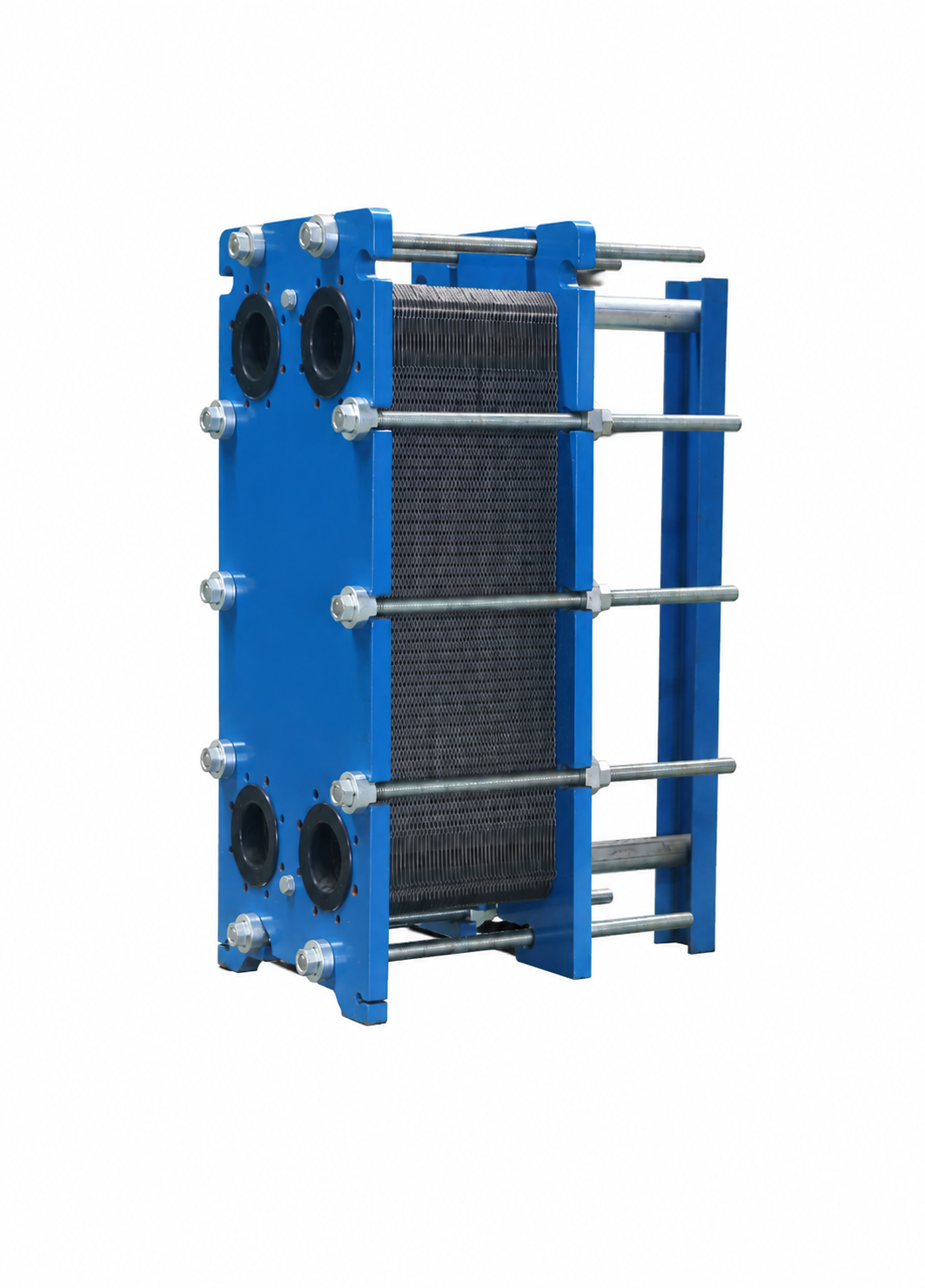
When you send an inquiry, a one-line fluid description like "5% sulfuric acid at 85°C, intermittent flow" is worth more than any generic phrase about "corrosion-resistant materials". The chemistry and temperature window you provide directly determine whether the unit lasts ten years or two.
General duties: clean water, HVAC, food and beverage, moderate chemicals.
Chloride-bearing streams, seawater, and brines where stainless steel may suffer from pitting.
Aggressive chemicals and high-temperature corrosive service.
Water, oils, and moderate temperature applications.
Hot water, steam duty, and dilute acids.
Higher temperatures, oils, and more aggressive fluids.
Maximum chemical resistance with higher cost.
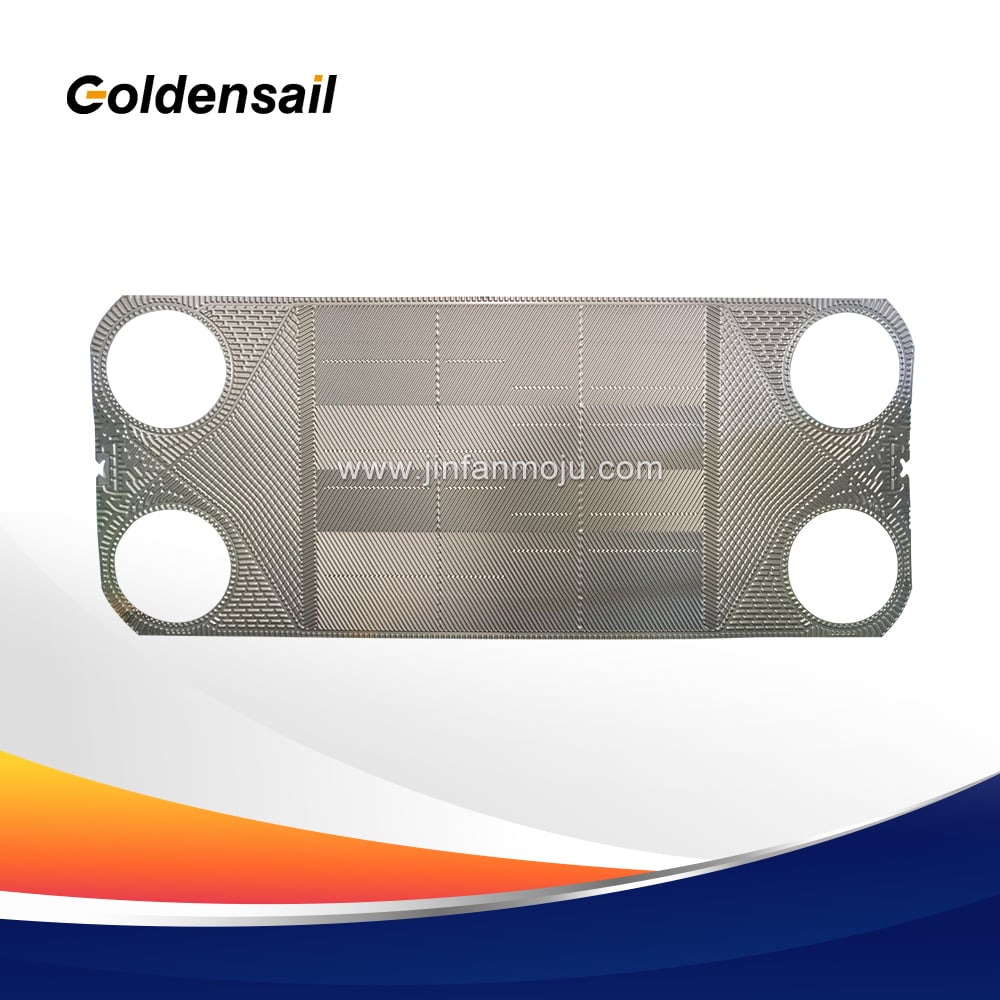
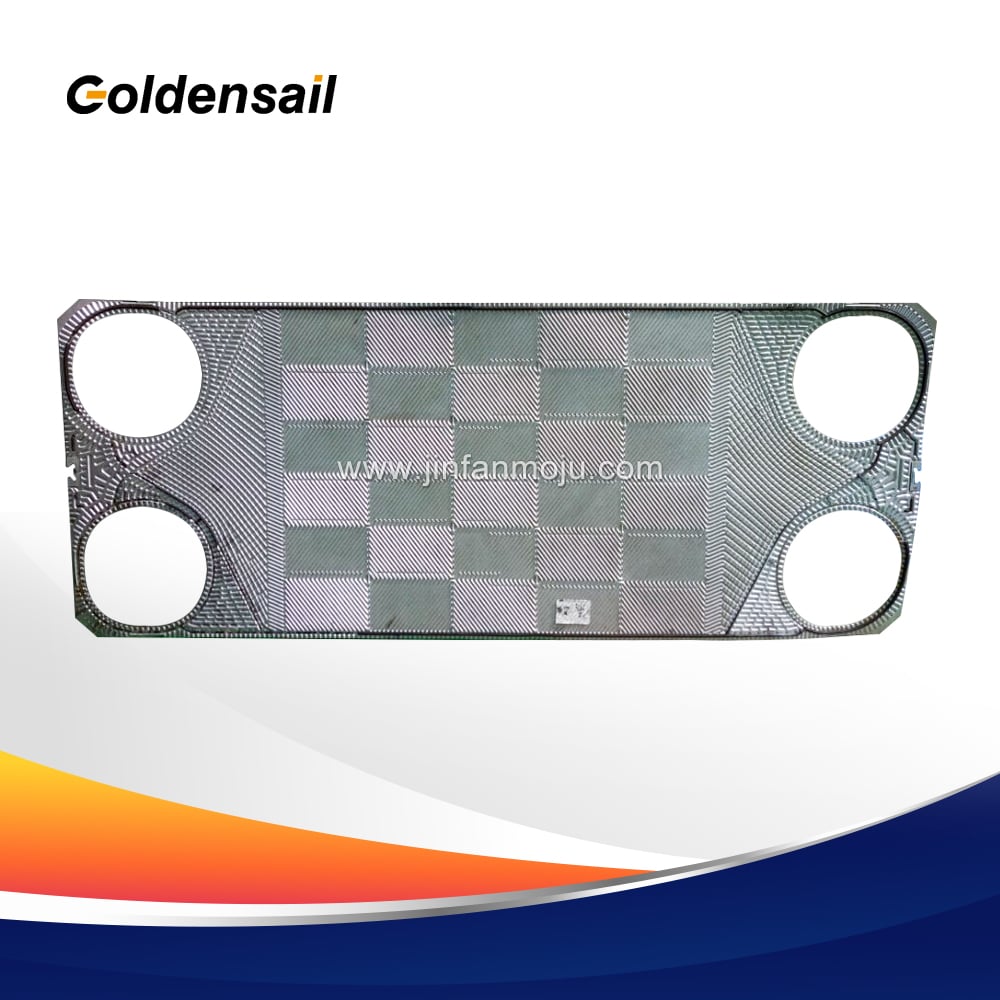
Heat transfer area, channel count, plate pattern, and pressure drop are the output of a thermal calculation: log mean temperature difference, heat transfer coefficients, fouling allowances, and the relationship between corrugation angle and turbulence. Chevron corrugation exists for a reason — it forces the flow to churn, which raises the heat transfer coefficient, but a deeper angle also raises pressure drop. Balancing these is exactly the kind of work a manufacturer's engineering team does routinely, and you should let them do it.
Two failure patterns we see repeatedly in retrofit projects:
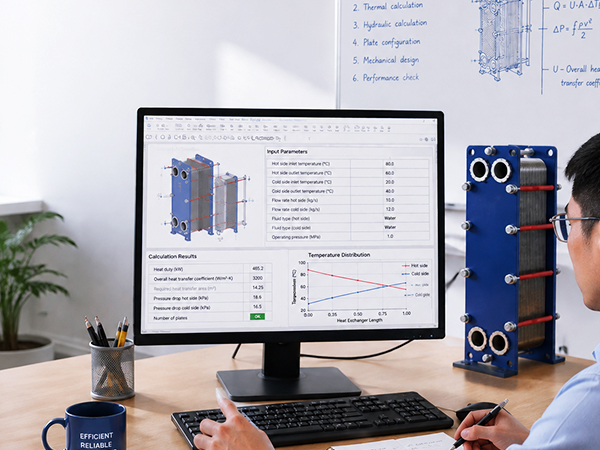
Every plate heat exchanger eventually needs attention. The question is what that attention costs in downtime. Before you order, ask the supplier three questions: what is the lead time for gaskets and plates, are spare parts stocked for your model range, and does the design use standardized dimensions that other suppliers can match. The answer separates a supplier who treats you as a one-off order from one who expects to support the unit for years.
Capacity planning belongs in this step too. A gasketed unit can often gain plates later if the frame was sized with room to spare — a cheap way to buy future capacity, provided you mention the possibility at the inquiry stage.
By the time you have worked through Steps 1–5, you know what you need. The remaining question is whether the supplier can deliver it competently.
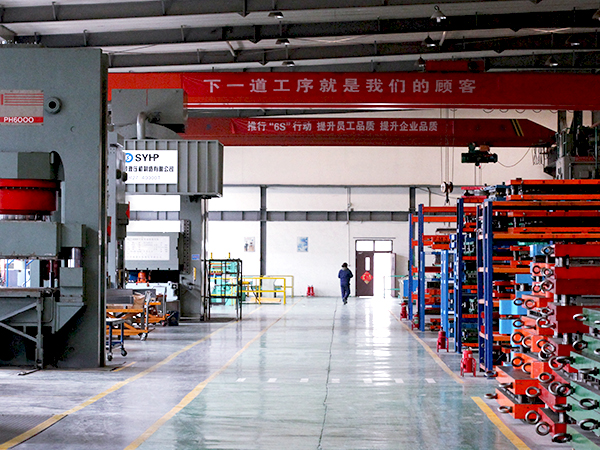
Selection is a conversation, Not a purchase
Send our engineering team your duty data — flow rates, inlet/outlet temperatures, fluid composition, and allowable pressure drop — and we will come back with a construction and material recommendation, a preliminary plate pattern, and estimated dimensions. We cannot quote a meaningful price without the duty, and we will not pretend otherwise.
That is the point of this guide: the right unit starts with the right information, and the right information takes about ten minutes to assemble.
 EN
EN
 AR
AR
 FR
FR
 DE
DE
 PT
PT
 RU
RU