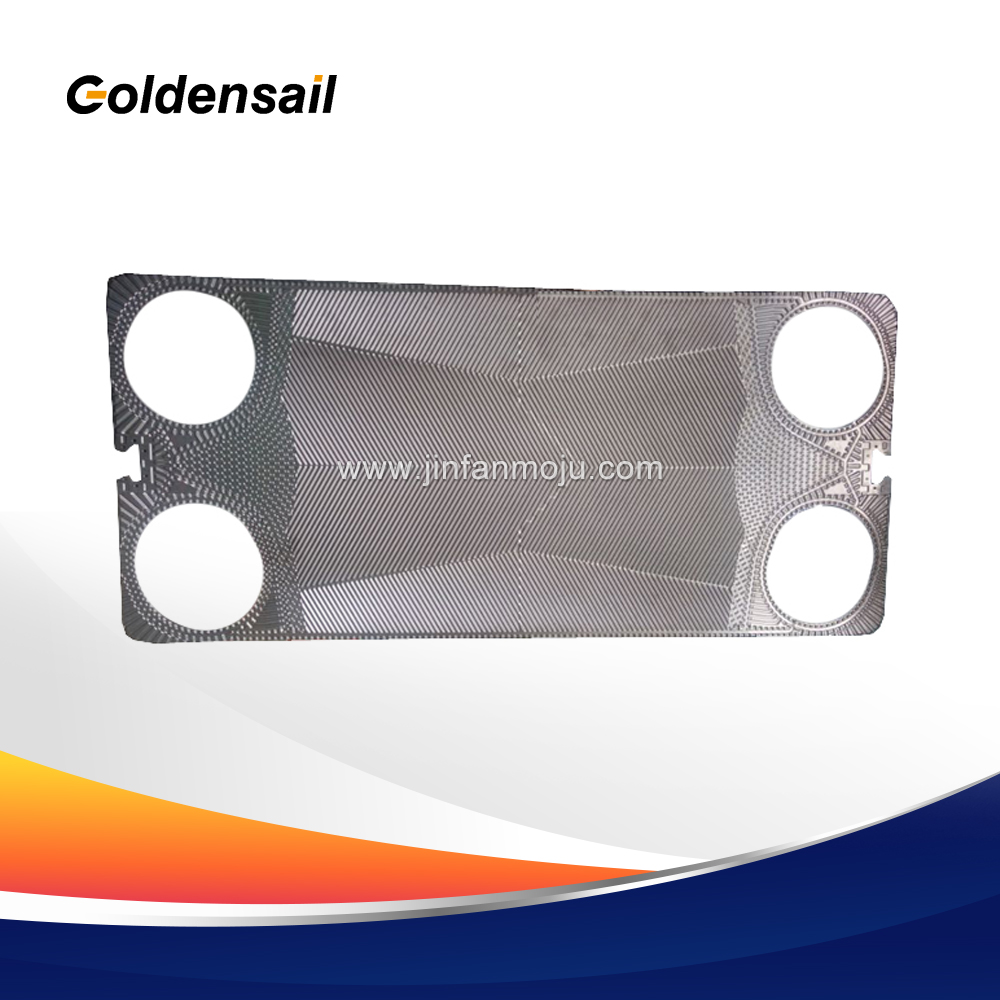
Open a Gasketed Plate Heat Exchanger after a few years on a hot duty and the choice this article is about is written in the gaskets: hardened, cracked, or swollen rubber where a seal used to be. Gasket failure is the most common reason plate heat exchangers come off line, and it is exactly the problem a welded design eliminates by removing the gasket altogether. This guide is the framework our engineers actually use when a customer asks which construction fits their duty, and we have no commercial reason to push one over the other.
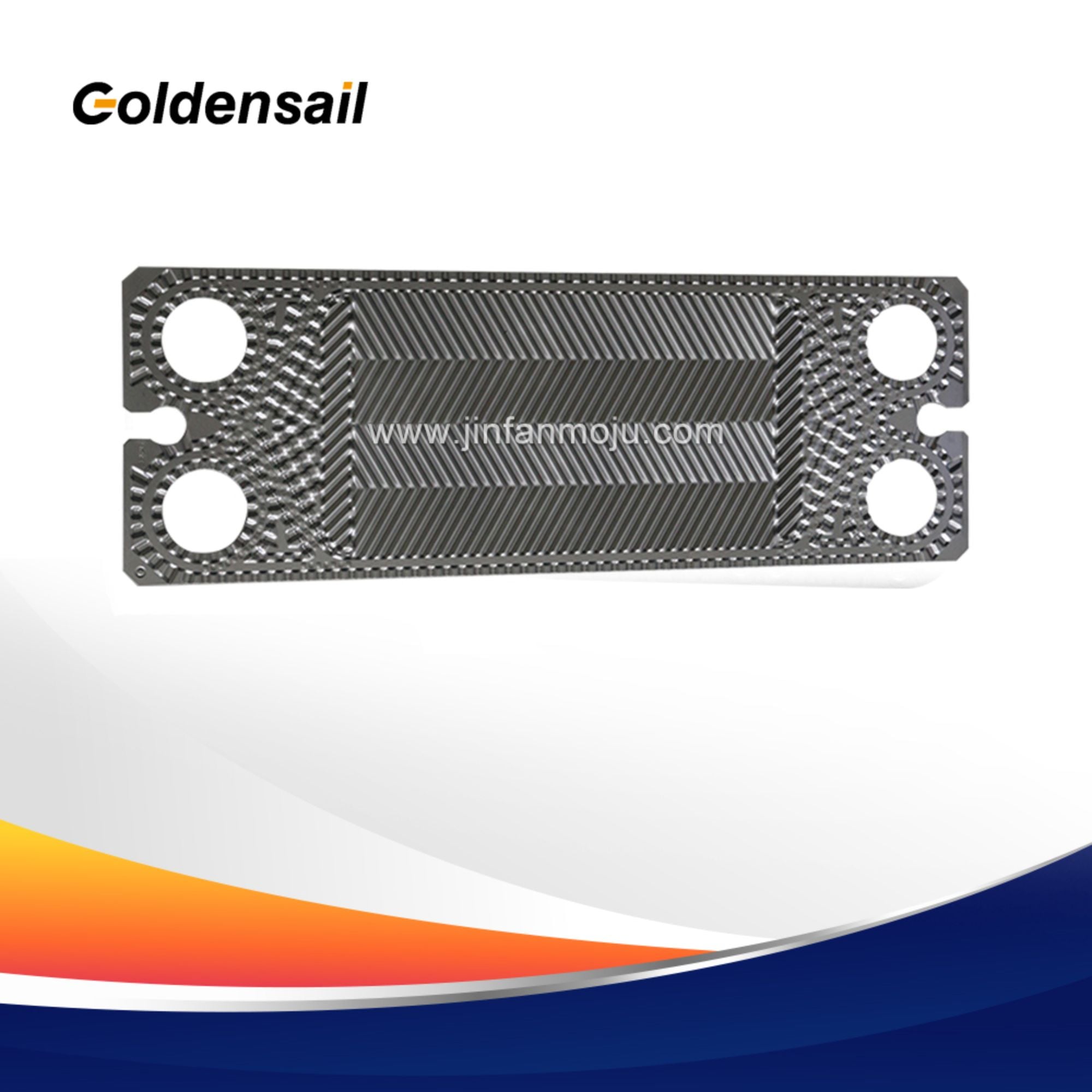
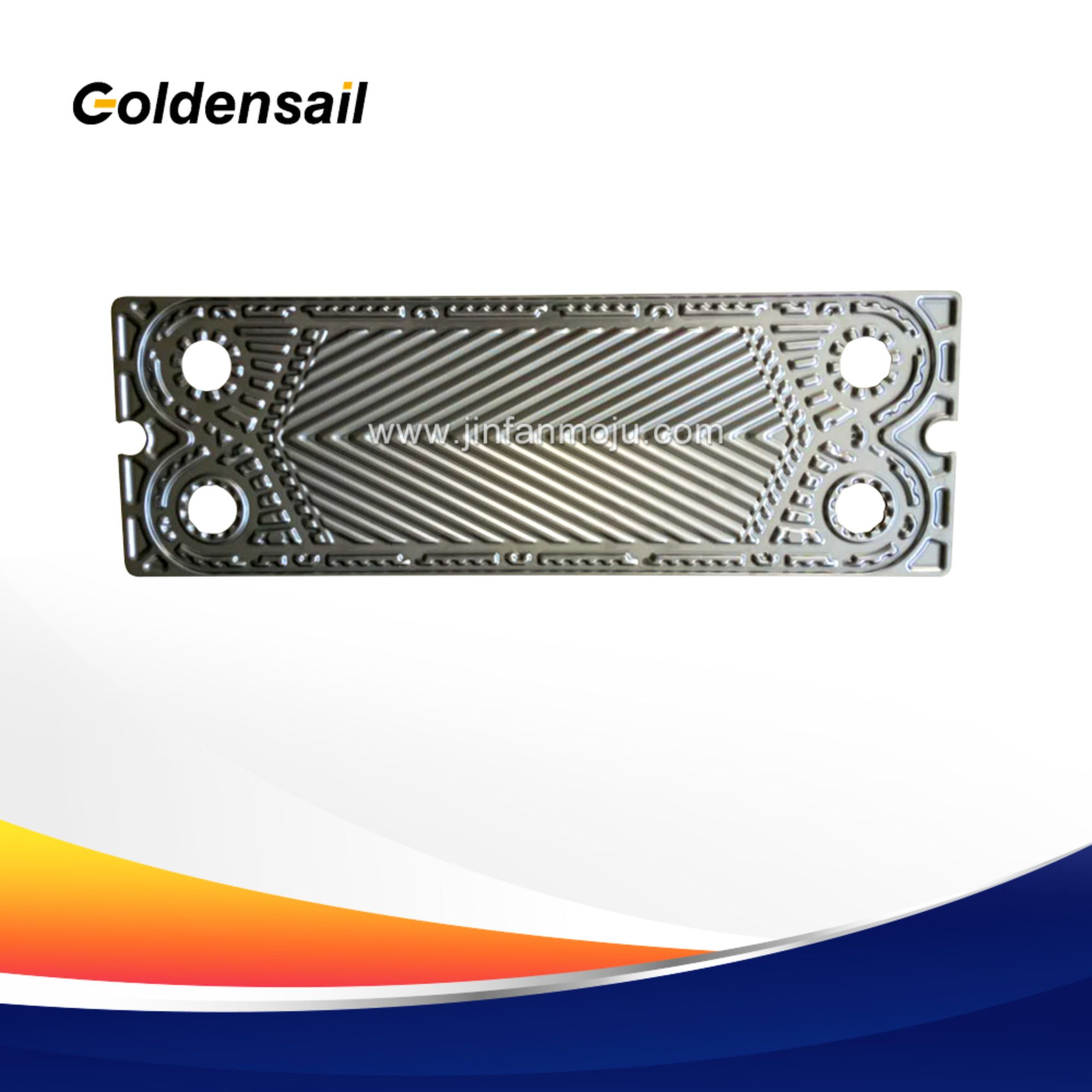
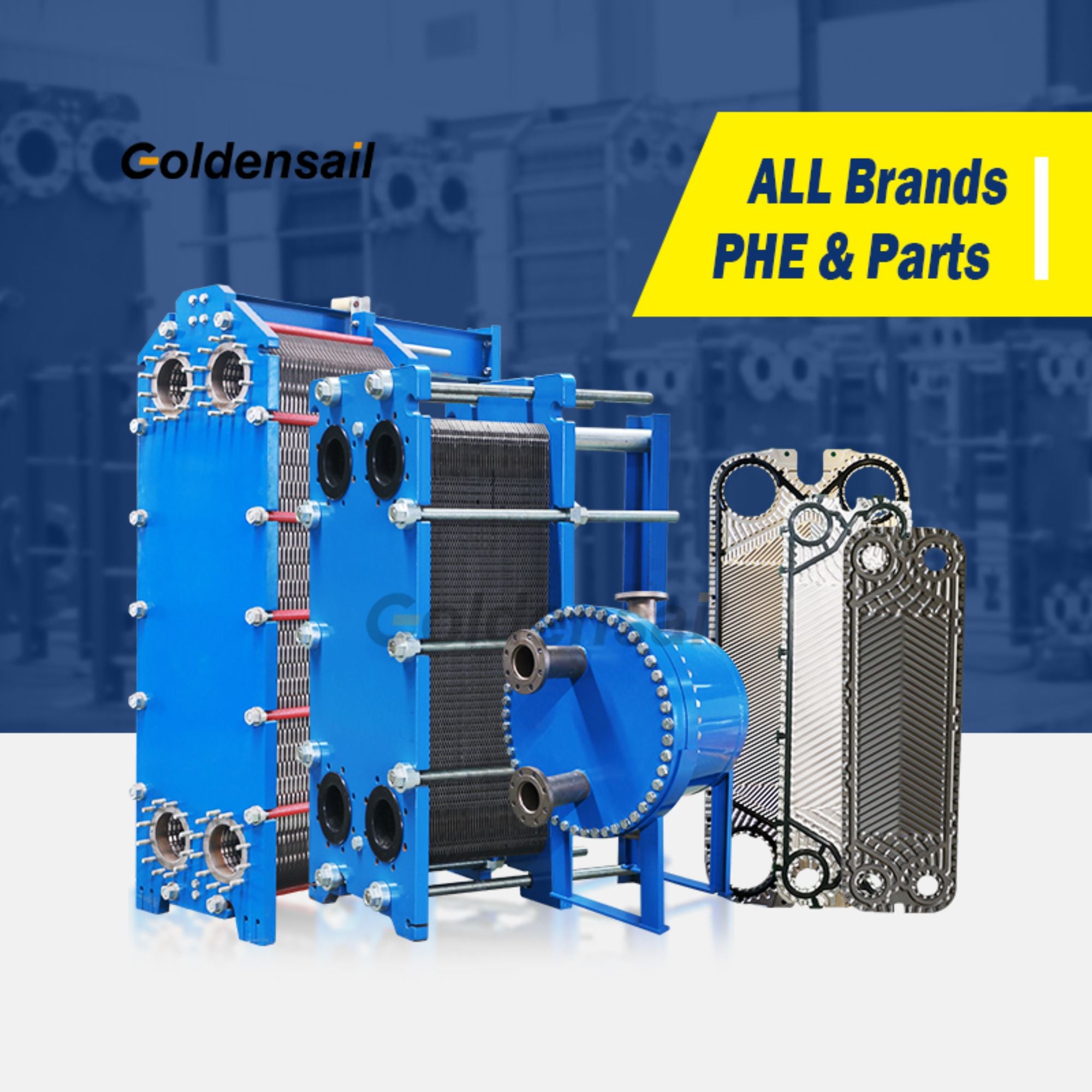
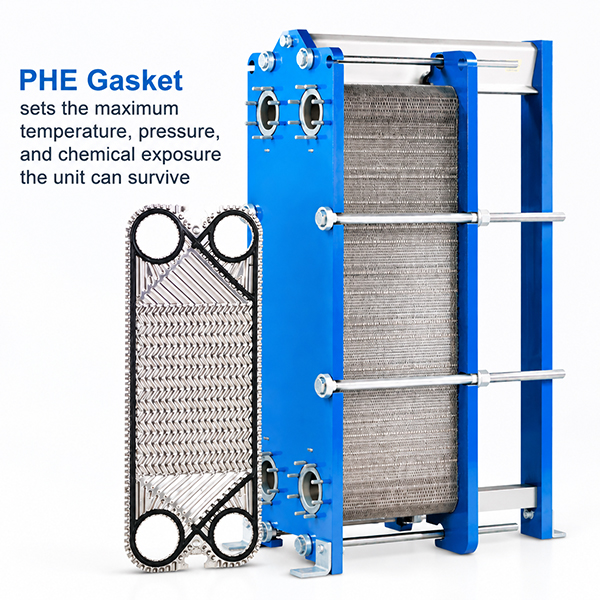
PHE Plates are pressed into a corrugated profile from stainless steel — or titanium and other alloys where the duty demands it — and clamped in a frame with tightening bolts. Each plate carries an elastomer gasket that seals the edges and routes the flow: hot fluid in one set of channels, cold fluid in the adjacent set, counter-current, exchanging heat through the plate wall without the two streams mixing.
Mechanical cleaning — open the unit and clean every plate directly, which is decisive for fouling duties.
Capacity changes — add or remove plates to match a changed heat load without replacing the machine.
Lowest cost per square meter — standardized production keeps the initial price down.
The same gasket is also the ceiling. It sets the maximum temperature, pressure, and chemical exposure the unit can survive, and no amount of plate engineering raises that limit.
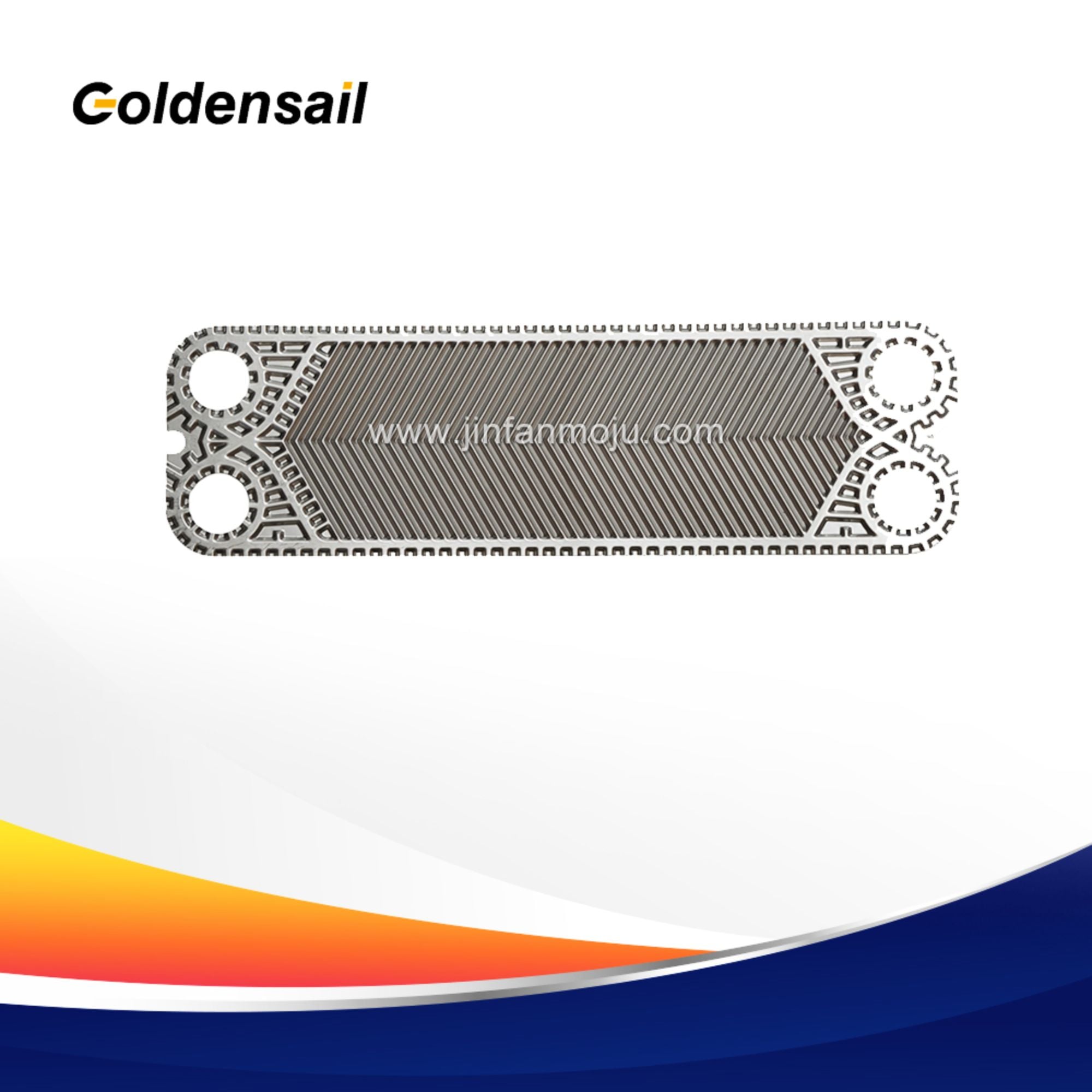
Get in touchIn a Welded Plate Heat Exchanger, plate pairs are sealed at the edges by fully automatic laser welding instead of gaskets. The welded pairs form independent channels, and the pack sits in a frame or a shell. With no elastomer in the plate pack, there is no gasket to age, swell, or fail — the leak path that dominates gasketed-unit maintenance simply does not exist.
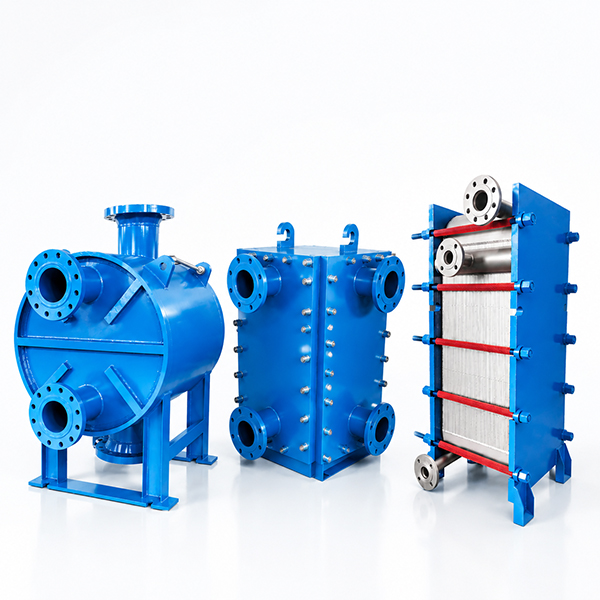
Fully welded plate-and-frame — the welded equivalent of a gasketed unit, for duties beyond the gasket envelope where a compact plate exchanger is still the right shape.
Welded plate-and-shell — a welded plate pack inside a shell, for the highest pressures and for condensing, reboiling, and aggressive-media duties.
Welded BLOC — a welded plate block with removable side plates, so the pack can still be opened for mechanical cleaning.
A detailed comparison of sealing method, operating limits, maintenance requirements, and application suitability to help you select the right plate heat exchanger solution.
| Comparison Dimension | Welded Plate Heat Exchanger | Gasketed Plate Heat Exchanger |
|---|---|---|
| Sealing method | Plate edges laser-welded; no gaskets | Elastomer gaskets seal the plate pack |
| Maximum temperature | 300°C and higher (special designs far beyond) | Usually 160–180°C, limited by gasket material |
| Maximum pressure | Up to 4.0 MPa and beyond | Typically ≤ 2.5 MPa |
| Heat transfer efficiency | Very high — corrugated plates generate strong turbulence | Very high — same corrugated plate technology |
| Leakage risk | Extremely low; no gasket to age or fail | Higher — gasket aging and misalignment are common leak sources |
| Cleaning method | Chemical (CIP) cleaning; BLOC type allows mechanical cleaning | Full disassembly and mechanical cleaning |
| Capacity flexibility | Fixed plate pack; capacity cannot be adjusted | Plates can be added or removed |
| Media compatibility | Wide — solvents, acids, alkalis, hydrocarbons | Limited by gasket chemical resistance |
| Initial cost | Medium to high | Low |
| Long-term maintenance cost | Medium — mainly chemical cleaning and occasional weld repair | Higher — regular gasket replacement and disassembly labor |
| Typical applications | Chemical, petrochemical, refrigeration (ammonia), high-pressure steam, heat recovery | HVAC, food & beverage, marine, general cooling water |
Elastomers degrade long before steel plates do. EPDM and NBR harden and crack as temperature climbs, which is why gasketed units are typically rated to 160–180°C and about 2.5 MPa in standard configuration. If your duty sits follow those numbers, the welded advantage shrinks — read that as a signal that a gasketed unit may be the better buy, not as a reason to spend more.
√ steam heating and condensate recovery at 180°C and above
√ ammonia and refrigerant condensing in refrigeration and petrochemical plants
√ any process loop running above 2.5 MPa
√ heat recovery from hot process streams
Gasketed units open. The plate pack is fully accessible for mechanical cleaning, which matters when media fouls or deposits. The price is recurring: gaskets need inspection and periodic replacement, and every opening costs labor plus downtime.
Welded units are cleaned chemically, in place, without opening — the right answer for most process duties. For plants that genuinely need mechanical access, the welded BLOC plate heat exchanger provides removable side plates: full access to the pack without giving up the welded channel.
The decision rule JINFAN engineers use: heavy fouling and frequent cleaning → gasketed or BLOC. Clean media and long continuous runs → welded, and the maintenance calendar shrinks dramatically.
Gasketed units win the purchase-price comparison. Standardized production makes them the cheapest per square meter of heat transfer area, which is why they dominate HVAC and general cooling applications.
The rest of the cost shows up over time: gasket replacement cycles, disassembly labor, spare-part inventory, and the expensive one — unplanned downtime when a gasket fails mid-run. On aggressive, hot, or high-pressure duties, the welded unit's operating-cost advantage typically overtakes its higher first price within a few years of service.
The mistake we see most often is buying on sticker price alone for a harsh duty. For clean, low-pressure, low-temperature work, gasketed remains the most economical answer — and that is the correct call. Compare lifetime cost where conditions are demanding, not where they are easy.
Gasket chemical resistance is finite. Strong solvents, aromatic hydrocarbons, acids, and alkalis can swell or dissolve elastomer — often slowly and invisibly until a leak appears.
A welded unit has no gasket to protect, so it accepts media that would destroy standard elastomers outright. On aggressive chemicals, the welded design is not an upgrade; it is a requirement. This is why fully welded and plate-and-shell units are standard equipment in chemical and petrochemical processing, where JINFAN supplies units for heating, cooling, condensing, and reboiling duties.
For hygienic work — food and beverage, pharmaceuticals — the opposite logic applies: the ability to open and inspect the pack makes the gasketed construction the preferred choice, within gasket limits.
Select the right solution based on temperature, pressure, media properties, and maintenance requirements.
Choose a welded unit when high temperature, high pressure, or leak-critical applications are required.
Choose a gasketed unit when flexibility, accessibility and cost efficiency are priorities.
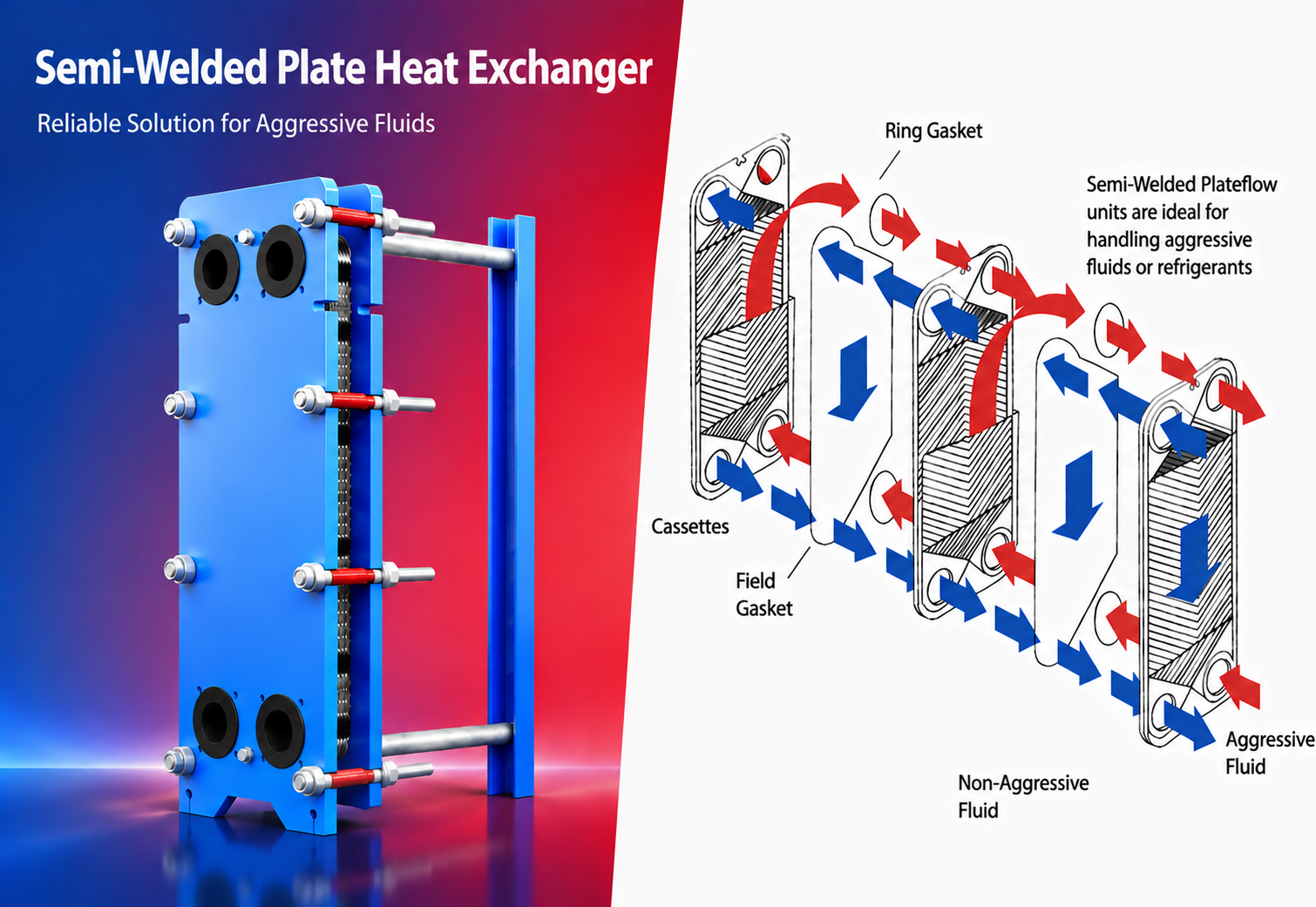
Not every process needs a fully welded unit, and not every process can live with gaskets on both sides. Semi-welded Plate Heat Exchangers split the difference: one side of each plate pair is laser-welded for the demanding fluid, while the other side is gasketed for the benign one.
This is the standard construction for refrigeration and ammonia duties: the refrigerant runs through the welded channels at high pressure with no gasket to fail, while cooling water runs through the gasketed channels. Because one side remains gasketed, the unit is openable — it sits in our detachable (gasketed-series) product range — so mechanical cleaning stays possible.
One aggressive or high-pressure fluid plus one benign fluid: a semi-welded unit usually delivers most of the reliability of a fully welded design at a noticeably lower cost.
—
Related reading
- How a Welded Plate Heat Exchanger Works
- Gasketed vs Welded Plate Heat Exchangers in Data Center Liquid Cooling
- Gasketed Plate Heat Exchangers
- Welded Plate Heat Exchangers
 EN
EN
 AR
AR
 FR
FR
 DE
DE
 PT
PT
 RU
RU