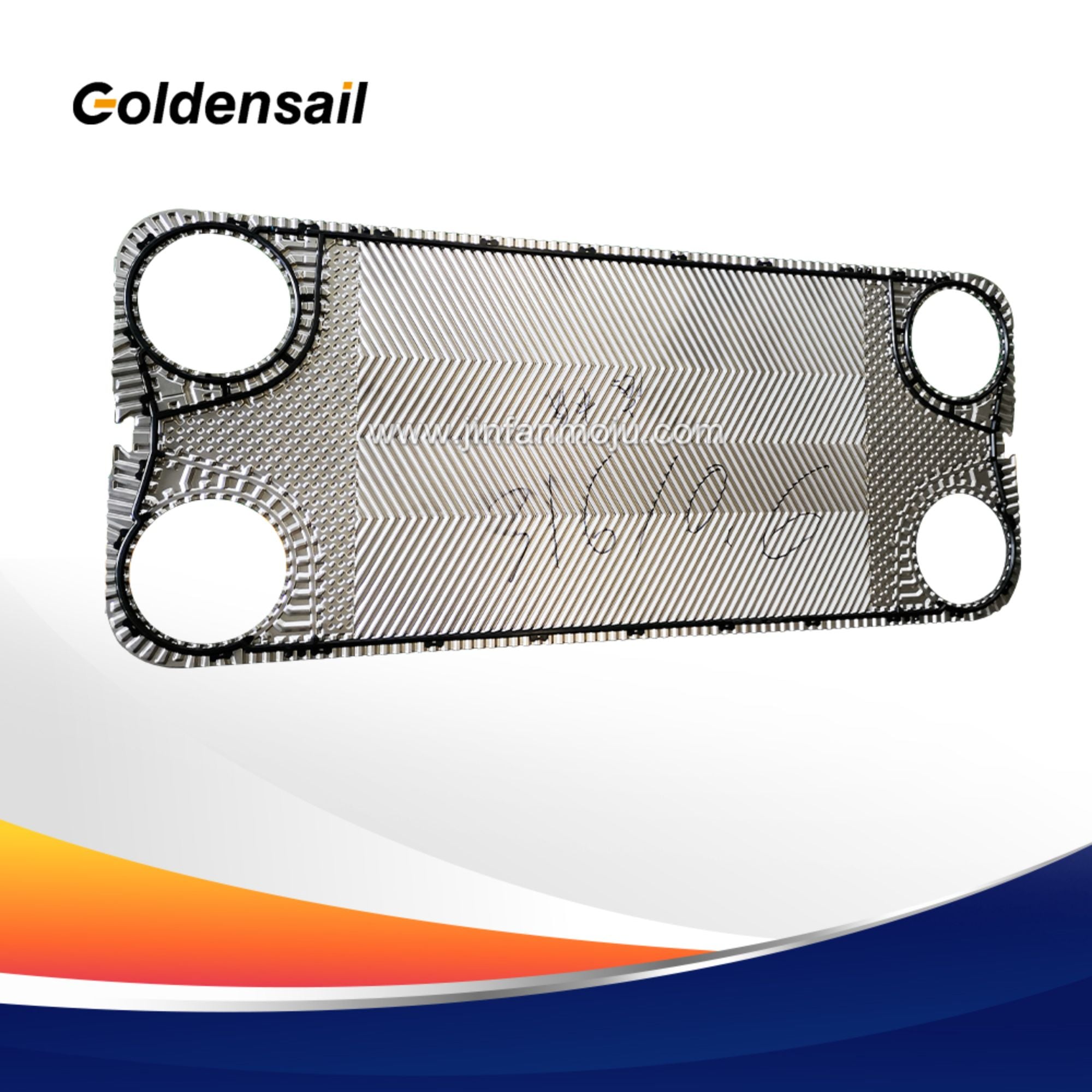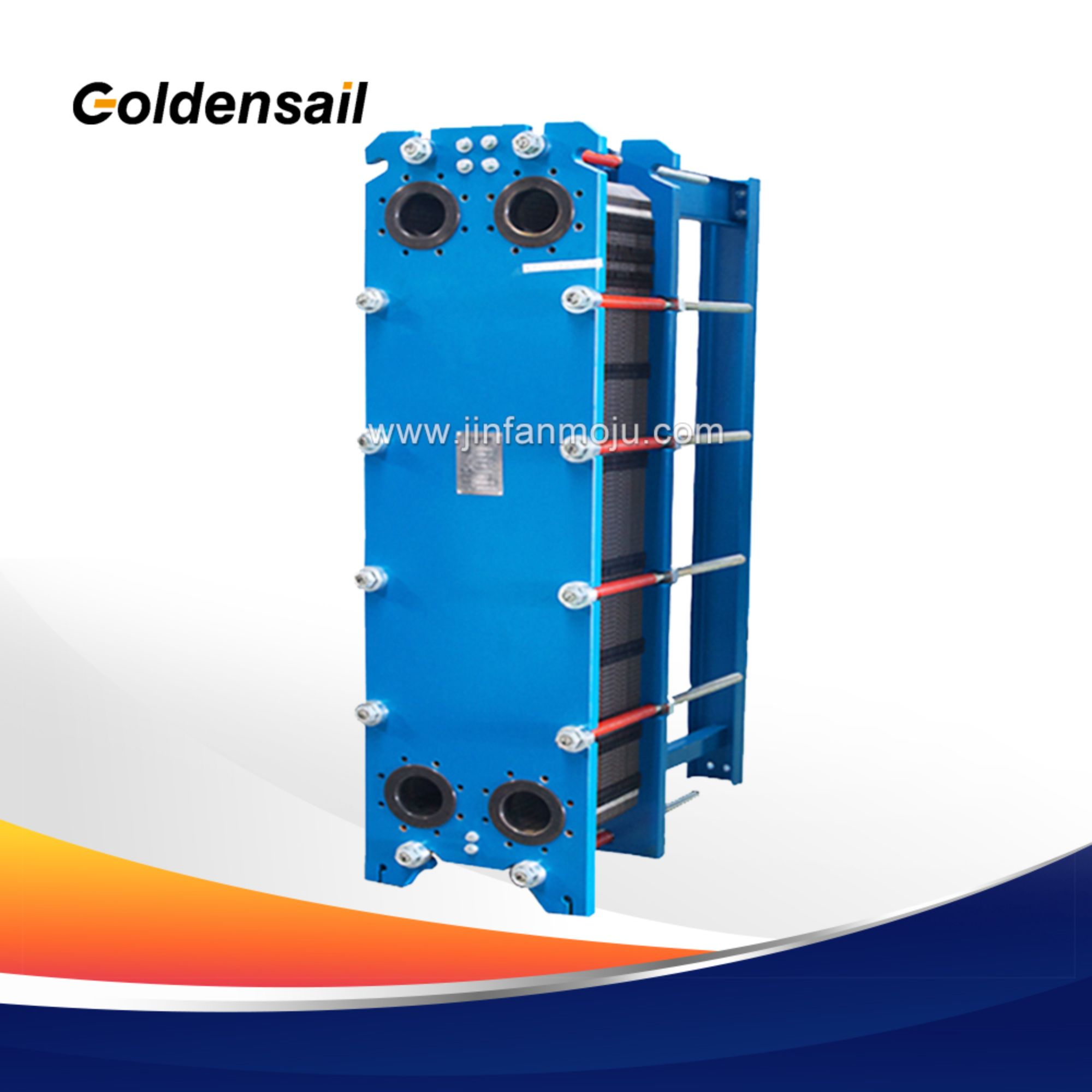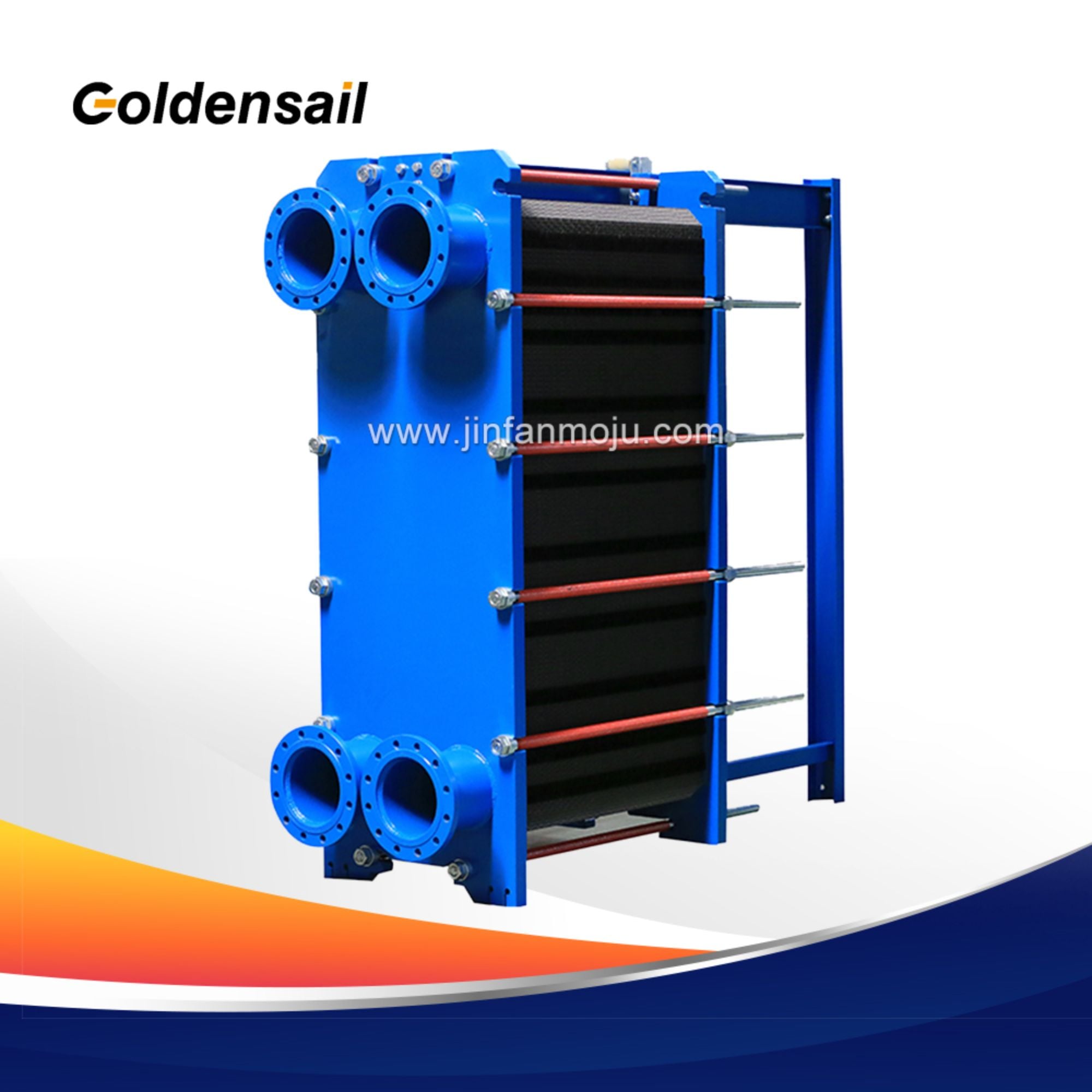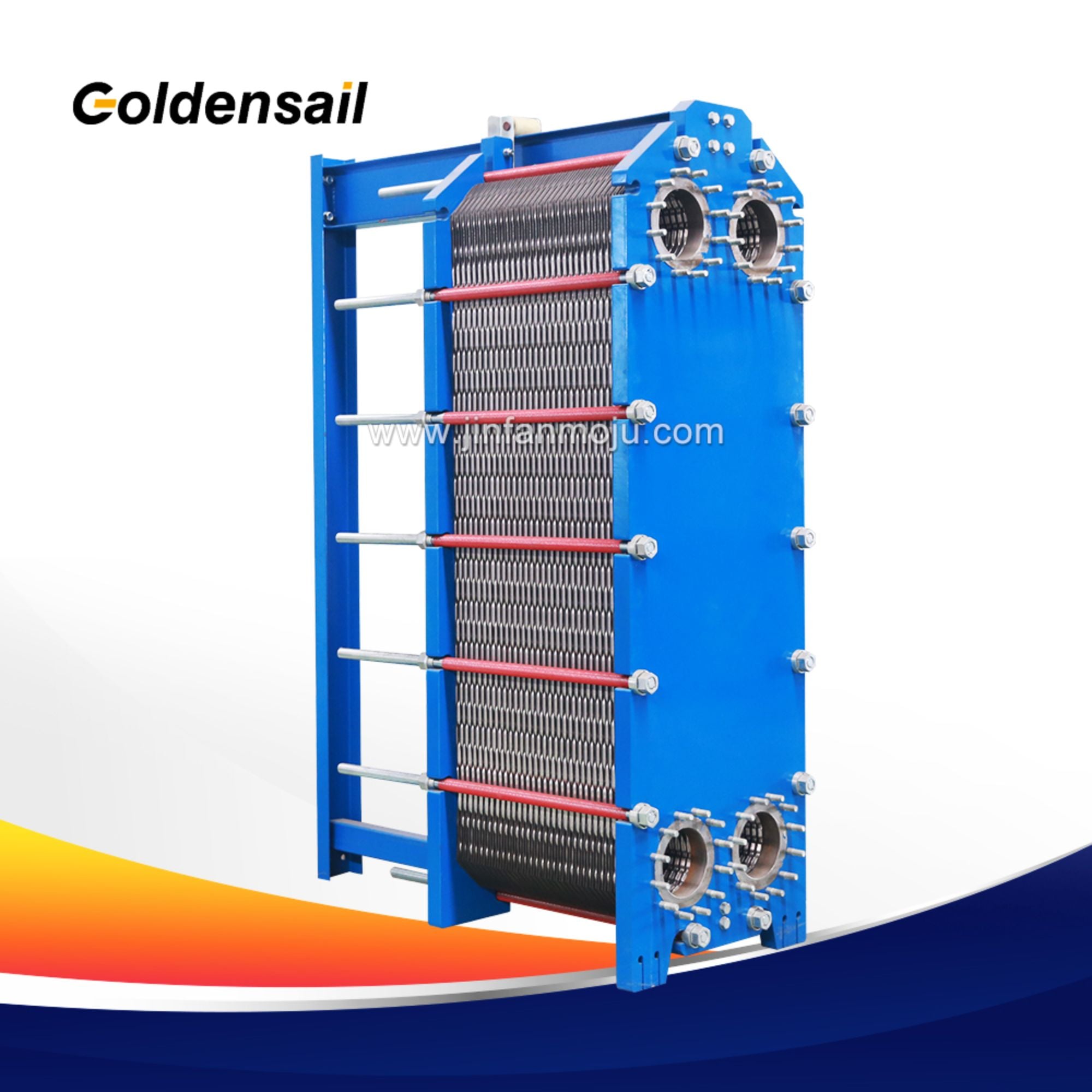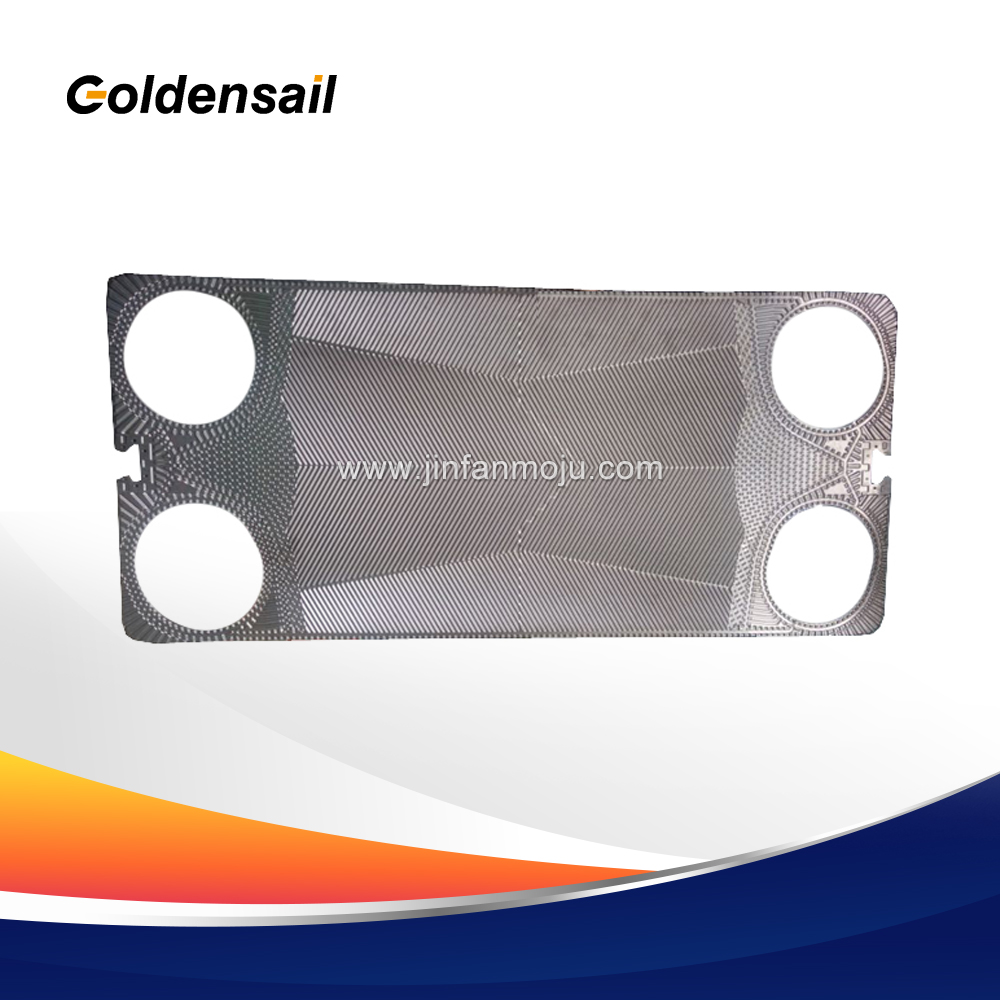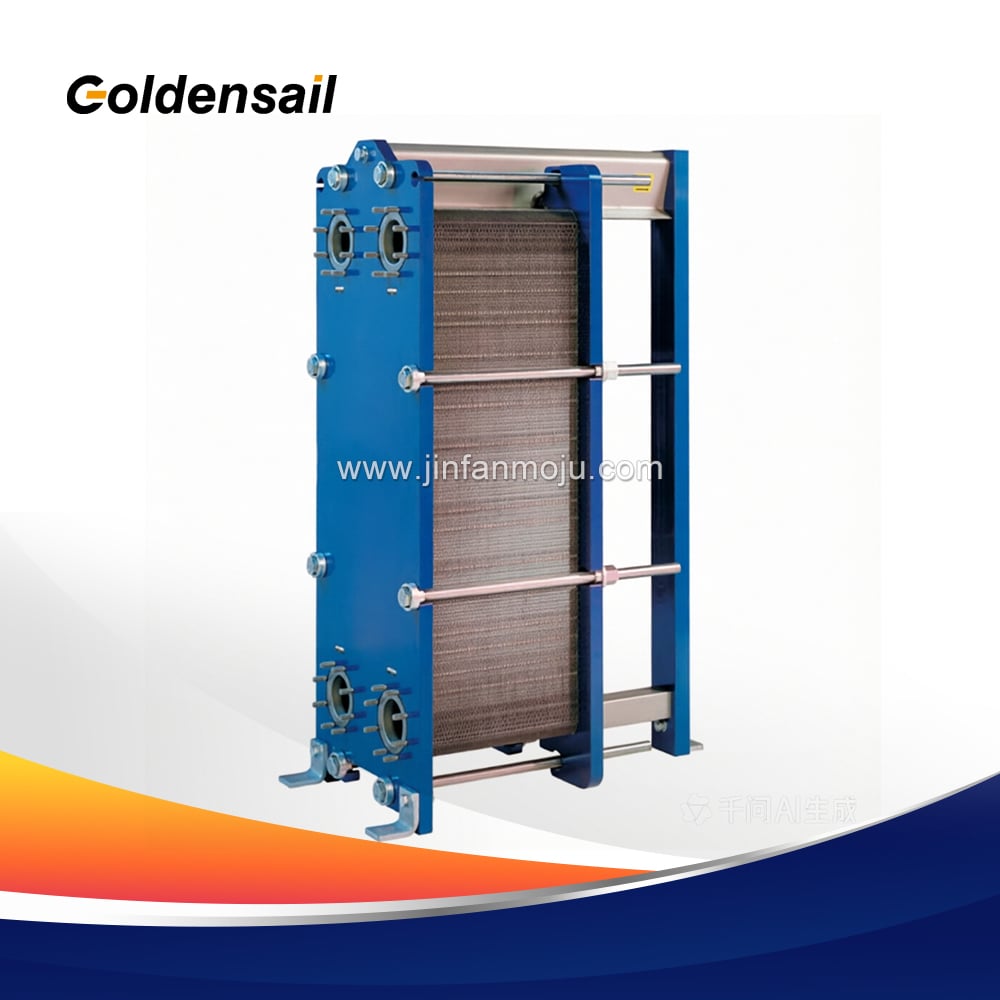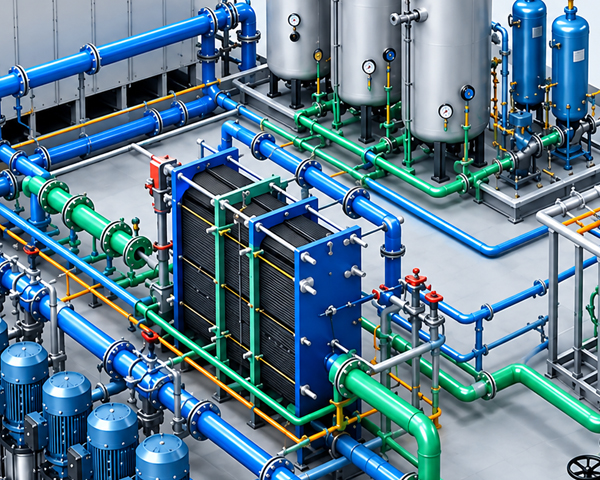
Gasketed Plate Heat Exchangers (GPHEs) typically target "primary-side large-scale heat exchange" scenarios in AI servers. With corrugated metal plates, rubber gaskets, and a clamping frame, these units are bulkier and have lower pressure ratings than brazed plate heat exchangers. However, their ability to be disassembled on-site and easily cleaned or maintained makes them ideal for primary-side loops—where space constraints are minimal, but water quality may be complex and regular maintenance is required.
Get in touchThe core of a gasketed plate heat exchanger consists of corrugated metal plates, rubber gaskets, and a clamping frame; the heat exchanger plates are sealed against one another by phe gaskets and secured by clamping bolts. This design offers two key capabilities:
Simply loosening the clamping bolts and moving the movable pressure plate allows for the disassembly of all plates and gaskets one by one. This enables mechanical or chemical cleaning of individual plates, effectively removing any type of fouling and restoring initial heat transfer efficiency. Furthermore, damaged plates or aged gaskets can be replaced individually without replacing the entire core, significantly reducing maintenance costs and downtime.
Heat transfer surface area can be easily adjusted by adding or removing plates. When a data center's computing load increases and greater heat exchange capacity is required, capacity can be expanded simply by adding phe plates rather than replacing the entire unit; this offers great convenience for the phased construction and elastic expansion of primary-side systems.
The "primary-side" loop of an AI Data Center's liquid cooling system serves as the critical link connecting outdoor cooling sources (such as cooling towers or dry coolers) with the indoor CDU (Coolant Distribution Unit). It is characterized by two distinct features:
The primary side connects directly to equipment like cooling towers, and its circulating water typically operates within an open system; consequently, the water quality is far less pristine than the clean coolant found on the secondary side (inside the servers). Water often contains impurities such as minerals and microorganisms; prolonged operation easily leads to the formation of scale and biological fouling on heat exchange surfaces. Such fouling severely reduces heat transfer efficiency, driving up PUE and increasing energy consumption.
The primary-side system typically serves an entire data center or multiple modules, requiring high individual unit processing capacity; furthermore, cooling demands grow dynamically as the data center is built out in phases.
Given the tendency for scale formation in primary-side cooling water, the ability to disassemble and clean gasketed plate heat exchangers offers a critical advantage. Operations and maintenance personnel can periodically dismantle the unit to thoroughly clean the plates, removing scale and impurities; this ensures stable, long-term heat transfer efficiency and system energy performance. In contrast, while compact brazed plate heat exchangers offer high integration, they cannot undergo offline physical cleaning and demand higher water quality, making them better suited for the clean secondary-side loops integrated within CDUs. To address the large-scale and scalable nature of primary-side systems, the modular design of gasketed plate heat exchangers provides unparalleled flexibility. Heat transfer surface area can be adjusted simply by adding or removing plates, allowing for easy adaptation to phased data center expansion and avoiding the massive investment of replacing the entire unit as loads increase.
A gasketed plate heat exchanger can be installed inside a rack-mounted or cabinet-style Coolant Distribution Unit (CDU), or positioned externally between the facility cooling loop and the secondary server cooling loop. The arrangement depends on the CDU design, cooling capacity, pressure-drop limits, and maintenance requirements.
Inside a CDU, the heat exchanger works alongside components such as circulation pumps, filters, and fluid-management equipment. In an external installation, it can separate the facility-side cooling medium from the server-side coolant.
Both gasketed and brazed plate heat exchangers can be suitable for a Coolant Distribution Unit (CDU). The right choice depends on cooling capacity, operating pressure and temperature, coolant compatibility, available space, and maintenance requirements.
Brazed plate heat exchangers offer a compact, sealed construction and are often considered where space is limited and routine disassembly is not required. Gasketed plate heat exchangers can be advantageous when inspection, cleaning, gasket replacement, or future heat-transfer-area adjustments are important. Confirm the selection against the actual operating conditions and equipment requirements.
Monitor the heat exchanger's differential pressure, inlet and outlet temperatures, and heat-transfer performance against clean-system baseline values. A sustained rise in pressure drop or a decline in cooling capacity may indicate fouling, scaling, blockage, or a change in operating conditions.
Investigate when readings exceed the equipment manufacturer's recommended limits. A rise to around 1.3–1.5 times the baseline pressure drop can serve as a preliminary warning threshold where appropriate, but the correct trigger depends on the exchanger design and system conditions. Isolate and inspect the relevant circuit using the approved maintenance procedure before deciding on cleaning.
Yes, but the expansion method depends on the heat exchanger type and system design. For a gasketed plate heat exchanger, the heat-transfer area may be increased by adding plates if the frame, connections, pressure rating, and thermal design allow it.
A brazed plate heat exchanger is generally not designed to be opened or expanded by adding plates. Capacity increases are typically handled by installing a larger unit or adding units in parallel, subject to hydraulic, control, space, and redundancy requirements. Plan for future capacity during the initial CDU and cooling-loop design.
Yes. JINFAN can manufacture replacement plates and gaskets for compatible existing plate heat exchangers. To identify the correct parts, provide the exchanger brand and model, plate pattern or part number, photos of the plate markings, available drawings, and the operating fluid, temperature, and pressure.
Gasket material should be selected for the actual fluid and operating conditions, including water-glycol mixtures and any inhibitor additives. If the model or plate marking is unavailable, clear photos and measurements of the plate profile and port dimensions can help with identification. Frame components and other replacement parts can also be assessed against the equipment details.
—
- Gasketed type vs. Welded Plate Heat Exchangers in Data Center Liquid Cooling
- How to Choose the Right Plate Heat Exchanger for Your Process
- Plate Heat Exchanger Selection Guide by Capacity, From 100 kW to 10+ MW
- What are the Upper and Lower Temperature Limits for Plate Heat Exchangers?
 EN
 AR
 FR
 DE
 PT
 RU