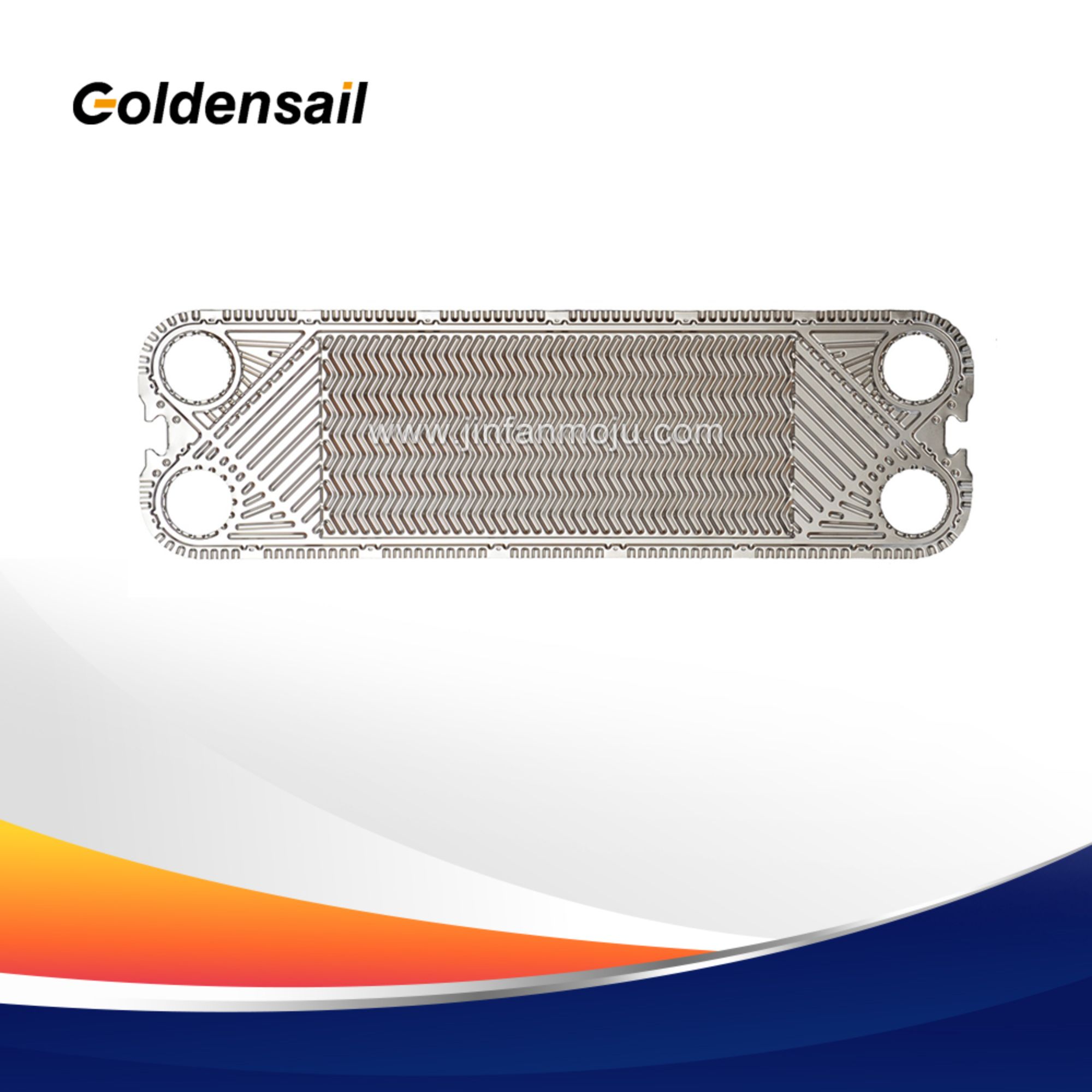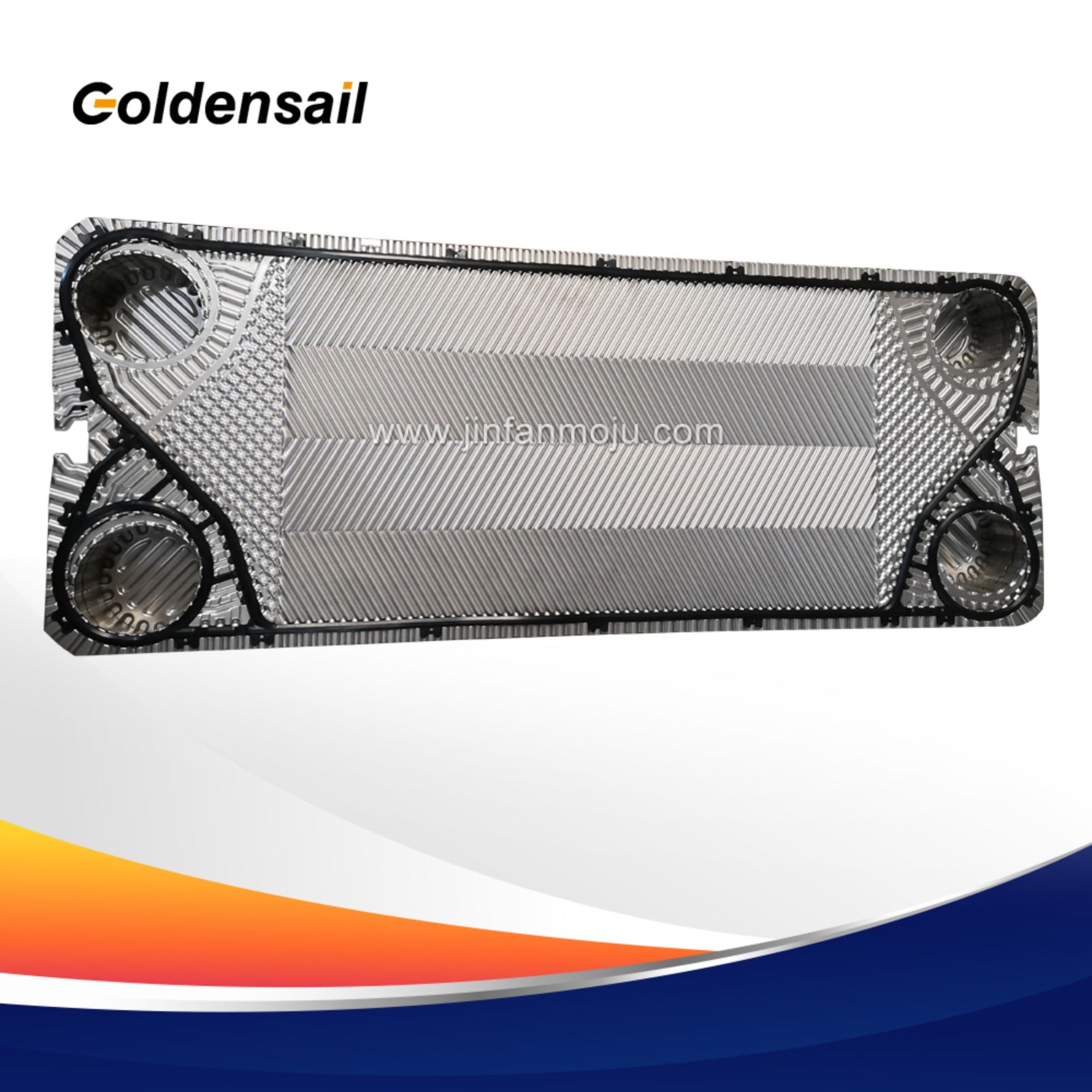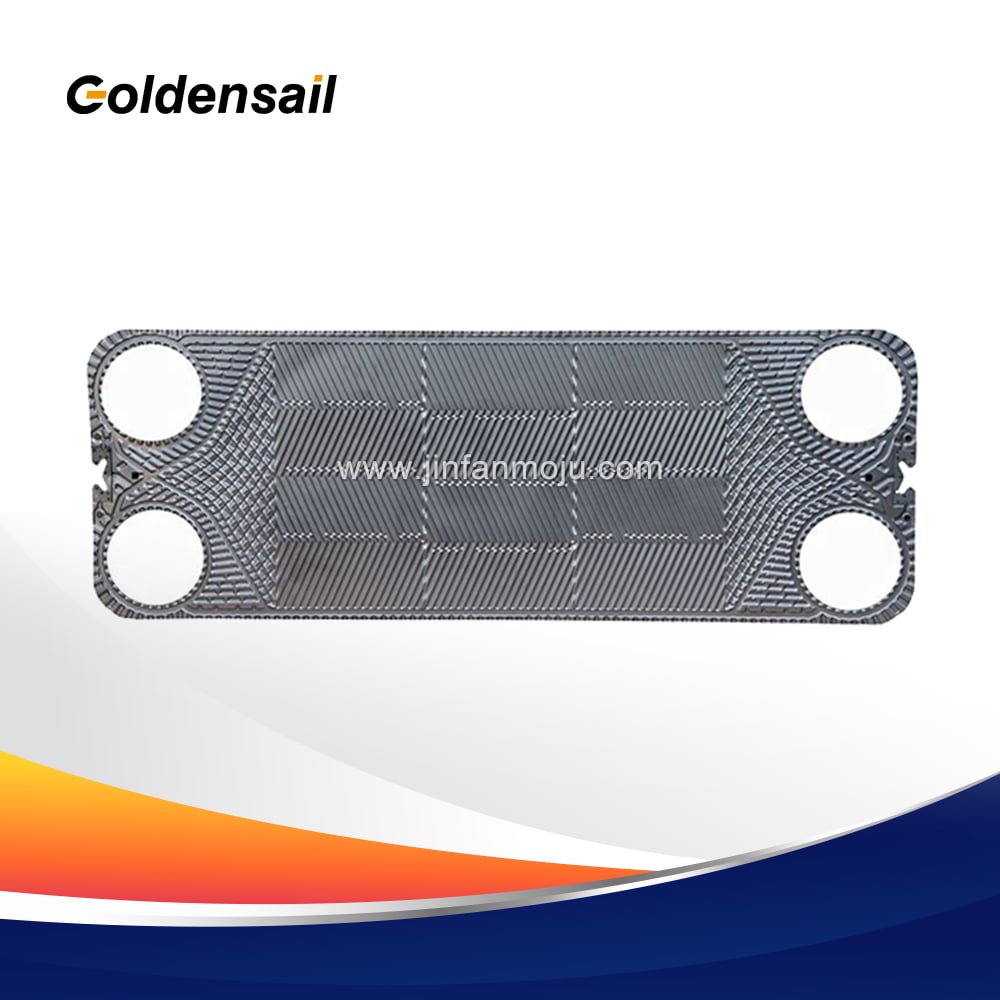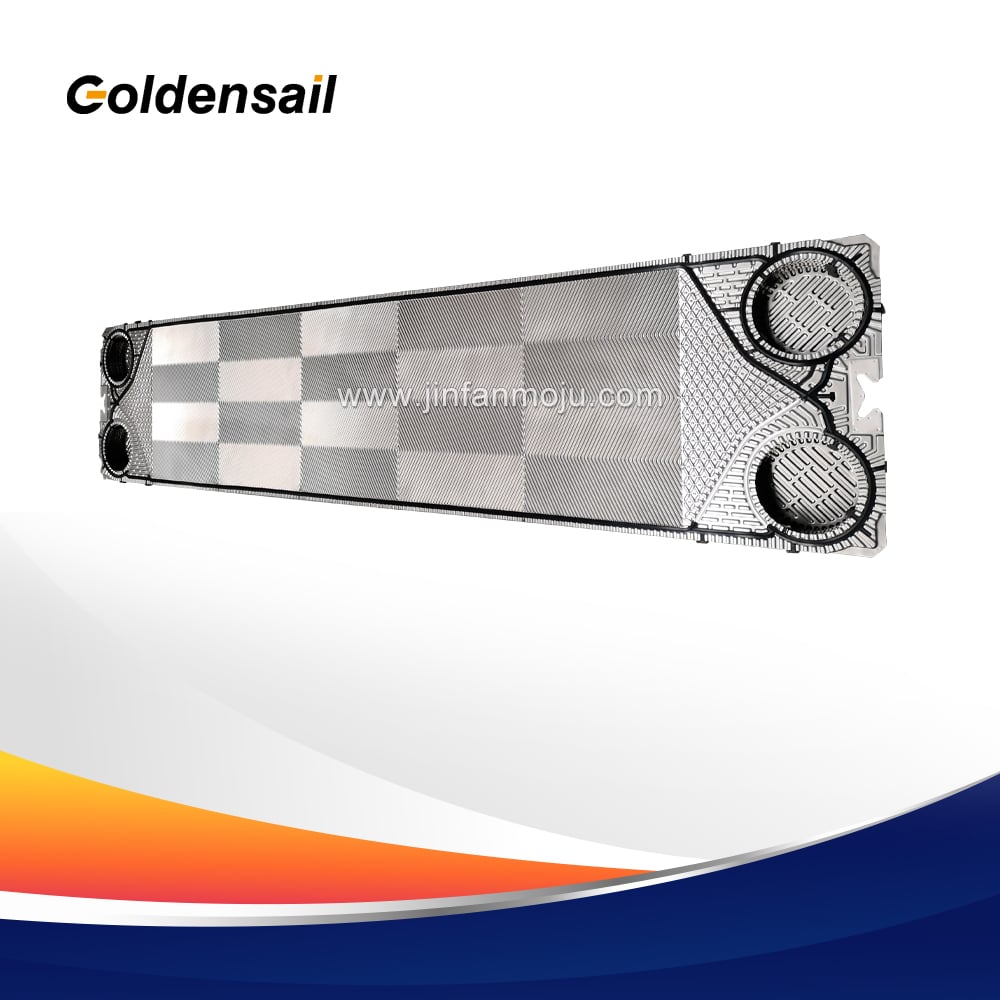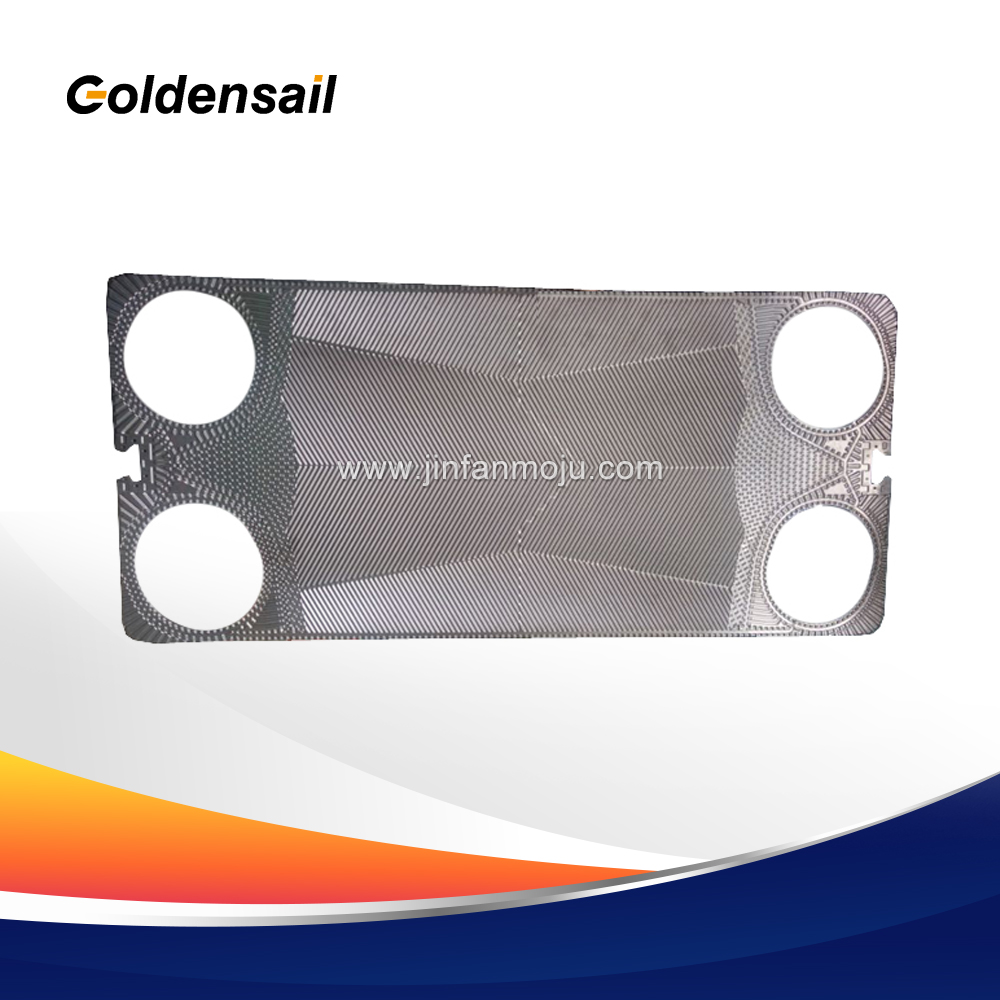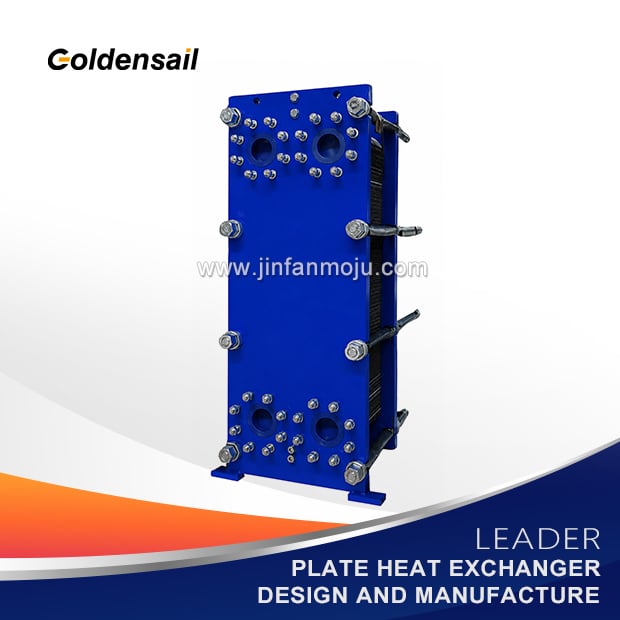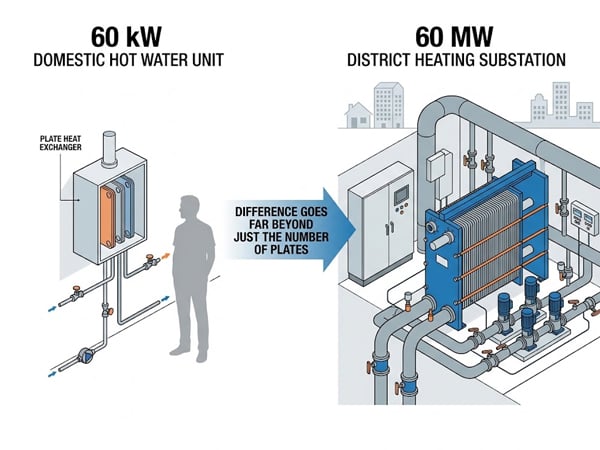
Thermal load determines the required heat transfer area, while flow rates and pressure drops dictate the channel and port configurations; process temperature differences and fouling factors determine the design margin. Meanwhile, different plate specifications offer varying surface areas, heat transfer coefficients, and pressure drop ranges. The difference between a 60 kW domestic hot water unit and a 60 MW district heating substation goes far beyond just the number of plates.
Get in touchIn the Plate Heat Exchanger (PHE) industry, referring to the "power" of a unit usually does not mean its electrical power consumption; rather, it refers to its heat transfer capacity or thermal load—the amount of heat transferred from the hot fluid to the cold fluid per unit of time. Strictly speaking, a PHE does not generate power but merely transfers heat; therefore, terms like "heat transfer capacity" or "thermal load" (measured in kW or MW) are more accurate.
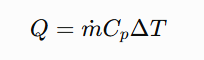
This represents the heat released by the hot fluid or absorbed by the cold fluid under specific operating conditions. Assuming steady-state operation and negligible heat loss to the surroundings, the heat transfer on both sides is equal:
Qh≈Qc
Here, Q represents what is commonly referred to as "power."
Heat duty
 Heat-transfer area
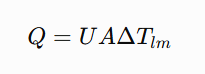
Thermal load determines how much heat must be transferred, while the temperature program and overall heat-transfer coefficient determine how much heat-transfer area is required.
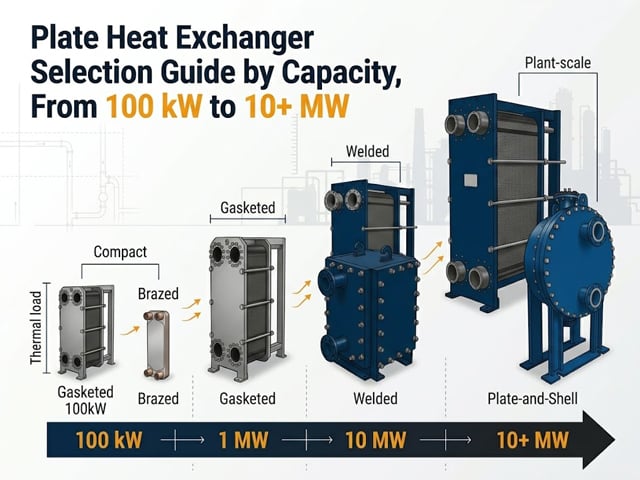
| Thermal Load | Typical PHE Options | Main Selection Consideration |
|---|---|---|
| <100 kW | Brazed / Gasketed | Compactness vs. serviceability |
| 100 kW–1 MW | Gasketed / Semi-welded / Wide-gap | Maintenance, fouling and fluid characteristics |
| 1–10 MW | Gasketed / Semi-welded / Fully welded / Plate-and-shell | Operating pressure, temperature and port configuration |
| >10 MW | Large PHE / Welded / Plate-and-shell / Multiple units | Flow distribution, redundancy and maintainability |
These ranges are guidelines rather than fixed boundaries. Thermal load alone does not determine PHE construction.
Applications under 100 kW often utilize Brazed Plate Heat Exchangers, but "power" alone does not dictate the type of PHE selected. Actual selection depends on flow rates, inlet/outlet temperatures, pressures, media characteristics, fouling risks, maintenance requirements, and space constraints. Provided the thermal load, flow rate, temperature, pressure drop, and media are suitable, a Gasketed Plate Heat Exchanger can be designed for the application. This is particularly true if the medium contains fouling agents, particles, or fibers, or presents a high contamination risk requiring periodic mechanical cleaning or potential future capacity expansion; in such cases, a gasketed (detachable) unit may be a more logical choice than a brazed one, even for capacities as low as 50–100 kW.
Typical applications include: Domestic hot water for apartments, villas and small hotels; pool and spa heating; small heat pumps; hydraulic and lube oil cooling through plate coolers; machine tool, laser and welding equipment cooling; small chillers and compact refrigeration circuits; pilot plant and craft brewery heating and cooling; heat recovery on a single compressor.
This is the natural domain of standard gasketed plate-and-frame heat exchangers: they feature moderate plate surface areas and frames accommodating anywhere from a few dozen to around two hundred plates. Most applications require only a single-pass configuration, though multi-pass or multi-stage designs are employed when the temperature program is demanding. Semi-welded PHEs are used when one side carries refrigerants or media incompatible with standard gaskets; Wide-gap PHEs are employed when the water side involves contaminated media.
Typical applications include: heating and domestic hot water for hotels, hospitals, and commercial buildings; chillers (evaporators and condensers) and loop isolation between chillers and buildings; HVAC, boiler room and building-level centralized heating substations; pasteurization, CIP heating/cooling, brine refrigeration, and product cooling in the food and dairy industries; breweries and beverage plants; medium-sized heat pumps and heat recovery systems; marine main engine jacket water cooling; process heating for specific chemical and pharmaceutical lines; and waste heat recovery from compressors and small furnaces.
At higher thermal duties, the limiting factor is not necessarily the available heat-transfer surface. Flow rate, allowable pressure drop, connection size, velocity, and port diameter can become the practical constraints.
Plate Heat Exchanger selection depends on factors such as the medium, design pressure, capacity, temperature, efficiency requirements, and maintainability, rather than capacity alone. Standard Gasketed PHEs can handle substantial industrial thermal loads across sectors like chemicals, energy, food processing, and marine engineering. Single large Welded Plate Heat Exchangers are used when pressure or media compatibility rules out standard gaskets; for even higher temperatures and pressures, Plate and Shell Heat Exchangers are considered.
Typical applications include: district-level heat exchange stations and transmission/distribution interfaces; district heating substations; power plant auxiliary cooling; large-scale industrial heat pumps and waste heat recovery; campus-level liquid cooling for data centers; process cooling in steel, cement, and electrolytic aluminum production, etc.
Even for thermal loads of 10 MW, 20 MW, or higher, the high power rating alone does not rule out the selection of Gasketed PHEs. If conditions such as high temperatures, high pressures, corrosive media, hydrocarbons or oils, material incompatibility, strict leakage requirements, and long continuous operation times coincide, a Fully Welded Plate Heat Exchanger is a strong candidate for consideration. For larger-scale projects, it is advisable to consider a parallel configuration of multiple units rather than simply scaling up a single unit to an excessive size.
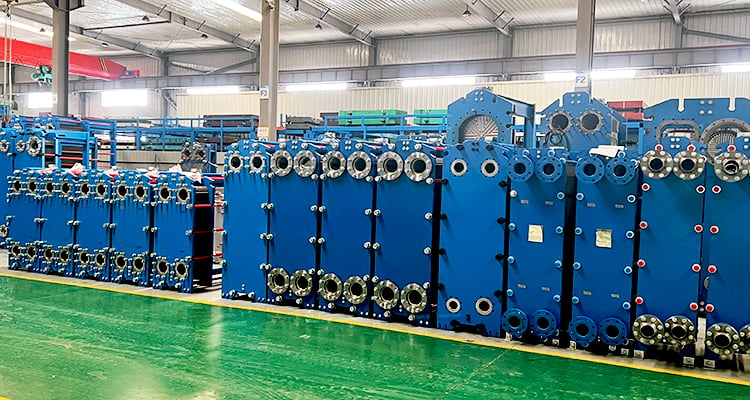
Selecting a plate heat exchanger is not simply a matter of matching a thermal load to a standard model. Different duties may require different plate sizes, corrugation patterns, materials, gasket configurations, flow arrangements, or even completely different PHE constructions. JINFAN combines plate heat exchanger manufacturing, in-house tooling, and application-specific design capability to support projects across a wide range of thermal loads and operating conditions.
For projects that evolve over time, the requirement may change from a standard clean-water application to a fouling-prone process, or from an initial equipment supply to replacement plates and additional capacity.
By combining plate manufacturing, tooling, PHE assembly, and multiple exchanger configurations, JINFAN can support both the initial equipment selection and subsequent replacement, customization, and expansion requirements.
Our product range covers
• Gasketed plate heat exchangers
• Wide-gap plate heat exchangers
• Semi-welded plate heat exchangers
• Fully welded plate heat exchangers
• Plate-and-shell heat exchangers
• Plate evaporator
• Plate condenser
• Bloc heat exchangers
 EN
EN
 AR
AR
 FR
FR
 DE
DE
 PT
PT
 RU
RU